The New York Post’s editorial on November 20th, “Get set for the left’s next thought-control offensive,” is an opportune moment to reflect on what we’ve been through and what’s coming with the new Congress. It is no exaggeration to say that the Democrats resemble George Orwell’s Big Brother from Nineteen Eighty-Four. Speech codes. Deplatforming. Unpersoning. Democrats are “the Party.” We already see the horrors of where this goes in Great Britain, which was Orwell’s home.
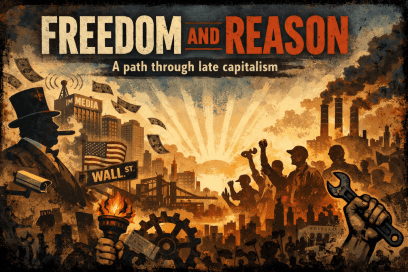
This is one of the most disappointing things I find about my friends on the left. The Democratic Party has obviously become the thought police, yet they vote for them. They rationalize that they’re electing champions of justice, but where there’s no free thought there is no justice. This leads to the bizarre situation where today’s left has become the opposite of the left I grew up with. It has become the projection of the global oligarchy. These facts are easily demonstrated. Who funds the “No Kings!” protests? Look at how the governments of Europe treat their citizens (it’s not just Great Britain). You see it also in the left’s embrace of Islam.
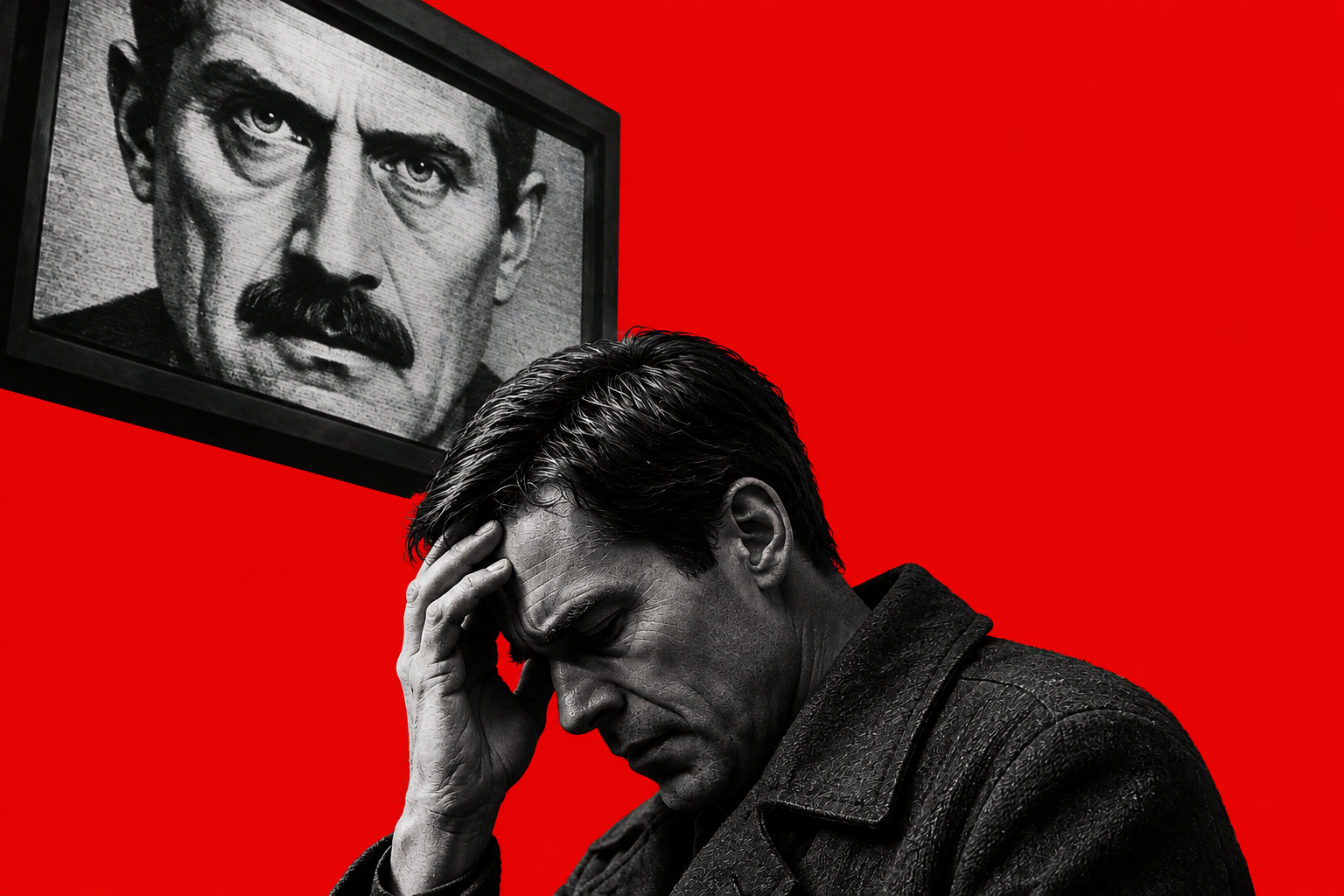
In Nineteen Eighty-Four, George Orwell developed a concept called “crimethink” (Newspeak for criminal thinking). It refers to holding thoughts, beliefs, or ideas that contradict the ideology and authority of the Party. Crimethink goes beyond expressing opposition to the government. It includes the act of independently questioning the Party’s doctrines, entertaining alternative explanations of reality, or privately recognizing contradictions in official narratives.
To counter free thought, the proles of Airstrip One have developed “crimestop,” i.e, the conditioned ability to stop thinking before one’s thoughts lead to politically dangerous or heretical conclusions. Crimestop is a form of internalized censorship where the person instinctively recognizes that a line of reasoning might lead to crimethink and immediately suppresses it. Orwell describes it as the ability to stop short of dangerous thoughts, almost as a reflex. Crimestop becomes a habit. It even prevents most people from recognizing they practice it.
One of the worst things about crimestop is that even when an individual knows the Party line is wrong, he turns on those who practice crimethink to signal to others than he is loyal to Party doctrine. He does not wish to be unpersoned.
As somebody who obnoxiously rejects the Party’s doctrine, it’s revealing how many people contact me privately or say so in small gatherings how much they agree with me but could never admit this because of the consequences if they do. It makes me wonder how many people who criticize me actually agree with me but have to signal their virtue to the social justice crowd. The last thing they want is to be accused of “Islamophobia” or “transphobia.” So they adorn their social media bios with the appropriate flags and slogans. They make dramatic posts of support for things they don’t actually believe.
Even in an ostensibly free and open society—really, because society is formally free and open—thought control is a powerful way to suppress free thought (linguist Noam Chomsky pointed out this phenomenon in the documentary Manufacturing Consent), especially thwarting the development of mutual knowledge, a situation where everybody who can see the emperor is naked readily admits he is. If we had that, Democrats would be in serious trouble. As it is, they were just elected in large numbers to the House and Senate.


