
The public should understand what’s at stake if the National Women’s Basketball Association (NWBA) ever sides with science against ideology in the controversy over its policy to allow males to participate in a high-profile women’s sport, one that is finally gaining traction thanks to its star, Caitlin Clark—with an assist from her teammate Sophie Cunningham.
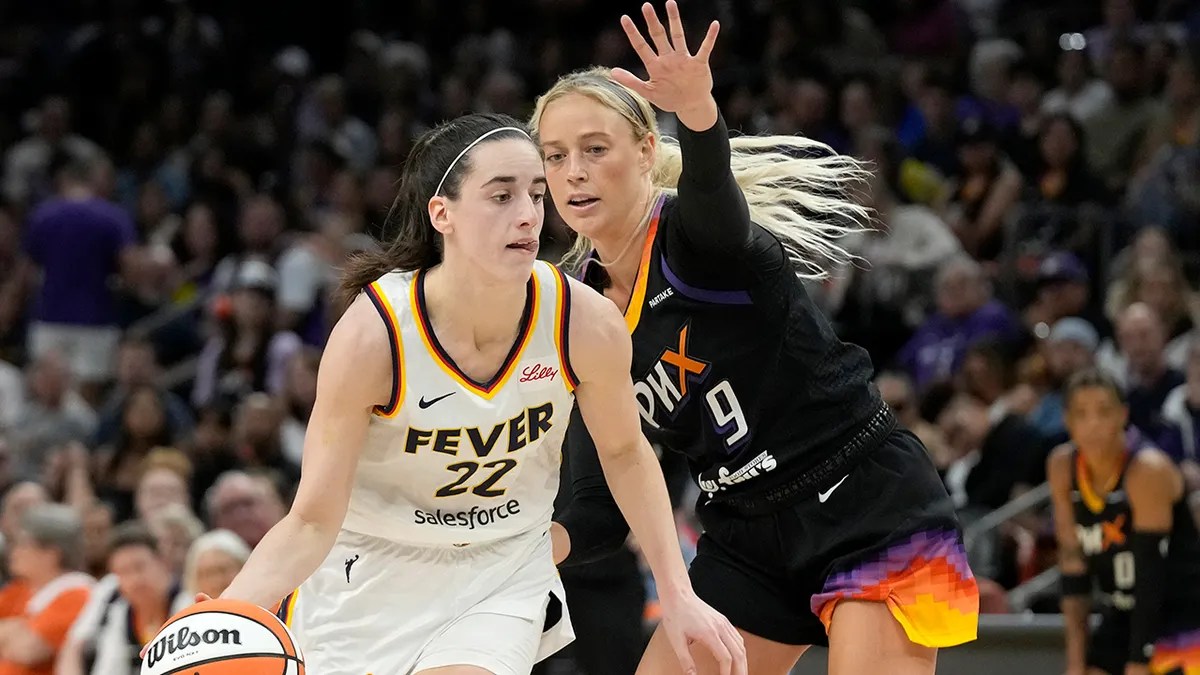
It’s not the “Female National Basketball Association,” after all. The word “women” is what differentiates it from the National Basketball Association (NBA). Things are not as simple as clarifying that only females can play in the league. For one thing, if testing is used to determine gender, this might disqualify some current players.
As controversial as that would be, there’s a bigger political problem: if the WNBA rules that only females can play in the league, then a high-profile professional sports organization will have defined what a woman is. This is an existential problem for queer activists; when what a woman is accurately defined—an adult female human—the gender identity hoax implodes.
The construct of gender identity is already imploding globally. In March of this year, the International Olympic Committee (IOC) adopted a new Policy on the Protection of the Female (Women’s) Category in Olympic Sport, which establishes that the Olympic women’s category is restricted to athletes who are “biologically female.”
As I have noted in past essays, the term “biological female” is redundant. Female is a biological category. One need not qualify it. However, because humanity is now having to find a way to prevent the erasure of women, the need to put “biological” before “female” feels necessary.
I loathe the “cis” prefix (which the social media platform X has designated a slur), but if one reads it not as “on this side of” but instead as referring to a “real” thing, as in real female, in contrast to the manufacture of a synthetic female identity (i.e., men in womanface), then those who oppose the madness of queer theory can use the neologism as a consciousness-raising weapon in the struggle for truth.
If postmodernists can conjure impossible things with made-up words, then modernists can use those words to debunk postmodernist imaginaries. The next time somebody uses the construct “ciswoman,” clarify with: “You mean a real woman.” Preserving truth requires pushing back against linguistic engineering.
The IOC’s policy will apply beginning with the 2028 Los Angeles Olympics and replaces the organization’s previous framework, under which individual sports federations could establish their own eligibility rules. The policy uses a one-time SRY-gene test to establish biological sex. It excludes transgender women who were born (and thus will always remain) male from competing in the female category, while also addressing athletes with certain differences of sex development.
The IOC justified the change on the grounds of competitive fairness and, in some sports, athlete safety (for example, boxing), arguing that physiological advantages associated with male development cannot be eliminated through hormonal suppression alone.
The IOC emphasizes that the policy concerns eligibility for the female category, not whether transgender athletes may participate in sport generally. So if transwomen want to participate in the men’s category, they can. Of course they can; transwomen are men.
The recent WNBA controversy is different because there are currently no openly (emphasis on openly) transgender women playing in the WNBA, so there is no trans-athlete eligibility dispute within the league at present. Rather, the dispute concerns the presence of males in women’s sports as a general proposition.
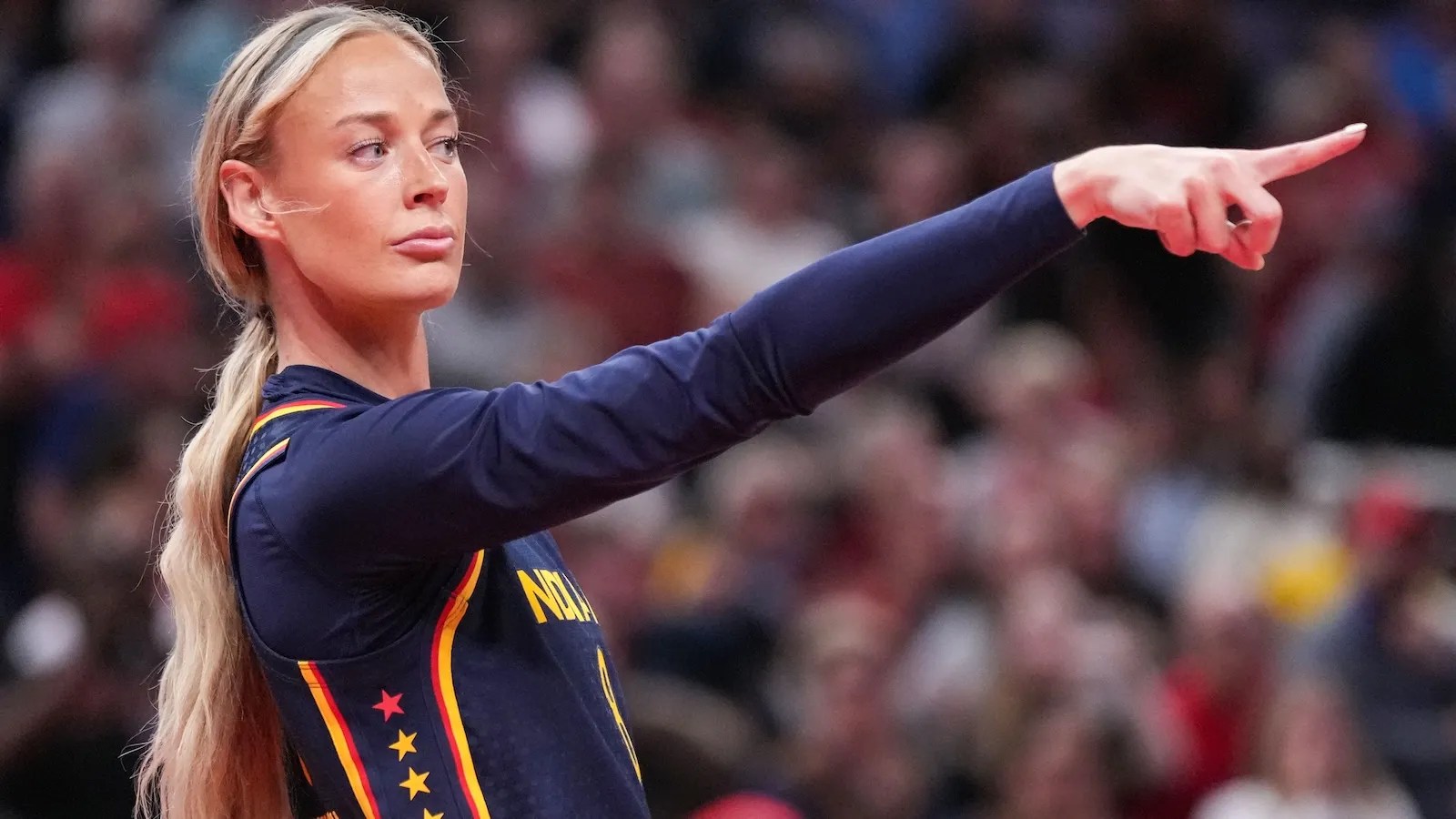
The controversy erupted after Indiana Fever guard Sophie Cunningham publicly supported excluding transgender women from women’s and girls’ sports, arguing that female athletes deserve a protected competitive category. Cunningham recently became a meme after calling out deliberate fouling in the WNBA. She used her celebrity to raise awareness about the problem of men in women’s sports.
Cunningham’s comments drew criticism from other WNBA figures, including Minnesota Lynx coach Cheryl Reeve. At the same time, Cunningham enjoyed support from the normal and sane people who agree that women’s sports should remain sex-based. Why have women’s athletics at all if men can participate?
Subsequently, former NBA players Enes Kanter Freedom and Royce White have amplified the issue by announcing that they intend to enter the 2027 WNBA draft while identifying as women. The league has rejected those efforts—and stubbornly declined to do the right thing and define what a woman is.
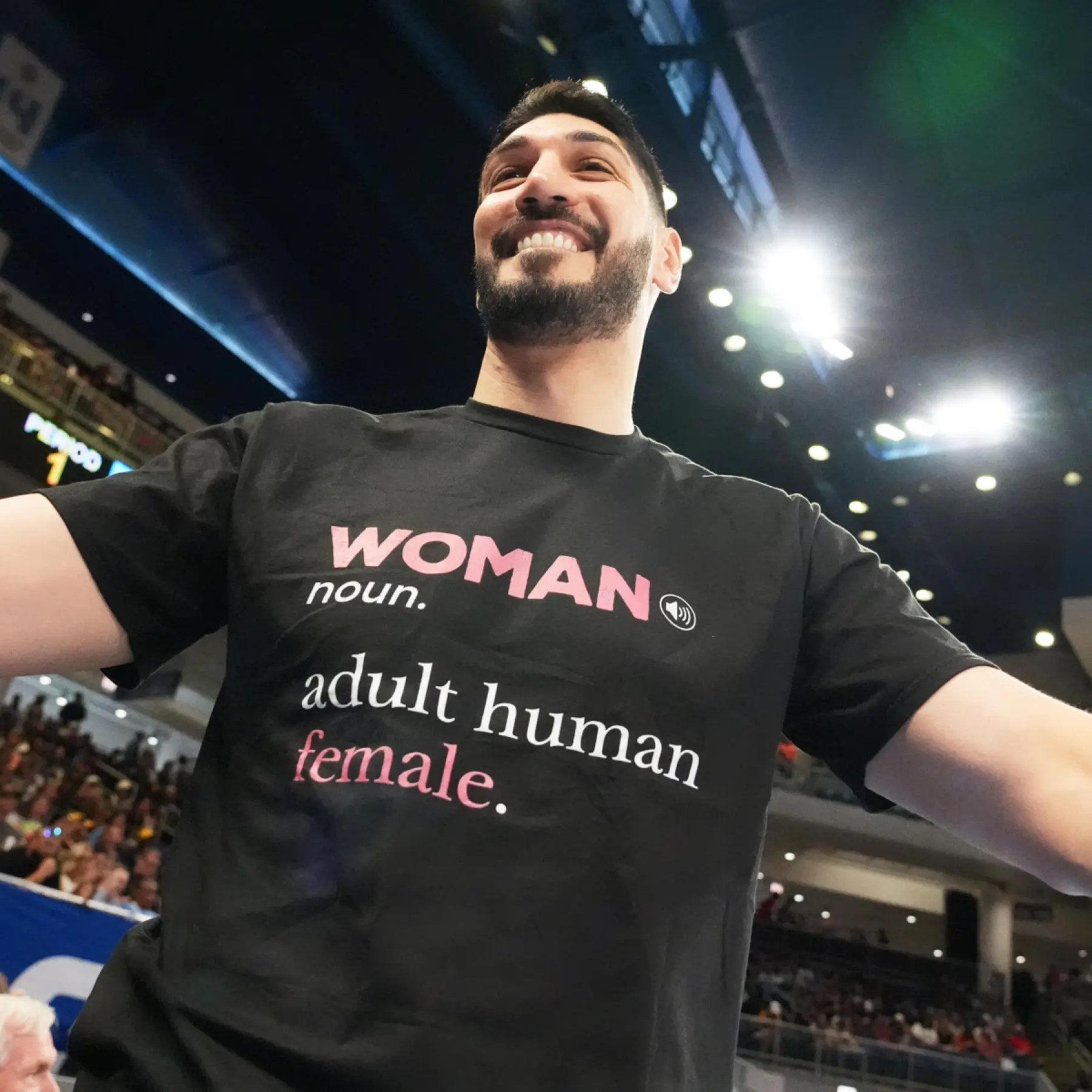
Instead, the WNBA has doubled down on the ideology of inclusion, condemning what it calls “bad-faith” efforts to use the controversy to demean transgender people—as if the controversy lies in people demanding fairness and not in the WNBA’s eligibility.
For those of us who accept science and its role in sports, the provocation of Enes Kanter Freedom and Royce White is most welcome. Hopefully, more male basketball players will join them in forcing the WNBA to clarify what the league means by “woman player.”
Most of us don’t need to clarify the question. We know what a woman is—and the male of our species cannot be one. Postmodernist constructions don’t persuade us because we move from truth. It’s authoritarians and disordered personalities who need to be put in their place.


