“It is a legal fiction that Tickle is a woman. His birth certificate has been altered from male to female, but he is a biological man, and always will be. We are taking a stand for the safety of all women’s only spaces, but also for basic reality and truth, which the law should reflect.” —Sal Grover
“Freedom is the freedom to say that two plus two make four. If that is granted, all else follows.” —George Orwell
Roxanne Tickle, an Australian man who says he is a woman, has scored a victory in the Federal Court, Justice Robert Bromwich finding him to have been the victim of unlawful discrimination after being banned from the woman-only app Giggle for Girls. The founder of Giggle, Sal Grover, has been ordered to pay damages to Tickle, as well as court costs. Giggle for Girls was marketed as a safe space for women to share and discuss personal experiences. Court filings indicate that the platform had about 20,000 users in 2021. The app has been suspended since 2022.
Roxanne Tickle, an Australian man who won the right to participate on women’s-only apps.
In 2021, Tickle downloaded the app knowing that it was marketed as exclusive to women. Tickle, who underwent “gender-affirming surgery” in 2019 (presumably breast augmentation, orchiectomy, and vaginoplasty), was banned a several months after joining. Giggle’s AI filter determines the gender of users, a policing function necessary for maintaining female-only spaces. In time, it correctly identified Tickle’s gender (AI is quite good at this) and removed his profile. In Australia, however, a man enjoys the privilege of falsifying primary documents—his birth certificate, passport, etc.—so that he is a woman in the eyes of the state. Legally, it did not matter that Tickle was actually a man; it only mattered that Tickle possessed documents saying he was.
As someone who identifies as a woman, Tickle argued, he was legally entitled to use services meant for women. Moreover, Tickle claimed, Grover’s “persistent misgendering” had prompted “constant anxiety and occasional suicidal thoughts.” For its part, Giggle’s legal team, led by former Liberal candidate Katherine Deves, argued that sex is a biological concept. Giggle freely admitted that Tickle was discriminated against on these grounds; refusing to allow Tickle to use the app therefore constituted lawful sex discrimination, since Tickle is a man. Lawful sex discrimination has been a valid legal construct across the West for decades, enlightened populations finding it necessary in the light of intrinsic differences to establish equitable circumstances for girls and women, as well as safeguard them from male sexual predation. The app was designed to exclude men for this reason.
Tickle’s attorney, Georgina Costello, asked Grover, “Even where a person who was assigned male at birth transitions to a woman by having surgery, hormones, gets rid of facial hair, undergoes facial reconstruction, grows their hair long, wears make up, wears female clothes, describes themselves as a woman, introduces themselves as a woman, uses female changing rooms, changes their birth certificate—you don’t accept that is a woman?” Grover replied, “No.” Costello responded that the facts of Tickle’s surgery and her female birth certificate mean “it is clear that Ms Tickle is a woman.”
The corruption of truth at work in Australia (and there are other countries that corrupt truth in this way), represents not only a threat to women specifically but a threat to fact-based law generally. Surgery and a birth certificate don’t change the sex of a person. If one operates from a reality-based standpoint, which one should, Tickle is a man, i.e., an adult male human. Sex is binary and immutable. A man cannot be or become a woman. This is an impossibility. What Tickle’s attorney describes is not a woman but a simulated sexual identity, a simulacrum of a woman.
Crucially, Grover and her legal team did not deny the construct of “gender identity.” A woman who identifies as a man could be on Giggle, since trans men are women. The problem was that Tickle was a man. It was that basic. However Justice Bromwich, agreed with Tickle, ruling that Grover and the Giggle app had “discriminated” against Tickle, thereby effectively ruling that women do not have a right to women-only spaces. The argument that the judge merely affirmed the law’s arbitrary redefinition of men as women is specious; the premise of the ruling is false on its face, as it asks the court to accept as true the equivalent of 2 + 2 = 5. The judge ordered Grover and Giggle to pay $10,000 in compensation plus legal costs.
“The law is supposed to reflect reality & in reality this person is male… To be punished for acknowledging biological sex I think puts all Australian’s at risk of being punished for having human instincts.” pic.twitter.com/wQCfQ9mPir
“This decision is a great win for transgender women in Australia,” said Professor Paula Gerber at Monash University’s Faculty of Law. Since gender ideology is designed to confuse the public about what is actually being said, we need to translate: Gerber is saying that this decision is a great win for men in Australia. Although I doubt the majority of Australian men believe this was the correct decision or intend to take advantage of it, some will and appeal to it when assuming activities and resources reserved for women and trespassing upon their spaces. Tickle did and will certainly do it again.
“This case sends a clear message to all Australians that it is unlawful to treat transgender women differently from cisgender women,” Gerber continued. “It is not lawful to make decisions about whether a person is a woman based on how feminine they appear.” This term “cisgender women” is a propaganda construct designed to convey the possibility that there are different types of women. There is only one possible type of woman—an adult female human. The point about appearance is beside the point; a man is a man no matter how feminine he appears. To be sure, gender ideology works from stereotypes, but law should be based on fact and reason not stereotypes.
Tickle found Grover’s public statements about him “distressing, demoralizing, embarrassing, draining and hurtful.” What about the distress, demoralization, embarrassment, and so forth, provoked by a man’s presence on a women-only app? How does it make a woman feel to have divulged an intimate matter to a man she presumed to be a woman? Betrayed, deceived, violated—these and other feelings come to mind. Do women matter? Their feelings? Their safety? To they have a right to community of women? Should women’s rights be shredded to accommodate a man who has deluded himself into believing is not one? There’s a word for people who believe a man’s desire takes privilege over the rights of women. The word is misogyny.
Hailey Davidson is a man competing in women’s golf
The assault on the truth about the sex binary, not only in Tickle v Giggle case, but in a myriad of other cases, most recently in the IOC’s decision to allow permitting males to complete in women’s boxing, and the inclusion of Hailey Davidson in LPGA Tour (Davidson stand only two steps from becoming a member), should concern everybody who believes in the right of girls and women to have the same opportunities boys and men have enjoyed for millennia.
Human dignity and freedom is at stake for all of us when our institutions accept such an obvious falsehood as the claim that human beings can change their sex. Orwell wrote in Nineteenth Eighty-Four, “Freedom is the freedom to say that two plus two make four. If that is granted, all else follows.” The inverse is equally as true.
“The telescreen received and transmitted simultaneously. Any sound that Winston made, above the level of a very low whisper, would be picked up by it; moreover, so long as he remained within the field of vision which the metal plaque commanded, he could be seen as well as heard. There was of course no way of knowing whether you were being watched at any given moment.” —George Orwell, Nineteen Eighty-Four
Scene from 1984—Winston keeps a journal
Pavel Durov, the co-founder and CEO of Telegram, was arrested in France on Saturday, August 24, 2024. He was detained at Le Bourget Airport near Paris after arriving on his private jet from Azerbaijan. French authorities issued an arrest warrant for Durov on charges related to his alleged failure to prevent illegal activities on Telegram, including drug and human trafficking, as well as fraud. Why Telegram could be responsible for the conduct of those who use the service makes no sense. It’s akin to arresting the owners of rental properties because tenets use them for stashing contraband.
In reality, the arrest is connected to Durov’s refusal to cooperate with law enforcement regarding the moderation of content on Telegram. The situation has sparked concerns that politically-motivated detentions are becoming common, in this case as a means to access Telegram user data. Elon Musk has expressed concern about this and there are voices calling for Musk and X to be treated in a manner like Durov and Telegram. Moreover, regulatory agencies, such as the Securities and Exchange Commission (SEC), are investigating services like Rumble, an alternative to YouTube that eschews political-ideological moderation of content.
Here’s the reason French authorities arrested Durov: the transnational elite want to monitor everything we say, send, and share. That there is a system that allows us to hide information from government authorities drives them up the wall. Users of systems like Telegram are like Winston Smith in Orwell’s Nineteen Eighty-Four, standing off to the side of the telescreen and keeping secrets with himself. This is intolerable from the point of view of authoritarianism.
Update (8-27-2024): When I said the fake politics of joy I did not mean to suggest that the “Strength Through Joy” (Kraft durch Freude, KdF) campaign was fake. “Strength Through Joy” was a propaganda tool, projecting an image of a benevolent and caring government. It was designed to foster a sense of pride and unity among Germans, aligning them with the Nazi ideology and goals.The concept of the “people’s community” (Volksgemeinschaft) was central to the campaign, which sought to create a cohesive and ideologically unified society.The program was one of many ways the Nazi regime sought to control and influence the daily lives of German citizens, blending social welfare with political indoctrination.
Strength Through Joy banner
Update (08-24-2024): In her speech at the DNC, Kamala Harris said Donald Trump is not a serious person. Of course he is, and yesterday it all got even more serious, as Trump welcomed to the stage Robert F. Kennedy, Jr., who just suspended his own presidential campaign and endorsed Trump. It is well-known that I have been waiting all my life to vote for Bobby Kennedy and to see him unite with the populist-nationalist movement reclaiming the American Republic was a powerful moment in my life. I knew it was hard for him, but he did the right thing. His candidacy was helping Harris, and the single most important thing to accomplish in this moment is the defeat of the Harris-Walz ticket. It is no exaggeration to say that another four years of progressive rule will likely by the dirt that fills the grave of the greatest experiment in democracy and liberty the world has ever known. We can’t let this happen. We have to fight like hell for the United States.
“This decision is agonizing for me because of the difficulties it causes my wife and my children and my friends,” Kennedy said on Friday. “But I have the certainty that this is what I’m meant to do. And that certainty gives me internal peace, even in storms.” Bobby Kennedy did the right thing by endorsing Trump. Tulsi Gabbard did the right thing by offering to serve as Trump’s running mate. Naomi Wolf did the right thing by working with Steve Bannon to expose the corporate state’s pandemic lies. These are patriots. The Democratic Party is the party of corporate power and administrative rule. Indeed, there is nothing democratic about the party at all, as these four progressive elites laugh about in discussing how the Party sacked Biden and installed Harris (who has yet to hold a press conference or sit down for an interview with the media).
WOW. Watch Gavin Newsom basically admit that there was a coup to replace Joe Biden with Kamala.
"We went through a very open process, a very inclusive process, it was bottom-up… that's what I've been told to say." [laughs]pic.twitter.com/Qdew1DVo76
Remember Hubert Humphrey’s “Politics of Joy” theme? His campaigns manufactured the construct as a hallmark of his political identity, particularly during his 1968 presidential campaign. The theme was pitched as Humphrey’s “optimistic vision for America,” emphasizing “positive government action” to improve the lives of citizens, especially the downtrodden and resentful. Humphrey believed that government should play an active role in creating a diverse, equitable, and inclusive society. Sound familiar? His campaign stood up the theme to contrast Humphrey to the divisive and turbulent politics of the time, particularly the proxy war on the other side of the planet, as well as crime, disorder, and riots in cities at home. Humphrey was Vice-President to Lyndon B. Johnson, who, as President, declined to run for a second term. Starting to sound even more familiar now?
Hubert Humphrey, US Senator from Minnesota (1949-1964) and Vice-President (1964-1969)
During the 2022 Minnesota gubernatorial campaign, Tim Walz, the incumbent governor, ran for reelection on the “Politics of Joy” theme. Did you know that Humphrey was also from Minnesota? He served as the US Senator from Minnesota from 1949 to 1964 before being tapped as the Vice President under Johnson following the assassination of John F. Kennedy. When Humphrey run for the presidency in 1968, he represented Minnesota’s progressive values on the national stage. The Walz campaign focused as well on positive messaging that highlighted his achievements in Minnesota and a vision for a better future. This approach contained a concealing rhetoric of decidedly not focusing on divisive issues, instead emphasizing empathy. The goal was to build a coalition of diverse supporters who felt included in the political process (not that they actually would be). The campaign engaged with voters through a positive and uplifting tone, encouraging “civic participation” and fostering a “sense of community.” This approach aimed to manufacture a joyful experience that simulated popular empowerment.
Before continuing, I want restate the obvious: Joy is a feeling of great happiness and pleasure that comes from good fortune, success, or wellbeing. Events, people, and things bring one joy. Joy is emergent from conditions, relationships, and situations. Joy cannot stand as a valid politics to cover the failures of past administrations or the perils of future ones. To be sure, something that looks like joy may be simulated, but it is an illusory state of gladness—a fool’s paradise. Dissimulation is the act of pretending to feel a certain way, such as happiness, when you don’t actually feel that way. This is the joy of the Harris-Walz campaign. It’s fake joy. Like the Clintons and the Obamas, Harris and Walz are constructs. They don’t care about you or your country. They only care about themselves.
The politics of joy remake: Kamala Harris and Tim Walz
Like Walz today, Humphrey’s “politics of joy” was a cover for his lifelong commitment to progressive causes. Humphrey was a key figure in the social welfare programs during the Great Society era that undermined by the black family in America’s central cities by promoting idleness and dependency on paternalistic government. Humphrey was also a strong advocate for mass immigration, arguing for removing “discriminatory quotas.” He was a supporter of the Immigration and Nationality Act of 1965, also known as the Hart-Celler Act, which abolished the national origins quota system that had been in place since the 1920s. This act, signed into law by President Johnson, opened up US immigration to people from all parts of the world, rather than favoring European immigrants whose cultures were similar to those of America.
Humphrey’s optimistic message was betrayed by the political and social unrest of the late 1960s, making it challenging to resonate with voters who were increasingly disillusioned by the ongoing conflict in Vietnam and domestic issues. America would find out later the dreadful consequences of open borders, but they were rightly suspicious then of the direction progressives were taking America, and as the 1968 campaign unfolded, the return of populist and nationalist sentiment and the desire for a return to the traditional values that created safe and stable communities became ever more apparent.
A softer, kinder take on the slogan
Humphrey was up against Richard Nixon in 1968, who ran on a platform of “law and order” and a promise to bring an end to violent foreign entanglements. Nixon’s law and order politics extended to his views on immigration. He was concerned about the border security and the enforcement of immigration laws; Nixon believed in maintaining strict control over immigration to prevent illegal entry and ensure that immigrants adhered to US laws. Nixon’s campaign capitalized on the growing discontent with the Johnson administration, particularly over its handling of the war and the civil unrest at home. He appealed to the “silent majority,” the majority in America’s heartland and in its suburbs, who were fed up with the social upheavals of the 1960s—the anti-war demonstrations and urban violence.
Nixon’s strategy to position himself as the candidate of order and stability, contrasting with the more progressive image and legacy of Hubert Humphrey, was a successful one. The campaign appealed to Southern voters who, in the wake of the abolition of Jim Crow segregation, were increasingly embracing republican ideals of federalism, limited government, orderly community life, and safe streets. Nixon won the election, taking 301 electoral votes to Humphrey’s 191. The populist campaign of George Wallace drew significant support from voters likely to vote for Nixon, especially those concerned with federalist principle, law and order, and small government, which dampened Nixon’s popular vote count (43.3 percent for Nixon to 42.7 percent for Humphrey).
In 1972, Nixon, emphasizing successes in foreign policy, particularly the opening of diplomatic relations with China and the ongoing Strategic Arms Limitation Talks (SALT) with the Soviet Union, as well as the strength of the economy and declining crime rates, won in a historic landslide, winning all but Massachusetts and the District of Columbia, capturing 60.7 percent of the popular vote. His Democrat opponent, South Dakota’s George McGovern, ran on a platform of guaranteeing every American an annual cash payment. (McGovern has beat out Ted Kennedy for the Democratic Party nomination. Kennedy’s campaign was complicated by a car accident on Chappaquiddick Island, Massachusetts, which occurred in 1969, that resulted in the death of Mary Jo Kopechne, a campaign worker. Kennedy had been the driver of the car.)
McGovern’s running mate, Maryland’s Sargent Shriver, was well known for his joyful demeanor. His charisma and upbeat personality were considered significant assets, Shriver’s energy and optimism were palpable in his public appearances, which helped him connect with people and inspire them to engage in the cause of social justice—as defined by progressive elites. Shriver was a key figure in Johnson’s War on Poverty, a set of initiatives ostensibly aimed at addressing inequality and poverty which in effect created widespread dependency on the government among ghettoized blacks and undermined the integrity of the black family, which fueled a historic increase in inner city crime and violence. In fact, Shriver played a central role in creating and leading the Office of Economic Opportunity (OEO), which oversaw the various programs.
* * *
Recalling this history is compelling a digression, one that I think is relevant to the dynamic of today’s politics, which are eerily like those of my formative and teenage years. One of Nixon’s great failures at President was his attempt to reign in inflation—a legacy of Johnson’s Great Society programs and the prosecution of an unwinnable foreign war—by instituting price controls. In August 1971, Nixon announced a series of measures known as the “New Economic Policy,” which included a 90-day freeze on wages and prices. This policy was designed to stabilize the economy. The freeze was thus part of a broader strategy that included devaluing the dollar and suspending the gold standard (with implications that require a separate essay). While the controls temporarily stabilized prices, they created more problems than they solved, including shortages and disruptions in the supply of goods. The Harris-Walz campaign is promising to reign in the inflation resulting from Bidenomics with price controls. It’s one play from Nixon’s playbook they ought not play.
Nixon’s other great failure was his attempt to gain control over the CIA and reign in J. Edgar Hoover’s FBI. To be sure, from the standpoint of civil liberties and human decency this was a laudable goal, but it was a failure in the sense that it undermined Nixon’s presidency—as it had John Kennedy’s. With respect to the CIA, Nixon was critical of the agency’s activities and its role in various covert operations, especially after revelations about the CIA’s involvement in domestic spying and other controversial activities (assassination being the most obvious). Nixon attempted to limit the CIA’s activities and to increase oversight of its operations. What is more, Nixon and his advisors sought to use the CIA in ways that aligned with their political objectives, which is appropriate for the Executive; however, in its role as part of the administrative state apparatus, the CIA resisted.
Richard Nixon did an extremely long and detailed series of interviews in 1983 with his former aide Frank Gannon, who also became a TV producer. All, or most, appear to be on YouTube — they're fascinating. Here is Nixon addressing whether there was a CIA conspiracy against him pic.twitter.com/B0NDJThPig
As for the FBI, Nixon was worried about directly challenging or reforming the FBI under Hoover’s leadership. However, the Watergate scandal brought FBI operations into the spotlight (which, along with the CIA, was later dimmed with the dramatic albeit limited hangout orchestrated by the Church Committee in 1975). The FBI’s investigation into the break-in and subsequent cover-up became a central focus of the scandal, which the media portrayed as an attempt by Nixon to interfere with the FBI’s investigation. At least Nixon wasn’t assassinated, indicating a change of Deep State tactics. Nixon resigned from office on August 9, 1974, becoming the only US president to do so.
Nixon’s successor, Gerald Ford, pardoned the former president on September 8, 1974. Ford had been a major figure on the Warren Commission, which cleaned up the assassination of JFK by penning the crime on a sole assassin, a patsy named Lee Harvey Oswald, who was subsequently murdered by Jack Ruby in the basement of the police station two days after Oswald had allegedly fired upon Kennedy from the Texas School Book Depository in Dallas. President Johnson tapped Ford to serve on the commission. Ford would publish Portrait of the Assassin in 1966 based on his work on the commission, which he would vouch for the rest of his life. Smart move.
Upon speaking with the CIA, Trump reversed a promise to release all the files on JFK’s assassination, saying that potential harm to US national security, law enforcement or foreign affairs is “of such gravity that it outweighs the public interest in immediate disclosure.” That didn’t stop an attempt on his life. Trump now campaigns behind bulletproof glass.
And we can’t ask Thomas Matthew Crooks anything about it.
The corruption of science by totalitarian regimes serves as a warning that the pursuit of truth must remain independent of political and moneyed power. As history shows, when science is subordinated to the interests of the state and the corporation, it can be used to justify the most horrific of policies. Therefore, it is essential to remain critical of scientific claims, especially when they align closely with state and corporate power, and to defend the independence of the scientific enterprise and the autonomy of scientists to vigorously interrogate the claims and conclusions made by others. Only by maintaining this autonomy can we ensure that science remains a force for good and progress, rather than a tool of exploitation and oppression.
Those of us who are skeptical of queer theory and gender ideology have often heard the line that there’s a broad scientific and medical consensus, supported by numerous professional bodies like the American Medical Association, the World Professional Association for Transgender Health (WPATH), and others, that gender-affirming care (GAC) is beneficial for those experiencing gender dysphoria (see Fear and Loathing in the Village of Chamounix: Monstrosity and the Deceits of Trans Joy). This care, based on crackpot psychological, endocrinological, and radical surgical interventions, are not universally seen as pseudoscientific, nor are the associated practices seen as atrocities, but rather as humane treatments for a recognized medical condition. What determines this false perception is the legitimacy of power in the present moment. It’s hard to see the corruption of science and medicine when one is inside the regime and believes the regime is good and its people free.
AI generated image
Antonio Gramsci noted that organic intellectuals play a crucial role in maintaining control over a population, not through force, but by engineering consent (to borrow a phrase from propagandist Edward Bernays) for the regime’s rule. The organic intellectual emerges from, or seeks to align himself with, specific social classes or groups, deeply rooted in the cultural, economic, and social conditions of that class or group. As leaders and organizers, organic intellectuals do more than just think about things; they actively work to articulate class interests and shape society around them.
In capitalist societies, where the primary concern is the accumulation of property and wealth, regime intellectuals produce and promote ideologies that justify and normalize exploitative structures. By framing these structures as natural or inevitable, good and necessary, they ensure that capitalist values permeate cultural norms and practices, influencing public opinion through cultural production, education of various types (i.e., indoctrination), and mass-mediated belief. Ideological hegemony makes things endorsed by the regime appear normal and participation in them voluntary, even desirable. Indeed, the fact of their normality proves they are legitimacy—that so many doctors and scientists defend GAC must mean that the practice is warranted and beneficial.
Throughout history, totalitarian regimes have co-opted and corrupted scientific inquiry to serve ideological ends. When one observes scientific inquiry serving these ends totalitarianism is indicated. Again, this is easy to see when the regime in question is not the one in which the observer resides. To be sure, some insiders see it—and some of those who see object. But, as Max Weber famously observed, legitimacy plays a significant role in covering power as authority and all that is required in mass thought control is a critical mass of believers. Authority is used to justify terrible things that many applaud and others fear to criticize. When scientific knowledge is distorted to align with the interests of those in power, the result is not only the suppression of truth but also the justification of atrocities in the name of progress; those who disagree are suppressed.
Nazi Germany stands as one of the most extreme examples, where the ideology of racial purity led to horrific practices justified under the guise of science. However, the manipulation of science by totalitarian regimes is not unique to the Nazis; similar patterns can be observed in the Soviet Union, Maoist China, and in contemporary contexts. This essay, which expands on an essay published earlier this week (Chicken Sexing—Science or Ideology?), explores how pseudoscience and medical atrocities indicate the presence of a totalitarian regime, emphasizing the need for skepticism and vigilance in the face of scientific authority that aligns too closely with political power.
Nazi Germany indeed provides a terrifying example of how science can be twisted to serve the most inhumane of ends. The regime’s obsession with advancing the species led to the widespread adoption of eugenics, a pseudoscience that sought to apply principles of selective breeding to human populations. Eugenics, which had already gained traction in other parts of the world, was taken to its most extreme in Nazi Germany. The regime used eugenic theories to justify euthanasia programs, forced sterilizations, and ultimately, the extermination of ethnic, political, and religious groups, as well as sexual minorities. The Nazis framed their atrocities as scientific research. In concentration camps, doctors conducted horrific experiments on prisoners, often under the pretense of advancing medical knowledge. These experiments, which included forced sterilizations and the testing of experimental drugs, were driven by a perverse ideological commitment to Aryan supremacy.
The Soviet Union under Stalin provides another stark example of the dangers of state-controlled science. Trofim Lysenko, a Soviet agronomist, rejected genetic science in favor of a pseudoscientific theory based on dialectical materialism, or dia-mat, which he claimed would revolutionize agriculture. Lysenko’s ideas were appealing to the Soviet leadership because they aligned with Marxist-Leninist ideology and the application of dia-may to all things. Lysenkoism was promoted as official state doctrine, despite its lack of empirical support. Soviet agriculture, already struggling under collectivization, suffered further as Lysenko’s methods were implemented on a large scale. Famine and crop failures followed, leading to the suffering and deaths of millions. Moreover, the suppression of genetics as a field of study in the Soviet Union, along with the persecution of scientists who opposed Lysenko, demonstrates how scientific discourse can be controlled by the state to impose ideological conformity. Lysenkoism illustrates how political power suppresses legitimate science in favor of pseudoscience that serves the regime’s interests.
In Maoist China, during the Great Leap Forward and the Cultural Revolution, ideological conformity was prioritized over empirical evidence. Mao’s insistence on unproven agricultural techniques led to widespread crop failures and famine. Like in the Soviet Union, these policies were justified by pseudoscientific claims that aligned with the regime’s ideological goals, leading to catastrophic human suffering. In the Cultural Revolution, the rejection of established knowledge extended beyond agriculture. Intellectuals and scientists were persecuted, and scientific research was subordinated to the whims of political leaders. The result was a further degradation of scientific integrity and a deepening of the regime’s control over the population.
In contemporary times, we see instances where scientific and medical knowledge is manipulated by authoritarian governments—and governments not widely perceived to be authoritarian. Whether it’s the suppression of information about pandemics or the appeal to medical science to justify human rights abuses, the pattern remains the same: pseudoscience becomes hegemonic under often inverted totalitarian rule, with scientific truth replaced by politically-ideologically narratives. When we see this, what we are seeing are the signs of totalitarianism’s presence. Under conditions of monopoly capitalism, corruption is deeply rooted in corporate state arrangements that are masked by an ideology of consumer choice and free markets. Here, in addition to the corruption of science by ideology, the profit motive and oligarchy pose a significant threat to the integrity of scientific inquiry.
In a profit-driven system, the pursuit of wealth distorts scientific research, as moneyed interests prioritize profits over truth. Corporations and powerful elites fund and disseminate pseudoscientific ideas that serve their material interests. Ideology serves as a veneer to justify these deeper materialist motives. Powerful interest groups are able to colonize the organizations and institutions of power, which corporate and state actors use to entrench power. Thus when pseudoscience and atrocities appear in such a system, they are not just indicators of ideological influence but also of the concentration of power in the hands of those who benefit from them. The interplay between ideology and profit demands we recognize when scientific authority is being wielded not in the pursuit of knowledge, but in the service of maintaining and expanding corporate power.
How are elites able to persuade so many people that pseudoscience, detectable by the common sense that precedes it, is legitimate? In part, by disrupting common sense through propaganda, what today we call advertising, marketing, and public relations. Blurring the line between persuasion and manipulation, advertisers wield immense power in shaping public perceptions, beliefs, and desires.
Bernays, noted earlier, understood this power and applied it to the art of propaganda. Bernays pioneered techniques that used psychological insights to craft messages that could subtly influence mass behavior, turning consumer goods into symbols of social status and personal identity—turning people themselves into commodities. Through strategic marketing, corporations manufacture consent for their ideas and products, embedding them into the cultural fabric as if they were natural or inevitable. This manipulation extends beyond consumerism; it influences public opinion on political and social issues, often serving the interests of those in power. Bernays’ work and its proven effectiveness reveal how propaganda can serve as a powerful tool in the hands of elites, shaping societal norms and values to align with their interests, while disguising these manipulations as organic expressions of public will.
Another factor is education, which when distorted into indoctrination, functions much like advertising, marketing, and public relations by systematically shaping perceptions, beliefs, and behaviors to create a generation of individuals with disordered common sense—people who are easily manipulable. Through centrally controlled curricula, the repetition of certain narratives, and the exclusion of critical perspectives, indoctrination instills in the population a narrow set of ideas and values, much like how advertising creates brand loyalty or how public relations shapes public opinion. Just as marketing tactics manipulate desires and choices, indoctrination distort the ability to think independently, making it difficult for individuals to question authority or recognize propaganda. This is why it is so important for elites to get control over textbooks and compel teachers to teach from them; elites decide what goes in and what stays out of texts and curricula. This process produces a populace that is not only susceptible to manipulation by those in power but also lacks the intellectual tools to challenge the status quo, thereby perpetuating systems of control.
The rhetoric of science enjoys a unique authority that legitimizes and drives the consumption of commodities and services, often by cloaking commercial interests in the guise of objective truth. By invoking scientific authority, endorsement, jargon, and studies, the corporate state manufactures a perception of credibility and reliability, making their products or services appear not only desirable but also necessary for health, well-being, and societal progress. This scientific veneer is frequently employed in marketing strategies, where phrases like “backed by research,” “clinically proven,” or “scientifically formulated” are used to persuade consumers of the efficacy and safety of a product.
In reality, these claims are often exaggeration and based on dubious or selectively reported studies, funded by the very industries that stand to profit from them. By leveraging the trust people place in science, in conditioned reliance on faith-belief and avoidance of critical thought, companies effectively manipulate consumers, transforming their goods and services into essential components of modern life. They control workers using the same methods.
In totalitarian regimes, science is not a means of discovery but a tool to legitimize authority and suppress dissent. When scientific inquiry is subordinated to the needs of the state or to the corporation, it loses its objectivity and becomes a vehicle for regime propaganda. This corruption of science is not just an academic concern; it has real-world consequences, from the justification of atrocities to the perpetuation of ignorance and suffering. Pseudoscience becomes hegemonic under totalitarian rule because it serves the regime’s interests. By promoting false or misleading scientific narratives, the regime creates a facade of legitimacy, presenting its policies as fact-based and rational. The hegemony of pseudoscience stifles dissent, as those who challenge the regime’s scientific orthodoxy are persecuted or silenced. We see this in the West in the atrocities public relations have euphemized as gender affirming care—and in the discipline, harassment, intimidation, ostracization, and punishment of those who question the practice and its ideological justification.
* * *
One of the developments over the last century has been the shift from transcendence of mundane life through traditional religious means to transcendence of bodies by mapping onto them technological advancements made possible by science. Fascism, particularly in its Italian and National Socialist forms, was deeply invested in the idea of human advancement through modification of bodies and the species, often through a lens that merged racial ideology with a belief in the power of science and technology to reshape humanity, especially in the case of the Nazis, but also in the case of Italian fascism. This belief is closely connected to transhumanist desires. As I have noted in previous essays, Italian fascism, under the leadership of Benito Mussolini, was heavily influenced by the Futurist movement, which celebrated the power of technology and the potential for human transformation through scientific and technological means.
Futurism glorified the idea of a hypermodernity and sought to break with the past, envisioning a future where humanity would evolve beyond its current state. The Futurists, led by figures like Filippo Tommaso Marinetti, embraced the idea that humans could be remade through technological advancement. Futurism’s fascination with technology and the idea of transcending human limitations aligned with Mussolini’s vision of a new Italian state, one organized around corporatism. An ethic justifying the modification of bodies was necessary to meet the possibilities inherent a modern, technologically advanced society. This vision of human advancement required the masses embracing the machine age and the possibilities it offered for transforming human existence.
National Socialism under Adolf Hitler took these ideas further, combining them with a pseudo-scientific belief in racial purity and superiority. The Nazi regime was deeply invested in eugenics, grounded in a perverse interpretation of Darwinian evolution, where the technocrats accelerate the process of human evolution by controlling reproduction. Eugenics in Nazi Germany involved programs aimed at promoting the reproduction of individuals considered racially superior while preventing those deemed inferior from reproducing. This included forced sterilizations, the euthanasia of individuals with disabilities, and the horrific medical experiments.
Transhumanism today, in the context of the corporate state, is focused on enhancing human capabilities through bioengineering and cybernetics. Transgenderism is a subset of transhumanism, where individuals are modified to produce simulated sexual identities, which is portrayed as progressive, even transcendent (The Selective Misanthropy and Essential Fascism of the Progressive Standpoint). The connection between these ideologies lies in their shared vision of human advancement and transformation. Fascist regimes sought to forcibly modify the human race to fit their ideological goals; transhumanism envisions a future where individuals are made to believe that they are freely choosing to enhance or liberate themselves through medicine and technology. The dark history of eugenics and medical atrocities in fascist regimes tells us a lot about contemporary transhumanism and the dangers of using science and technology to pursue an ideological vision of humanity. (See The Body as Primary Commodity: The Techno-Religious Cult of Transgenderism.)
* * *
The historical examples of Nazi Germany, the Soviet Union, and Maoist China serve as powerful reminders that the endorsement of an idea by scientific or medical authorities does not make it inherently true or ethical. In totalitarian regimes, the positions of doctors and scientists reflect the power structures of the regime, rather than objective truth. But we also see this corrupting power reflected in the science and medical practices in the West, power cloaked in authority no less manufactured as it was in the historical regimes, albeit more highly sophisticated.
This is why I push so hard the importance of skepticism when evaluating scientific claims, especially in politically charged and corporate controlled environments. Independent scientific inquiry is crucial to resisting the corruption of knowledge by political and moneyed power. When science is free from state control, it can serve as a check on authority, challenging false narratives and exposing the truth. However, when science becomes a tool of the state, it loses its ability to fulfill this role, leading to the distortion of knowledge and the justification of inhumane policies and practices.
In light of all this, something must be said about the power of religious ideology in shaping science. This is obvious in the Islamic world where religion and science are integrated in that scientific inquiry is conducted within a framework that is consistent with Islamic doctrine. This integration inevitably leads to the subordination of science to doctrine, where scientific practices are shaped by the pursuit of fiction rather than the pursuit of truth. The same is true for societies that fail to separate church and state; the state inevitably becomes subordinate to the dominant religion and its actors must seek direction from the clerics. In the Islamic tradition, the natural world is viewed as a creation of Allah, and understanding it is seen as a way to appreciate Allah’s creation. This is the apologetics. What this actually means is that scientific explanations that contradict Islamic teachings must be rejected or reinterpreted to fit religious narrative. When religious narrative guides scientific research, areas of inquiry become off-limits and drawing certain conclusions forbidden, and those who pursue and draw them punished.
I am closing with this case because what we see today is science operating within the confines of a corporate state-backed neoreligion and the laws that supports it. If an evolutionary biologist or geneticist stands in front of a classroom and lectures about the science of gender, and there are trans identifying individuals or trans allies in the lecture hall, they will object to the lecture, since it contradicts the doctrine of their ideology. They may speak up in class, or they may report the professor to her chair or to the dean. They may draw up and circulate a petition to see the professor disciplined or fired. The authorities may ask to speak with the professor about the content of her lecture and ask why she is not teaching the doctrine. If she defends herself, she will say that the doctrine contradicts the science of gender and, as a traditional intellectual, she has an obligation to teach what is known to be true. But those prosecuting the case are organic intellectuals. Their role is not to defend enlightenment and her freedom to pursue this end; their role is to advance the interests of the corporate state.
Somebody asked me yesterday why I would say that genderism is part and parcel of corporatism. I am always a bit astonished by such a question given how obvious the answer is. The pseudoscience of transgenderism generates billions of dollars annually for the medical-industrial complex. Many of the students attending colleges and universities will in some capacity serve the medical industry. Their faith in doctrine and institution is essential for obedience in and perpetuation of the system. Indeed, the reason they come to the university is to learn how to be an integral cog in a system that will reward them for their fealty. Even if our professor is not disciplined for her heresy, she will nevertheless feel the chill in the air and probably hesitate to present the lecture again, at least not in the same way. (See my fictional case: Kessler’s Cowardice in the Face of Transhumanism.) Others will see this and revise their lectures, as well, so as not to incur the wrath of administrators and students, who, as Hannah Arendt told us, is how power is actually manifested, namely through action. Grants, tenure and promotion—these are many other things are at stake. Most people police themselves and reform their own thought.
The chill is yet another sign of totalitarianism’s presence.
The authors admit that “[t]he limited information we do have about undocumented criminality is not only conspicuously scant but also highly inconsistent.” The authors cite two studies: “A 2018 report from the Cato Institute found that arrest and conviction rates for undocumented immigrants are lower than those of native-born individuals. Research by the Crime Prevention Research Center in that same year, however, reached the exact opposite conclusion.” They comment: “Neither of these studies was peer-reviewed, and thus, their data and methodologies have not been subject to scientific scrutiny.” Why the need for peer review is unclear. Peer review is a historically recent device for establishing pseudo-legitimacy. Perhaps it is to obscure the fact that the second study, “Undocumented Immigrants, U.S. Citizens, and Convicted Criminals in Arizona,” was conducted by John Lott, a very serious scholar whose work I recently summarized in Corporate Media and Democrats Distorting Crime in America. Peer review does nothing to enhance the validity and soundness of Lott’s work.
Light and associates findings graphically depicted (source)
I will argue in this essay that the point of Light and associate’s exercise is irrelevant to the question that prompts it, namely public concern about illegal immigration and crime. I will argue further that a conclusion they reach is rather obviously wrong. The conclusion: “Our findings help us understand why the most aggressive immigrant removal programs have not delivered on their crime reduction promises and are unlikely to do so in the future.” To deal with this claim forthwith, if, say, ten million illegal aliens were removed from the United States, this would result in a significant reduction of crime. How could it not? As for the point of the study, I will address this by asking the reader to engage with me in a thought experiment: the introduction of a thousand immigrants into a small community with a population of a thousand people. Some might find this example unrealistic, but by way of real-world experience, only last year 400 immigrants were relocated in the small village of Upahl, Germany. Upahl’s native-born population is only 500.
For this demonstration, let’s use arrest rates, since this is what Light and associated use. This is useful for Light’s purposes because, with arrest, the authorities can determine immigration status. If crimes reported to the police were used, then immigration status will remain unknown for a significant proportion of crimes reported. An immigrant in the country illegally has already committed a crime, but let’s put that aside and agree that the crime in question is an Index crime—aggravated assault, burglary, larceny, motor vehicle theft, murder, rape, and robbery. Light and associates include felony drug crimes. Doing so, Light and associates find that, for the period 2012-2018, “[t]he gaps between native-born citizens and undocumented immigrants are substantial: US-born citizens are over 2 times more likely to be arrested for violent crimes, 2.5 times more likely to be arrested for drug crimes, and over 4 times more likely to be arrested for property crimes.”
So let’s consider our small community of a thousand citizens. Fifty of them have each committed a crime in which there is an arrest. That’s fifty arrests. The arrest rate among citizens is 5 percent, which is rather substantial. Citizens in this community are already heavily burdened by crime and other social ills. Now suppose a thousand immigrants move into the community and twenty-five of them each have committed a crime leading to an arrest. The arrest rate is 2.5 percent. In other words, the rate of arrests among immigrants for crime commission relative to citizens is half as much, albeit still significant. With the introduction of the immigrants, the incidence of crime in the community as measured by arrests has increased by 50 percent—whatever the relative rates for the different groups. That is a substantial rise in the number of arrests for serious crime.
We might reasonably expect that citizens will be among the victims of immigrant crimes, so whatever the relative rates for the two groups, the presence of immigrants has increased the risk of victimization for citizens. (You might wish for me to note that immigrants may be the victims of native-born perpetrators. If the immigrants weren’t there, then they wouldn’t face this possibility.) In addition to greater susceptibility to criminal victimization, citizens also experience greater competition for jobs and resources (housing, for example). The taxpayers of the community also shoulder a greater burden, as the immigrants use public infrastructure, public services, etc. As noted, the community is already burdened by a range of social problems. The presence of the immigrants compounds these problems.
The relevant question to ask about the quality of like for the citizens is a rather straightforward one: How is the lower arrest rate for immigrants relevant to the experiences of the native-born? How does it matter to imperiled citizen in the real world they have to navigate that immigrants are less likely to be arrested for crime? Why should the citizens of the community endure even more crime and additional and exacerbated burdens? Those defending immigrant crime aren’t suggesting the government kick citizens out of the country, are they? (I have actually heard this said.) Citizens have a right to be in their own country whatever the degree of criminality. However, the government can deport immigrants or keep them out of my country in the first place, thus effectively reducing the arrest rate. After all, immigrants aren’t supposed to be in the community—or even in the country.
Pew Research, 2013
Moreover, immigrants have children, and whatever one might say about the relative prevalence of offending between native born and first generation immigrants, by the second generation, the prevalence is the same as native born. The above graph depicts the age crime curve. Note when crime peaks. We know that the age crime curve is generated from criminal behavior by males, as males are drastically overrepresented in serious crime. This means that the more males in the population, the greater the prevalence of criminal offending. Who the illegal immigrants are is therefore important to consider. If most of them are young males, then this will have a greater impact on public safety than if they were families or young women. I believe readers have a pretty good understanding of who have been illegally crossing the southern border.
The relative arrest rates may be some interest if one is trying to understand crime causation. But to do this we first need to have accurate statistics, and arrest rates aren’t going to tell us how much crime there is but only how many people were arrested. Moreover, immigrants could be committing more crime than citizens even if more citizens are arrested for crime. I have good reason to suspect that immigrants are underrepresented in crime statistics. If true, our imagined community is in an even worst situation.
Those of us who study crime are frustrated by reporting bias. Not all victims report crime to the police. We know that the number of crimes reported to the police is less than half of the number crimes victims will report in scientific victimization surveys. Not only are not all crimes reported to the police, not all crimes lead to an arrest, not all reported crimes are recorded by police, and not all recorded crimes are reported to the federal government who publishes these data. Crimes committed by immigrants may be underreported because victims are also immigrants and fear interacting with authorities who may determine their immigration status and deport them. This will lead to fewer arrests of immigrants who commit crime. New arrivals are unknown to police and are not among the usual suspects. As a result, they are therefore harder to identify and find. And with the population increase, there are fewer cops per capita to deter crime.
That there are persons unknown to police and that police are struggling to control crime in their community is of relevance to the citizens who must endure more crime in their community. The average citizen is not interested in conducting a study of crime causation. He is interested in safe streets, and he knows crime has increased with the increased presence of illegal immigrants in his community. In other words, the relative rates of offending between different citizens and immigrants is only relevant because the statistics confirm that increase in crime is due to the increase in immigrants. It was bad enough as it was. He doesn’t want to see it get worse. So he will rationally and rightly oppose the increase of immigrants in his community. And if his government does not reflect his interests, as it should, then his government has failed him.
There is an occupation one may take up determining the sex of chickens called “chick sexing.” The experts who perform the task are “chick sexers” or “poultry sexers.” They are very good at what they do, with accuracy rates typically ranging between 95-98 percent. This high level of accuracy comes from extensive training and experience. Crucially, chickens are not “assigned” a sex at hatching, but rather the chick sexer only identifies what nature has determined. Why it is necessary to sex chicks is because male chickens do not produce eggs but fertilize them, and since the egg industry seeks unfertilized eggs, all male chicks must be identified and disposed of.
Chicken sexers at work
Female and male chickens have gender roles, these roles determined by natural history. They also have a gender identity. Gender identity in all birds is determined by chromosomes, a system known as ZW, which is different from the XY system found in mammals. Female birds have two different sex chromosomes: ZW, with the W chromosome determining the female sex. Male birds have two identical sex chromosomes: ZZ. In this system, which is the opposite of mammals, the sex of the offspring is determined by the female, since she can pass on either a Z or a W chromosome, whereas the male can only pass on a Z chromosome. Since chickens do not have belief systems, the expectations and norms that establish the roles rooted in gender do not result from socialization and social pressure. Nor do chickens think they are the gender they are not.
As readers of Freedom and Reason know, I am always thinking about how we should understand and explain things. That’s my task as a social scientist employed by a comprehensive university. Crucially, enlightenment doesn’t ask us to disregard fiction. Rather it asks us to be able to distinguish fiction from fact, i.e., what is not real from what is real, and to teach our students how to do the same. For example, if one reads a story about talking chickens, one knows he is reading an allegory. Recall Animal Farm by George Orwell. When animals are used to personify human characteristics or societal roles, this technique is known as anthropomorphism. Children often think that animals can think and talk. Sometimes they think they are animals themselves (they are, but not the animals they pretend to be). In reality, the only animal who can have ideas are human beings. Only human beings can create religions and other systems based on fictional entities, relations, and situations. Only human beings can think they are something they are not. (See Judith Butler’s Gender Gibberish.)
The role of the scientist at the comprehensive university is three-fold: develop a curriculum and teach and evaluate students on the basis of it; make sure the university functions through committee work; and generate and evaluate ideas. As for generating and evaluating ideas, which involves analysis and synthesis, scientists write and rehearse lines to determine which are more compelling in light of fact and reason—not to advance or defend fictions. For administrators or colleagues to demand scientists toe certain lines obviates the autonomy and freedom required to make objective determinations concerning the validity and soundness of those and others lines. The scientist must enjoy autonomy to research and publish what interests him or else the task becomes corrupted. When administrators circumscribe the parameters of what the scientist can research and on what he may publish, they are asking not for enlightenment, but for the adherence to and dissemination of ideology. They do the same when they establish a committee to select textbooks, which is something that occurs all the time in k-12 education, but also occurs in some colleges and universities.
This is a screen shot of the college textbook I was shown on X. This is propaganda dressed as science.
I recently had a back and forth on X with transactivists who insisted on sharing with me their college textbooks claiming that gender and sex are different things and that both are more complex than my describing of gender in chickens. I told them they were wasting their time since any college textbook that made these claims was corrupted by ideology. I have explained this several times on Freedom and Reason, but it might be helpful to summarize the problem of ideology in gender science here before critiquing ideology in science.
The standard version of the queer doctrine is that “sex” is biological, determined by physical attributes such as reproductive organs and chromosomes, while “gender” is cultural and cultural, involving identity and roles that may or may not align with an individual’s biological sex. More recently, sex itself has become a target of problematization, which is the postmodernist technique of undermining materialist science. As I have shown on Freedom and Reason, sex and gender are synonyms, both referring to sex chromosomes, gamete size, and reproductive anatomy. So a trick has been played here. The trick involves leaving out important words, namely “identity” and “role,” and then assuming them into the argument thereby avoiding defining them. It is not that there is no definition in operation. It is that the definition is not defensible when the assumption is made explicit.
Identity, according to ideology, is a deeply personal sense of one’s own gender that may or may not align with the person’s gender (or sex). It encompasses how individuals perceive themselves and what they call themselves—such as male, female, a blend of both, or neither. However, if we are working in the domain of facts, identity is not what a thing thinks of itself (almost nothing in the university possesses this capacity), but what the thing is. Only humans can be confused about this. A queen is not in possession of an ideology that will make her think she is a tom. She is not a tom because she is female and toms are male. Her gender identity is queen.
Roles refer to the expectations and norms that societies establish regarding the activities and attitudes deemed appropriate for individuals based on their gender. These roles are deeply ingrained in cultural, social, and historical contexts and can vary significantly across different societies and time periods. All this is true and general knowledge in anthropology, psychology, and sociology. However, these roles ultimately attach to the biological reality of gender, for example, in the fact that men cannot perform the role of carrying the fetus to term, or in the fact that men do not lactate. There are many facts like this that differentiate males from females. This is because our species, like every other mammalian species, is sexually dimorphic. (For more about this, see Gender and the English Language.)
What has happened here is that science has been corrupted by ideology. This is not a conspiracy theory, as the corruption of science has happened in many places and times and everybody accepts that this is a problem—just not when it is their favored doctrine on the operating table. In the Soviet Union, this phenomenon was most notably exemplified in the social sciences and biology, where Marxist-Leninist ideology imposed constraints on research and scientific development. Under the Soviet regime, scientific inquiry was expected to align with Marxist-Leninist ideology, which claimed that all social and natural phenomena could be understood through dialectical materialism. This framework, which emphasizes the dialectical process of thesis-antithesis-synthesis in historical and material conditions, was applied beyond the social sciences to the natural sciences, including biology and, to some extent, physics.
Trofim Lysenko was a Soviet agronomist
In biology, the most infamous example of this ideological corruption was Lysenkoism. Trofim Lysenko, an agronomist who rejected Mendelian genetics in favor of a theory that aligned more closely with Marxist principles, gained prominence under Stalin. Lysenko’s ideas, which included the inheritance of acquired characteristics and the rejection of genetic determinism, were embraced because they seemingly supported the Marxist belief in the malleability of human and natural conditions. The result was a devastating impact on Soviet agriculture and biological research, as Lysenko’s theories were implemented despite their scientific invalidity. Scientists who opposed Lysenko were persecuted, imprisoned, or even executed, illustrating how ideology can stifle dissent and lead to disastrous consequences for scientific progress. Physics, being more resistant to ideological distortion due to its empirical rigor, was less affected than the biological and social sciences. Nevertheless, the overarching ideological pressure sometimes led to constraints on scientific freedom, particularly in areas where research could potentially contradict state ideology.
The corruption of science by ideology is not unique to the Soviet Union; it has also occurred in corporate systems. In capitalist societies, the primary ideological force is often the market, where scientific research can be directed by corporate interests rather than pure inquiry. For example, pharmaceutical companies may suppress research that could harm their profits, or fund studies that promote their products, regardless of the potential harm to public health. The tobacco industry’s efforts to discredit research on the dangers of smoking is a notorious example of how capitalist interests can corrupt science. In fascist regimes, a more extreme form of corporatism, science was often subjugated to ideologies.
Nazi Germany is the most extreme example, where scientific research was distorted to support the ideology of racial purity and Aryan superiority. Eugenics, which sought to apply principles of selective breeding to human populations, was used to justify horrific practices, including forced sterilizations. The Nazi regime’s corruption of science illustrates how ideological goals can lead to the gross manipulation and misuse of scientific knowledge to justify inhumane policies. However, one must remember that eugenics was practiced in the United States long before the Nazis were in power (and don’t forget about lobotomies and other medical atrocities). There it was an expression of progressivism and technocratic desire, all signs of the corporate state. Today we see the corporate corruption of in gender affirming industry, which uses the pseudoscience of sexology beamed through the prism of queer theory to justify practices that generate billions of dollars annually.
It stands to reason, and this should be obvious (but its not because of the problem of ideological hegemony), if textbooks are corrupted by ideology or centralized power, then they may not be the most reliable sources of knowledge, especially in the natural sciences. Big textbook companies, such as Pearson, McGraw Hill, and Cengage, have increasingly aligned themselves with ESG (Environmental, Social, and Governance) criteria and other scoring organizations like HRC (Human Rights Campaign). These companies are not only evaluated on financial performance but also on their commitment to sustainability, social responsibility, and governance practices.The social piece of ESG emphasizes diversity, equity, and inclusion (DEI) in their hiring practices, content creation, and educational initiatives.
Textbook content is being updated to reflect more inclusive perspectives, aligning with broader social goals such as gender and racial equity. HRC metrics pertain to cultural alignment, that is how well a company’s culture aligns with societal expectations, including support for LGBTQ+ rights. Textbook content may be scrutinized to ensure it aligns with these cultural values. If a textbook presents the science of gender in a valid and sound way, because this contradicts queer theory, the company may receive a poor rating by HRC, and they need a high rating to draw investment. Thus textbook companies are under pressure to produce content that aligns with ESG and HRC criteria. This can result in the inclusion of topics like climate change, social justice, and diversity in curricula, sometimes leading to controversies over perceived biases or ideological slants. (See The Politics and Purpose of Affirming the Person; The Function of Woke Sloganeering; The Struggle for Gay Liberation and Threats to Its Achievements;
The science of gender is corrupted in other ways, as well. Several professors have faced significant challenges for teaching the biology of sex and gender in ways that conflict with queer theory, which emphasizes the fluidity and social construction of gender over biological determinism. Kathleen Stock, a professor of philosophy who left her position at the University of Sussex after being accused of transphobia for her views on gender. Stock argued for the importance of biological sex in understanding gender, which led to significant protests and her eventual resignation in 2021. David Bernstein, a law professor at Georgetown, faced backlash for questioning the legal implications of redefining sex and gender, particularly in relation to Title IX. While he was not fired, he was subject to considerable public criticism and student protests. Colin Wright, whose work I have cited on Freedom and Reason, was an assistant professor go evolutionary biology at Penn State. He publicly criticized the push to redefine gender in ways that downplay or deny the biological basis of sex, which led to intense backlash. As a result, Wright experienced ostracism from colleagues, lost research opportunities, and eventually felt he could no longer continue his academic career due to the increasingly hostile environment. (Visit his platform Reality’s Last Stand.)
Let Women Speak are like a magnet to extreme misogynists. 🧲 Trans activists can't resist any opportunity to pull their masks on to go and shout obscenities at women.🤬 https://t.co/uaRzADRGuwpic.twitter.com/GzqVSIbKTM
These aren’t abstract exercises. Those of us who are critical of gender ideology are concerned about the real effects on society when our language is corrupted by corporate and other elites with the power to disseminate manipulated definitions (see Manipulating Reality by Manipulating Words). When ideology, whether socialist or corporatist dictates what is included or excluded in scientific education, the integrity of the information presented is compromised. In the Soviet Union, biology textbooks were distorted by Lysenkoism, promoting scientifically invalid ideas that aligned with state ideology, while dissenting voices were silenced. Similarly, in corporatist societies, textbooks distort, downplay, and omit information that conflicts with moneyed interests. Therefore, telling someone to read such a textbook to “get their head on straight” is like asking them to read the Bible or Dianetics to find objective truth; if the source is known to be ideologically corrupted or is an ideological project, it cannot be considered authoritative—or really even useful except to demonstrate how corruption works. In this light, critical examination of arguments and texts is essential to avoid the pitfalls of indoctrination and to approach a more accurate understanding of scientific truths.
Earlier this month I revisited the problem of crime Ferguson, Missouri (see Ferguson Ten Years Later). As a criminologist who began his career by examining the role of social structure and class inequality in fostering criminogenic conditions and public responses, I’ve come to recognize that the culture that pervades high-crime areas significantly contributes to the persistence of crime, disorder, and violence. While I continue to work from the materialist conception of history, and view culture as emergent from underlying structural conditions, I recognize that once a particular culture takes root, it not only persists but also dialectically reinforces the very structures that produced it. In this way, culture functions akin to an ideology, reproducing a system of social norms and relations that perpetuates the existing conditions. Therefore cultural critique cannot be eschewed by scholars working from the historical materialist standpoint. (See Mapping the Junctures of Social Class and Racial Caste; Marxist Theories of Criminal Justice and Criminogenesis)
The dissolution of the nuclear family can be seen as both a consequence and a catalyst within this dialectical relationship between structure and culture. Economic inequalities and structural dislocations, exacerbated by progressive state policies, have eroded traditional family structures, particularly in high-crime areas, leading to fragmented family units that struggle to provide stability and socialization for children. As these weakened family structures become more prevalent, they contribute to the perpetuation of a culture that normalizes and even necessitates alternative social arrangements, often reinforcing patterns of crime, disorder, and violence. This cultural shift further entrenches the structural conditions that undermine the nuclear family, creating a feedback loop that perpetuates social instability. In this way, the disintegration of the nuclear family both reflects and reinforces the broader systemic issues that drive inequality and social dysfunction.
In this essay, I explore the problem of culture and the family in high-crime areas, focusing on how the dissolution of the nuclear family both reflects and reinforces the broader systemic issues that perpetuate crime and social dysfunction. I argue that a scaling up of the defense mechanism of reaction formation, alongside the problem of learned helplessness, plays a critical role in this dynamic. As traditional family structures erode, the resulting cultural shifts contribute to a cycle of disempowerment and maladaptive behaviors, which in turn sustain the conditions that undermine social stability. To lay the groundwork for this analysis, I begin with a brief history of the nuclear family and the culture of dependency associated with slavery.
Western civilization is the most advanced and dynamic sociocultural system to appear in world history. At its core is the integrity and stability of the nuclear family. The history of the nuclear family in the West is deeply intertwined with broader cultural, economic, and social transformations over centuries. Typically defined as a household consisting of two parents and their children, the nuclear family has its roots in pre-industrial Europe, It became widespread with the advent of industrialization and the rise of modern capitalism. By the nineteenth century, the nuclear family ideal prevailed everywhere in the West, reinforced by the rising new middle class, which promoted values of individualism and the sanctity of the home. The nuclear family was a haven from the harsh realities of the industrial world, with the home being a place of emotional and moral support. Thus is served a protection function against the chaos generated by the dynamic of the capitalist mode of production. In the twentieth century, the nuclear family became even more entrenched, particularly in the post-World War II era. The economic boom of the 1950s in the United States and Western Europe saw a renewed emphasis on the nuclear family as the cornerstone of a stable and affluent society. The suburbanization of Western societies also played a role in perpetuating the nuclear family model, as planners designed suburban communities to accommodate this type of family structure.
We need to back up a bit in time and pick up a thread that weaves its way through the tapestry: the problem of slavery. Modern Western society emerged in a world where slavery had been a common practice for thousands of years. Slavery is inherently destructive to the family, as it imposes an external power that dictates the terms of people’s lives, fostering dependency and undermining family structures. In the West, some nations integrated slavery into their economic systems. For example, before the establishment of the United States, slavery had become widespread in the Southern colonies of the British Empire, giving rise to a slavocracy that persisted even after the American Revolution, where it became closely aligned with the Democratic Party. In this system, enslaved labor primarily consisted of people of African descent. Over time, Western civilization would abolish slavery throughout its territories, with the United States fighting a catastrophic civil war to end the practice. However, the legacy of centuries of slavery and its devastating impact on black families took decades to overcome.
Washington, DC, in 1997
After slavery was abolished in the United States, the Reconstruction era began, offering a brief period of hope and progress for newly freed black Americans. During this time, significant strides were made in establishing relatively autonomous black communities. Even after the end of Reconstruction, the nuclear family became increasingly common in black communities, providing stability and fostering a strong sense of determination and individualism. In the twentieth century, the Great Migration saw millions of black Americans move from the rural South to urban centers in the Northeast and Midwest. Black families continued to thrive amid ghettoization, developing a vibrant culture, marked by economic growth, educational advancement, and strong family bonds. However, this progress began to unravel in the 1960s, when a combination of factors, including urban decay, economic disenfranchisement, and the rise of welfare policies, led to the breakdown of the black nuclear family and the ghettoization of black communities.
This unraveling was overseen by the progressive wing of the Democratic Party. Divorce and never married rates rose drastically and the single-parent family emerged. Today, the dependent female-headed has become the norm in Blue Cities, that is those urban areas run by the Democratic Party. Today, around 80 percent of black children are born out of wedlock. This situation is perpetuated by a lack of education and dependency on public assistance for food, housing, and medicine. These conditions are further exacerbated by mass immigration, with foreign labor displacing the black worker. It is a vicious circle that blacks feel they cannot escape; demoralization and fatalism are hallmarks of the ghettoized population. The absence of the nuclear family is the single greatest predictor of crime and disorganized communities, and it is progressive social policy that has disintegrated the black nuclear family. (See America’s Crime Problem and Why Progressives are to Blame; The Crime Wave and its Causes; In Need of Cultural Reformation.)
How do progressives rationalize what they did to black people? How are they able to keep black Americans under the thumb of the Democratic Party? Progressives argue that the nuclear family is the oppressive expression of the white supremacy, which they not only attribute to conservatives in America’s heartland but the character of the Republic itself (see Disrupting the Western-Prescribed Nuclear Family Requirement). Conservatives don’t run the Blue Cities; they have no influence there. Ideological hegemony in America’s sense-making institutions allow progressives to manufacture and deploy a massive misdirection play; Democrats redirect the anger and resentment of black Americans justifiably feel towards their plight away from the progressive policies that secure the status quo and towards the foundational elements of American civilization—individualism, industriousness, initiative, limited government, respect for property—portrayed as the destructive expressions of whiteness. As a result, many people living in the ghetto resist doing the things that will improve their lives because they perceive these to be the very things that keep them down. Moreover, they generally lack the education and skills to achieve these things. To put this in psychoanalytic terms, Democrats have produced reaction formation on a mass level. Combined with learned helpless and demoralization, reaction formation perpetuates a destructive culture of dependency.
Reaction formation is a psychological defense mechanism in which a person unconsciously transforms an unacceptable or stress-inducing feeling, impulse, or thought into its opposite. For example, someone who harbors feelings of hostility towards a person who is oppressing or undermining them might behave in an overly friendly or affectionate manner toward that person. This mechanism helps to protect the individual from experiencing discomfort or guilt associated with his true feelings, which typically reside at the unconscious level, pushed deep down into the mind because of the individual’s inability to control the situation and the pain associated with the inability. In the societal-level version of reaction formation, collaborators in the ghetto—black activists, educators, intellectuals, politicians, social workers—are tapped and function to redirect the feelings of anger and resentment among the population towards the political party that did not cause their circumstances (the Republican Party) while portraying those responsible for the situation of blacks as allies (the Democratic Party). Mass reaction formation is pushed deep down into the collective unconsciousness of ghetto dwellers.
Reaction formation accompanies learned helplessness, which is a situation where individuals repeatedly face situations where they feel powerless to change their circumstances, leading them to believe that they have no control over their environment. This is expressed as fatalism. As a result, individuals suffering from this condition become passive and avoid taking action, even when opportunities for improvement arise. When this condition is coupled with dependency, it can lead to a preference for idleness over work, distraction over focus. The individual comes to rely on others or external support systems, believing that their own efforts are futile or unnecessary. Thus a cycle of dependency is perpetuated where the person becomes increasingly disengaged from education, work and other productive activities, reinforcing their sense of helplessness and therefore perpetuating dependency. The imposed reaction formation entrenches the vicious circle by turning the victims against those who might break the cycle and endearing them to those who perpetuate it.
In The Conditions of the Working Class in England, published in the mid-nineteenth century Friedrich Engels developed an early theory of demoralization, where the harsh realities of impoverished living conditions lead people to become disillusioned with society and its laws. According to Engels, the conditions faced by the underclass foster alienation, hopelessness, and resentment that, in turn, erode respect for legal and moral norms. As people struggle to survive in these conditions, they may turn to crime and violence as a means of coping with or resisting their circumstances. This breakdown of social order, rooted in systemic inequality, contributes to higher rates of crime and further perpetuates the cycle of poverty and social decay. Engels’ theory asks us to focus on the link between economic deprivation and the degradation of social and moral values, illustrating how structural conditions can lead to widespread disorder and lawlessness that finds it justification is a culture of nihilism. (See Demoralization and the Ferguson Effect.)
The complex interplay between structural conditions, cultural dynamics, and psychological mechanisms has deeply influenced the trajectory of black communities in the United States, particularly since the 1960s. The breakdown of the nuclear family, driven by a combination of economic disenfranchisement, urban decay, and welfare policies, has created a cycle of dependency, helplessness, and demoralization that continues to perpetuate social disorder. The progressive wing of the Democratic Party, through ideological manipulation and the promotion of reaction formation on a mass scale, has effectively redirected the legitimate grievances of black Americans away from the policies that have contributed to their plight and towards a destructive critique of the foundational values of American society. This misdirection play not only entrenches a culture of dependency but also inhibits efforts to break the cycle and foster genuine empowerment and self-reliance. Systemic inequality, coupled with the erosion of moral and social norms, demoralizes people, and this leads to the perpetuation of crime and violence.
Addressing these issues requires not just policy changes, but a fundamental shift in the cultural and mass psychological landscape of affected communities, where the nuclear family and individual agency are once again seen as cornerstones of social stability and cultural integrity. It moreover requires a change in the thinking of those who care about the plight of black people and are in a position to influence others. Over the course of my studies, I’ve come to a deeper understanding of the role that culture plays in sustaining high-crime areas. My analysis remains rooted in the materialist conception of history, and in this way of seeing society it is understood that once a culture is established it reinforces the structures that gave rise to it. This dynamic means that culture functions like an ideology, perpetuating the social norms and relations that maintain the status quo. Consequently, scholars who adhere to a historical materialist perspective cannot afford to overlook the importance of cultural critique in addressing the complex interplay between structure and culture in the perpetuation of social conditions. Doing so is not grafting conservative thought on historical materialism, but more fully understanding the analytical scope of Marxian method.
Does it trouble you at all that any group would think you have an obligation to believe in the constituents of its mythology? Yet here we are. I don’t use the term slavocracy lightly. But when one is expected to internalize the ideological hegemony of the corporate state everywhere in his life, the paternalism characteristic of slavocracy is manifest. At the very least, it is imminent—if we don’t resist it.
I don’t believe in subjective things for which there is no evidence beyond the individuals telling me that this is what he believes, even if what he believes is shared by others. Even if there is a book.
This is my rational default. You tell me you were abducted by aliens; I want evidence. You tell me your home is haunted by ghosts, I will need to see for myself—and even then, if I see something, I will suspect it is a trick, or you have put something in my drink.
I don’t believe in Scientology’s construct of the thetan, and I don’t have to. To be sure, if Scientology were the state religion, and those who wished I believed in thetans had the power to compel me to under threat of punishment (in which case they would compel bad faith only), then I will find people, and I may be among them, believing in thetans for the sake of others—for the sake of survival. But compelling belief in subjective things or in things for which there is no evidence is morally wrong and totalitarian. If you want this, you’re an authoritarian.
How did we get to a point where an organization or institution can compel a citizen or an employee to undergo a struggle session the end of which is a new congregant for the church in power?
Can you imagine if Scientology were the corporate state religion and you and I would have to undergo training in Dianetics and be compelled to undergo auditing to clear the tangle of trauma to reveal the thetan—to conjure from us our authentic selves?
You don’t have to imagine something like this. That is the world of DEI. You live in that world. Nobody asked you if this was the world you wanted to live in.
It’s as if we don’t live in a democratic republic with a bill of rights that guarantees us freedom of conscience, speech, press, and association, after all. It’s as if we have no privacy, no presumption of innocence, or the right to remain silent and aloof. It’s as if the constitutional republic we thought we knew as the United States of America was always only a hallucination, a simulation, where the phantoms of freedom were only situational and superficial—convenient to power to perpetuate our unfreedom.
You are not a child in need of being told how to regard others or how to think about the world. You don’t need offices and programs to reform your character and wash your brains when they suspect you’re guilty of wrong-think. Infantilization of the subjects under control is a technique of the slavocracy, or life on a hi-tech estate.
Wear your mask. Come inside. Take your medicine. Don’t call names. Watch your tone. It’s unsafe over there. I don’t like your friends. I am concerned about you. Are you okay? Can I help? I think you need help. Why are you being so difficult? What are you going through? What happened to you?
Update (2:42 pm). Thinking about Coleman’s truth bomb recounted in today’s essay Ledecky’s chances in the 800-meter freestyle and against the elite 17-year-old athlete….
If one believes scientific material is the best way to understand the actual world, which I do, and if one knows anything about natural history and physical anthropology, which I do, then one knows that Homo sapiens, and every other mammalian species, are sexual dimorphic, meaning that the female and the male of the species are different across a myriad of attributes, and not just in overlapping distributions. Gender is not a social construct. It is a scientific concept abstracted from empirical generalizations that exist in the real world. When we say that gender is a social construct in the way that, for example, the constituents of mythology are, and therefore is undetermined by the natural world, we are admitting that the concept of gender so understood is also a constituent of mythology.
Gender ideology thus admits it is a neoreligion. And if athletics competition is based on physical bodies moving in physical space-time, then religious systems are the inappropriate frame from which to fashion the rules of competition. Athletic competition is not a religious ritual, however much it might be framed in pomp and circumstance. Athletic competition is an experience of physical mechanics.
It is therefore action to undermine athletic competition by subjecting it to the demands of mythology. If athletics is no longer to adhere to the truth of the natural world, a truth ascertained by the demonstrated epistemological standards of scientific materialism, then athletics is no longer a legitimate activity for those whose lives are reality-based. It becomes—and by this example, I mean no offense to friends and family—professional wrestling or roller derby, which, however physical, has a predetermined outcome that only accident and happenstance may obviate.
* * *
“I will never understand athletes who blame a transgender competitor on their own athletic failures.” —Hailey Davidson, trans identifying male attempting to compete against females in the LPGA Tour.
According to the standard interpretation of scripture, sex and gender are not the same things. A person may be biologically male but identify as a woman, an alchemy that transmute him into a “she”—in Imane Khelif’s case yields gold. We have been told frequently and loudly that the Algerian boxer Khelif is not a “trans woman,” i.e., a man who identifies as a woman, but a “cis woman,” i.e., a woman who identifies as a woman. Why? Because Khelif was born a female and has always been a female. The birth certificate says so. The passport says so. Khelif says so. And he and his attorney will prosecute you if you suggest otherwise (Khelif’s Trainer Told a French Magazine Khelif is Male). All this is a mess and none of it can be sorted out without rejecting, in toto, gender ideology.
Algerian boxer Imane Khelif with his gold medal
The Khelif case is a bit odd in light of long-standing queer scripture, which holds that one is assigned a gender at birth and this assignment is arbitrary—the result of the imposition of gender categories—and mutable—one can throw off the straitjacket these categories represent. However, the scripture has been reinterpreted for Khelif to manage his circumstance. The assumption is not that a cis woman is born female (we know that Khelif is not female), but that a male assigned female at birth may identify as a woman and claim the truth of this identity on the basis of a birth certificate and a passport.
One might argue that gender identification on a birth certificate is cut-and-dry. It’s not. Queer advocates demand the ability to change gender on official documents according to the doctrine of gender self-identification. In the United Kingdom, for example, once a gender recognition certificate is granted, the individual’s gender is recognized for all legal purposes, including changes on official documents such as birth certificates and passports. In Khelif’s case, his gender was misidentified at birth, which might reasonably warrant a document change, and certainly justifies differential regard. In the case of a delusional male, documents may be changed to instantiate a fiction, while for somebody like Khelif documents become sacred writs to sustain one. In either case, because of the assignment, a magical thing happens: the male becomes female—and the IOC is fine with both. (See The IOC’s Portrayal Guidelines—a Real-World Instantiation of Newspeak.)
So which is the social construct? Which is mutable? Sex or gender? For some members of the congregation, sex is a biological reality, whereas gender is a social construct, and the individual is not required to match sex and gender (which admits they’re really synonyms). For others, female is a social construct and anyone can identify as female and therefore be a female. According to doctrine, a mammal can change its sex—and some presumably would if other species had a queer theory. For many churchgoers, adhering to Bob Stoller’s “gender identity” construct (which finds its roots in the madness of Magnus Hirschfeld), gender is innate, and so a woman can be born in a male body. Thus, according to the queer doctrine, which like all religious doctrine internally is contradictory and paradoxical, Khelif may be trans. Confused? Lots of people are. Queer theory is not a rational standpoint. However, the confusion is instrumental and the paradoxes strategic.
It's obvious what's going on. They're running a feminizing PR campaign for Khelif. This works on the woke because they equate womanhood with feminine stereotypes.
But remember, all of this ⬇️ is a lot more work than making the DNA test results public.pic.twitter.com/joFBuJFFVX
Since Khelif is a male identifying as a woman, Khelif a trans identifying person. It works also if we say that Khelif is a woman born in a man’s body. Or we can say that a female can have a Y chromosome, internal testes, achieve male puberty, and produce testosterone in the male range. —All of which are ontologically meaningless, however politically useful, since the categories are arbitrary, thus denying that it matters whether categories are empirical generalization abstracted from concrete facts. For queer activists, that Khelif’s gender was misidentified at birth is entirely beside the point, since such determinations are only arbitrary assignments of socially constructed categories produced and shaped by power.
The paradox at work here: since it is an article of faith that trans women are in fact women, the doctrine negates the existence of trans identifying individuals. That’s one way of looking at it (and one will be accused of “trans genocide” if he looks at it this way). Another is that Khelif is both a cis and a trans woman simultaneously. This is ideal. In his terminal liminality, the boxer becomes the perfect fetish of a neoreligion. And because Khelif is Muslim, he represents an extraordinary perfect fetish about which to organize ritual madness (“Queers for Palestine” and all that). This is why you know very little if anything about the other man who was allowed to punch women in the fact at the Paris games. Remember Lin Yu‑ting of Taiwan? (Lin is resorting the lawfare, as well: “Taiwan to sue IBA over Lin Yu-ting gender claims.”)
How is the madness going in the United States? There are some encouraging signs of sanity, actually. The New York Times reported yesterday that the “Supreme Court, for Now, Blocks Expanded Protections for Transgender Students in Some States.” The Supreme Court’s ruling concerned the Education Department’s rule change intended to protect transgender students from discrimination based on their gender identity in Republican states that had mounted challenges. (Neil Gorsuch’s take on this issue is notoriously bad, especially in light of the federalism and liberalism expressed by his opinions; see, e.g., Our Liberal Supreme Court; The Supreme Court Strikes a Blow Against Institutional Racism; The Supreme Court Affirms the Tyranny of Majorities.) This is an important development because allowing the rule change to take effect validates a manufactured minority group, manufactured because gender identity as defined in the doctrine of queer theory is a thing akin to the thetan (of Scientology lore), that is to say, it’s not actually a thing at all. The attempt to write Reverend Stoller’s crackpot construct into civil rights law and policy is, at least for the moment, frustrated.
Critics of the decision are arguing that the order erases “crucial safeguards for young people.” Cathryn Oakley, senior director of legal policy for the Human Rights Campaign said, “It is disappointing that the Supreme Court has allowed far-right forces to stop the implementation of critical civil rights protections for youth.” By “critical civil rights protections for youth,” Oakley means trans identifying youth. But it is the rule change, if allowed to go into effect, that erases crucial safeguards for young people. Validating gender identity in law and policy is one of the greatest threats to the safety and wellbeing of children and women in the history of the West. Those who care about women’s rights look forward to next summer SCOTUS rulings where the fiction of gender identity may meet its demise in law.
* * *
I want to close with a counterfactual and speculative scenario. Let’s see if this rings true to readers. Russia was effectively banned from the games this year because the West is at war with Russia. But imagine Russia weren’t banned and Imane Khelif had been on the Russian women’s boxing team. What would have been the propaganda frame? Here’s my guess: Putin would be accused of sending to the Games a male with a false passport to compete in the women’s division of boxing to bring home the gold. Not only would Putin and his regime be accused of faking Khelif’s passport, but all of the doctors’ and other expert reports insisting that Khelif was really a woman would be rejected. The West would demand that Khelif undergo a gender test. Putin and his defenders would deny any fraud because Russia is anti-gay. Why would they put forward a trans person? Russia is one of the most LGBTQ unfriendly places in the world. Khelif would refuse the test and the IOC would refuse Khelif’s entry into the Games. The queer community, waving Ukrainian flags, would back the IOC all the way.
Citizen journalism from actual domain experts and people actually on the ground is much faster, more accurate and has less bias than the legacy media! https://t.co/pbIzhjdbsq
Elon Musk noted on X a little while ago that citizen journalism from actual domain experts and people actually on the ground is much faster, more accurate, and has less bias than the legacy media. This is also true with public scholarship with respect to academic publishing, as well, a system of contrived authority for what has become something of a cloistered monastery. Yes, I am likening the university to a secluded religious community, where scholars, like clerics, are dedicated to the pursuit of knowledge, engaging with tacitly approved ideas in a controlled, introspective environment, often detached from the practical concerns of the outside world.
Just as monks focus on spiritual contemplation and esoteric ritual away from society, the institutional expectation in higher ed is that academics engage in specialized, abstract research, sometimes without direct engagement with broader societal issues. Paul Baran and Paul Sweezy noted this in their 1966 Monopoly Capitalism, critiquing how knowledge, particularly in the social sciences and humanities, has become increasingly compartmentalized and specialized. This process of specialization, they argue, has fragmented knowledge; scholars have become experts in narrow fields which has caused them to lose sight of the broader cultural, economic, and social that matter to the world.
In Baran and Sweezy’s view, this cloistering of knowledge into specialized disciplines serves the interests of monopoly capitalism by preventing a comprehensive understanding of how the system operates as a whole. By isolating intellectual inquiry into discrete areas, the critical, systemic analysis necessary to challenge the status quo is undermined. This compartmentalization mirrors the broader division of labor under capitalism, where different aspects of production are separated, making it harder for workers (or, in this case, professionals and scholars) to see the larger picture of how their work fits into the totality of the capitalist system. They argue that this fragmentation not only limits the potential for interdisciplinary understanding and collaboration, but also reinforces the power structures within capitalism by constraining critical thought within safe, manageable boundaries.
This was the purpose of my 2015 white paper “Notes on Problem-Focused Interdisciplinary Education,” , which was published on the UW-Green Bay chancellor’s News and Notes blog, wherein I cited Baran and Sweezy’s work. Arguing that knowledge had become fragmented in late capitalism, I urged the university community to stay true to the university’s select mission: “The University of Wisconsin-Green Bay provides an interdisciplinary, problem-focused educational experience that prepares students to think critically and address complex issues in a multicultural and evolving world.”
I concluded with this: “Therefore, as we prepare to celebrate our golden anniversary, let us remember that UW-Green Bay was founded upon a unique institutional arrangement that compels faculty and students to sustain a commitment to problem-focused research, teaching, and service. By fostering cross-fertilization of ideas, encouraging and facilitating collaboration, shaping research agendas and curriculum, and linking scholarly production to human needs, problem-focused practice integrates the work of faculty and students with the larger community. The intricate problems of the day demand a mission that dedicates the academy to problem-focused interdisciplinary endeavors. We should not doubt the value of what we do at UW-Green Bay. Instead, we should be bold and inspire other institutions with our example.”
(In the end, my intervention was for naught. Powerful forces saw to it that the unique institutional arrangement I described was disorganized. And in the intervening years, faculty witnessed a return to the siloing that the founding of the institution was meant to overcome.)
C. Wright Mills made a similar argument in The Sociological Imagination, published in 1959. Mills criticized the trend of increasing specialization within the social sciences, arguing that it led to what he called “abstracted empiricism.” Like Baran and Sweezy, Mills was concerned that the increasing specialization and compartmentalization of knowledge served to reinforce existing power structures by limiting the scope of critical inquiry. He saw this trend as detrimental to the potential for social science to contribute to meaningful social change. He believed that this narrow focus on specialized research methods and isolated topics diverted attention from the broader, more important questions about society and its structure.
Mills emphasized the need for a “sociological imagination,” which he defined as the ability to connect individual experiences with larger social and historical forces. He argued that scholars should move beyond specialized research to consider how their work fits into a broader understanding of society. This, Mills believed, would enable a more critical and comprehensive analysis of social issues, rather than the piecemeal and fragmented approach that was becoming more common in academic circles. More than any other scholar, it is Mills who inspired the establishment of Freedom and Reason. (See Public Sociology at Freedom and Reason).
So I mean the comparison of modern academia and the monastery to be taken very seriously; it has only gotten much worse since the days of Mills and Baran and Sweezy. Map over the top of this the force of postmodernist thought and you can see the problem (see What is Delegitimizing Science?). Thus there is in higher education a very real devotion to quasi religious purity, where the pursuit of a manufactured knowledge is held above more worldly concerns, divorced from concrete reality, estranged from scientific materialism. While the academic monastery is supposed to provides a space for deep reflection and scholarly advancement, it has in the context of administrative force and corporate power created a disconnect between academic work and the everyday experiences of society, making academia remote and, frankly, irrelevant to those living outside its walls—the very people and their interests to which this work should be devoted in a free and democratic society.
The woke scholar (AI generated)
As Musk observes with the problems of traditional media, one cannot get fast and unbiased information from a review process where ideologically and corporate-captured editors and referees act as gatekeepers who, if they choose to send manuscripts out for review, don’t turn them around for revisions for months, and if the papers survive review, don’t get published for many more months. After that, if published, the result lies behind paywalls that, even if the average citizen is prepared to cough up the money necessary to get past (the price is exorbitant and public libraries choose which databases licenses to purchase), uses jargon inaccessible to the public. What is more, the audience of academic scholarship in this publishing model is small and exclusive, which is why most journal articles and university press books are read by very few people, if at all, even when scholars cite them in literature review sections (often reading only abstracts).
Then there is the labor compensation piece. I have published many articles and review essays in professional academic journals over the years and haven’t seen a dime from that work. Academic journals are controlled by large publishing houses that not only have significant influence over the dissemination of scholarly research but generate mega profits from tapping superexploited labor. These companies manage a vast number of journals across various disciplines, making them central players in academic publishing globally, the ownership structures that sharply limits accessibility and affordability of academic knowledge. Because of their effective monopoly over academic publishing, with their vast resources and control over networks, they dominate the market and shape the landscape of academic research and publication to match the needs of elites and filter out those voices who challenge established power. The corporate state and its social logic have thus monopolized knowledge production and use this monopoly to control the public mind see Refining the Art and Science of Propaganda in an Era of Popular Doubt and Questioning).
This is why there’s a growing and democratic movement towards open access, where research is freely available to the public. This is what I am doing here. Visit my platform Freedom and Reason for free social studies content (read my welcome message here). The influence of corporations extends far beyond mere publication; their power and influence affects visibility of research, as well as the academic careers of scholars who institutions fetishize the model of peer-review and all the other fig leaves of neutrality demand that they publish in the high-impact journals owned by these companies (see The Science™ and its Devotees).






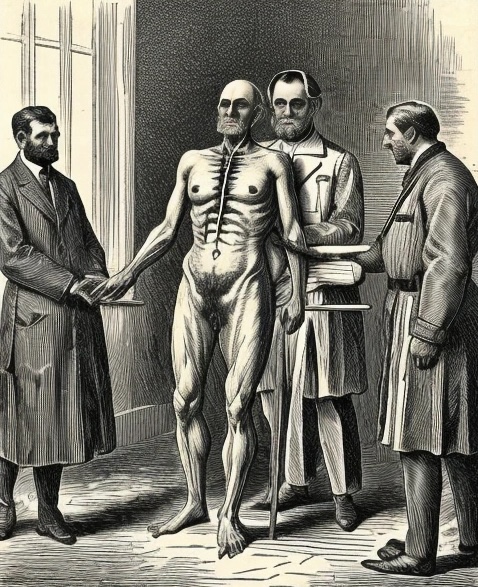

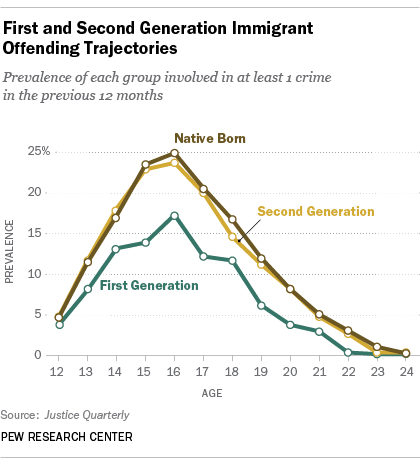


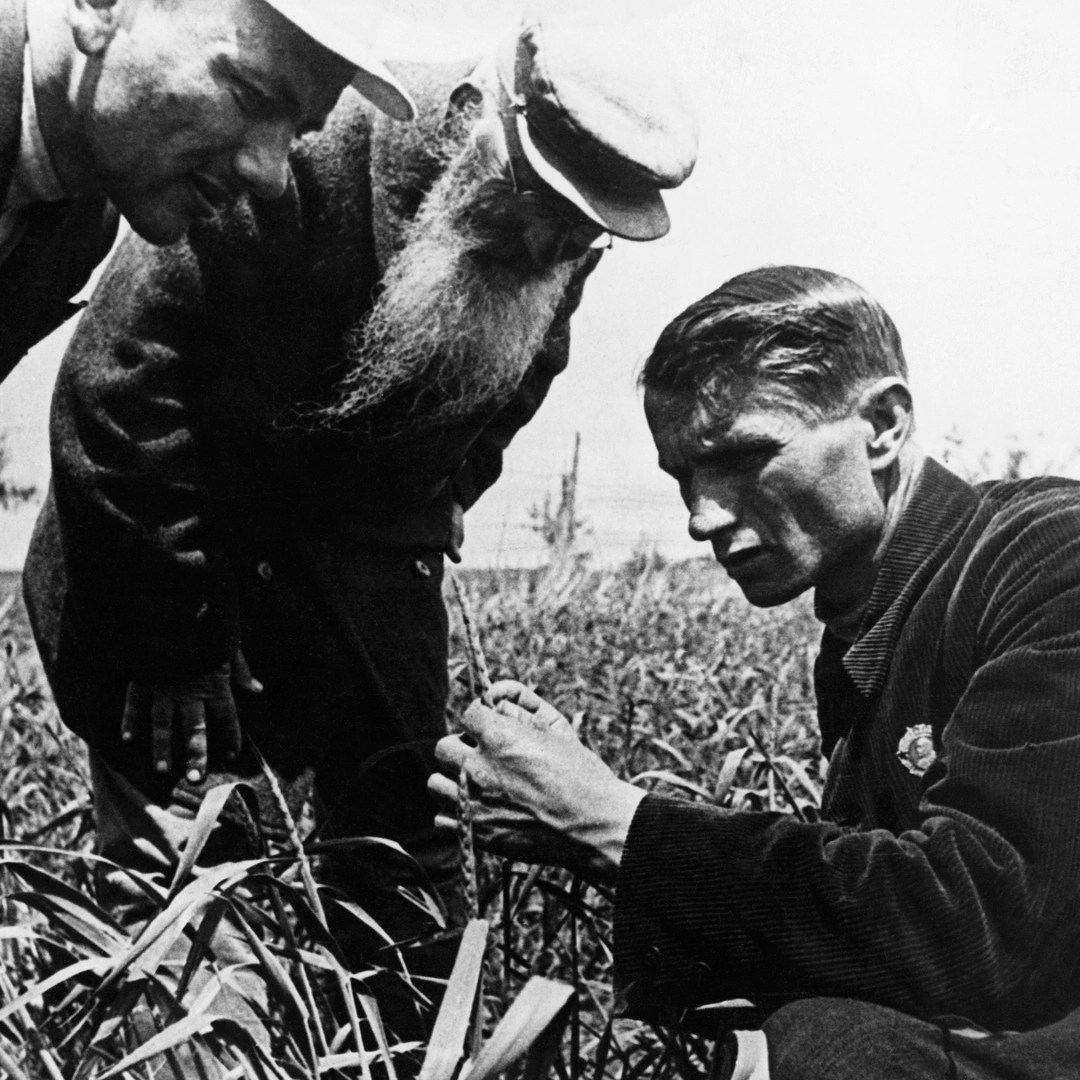




 freedom and reason