“I was gonna come here and be really fluffy and be really nice and say yeah be really lovely and queer and gay… Nah, if you see a TERF, punch them in the fucking face.” —Sarah Jane Baker
“It was an impulsive decision that I made to take a prison razor blade at 2 o’clock in the morning and to remove my own testicles.” —Sarah Jane Baker
Sarah Jane Baker, formerly Alan Baker, threatening women at a trans rally
A Metropolitan Police spokesman told the Daily Mail, “A 53-year-old woman has been arrested on suspicion of incitement to violence. She has been taken into custody.” Sarah Jane Baker, who likes to brag about being “the UK’s longest serving transgender prisoner,” as well as working as a highly-paid sex worker (he still has his penis despite being castrated), is not a woman. Baker spent thirty years in prison for the kidnapping and torture of his stepmother’s brother—and, while he was there, the attempted murder of a fellow prisoner. Baker, who has admitted to drug dealing and sex work as well while behind bars, and who had prior robbery convictions before the kidnapping and torture charge, was released into the general population in 2019 after authorities provided him with estrogen and a £10,000 (around 13,000 in US dollars) “sex change” operation—all at the taxpayer’s expense.
BREAKING: A trans activist who called for violence against women critical of gender ideology at a Trans Pride rally in London last week has now been arrested.
Sarah Jane Baker has previous convictions for kidnapping and attempted murder. pic.twitter.com/G2tdy0w3N1
Baker, who admits to being diagnosed with a personality disorder (borderline) that features impulsivity, has been arrested again, this time for calling for violence against women critical of gender ideology at a “trans pride” rally in London. This is who Baker was referring by “TERF,” i.e., trans-exclusionary radical feminist, a derogatory term used by trans activists to incite violence against feminists and lesbians defending sex-based rights. As he was being arrested, Baker chanted the slogan “Trans rights are human rights.” “Trans rights” is a propaganda term designed to manufacture the appearance that those identifying as such are deprived of rights recognized for other individuals. Baker and his ilk are often called TRAs, or trans right activists, because of this claim. But what rights do trans-identifying people have that others don’t have? I do not have the right as a man to invade women’s spaces. However does identifying as a woman change anything? It can’t if reason prevails.
If a call for violence is getting cheers from the crowd, there’s something rotten in your movement. pic.twitter.com/dKVlxjJHY3
Baker’s defenders, for example Peter Tatchell, an apologists for pedophilia whom the press identifies as a “human rights campaigner,” have said that one person doesn’t represent the crowd. Baker doesn’t speak for all TRAs, we are told. But I have seen video of the rally and the crowd cheers Baker on. I share it above. Baker is seen waving an anarchist flag and wear the pink and blue trans flag as a cape. Baker is not alone in inciting violence against women; I have seen numerous videos of activists calling for violence against women—and many videos of activists physically assaulting women and men in the name of “trans rights.” Little is done in these cases by authorities. In fact, the Metropolitan Police had previously declined to investigate Baker despite receiving multiple reports from concerned women. They were compelled to reopen the case after a concerted effort by the public to force the police to take action.
Although the construct “trans rights,” is a propaganda term, rooted in the myth of gender identity, the sex-based rights of women are very real, recognized because of significant grouped differences between males and females, as well as the thousands of years of male predation on women with the rise of patriarchy. The rights that are being violated in this struggle include the right of women to have spaces where they can be safe from the presence of males. Baker, like many trans women (see the video What is a Woman: Wrong Answers Only), are misogynists whose existence is consumed by intent to hurt women and erode their rights. This even extends to the trans women themselves who make videos asking viewers to choke them, punch them, and rape them.
The uptick in the frequency of the term “groomer” occurring several months ago is associated with criticism of the practice of exposing children to sexualized themes at drag shows, where children watch and even interact with adult entertainers, the proliferation of drag queen story hour programming, typically with readings about matters around sexual activities and identities, and curricula and classroom discussions about sexual and gender matters that intend or at least function to disrupt the development of the child’s perception of gender.
The signing of the HB 1557, the Parental Rights in Education Act, into law, March 29, 2022
Those who use the term in association with those things are scolded and social media has been aggressive in punishing those who raise consciousness about grooming. “Grooming,” the scolds insist, only refers to the behavior of sexual predators seeking children to molest; it doesn’t apply to drag shows or classrooms festooned with pride and transgender flags. Those who disagree are censored, de-platformed, harassed, marginalized, punished, and even targeted with violence. The reaction is telling; the organized effort to suppress the use of the term comes with growth in the scope of sexualization of children and the increasing frequency of grooming behavior.
In February of this year, I penned a blog on grooming that was built around cases reported in the news that indicated the problem. There, I argue that grooming is not only the activities of sexual predators but also the process by which individuals are induced into joining cults, as well as exploited by fraudsters. (See Seeing and Admitting Grooming.) A glitch prevented that essay from being posted in real time. Given the botched rollout, considering Twitter’s recent high-profile streaming of Matt Walsh’s What is a Woman? which I recently viewed (see Scientific Materialism and the Necessity of Noncircular Conceptual Definitions), and with the film The Sound of Freedom, a true story film that exposes the realities of child trafficking generating remarkable apologia from corporate state media, I thought it would be helpful to distill from that February blog a summary of my analysis of grooming sans cases and commentary. I hope this blog will be a useful guide to parents and others concerned about this issue.
* * *
When talking about a sensitive matter such as child sexual abuse and sexualization, one expects that people want to know one’s background and expertise. Why am I qualified to address this issue? While I could appeal to being a parent, I think just being a moral and reasoning human being qualifies me to speak about the practice of manipulating and exploiting children. This sentiment was expressed well by Walsh at the 5:32 mark of his interrogation by Tennessee’s House Health Committee about a bill that would ban minors from receiving puberty blockers and other “gender-affirming care.”
This should be cued to the 5:32 mark. If not, just scroll forward to hear the bit I reference.
But if being human is not enough, the reader might appreciate that I have an advanced social science degree with a specialization in criminology from the flagship campus of University of Tennessee at Knoxville. I have taught courses in criminology, criminal justice, and juvenile delinquency for more than a quarter of a century at different universities. In 2004, I published a scientific article in the Journal of Aggression, Maltreatment & Trauma concerning the life-course effects of child sexual abuse. In 2014, I wrote the entry “Child Sexual Abuse” in Sage’s Encyclopedia of Social Deviance. Moreover, I have taught courses, given talks, and published essays on the sociology of religion, which qualifies me to speak about the related phenomenon of cult induction, which the sexual grooming of children under the LGBTQ banner not merely strongly resembles; the methods for both grooming children for sexualized exchanges and agendas and grooming individuals for induction into cults are essentially the same.
This is Sheboygan South High Schools’ library, where the gender ideology flags, signed by students and teachers, are prominently displayed
* * *
Child sexual abuse is a form of criminal deviance involving inappropriate contact with an adolescent or a child. Child sexualization refers to the process of portraying or treating children in a sexualized manner beyond their developmental stage and age-appropriate boundaries. It involves the objectification and sexual objectification of children, where their appearance, behavior, or characteristics are emphasized in a way that is primarily focused on their sexual appeal and identity. Child sexualization can occur through various means, such as clothing choice, explicit conversations and interactions, as well as advertising and other media representation.
Child sexual abuse and the sexualization of children are serious problems that carry profound and long-lasting effects on their victims. The effects of childhood sexual abuse may take the form of psychological maladies and conduct disorders that obscure the initial trauma, often compounding with the unfolding of time. Childhood sexual abuse is associated with continuity in sexual and other forms of victimization over the life course. Sometimes children don’t realize they have been molested until later in the life when they are old enough to understand what happened to them or learn that what happened to them was sexual abuse.
Child sexualization is harmful and inappropriate as it undermines the healthy development, safety, and well-being of children. It can lead to numerous negative consequences, including distorted self-image, emotional and psychological harm, and low self-esteem. Child sexualization is further associated with sexual abuse and exploitation. If readers are wondering why so many girls are terrified of puberty, it is in part because of the way they are sexualized by the adults around them. It is essential to protect children from such practices and create an environment that promotes their healthy growth, where they are respected and treated as individuals deserving of dignity and protection, where they can live in the real world unclouded by the deception and lies of those who wish to use them for their own purposes.
There are several factors that play into the severity of the impact of sexual abuse. These include the duration, frequency, and intensity of the abuse, as well as the perpetrator-victim relationship. The evidence indicates that the earlier authorities find out about the abuse and address it the more positive the post-abuse experience, displaying fewer of the long-term consequences of abuse. A child’s temperament, a major component of which is resilience, plays a significant role in recovery. For example, children with low self-esteem are prone to suffer more than those who have high self-esteem.
Children often blame themselves for sexual abuse perpetrated on them, which not only makes it less likely that they will disclose the event or the process but makes it more likely that their trauma will remain unaddressed. There is also the problem of internalization of the sexual norms of abusers, which may cause the victim to rationalize the abuse. Failure to address sexual victimization can perpetuate the patterns of interaction that contributed to the initial event. My own research findings suggests that the likelihood of future sexual victimization, even into adulthood, is greater among those who have abused in the past. This is a process criminologists refer to as cumulative disadvantage.
As noted, some victims of child sexual abuse and child sexualization display few if any obvious consequences. However, the absence of outward manifestation of abuse does not mean that there are no less obvious or latent effects. The traumatic effects of childhood sexual abuse are recorded in numerous and serious psychiatric conditions, including anxiety, cutting behaviors, depression, drug seeking and taking, eating disorders, post-traumatic stress disorder, and various behavioral problems coded as conduct disorders, as well as withdrawal from social activity and frequent and intense associations with antisocial circles. It is therefore imperative for parents and others who safeguard children be on the lookout for signs of abuse and sexualization so they can intervene early or even stop the grooming before it starts. They should work with children to raise their self-esteem and steel them against those who would prey on their vulnerability and rob them of their innocence.
* * *
The popular impression of the phenomenon is that it involves anal, genital, and oral penetration using the penis, as well as anal and genital digital penetration. Also considered serious are acts of fondling a child’s breasts or genitalia with sexual intent and genital contact without penetration. These are defined as touching offenses. Use of a child in sexually exploitative activities, such as pornography, can either be a non-touching offense or touching offense depending on the circumstances. However, other acts are often and should be included in the definition, including indecent exposure, exposing a child to pornography and age-inappropriate sexual ideas, materials, and practices, and facilitating or sexual relations between minors, all acts of sexualizing children. Research indicates that all these situations put children at risk for emotional and psychological trauma. Reducing child sexual abuse to child molestation obviates the full scope of the phenomenon and harm to children.
Another popular impression of the phenomenon is that the abuse involves a minor victim and an adult perpetrator with the operative mental image of a strange adult male using his physical size or position of authority as an adult to coerce a child into an encounter of a sexual nature. A more accurate understanding incorporates situations of trust and ties of affection, thus moving conceptualization away from the stranger-predator assumption. Research finds that most perpetrators are individuals close to the child, including members of trusted institutions, such as those actors found in educational and religious institutions.
It is furthermore a misconception about child sexual abuse that it typically involves physical force. Physical force is usually unnecessary when the child is being abused by a person she trusts and, especially, an individual for whom she expresses affection. Grooming tactics have developed the minimize the use physical force. Indeed, the stealth of grooming often makes it appear that children voluntarily participate in sexual encounters.
That children appear to voluntarily participate and even desire intimate contact with adults is used by pedophiles to normalize their behavior. We have arrived at a point in the arc of the gender ideology project where perpetrators and their allies moving beyond stealth and working openly to make the practice of child sexual abuse and sexualization an acceptable practice. This appearance has led queer theorists to treat adult-child encounters as matters of consent.
This is not a new development, of course. Pat Califia remarked in 1982, “Any child old enough to decide whether or not he or she wants to eat spinach, play with trucks or wear shoes is old enough to decide whether or not she wants to run around naked in the sun, masturbate, sit in someone’s lap or engage in sexual activity.” What we are seeing is the project mainstreaming Califia’s sentiments, for instance in renaming of pedophiles “minor attracted persons,” or MAPS, increasingly paired with the label “adult attracted minors,” or AAMs. (I have a major essay pending that takes a deep dive into the history of queer theory and pedophilia.)
This is why grooming behavior is so important for parents and others to see and admit. A child cannot today consent to engage in sexual activity and people need to see the signs that indicate a predator or a grooming situation so they can fight against the movement to openly sexualize children. However, this awareness is not just to combat child sexual abuse as popularly understood. A corollary to the established fact that children cannot consent to sex is the fact that children cannot consent to puberty blockers or other medical-industrial practices that go under the Orwellian euphemism “gender affirming care,” or GAC. These practices include such extreme procedures of breast amputation in girls and the castration of boys. More extreme non-medically necessary surgical procedures of phalloplasty and vaginoplasty occur in adulthood, procedures often sought after years of preparation in childhood.
* * *
Given the horror of all of this, why is there a concerted effort to blind the public to the presence of grooming, an effort that has been rather successful given the decline of the term since its peak use several months ago.? Prior to Elon Musk’s takeover of Twitter, tweets about grooming and groomers, even absent references to drag queen story hour and other public activities designed to entice children into the world of adult sexuality, were banned as a form of anti-LGBTQ “hate speech”—this despite opposition by many homosexuals, and even some prominent trans identifying persons. e.g., Blaire White and Buck Angel, to the sexualization of children.
Last year at this time, Twitter confirmed the term “groomer” was banned speech citing the company’s Hateful Conduct policy. Spokespersons for Twitter explained that the social media platform was following the lead of other platforms like Facebook, Reddit, and TikTok, which banned the term when used to suggest a link between the LGBTQ community and pedophilia. Most recently, Twitter de-boosted Walsh’s What is a Woman? claiming that it was “hate speech” until Musk pushed out the movie using his own Twitter feed.
“We are committed to combating abuse motivated by hatred, prejudice, or intolerance, particularly abuse that seeks to silence the voices of those who have been historically marginalized.” Lauren Alexander, Twitter’s health product communications lead, said in an email addressing the banning of the term “groomer,” during the pre-Musk era. “For this reason, we prohibit behavior that targets individuals or groups with abuse based on their perceived membership in a protected category.” This policy has been changed, but the Walsh incident tells us that some at Twitter are still attempting to reign in awareness of LGBTQ child-centric activities.
In effect, then, social media has collaborated with those who deny grooming behavior when occurring under the cover of LGBTQ activism. While care should be taken in attributing to all members of that community the actions of some who rationalize their behavior (and whether LGBTQ is a community at all has been cogently challenged by openly gay social critics Douglas Murray and Andrew Sullivan, among others), one must also be wary of rationalizations that falsely appeal to civil and human rights. A person engaged in sexualizing children cannot escape criticism of his arguments or responsibility for his conduct because he claims that he is a member of a protected category.
I ask you to consider whether there any other type of criminal or harmful conduct the consequences of which an individual is allowed to escape because his status redefines his conduct as no longer what it is? Wouldn’t such a move effectively normalize and even mainstream criminal or harmful conduct? Isn’t that the work trans activists have already been doing? If the sexualization of children is wrong when so-called cis-gendered heteronormative individuals do it, then it is just as wrong when transgendered and homosexual individuals do it. Yet, the horror correctly expressed by progressives at the sight of child beauty pageants, and discomfort at the thought of minors at clubs for straight adults, disappears when boys perform as exotic dancers for adults in gay bars. Indeed, these acts of extreme sexualization become celebrations of “pride progress” and “queer joy.”
As noted at the start of this essay, while grooming is a manipulative process used by sexual predators, including pedophiles, to gain the trust and compliance of their victims, it is also characteristic of cult induction. The steps involved in both, as well as in human trafficking and online predation, are highly similar. Indeed, given that pedophilia, and paraphilias more generally, comprise a deviant subculture, i.e., a group exhibiting characteristic patterns of behavior sufficient to distinguish it from others within a greater culture or society, pedophilia is often not merely analogous to other forms of child exploitation, but a major element across phenomena.
* * *
What concerns parents and others is that the typical age of the children involved in these activities is between four and eight years old, as well as widespread acceptance of gender ideology in public and private schools, principally queer theory, an ideology founded by intellectuals and activists preoccupied with the sexuality of children and the removal of age of consent laws restricting adult-child sexual interaction (I have a pending blog on this subject). Children are incapable of abstract and even consequential thinking at this age (many remain incapable well beyond this cohort). At age four, children are just beginning to the develop theory of mind, where they can see the world from the perspective of others, as well as internally represent the world through language and mental imagery. This is a critical phase in childhood development, as it is only towards the end of this period, around age eight, that children can confront the world with the understanding that the objects and relations in it are real and possess the ability to differentiate between those things and things that are not real.
What is internalized during this stage of development makes up fundamental assumptions about the world, such as a falsity of the Santa Claus and other obvious fictions and the “truth” of God, also a fiction. Children start doubting, often at the encouragement of their parents, the existence of Santa and the Tooth Fairy around the ages of six or seven. By age eight, most no longer believe in such things. However, many families do not allow the children to doubt the existence of God. Belief in this fiction is reinforced across the life-course. That a child can be convinced to believe that the thing she will never sense is the most real thing in the world tells us that a child can be made to believe anything.
Exposure to sexualized materials is for this reason age-inappropriate, whether as untruths or problematic conceptions about the world or manipulation, may be placed in the child’s head and continually reinforced by authorities in the child’s surroundings, including language and images coming from virtual sources, such as Disney and other fantasy programming. Indeed, media appealing to children (cartoon characters, ponies and unicorns, rainbows, etc.) are effective vehicles for colonizing children’s pre-rational minds with language and imagery designed to implant ideological beliefs and political agendas. (I should note that The Sound of Freedom was shelved for several years after Disney bought the 20th Century Fox movie studio that was set to distribute the film back in 2019.)
It’s not Disney executive producer Latoya Raveneau “not so secret gay agenda” that’s the problem. There’s nothing wrong with homosexuality. It’s the act of “adding queerness” wherever she can to is at issue. Queering is a political agenda designed to disrupt perceptions of gender and transgress sexual boundaries, in this case, the perceptions that children have about the word by intentionally sexualizing their experiences. As Murray, Sullivan, and other gay and lesbian observers have stressed, homosexuality and queerness are very different things. One is a sexual orientation. The other is a proselytizing program. The gays rights struggle was a struggle for equal rights. The queer project is a cult that seeks members.
Continually reinforced and forbidden to question or criticize, the ideas that inhere in queer theory become assumptions that inform and shape thinking into adulthood. This is well understood. Yet sexualized curriculum is being aggressively pushed in schools and other public activities across the country, pushed in classrooms festooned with the symbols of ideological and political commitments. One need not ask, to what ends? The end is obvious—it’s to change the way we think about sex, gender, and boundaries rules. Queer theory makes no secret of this. This is not is conspiracy. It’s in our faces.
What does the science tells us? Gender identity, that is the understanding that boys are boys and girls are girls, develops in stages. At around age two children become aware that there are boys and girls. Before the age three, they identify themselves as a boy or a girl. They recognize that there are physical differences. Boys are not girls because boys are different from girls. Boys can’t be girls for the same reason. Children are adamant about this, and their intuition is an evolved trait (see Neutralizing the Gender-Detection Brain Module). It’s why they ask whether a person is a boy or a girl when their gender is ambiguous. By age four, most children have a stable sense of their gender identity. They know all this without any help from adults.
However, and this is the crucial piece to understand, especially since this was not a problem until yesterday, this sense may be disrupted by throwing into question what is otherwise a normally occurring understanding (one with evolutionary force). It is in this critical developmental period of ages four through eight that children learn to doubt the things that occur to them or that they have been told. I explained this earlier when I wrote that children can be convinced there is a god when their doubting of fictional things emerges. This tells us that children are vulnerable to the introduction and incorporation into their system of assumptions beliefs that are not naturally occurring, that would not normally occur to them, or that would be abandoned with cognitive development. God is an external imposition that can nonetheless become as real in a child’s mind as anything. The same is true with gender ideology. And this is why groomers and cultists (and the Chambers of Commerce’s Junior Achievement programmers) want access to children during this crucial stage of development. Because of their vulnerability during this period, children accept and often believe impossible things—and continued believe in the impossible makes their parents vulnerable to believing impossible things.
It is typical of the grooming argument that transcultural/historical indicators of innate gender sensibilities represent a problematic grand narrative, that really gender is culturally and temporally circumscribed activities and genders, gender is not sex, thus denying that children are their bodies, but an expression of some transcendent essential self, what is often referred to as the “authentic” or “true self.” (In truth, sex and gender are the same thing. See Sex and Gender are Interchangeable Terms.) Groomers, desperate to get to children with sexualizing language, argue that keeping kids away from discussing gender identity confuses them about their own sexuality. In fact, it is the other way around. Groomers attempt to establish a self-fulfilling prophecy and then reverse the order of events. It is denied that telling them they may not be the gender their sex indicates is confusing and casts it instead as acknowledging and affirming. This is how, while compelling a gay boy to be straight via conversion therapy is wrong, it is not considered conversion therapy to compel a gay boy to identify as a girl. Obviously transitioning gender is a form of conversion therapy, on that is profoundly patriarchal and heterosexist. This contradiction escapes people because they have been conditioned with prior false assumptions and, also because because of party and tribal affiliation, have a priori accepted the validity of gender ideology.
* * *
As we go through the process of grooming, keep in mind what we are witnessing in public school classrooms across America. Everything a groomer does to secure a victim is what administrators and teachers do under the cover of LGBTQIA+ acceptance. For example, victim isolation, which I discuss below, in the public school context involves hiding from the parent the transitioning of the child. In an increasingly common occurrence, parents are chagrin to learn that the school has been “transing” the child, using different names and pronouns for their child, even keeping on hand clothes and accessories for the child to pretend they are not the gender their parents know them to be. Tragically, some parents are shamed into silence when they learn about this. But some parents complain. When attempts are made to stop this practice, the groomers appear before school boards and angrily decry the safeguarding measures. Some wail about “trans genocide.” The intersection of grooming and cult induction could not be more obvious in the way the gender ideologists come after children in public schools. Indeed, their hallways and classrooms festooned with flags and placards, their libraries filled with propaganda (often supplied by activists organizations such as GLSEN), public schools have become cult induction stations.
The stages of grooming can vary, but are commonly recognized as targeting, trust (or confidence) building, need filling, and victim isolation. The predator selects a potential victim and begins to gather information about them. The potential victim is often near, either a member of a church congregation or a student in the classroom. The predator looks for those who are vulnerable children, those who suffer emotional and psychological difficulties, as well as problems in social relations, such as being teased or bullied by other kids. This is targeting. The predator gains the trust of the victim by offering attention, affection, and sometimes gifts. The predator identifies and fills a need in the victim’s life, such as emotional support, friendship, or material goods. This is trust building. If the victim feels alienated from family and friends, the predator portrays offers himself as a substitute of the replacement for those relations. A predator might tell a child, for example, that she is now the child’s mother. This is called need filling. Need filling often include manufacturing the need by alienating the child from parents and peers, by creating separation. The predator may try to isolate the child from their family or friends, making them more vulnerable to abuse. The alienation experienced by the child may be the work of the predator isolating the child. This is the process of victim isolation. The predator sexualizes the relationship by gradually introducing sexual language, images, or behavior into the relationship.
Grooming can occur in person, online, or through a combination of both. Groomers may be strangers, but they are more typically somebody who knows the child, such as a priest or a teacher. In exchange for sexual and sexualized activity, groomers exploit the child’s trust and use manipulation and deceit, such as giving the child attention or recognition. Grooming can occur over an extended period, with the abuser gradually increasing the frequency and intensity of the exchanges. Drawing upon the above list, some of the hallmarks parents should look out for: fake trustworthiness, which involves befriending a child to gain trust, as well as gaining the confidence of the child’s caregivers, blaming and confusing, filling needs and roles appropriate to family, intimidation, keeping secrets, often around children, children become part of the abusers his persona, sharing sexual images and materials, suggesting difficulties and insecurities, testing and crossing physical boundaries, such as discussing sexual matters or playing sexualized games, treating the child as if he is older or more mature than he is. Again, we see all this happening in openly in public spaces going under the name of “Pride.”
I have been noting throughout this blog the intersections of grooming and cults. Cults use a variety of tactics to induce or recruit individuals, including deception, manipulation, and persuasion. They may use emotional appeals or promises of spiritual fulfillment. They tell you you’re broken and then promise to fix you. They deploy a range of psychological manipulation tactics such as control over information, isolation, and love bombing. Cults prey on individuals who are vulnerable, such as those who are going through some life changes or who have trouble at home. Keeping secrets with targets and concealing activities from family members are typical tactics for developing influential relationships.
Part of the failure to see the agenda of gender ideologists is that it is so open. The popular perception of grooming is that it is difficult to detect, as the abuser typically works to conceal his actions. Moreover, the child may be reluctant to report the abuse—indeed, the child may not even realize he is part of a sexualized exchange. He can then become resentful when his sexualization is confronted. Grooming may also be difficult to detect because the parent may not recognize the signs of grooming. Here’s trusting one instincts is the right choice; if the situation of an adult with your child doesn’t feel right, then you need to remove the children from the situation. But some people are reticent to jump to conclusions. They are afraid of judging others. Grooming may also go unacknowledged by an adult because her political commitments disrupt her more sensibilities. The problem of grooming may be most difficult to see in the educational setting. Education is a strong value in the West and teachers enjoy high prestige. It is even harder to see how curricula and choice of instruction may function systemically as a form of grooming. This is how the queer agenda operates in the open: it feigns virtue.
I want to emphasize how important it is to recognize that children don’t think consequentially until they are around ten years old. Children in grades 4K-3 are not logical thinkers and their conscience is undeveloped. Considering these vulnerabilities, it’s important to recognize that teachers have an outsized effect on what children believe and how they behave. Words and actions build in assumptions that shape the thinking of children going forward. Indeed, the grades 4K-3 are a critical period in childhood development. If the cult gets to your children early, and convinces them to believe that it is actually possible for a gender to be trapped in a wrong body, an utterly supernatural and irrational belief, then, like belief in God, the belief will persist as deep cognitive and emotional structures that shape behavior patterns and relationships across the life course. And if the physical transitions of the child follows, they will never live a normal life.
It is therefore imperative parents get involved in the curricular and pedagogical developments and practices affecting their children. What and how are teachers being trained to teach? What politics become embedded in teacher training? What’s the lesson plan and what’s in the lesson? What books are assigned? What type of person is drawn to teaching? Do they have an agenda? What are their beliefs? Most teachers have only a bachelor’s degree; are they actually qualified to mold a child’s social and emotional selves and according to doctrine? Which doctrine? That parents are being told or that it is said behind their backs that they should leave all that to administrators and teachers is outrageous and dangerous. The reality is that public school teachers are line workers in an industrial process of education where corporate state administrators develop and impose curricula on children designed to prepare them for life in corporate bureaucracies. Children are taught to follow orders, not challenge authority, and teachers are trained to entertain children in such a manner as to short-circuit their critical thinking abilities and increase the likelihood that students will fall in love with the teacher. The system is set up for grooming.
Grooming behavior can be used by individuals who seek to gain trust and control over others in a variety of contexts beyond pedophilia (and queer theory and its praxis are at heart manifestations of pedophilia and paraphilias more broadly). Human traffickers use grooming tactics to lure and control their victims, promising them a better life or opportunities that they may not be able to access on their own. Many of those coming across the southern United States border are the victims of groomers who make money off of human trafficking, as well as using the children for sexual gratification. Human trafficking is facilitated by churches, NGOs, corporations, and the governments, including the Biden administration. Cult leaders use grooming behavior to recruit and control members, isolating them from their family and friends and gradually introducing them to the group’s beliefs and practices. Online Scammers use grooming tactics to build trust with their targets, gradually introducing them to more elaborate schemes and eventually defrauding them of their money or personal information.
The grooming process typically involves a gradual and systematic manipulation of an individual’s thoughts, feelings, and behaviors, which serves to increase the person’s emotional dependency on the group and its leader. Cults use a variety of tactics to initiate the grooming process, such as offering friendship and support, providing recruits with a sense of belonging and acceptance, which can be especially attractive to those who feel isolated or disconnected from others. Groomers provide an explanation for suffering and then prey on the desire for salvation and purpose by offering what sounds to a confused mind—minds they often confuse—a compelling vision for the future, promising members a meaningful and fulfilling life as part of the group.
Cults isolate members from the outside world by restricting members’ access to information and contact with family and friends outside the group, which can serve to create a sense of dependence on the group and its leader. Cults controlling access to information using a variety of tactics to control what members read, watch, or hear, by creating a highly controlled environment where the group’s beliefs and practices are the only acceptable truth. Those who contradict the doctrine of the cult are accused of bigotry, hatred, etc. As the grooming process continues, members may become increasingly committed to the group’s beliefs and practices, even when these beliefs and practices may be harmful or dangerous. This is because the grooming process is designed to create a strong emotional bond between the member and the group, which can be difficult to break.
Gaslighting is often used as a technique in grooming. Gaslighting is a form of psychological manipulation in which a person or group makes someone question their perception of reality, memory, or sanity. This can involve denying or twisting the truth, making the victim doubt their own judgment, and making them feel like they are going crazy. Gaslighting is be used by groomers to control and manipulate their victims. For example, a groomer may use gaslighting to make their victim doubt their own intuition about the relationship, making them feel like they are overreacting or being overly suspicious. This technique can also be used on parents. Doing this, the groomer may be able to convince the victim to overlook warning signs and stay in the abusive relationship. Gaslighting is used in cults and other groups to control members and maintain group cohesion. For example, a cult leader may use gaslighting to convince members that their doubts and concerns are unfounded, and that the group’s beliefs and practices are the only valid truth.
Transgressing norms is a tactic in grooming. Groomers may use a variety of techniques to push the boundaries of social norms and acceptable behavior. By transgressing social norms, groomers can make their victims feel like they are participating in a secret or taboo relationship, which can create a sense of intimacy and trust. This can make it more difficult for the victim to recognize and report the abusive behavior, as they may feel like they are complicit in the transgression. Groomers may test their victims’ boundaries by engaging in behaviors that are slightly outside of their comfort zone. For example, a groomer may make a sexual comment or gesture to gauge the victim’s response and see if they are receptive to further advances. This is boundary testing. Groomers may gradually expose their victims to increasingly inappropriate or sexually explicit content or behaviors, with the goal of desensitizing them to the behavior and making it seem more normal or acceptable. This is known as desensitization: Groomers may try to convince their victims that the behavior they are engaging in is acceptable or even desirable, despite being outside the boundaries of social norms. This can involve using flattery, reassurance, or emotional manipulation to convince the victim that the behavior is not wrong. The is normalizing deviant behavior.
Sexualization is often used as a strategy in grooming. This is the main strategy of the gender ideology cult. By sexualizing the relationship, groomers make the victim feel like they are participating in a secret or taboo relationship, a special relationship, which can create a sense of intimacy and trust. Since dominant voices tell parents that it is wrong to teach children to be aware of this when it comes to LGBTQIA+ activities, the secret or taboo relationship is perceived not as a threat but as a welcoming to a legitimate world, one where they will feel welcome and loved. The world is full of stickers, rainbows, and stuffed animals, glitter, reflective surfaces, and multicolored light strips, costumes, chokers, and cat ears. The children are flattered and showered with attention, making them feel special and desired, deepening the sense of intimacy and trust. Groomers use gifts or other rewards to reinforce sexual behavior or to make the victim feel indebted or obligated to the groomer, even thankful for the opportunity to be their authentic selves. Groomers expose their victims to sexual content, pornography, explicit images or videos, and sexual conversations, with the goal of normalizing sexual behavior and desensitizing the victim to sexual content. Groomers may use emotional manipulation, threats, or coercion to pressure the victim into sexual behavior, or to keep them from disclosing the abuse and sexualization to others.
“In the state of Georgia, Spelman College is a historic Black [sic] college and university, an HBCU. It has no diversity. And by that I mean that all the students at Spelman are women. All of the students at Spelman are African American,” Edward Blum notes in a New York Timesinterview. “These are African American women that want to go to this college knowing that there is no skin color diversity or sex diversity at their college,” Blum explains. “This is where they want to go.”
Edward Blum, the man who killed affirmative action.
Edward Blum is the man who just won just won his case at the Supreme Court against Harvard and the University of North Carolina in a decision that effectively ends affirmative action policies in American college admissions. Blum has been working toward the end of race-based admissions in higher education for years, bringing his first case before the Supreme Court in 2012 with Fisher v. University of Texas. After he lost that case, the 71-year-old legal activist founded a group called Students for Fair Admissions, and tried again. This time he prevailed.
As for Spelman College, so much for diversity. It’s a scam. They’re dividing us by race. Who are those who are dividing us by race? Progressive elites. The Democratic Party. The administrative state. Corporations. Elite institutions cherry pick tribal leaders, token members of recognized and elevated groups the corporate state wishes to pull into the hegemonic political culture to manufacture organic control over society.
It’s obvious that the elite have no interest in pulling into this system poor black and brown people. A system based on social class would result in an overrepresentation of black and brown students at elite colleges and universities. That’s because blacks and brown are overrepresented among the poor. This would raise new problems, to be sure. Poor black and brown students are ill-prepared for the rigors and standards of elite colleges and universities, expectations and criteria that are being watered down or eliminated. But one need not worry about that. Affirmative action was never really based on righting historic wrongs. It followed the abolition of American apartheid for a reason; race-based control over populations is too effective a strategy to relinquish. The elite are interested in the minority children of the professional-managerial strata, especially the offspring of the black intelligentsia. Affirmative action, DEI (diversity, equity, and inclusion), the proliferation of ideological degrees, such as African-American studies, and all the rest of it are components of a racial control strategy.
As political scientist Adolph Reed, Jr., put it so well in “Antiracism: A Neoliberal Alternative to a Left,” published the May 2018 issue of Dialectical Anthropology: “At a 1991 conference at the Harvard Law School, where he was a tenured full professor, I heard the late, esteemed legal theorist, Derrick Bell, declare on a panel that blacks had made no progress since 1865. I was startled not least because Bell’s own life, as well as the fact that Harvard’s black law students’ organization put on the conference, so emphatically belied his claim. I have since come to understand that those who make such claims experience no sense of contradiction because the contention that nothing has changed is intended actually as an assertion that racism persists as the most consequential force impeding black Americans’ aspirations, that no matter how successful or financially secure individual black people become, they remain similarly subject to victimization by racism.” Reed charitably adds, “That assertion is not to be taken literally as an empirical claim, even though many advancing it seem earnestly convinced that it is; it is rhetorical. No sane or at all knowledgeable person can believe that black Americans live under the same restricted and perilous conditions now as in 1865.” Obviously.
Of course, as Reed points out, things had to have changed for Bell’s rhetoric to have any force. At least some things changed. The need to corporate elites to control the masses did not, and, as noted, racism remains a powerful weapon in the arsenal of control, so the practice of exclusion and subordination to which 1865 brought an end was eventually replaced by a system of patronage and co-optation—after Jim Crow could no longer cling to legitimacy. The new method of race and ethnic control is not new, of course. This is the way hegemony is practiced around the world and has been for thousands of years. This is the work of empire. It signals that what pretends to be the American republic has jettisoned its democratic creed and shifted to a strategy of administrative control and bureaucratic management, a strategy legitimated by a false rhetoric of diversity, equity, and inclusion.
To provide a contemporary third world example of the strategy under analysis, in Jordan, a country in which I spent some time in teaching at the United Nations University (see my lengthy blog entries Journey to Jordan, November 2006 and Journey to Jordan, April 2007), the Jordanian King, Abdullah II bin Al-Hussein, a member of the Hashemite dynasty, the reigning royal family of that country since 1921 (Jordan became a country on May 25, 1946), incorporates influential members of the various tribes that make up Jordanian society into the national leadership structure, which he can then use to exercise indirect control over those populations. One of the values of the historical-comparative method is that it allows the thinker to consider the way control systems work across different cultural and historical contexts.
Despite its degree of modernization (a bicameral parliament consisting of the house of representatives and the senate, with members of the house elected through a mixed electoral system which allows citizens to participate in the political process), Jordan retains significant tribal elements, and tribal affiliations continue to play a role in the social and political fabric of the country. Tribalism has deep historical roots in Jordan, and tribal networks and loyalties influence various aspects of Jordanian society, including economic, political, and social relationships. Tribes in Jordan are organized around kinship ties, with a hierarchical structure and a prominent tribal leader. These tribal affiliations are based on common cultural traditions, land ownership, and shared ancestry. In the political sphere, tribal connections impact electoral dynamics and political representation. Tribal leaders and influential figures play a role in mobilizing support and endorsing political candidates during elections. Political parties in Jordan maintain ties with tribes and seek their support to secure electoral success.
In terms of social relationships, tribal affiliations shape interpersonal networks and influence access to resources and opportunities. Tribal identity carries implications for education, employment, and social mobility, particularly in areas where tribal structures are more prevalent. Not all Jordanians identify strongly with tribal affiliations. Education, modernization, and urbanization, have led to the emergence of more diverse identities and social structures, and many Jordanians prioritize national identity over tribal identity. There are efforts among these groups to foster a more inclusive and equitable society that give the appearance of a desire to transcend tribal divisions. Maintaining tribal society, indeed, reconstructing the tribal system in a way that allows that system to integrate with the Jordanian national identity, again a construct of recent vintage, is a crucial piece of the control structure. Put another way, the detribalizing force of nationalism is strategically restrained in order to maintain a fractured and thereby controllable system of triple affiliations.
The Jordanian government recognizes the significance of tribal affiliations and seeks to maintain a balance between the ancient traditions, however much reconstructed by modernity, and modernization, i.e., capitalism, as an explicit goal of economic and social development. The Jordanian state has established mechanisms to engage tribal leaders and representatives in the political process, aiming to maintain the appearance that the interests and concerns of tribal communities are taken into account in governance and policymaking. Thus the relationship between the monarchy and the tribes involves elements of incorporating tribal leadership into the government to establish national hegemony. The monarchy recognizes the importance of tribal affiliations and seeks to maintain a strong connection with the tribes to ensure their support and to foster national unity and political stability. The Jordanian monarchy has historically relied on tribal alliances and the support of influential tribal leaders to consolidate power and maintain stability. Tribal leaders serve as intermediaries between the monarchy and their respective tribes, helping to mobilize support and maintain order within their tribal communities.
To foster national hegemony and incorporate tribal leadership into the government, the state employs several strategies. Patronage and co-optation is an obvious one. The monarchy includes members of influential tribes in key governmental positions, such as ministerial positions or governorships. This practice helps ensure that tribal interests are represented within the government and allows the monarchy to maintain a broad base of support. Co-optation is institutionalized; the Jordanian political system includes mechanisms for tribal representation in the parliament. The appointed members of the Senate often include representatives from tribal backgrounds, ensuring that tribal perspectives are considered in the legislative process.In a process of consultation and engagement, the king routinely engages with tribal leaders, seeking their input and involving them in decision-making processes—obviously in a controlled way. Consultation gives the appearance that the state is hearing and addressing the concerns and interests of the tribes, enhancing their sense of inclusion and participation in the governance of the country. Addressing concerns of the tribes often involves economic and social development initiatives. The monarchy implements social and economic development projects in tribal areas, aiming to improve education, health care, infrastructure, and job opportunities. These initiatives help to alleviate economic and social disparities and address the needs of tribal communities, fostering a sense of loyalty and support for the monarchy.
I spent some time describing the Jordanian context because understanding that system helps me see how a similar process has marked certain times and places in the United States and, more broadly, the European world-system. Like Jordan, the United States was established in the context of a tribal society. Historically, in the United States, policies of forced assimilation and removal of indigenous populations were implemented, leading to significant hardships for and displacement of American Indian tribes. In recent decades, there have been efforts towards recognition of tribal sovereignty, emphasizing reconciliation and collaboration with indigenous nations. The US government has worked on initiatives like tribal self-governance and resource-sharing agreements to address the concerns and improve the well-being of the tribes. There is a nation-wide push to convey attention to the problems plaguing the American Indians—cultural preservation, educational challenges, health disparities, land and resource rights, socioeconomic inequalities, substance abuse and mental health, violence and crime—with symbolic acknowledgements of the history of colonization and the responsibility of Europeans in creating these problems.
In place of integrating American Indians into the general population, in part because of American Indian resistance to assimilation, a strategy of cooptation of leaders of the various tribes was instituted, with talent cultivated by the government for the purpose of controling Indian lands. This was what Wounded Knee in 1973 was about. The occupation of the town of Wounded Knee, located on the Pine Ridge Indian Reservation in South Dakota, was a significant event in the American Indian civil rights movement. One of the arguments put forth by American Indian Movement (AIM) leaders during the occupation was that the tribal leadership had been coopted by the federal government. There was widespread dissatisfaction among Indian activists and communities with the perceived lack of autonomy and self-governance within tribal governments. AIM argued that tribal leaders, albeit often elected officials, were nonetheless controlled by federal policies and funding, which they believed undermined the rights and popular interests of the people. AIM leaders, such as Russell Means and Dennis Banks, voiced concerns that tribal leaders had become disconnected from the needs and aspirations of their the people due to their alignment with federal policies. They argued that tribal governments had been coopted by Washington, DC, and were not or could not adequately representing the interests of their communities.
The term scholars use in the field of international political economy and social change and development (one of my areas of specialization in my PhD program) to describe the role the co-opted individuals play is colonial collaborator. This term refers to individuals who or groups that align themselves with or actively collaborate with colonial powers in various capacities. These collaborators play a role in assisting, benefitting from, and supporting the colonial enterprise, often at the expense of their own constituents. Colonial collaborators can be found in different contexts and regions around the world where colonialism takes place. They include local elites, administrators, officials, intermediaries, and individuals seeking personal gain or protection within the colonial system. These collaborators could be from the indigenous population or from other ethnic or social groups.
The motivations for collaboration with colonial powers vary. Some individuals may see collaboration as a means to gain power and privilege and wealth within the colonial system. They may seek personal advancement or protection for themselves or their families. Others may believe that collaboration will accelerate development and modernization of their communities, or lead to improved living conditions. Collaborators are rewarded with positions of authority, such as local leaders, administrators or chiefs, appointed or approved by the colonial authorities—or elected in rigged elections. They act as intermediaries between the colonial powers and the local population, facilitating the implementation of colonial policies, the extraction of resources, and the imposition of control. However, the actions of colonial collaborators, where consciousness exists, which we saw in the case of Wounded Knee, are viewed negatively by their own communities. Colonial collaborators are seen by opponents as betraying the people’s interests, contributing to the marginalization, exploitation, and subjugation of their own culture, land, or resources. Collaborators are viewed as complicit in the perpetuation of colonial rule and as obstructing efforts for liberation and self-determination—again, if enough people have awakened to create a critical mass.
The Black Panthers understood this, as well. Party theoreticians—Huey P. Newton, Bobby Seale, Eldridge and Kathleen Cleaver, Fred Hampton—often talked about how black America are treated very much like the subjects of a colonial power. The relevant concept here is internal colonialism, which refers to a theoretical framework capturing the dynamics of colonial-like relationships within a single country. the concept focuses attention on the ways in which dominant groups or regions within a nation exercise control and exploit other subordinate groups or regions within the same national boundaries. In the context of internal colonialism, the dominant group or region assumes a position of power and even authority, while the subordinate groups or regions experience various forms of marginalization, exploitation, and cultural suppression.
Key characteristics and dynamics of internal colonialism include economic exploitation, cultural suppression and marginalization, political power imbalance, and resource extraction and environmental impacts. The dominant group or region controls and benefits disproportionately from economic resources, industries, and infrastructure, while the subordinate groups or regions face economic disadvantages, limited opportunities, and resource deprivation. This can result in uneven development and persistent economic disparities. Subordinate groups or regions experience cultural suppression, discrimination, and marginalization, as their languages, customs, and identities are devalued or undermined by the dominant group or region. This leads to the erosion of cultural heritage and a loss of self-determination. The dominant group or region possesses greater political power and influence, shaping policies, institutions, and governance structures in ways that reinforce their control. Subordinate groups or regions often face limited representation and voice in decision-making processes, perpetuating power imbalances. The dominant group or region exploit the natural resources within subordinate territories, often resulting in environmental degradation and the displacement of local communities.
In order to apply these insights to the current corporate-capitalist context in the United States, to shift the focus from past colonial relations and, moreover, colonialism as metaphor, to corporate governance and the administrative management of population groups within the modern nation-state, which are the concrete sources of power in the system, one needs to adjust the language only a bit. Moreover, and more importantly, I think, the neo-Marxist critique of the system suffers from the corruption of New Left ideas that comprise an ideology that, with its emphasis on identitarianism, presents itself is divisive ideology that functions to establish a different type of totalitarian control over the population. Indeed, the surface similarities between the New Fascism of the progressive-captured corporate state bureaucracy, on the one hand, and the totalitarianism of state socialism that inspires the anti-imperialist critique, on the other hand, has led folks on both the left and the right to confuse fascism with socialism.
With this in mind, the following is an accurate empirical re-specification: Key characteristics and dynamics of corporate bureaucratic control include economic exploitation, cultural suppression, the marginalization of popular ideas, political power imbalances, and resource extraction and environmental impacts. At the bottom of the system are the proletarian masses. The dominant corporate entities control and benefit disproportionately from monopoly control over economic resources and industries, as well as command of the infrastructure, while the proletarian fractions face economic disadvantage, limited opportunity, and resource deprivation. Class relations are the source of persistent economic disparities. Proletarian fractions see their customs and identities co-opted, debased, devalued, and undermined by corporate power. These processes lead to the erosion of cultural integrity and a loss of self-determination—and class consciousness and effective political organization and mobilization. All of this is disorganizing. Corporations possess greater political power and influence, shaping policies, institutions, and governance structures in ways that reinforce their control. The proletariat faces limited representation and voice in decision-making processes, perpetuating power imbalances.
With the emergence of the corporate state, affirmative action became a progressive tool for managing the class struggle in a way similar to the previous examples—granting the historical particulars of the current situation; to be sure, concrete circumstances are variable, but the dynamics of control are highly similar across their cultural and historical instantiations; variability is explained by the particular challenges faced by actually-existing historical systems. In the US experience, the control system is seen in, among other things, the strategy of multiculturalism established by cosmopolitan elites in the early twentieth century to control urban immigrant populations and to isolate the heartland—Middle America—from decision making. The idea here is to move away from the detribalizing force of nationalism and move the West towards transnationalism via multiculturalism, which back then was called “cultural pluralism,” with culture here understood as ethnic and racial identification. Thus transnationalism is at the same time the re-tribalizing of world society. (See An Architect of Transnationalism: Horace Kallen and the Fetish for Diversity and Inclusion.) Affirmative action followed from the social logic of multiculturalism, wherein race is re-conceptualized as cultural, moved away from its original biological conception. Its recognized incompatibility with the values of individualism and equality inherent in the American Creed provides us with hope that the Creed is still alive.
The paradigm of modern tribal control by the corporate state is command of the black community by the Democratic Party and the administrative state, which is fully captured by progressivism. That this is a form of class control is seen by a cursory examination of the socioeconomic stratification internal to the demographic (this is what Reed is talking about); there is wide variability in wealth and income in the black demographic. Well-off blacks are incorporated into the structure of power through affirmative action and used by elites to indirectly control rank-and-file blacks across the class structure by assuming positions of leadership in education, politics, etc. DEI sustains the tribal arrangements of modern corporate, academic, governmental structuring of power through the distribution of rewards based on tribal identification (race, gender, etc.). The system works to sharply decrease the proportion of the proletariat in the structure of power in order to continue the isolation of middle America from decision making—further delegitimized by manufacturing the falsehood of a white middle America that is racist, nativist, xenophobic, etc.
Black progressives who run the cities are drawn from the well-off ranks of blacks to maintain Democratic Party hegemony over the black populations there—and everywhere. This has resulted in over ninety percent black support for Democrats despite progressive policies keeping blacks in impoverished and crime-ridden circumstances. In fact, it was the Great Society programs that destroyed the black family and permanently ghettoized blacks. Democrats believe this strategy will work with other racial and ethnic groups, which is why they have opened the borders. The trick is to avoid assimilation of immigrants into mainstream American culture. Hence aggressive DEI programs and the praxis of multiculturalism. It’s all very anti-proletariat. While transnationalists offshore production and open the borders to devastate the American working class, which has the greatest negative effects on black and brown people, the same elites elevate token blacks in the system, shifting the perceived locus of oppression from class oppression to identitarian struggles which are manufactured by progressive elites. DEI is a system designed to reify the divisions the corporate state has manufactured. This is why assimilation and integration have become dirty words.
This is, or at least was, the function of affirmative action: to cultivate what Manning Marable called the “black Brahmins” in his book How Capitalism Underdeveloped Black America (inspired by How Europe Underdeveloped Africa, a 1972 book written by Walter Rodney that describes how Africa was divided among the colonial powers). Marable empirically examines the role and function of the black underclass, working class, farmers, entrepreneurs, preachers and Brahmins. These different strata and classes have been incorporated into the structure and logic of the corporate state in different ways in order to perpetuate capitalist hegemony.
I want to be careful not to attribute to the late Manning Marable my use of his work in formulating my argument. But I think it does follow from it. Marable draws on the term “Brahmins” from the Indian caste system to highlight the social and economic stratification within the black community. He argues that the black Brahmins represent a privileged segment of the black population that occupies influential positions, including intellectuals, politicians, and professionals. They were often associated with the educated elite and had access to education, resources, and social networks. Marable’s point regarding the black Brahmins is twofold. First, he argues that the existence of this privileged class within the black community obscured the pervasive socio-economic inequalities faced by the majority of blacks. By focusing on the achievements and successes of the black Brahmins, the larger structural issues of economic exploitation is obscured. Secondly, Marable critiques the political and ideological tendencies of the black Brahmins, who he argues align themselves with the interests of white elites and neglect the needs and aspirations of the broader black working class. This alignment, according to Marable, served to reinforce the existing power structures and hindered the progress of black workers.
So affirmative action is gone. At least we hope so. But affirmative action was just one string of a web of race-based control strategies deployed by the corporate state to keep the proletariat in a state of perpetual disarray marked by invented and exaggerated antagonisms and resentments. Curricula founded upon critical race theory (CRT), DEI programming, multicultural policies—the web is an intricate one and teasing it apart will not as easy as saving Delambre-fly from the spider by crushing them both with a stone. From the New York Times article that started us off: “Now, with a legal victory in hand, Mr. Blum is thinking about what’s next in his work to remove the consideration of race from other parts of American life and law. In a wide-ranging discussion, he told me about how he’ll be watching to make sure elite institutions of higher learning abide by the court’s recent decision, and why he thinks corporate America will be facing scrutiny next.” Indeed. This is the location where we must now move our struggle.
When I was a teenager, I was short and had a slight build. I stood approximately 5’6″ and weighed around 118 lbs in my senior year. I had long straight hair (all the way down to my butt), no body hair, and my face had not fully masculinized. Needless to say, I was misgendered all the time. Sometimes it offended me, since at that age I wanted to be known as a man. I wanted people to see me for what I was. But it happened so often that I learned to just let it go. Eventually my body filled out (too much these days) and I became hairy. I haven’t been misgendered in decades.
That type of misgendering offends a fact, namely that I am a man and feminine designations are therefore wrongly placed. Of course, I can understand how it happened, but it was still misgendering since the words used contradicted the reality. I am not “ma’am” because I am a man, i.e., a male human. Perhaps I should not have minded too much. Had I wanted to be a woman, I could have fooled a lot of people. But at the time there was no transgender phenomenon. We were either male or female with our masculinity and femininity on a spectrum—mine clearly ambiguous. It wasn’t something any of us even remotely considered.
Tiffany Moore’s outburst at a gaming store launched a thousand memes
However, there is another type of misgendering that occurs because a person correctly identifies the gender of a person. To avoid this type of misgendering, it is often (usually) required of the person being gendered to announce his or her or their gender, since it is not apparent by looking at the person. Tiffany Moore is a good example. I see a man. So do you. But if I address Moore as “sir,” then I will have misgendered Moore and Moore will become very angry. I am expected to misgender Moore because he thinks he is a woman. To navigate the new world in which things are not what they are, one has accept that we live in a world where people can say they are things they are not and have to agree with his, her, or their false presentation of self. Only certain false presentations, I hasten to add. I would not be obliged to agree with Moore if he claimed to be a black man (or women, as it were). In other words, I am expected to lie to Moore to avoid offending him based on a standard derived from a doctrine to which I do not subscribe.
US Women's National Team star Megan Rapinoe says US has ‘weaponized’ women’s sports against trans people and is ‘trying to legislate away people’s full humanity’ https://t.co/7OZOGkJWK9
Just a little while ago, CNN Sports carried the headline, “Megan Rapinoe says US has ‘weaponized’ women’s sports against trans people, ‘trying to legislate away people’s full humanity.’” “‘You’re taking a “real” woman’s place,’ that’s the part of the argument that’s still extremely transphobic,” Rapinoe told Time. “I see trans women as real women. What you’re saying automatically in the argument—you’re sort of telling on yourself already—is you don’t believe these people are women. Therefore, they’re taking the other spot. I don’t feel that way.”
Rapinoe is saying that telling the truth is transphobic, that one can only respect an individuals full humanity when one participates in upholding a fiction about that person, that they are what they are not. This is the same as being told that one is Islamophobic for denying that there is no god but Allah and Muhammad is his prophet. Like Allah and Gabriel of Islamic mythology, trans women are not real women. This is a fiction created by gender ideology. From a scientific standpoint, trans women are men. Tiffany Moore is a man. There is nothing that will ever change that. Even if we all agree to lie about who Moore really is. Even if we all convince ourselves that the lie is the truth. Tiffany Moore will still be a man.
Requiring people to lie without a good reason is abusive. It punishes them for living in the light of truth. This is the worst sort of wrong to perpetrate against a person. And to save the social justice types some time, I do not accept the claim that there are power differentials that require lying or that allegedly marginalized groups have a epistemic or moral privilege. I am under no obligation to accept abuse because of where I stand with respect to the myriad of oppressions imputed to me by weak egos.
Rikkie Valerie Kolle has defeated a field of nine women to be named Miss Universe Netherlands to become the first-ever man to win the national women’s beauty title. Thanks in part to Donald Trump, who used to own the Miss Universe, men have been able to compete as women in the contest for some time.
Rikkie Valerie Kolle, the first man to win a national Miss Universe competition
Kolle will now represent the Netherlands at the 72nd Miss Universe competition in El Salvador. He may take the contest. He’s gorgeous.
In an Instagram post, Kolle said, “Hey darlings, as you know, I proudly admit that I wasn’t born as the woman I wanted to be, but I have developed myself into the woman I am. Over four months ago, I had my surgery.”
Soon men will dominate beautify pageants like they will dominate sports and everything else. Men are better at everything. Indeed, in many ways, men make the best women. They are taller, have better proportions, better bone structure, better facial features, less body fat, etc.
All the women who competed against Kolle agree. Look at them clapping and cheering. They’re so happy to be beaten by a man. They know who’s superior.
Now all we need is to be more aggressive in marginalizing and punishing those who refuse to complete the illusion by saying the magic works: “Transwomen are women.”
Say it with me…. Or don’t, bigot.
* * *
Update (7/10/23):
This is the winner (biological male) of the Miss Universe Netherlands Pageant vs the second runner up, a biological woman.
Do you think the winner only won because they are transgender?
Rikkie Valerie Kolle, left, is the trans-identifying male who just won Miss Universe. Nathalie Mogbelzada, right, is the second place runner up. It would seem that Kolle’s transgender status had a bit more to do with the outcome than selecting the more beautiful women among the group. Of course, it did. This is among the more flattering pictures of Kolle. But Kolle isn’t a woman, so why even the comparison? To make the point that this stunt wasted the women’s time just to advance the politics of gender ideology. Holland, with its semi-commercial health care system, has a special interest in pulling this stunt given that the Dutch pioneered the practices that make permanent medical patients of virtually everybody who goes through the process to “change” genders (which is an impossibility).
I want to help parents understand how sophisticated the gender ideology project is—how well-organized the project to get you kids is. Today I sketch for you the GenderCool Project, a corporate media campaign to prepare children for inclusion in the gender ideology cult. It’s a well-financed high-tech grooming operation. From the website: “The Champions are helping replace misinformed opinions with positive experiences meeting transgender and non-binary youth who are thriving.” Who are the “Champions”? They are youth trained to be social influencers and induce other children to seek “gender affirming care.” (See Making Patients for the Medical-Industrial Complex; State Action in Texas Concerning Medical Interventions for Minors Suffering from Gender Dysphoria Explained.)
An image from the GenderCook Project
The founders of the GenderCool Project are Jennifer Grosshandler, a marketing specialist, i.e., corporate propagandist, and Gearah Goldstein, a “subject matter expert.” Grosshandler has supported such brands as Allstate, McDonald’s, Netflix, and Starbucks. This is the right talent for a public relations front for the network of corporations making billions off of exploiting emotionally and psychologically troubled youth and gullible parents. Goldstein’s expertise is apparently being a “proud transgender person.” The goal of their project (besides making money for themselves) is to make transgender and nonbinary fashionable and appealing to children, and then use these children to nag or scare their parents into putting them in the hands of gender specialists. This is not always the case, of course; sometimes it’s the parents who convince their kids they’re transgender or nonbinary and manipulate them into the cult. GenderCool is after whatever source will generate traffic.
“We’ve collaborated with some of the world’s most visionary organizations,” the GenderCool Project boasts on its Parents and Supporters page. In addition to several apparel companies, including Banana Republic and The Gap, which are notorious for exploiting Third World labor, including children, Big Pharma is a major sponsor of the GenderCool Project.
Big Pharma profits handsomely from the transgender industry, for example in the manufacture and distribution of puberty blockers and cross-sex hormones. Puberty blockers and cross-sex hormones are part of medical interventions used in the field of “transgender healthcare.” Puberty blockers include leuprorelin, histrelin, and triptorelin. Lupron is well-known for its use in the chemical castration of rapists (who can in the West identify now as women and be housed in women’s faculties—see Why Are There Sex-Segregated Spaces Anyway?). Cross-Sex hormones are of two kinds: feminizing and masculinizing. Among the first type are estrogens, including estradiol and conjugated estrogens, as well as anti-androgens, including spironolactone and cyproterone acetate. Among the second type are the various forms of testosterone, such as injectable, gel, or transdermal patches. To identify brandnames and manufacturers, you can search these items on Google, which will not censor them if you appear to be a potential customer.
Some well-known pharmaceutical companies that produce these medications include but are not limited to AbbVie, Bayer, Eli Lilly, Novartis, and Pfizer. Eli Lilly and Pfizer sponsor the GenderCool Project, again, a project to normalize gender ideology, an utterly crackpot systems of ideas. The GenderCool Project is a go-to organization when industry wants to get distressed kids high-profile media appearances in the New York Times, Washington Post, USA Today, Teen Vogue, and other major outlets, high-profile appearances that impress troubled youth and their parents. The GenderCool Project also distributes pro-trans books aimed at children. One book is called A Kid’s Book About Being Transgender. It tells children, “Gender is uniquely beautiful, and each person’s experience is individual to them.” (Note: Pfizer asked its name to not appear on GenderCool’s current list of sponsors and partners, but it is listed as such in other corporate documents, for example here.)
Parents need to know that campaigns like the GenderCool Project is a successful culture industry strategy to generate mega profits for the corporations that govern our affairs. It is extremely difficult for parents to fight an industry determined to get their kids. But knowledge is power, and exposing this project is useful for parents trying to understand the world and do the best thing for their children—which is not to sacrifice them to the medical-industrial complex. It also reveals the enormity of the gender ideology project and the powerful and wealthy forces behind it.
* * *
Brendan O’Neill, chief political writer for the British libertarian Marxist magazine Spiked!, expressed his outrage at the phenomenon of chestfeeding with “That Breastfeeding Bloke is the Last Straw.”The subtitle: “The elites’ dystopian war on truth and reason has gone too far.” Indeed. The story concerned Mika Minio-Paluello, a man who has declared himself a mother, a self-designation that drew the fawning attention of the British press, all of whom dutifully misgendered him by using the pronouns “she” and “her.”
Mika Minio-Paluello, a self-declared mother
Here in America, the Centers for Disease Control and Prevention (CDC) recently provided guidance on its website regarding infant feeding for individuals who identify as transgender and non-binary. The information includes recommendations for individuals assigned female at birth who have undergone gender-affirming surgeries that involve breast removal, as well as for individuals assigned male at birth who are taking hormones to induce breast development.
(Note: The next three paragraphs lean heavily on the article “CDC releases guidance for males who want to breastfeed infants,” published in PM magazine on June 6. However, I did visit the CDC website and provide the urls to the relevant pages.)
On the CDC website’s “Infant and Young Child Feeding Toolkit” section, specifically under “Health Equity Considerations,” the agency has acknowledged that transgender and nonbinary-gendered individuals can give birth and engage in breastfeeding or chestfeeding. They emphasize that a person’s gender identity or expression may differ from their sex at birth (smartly revising the jargon by dropping “assigned”), highlighting that nonbinary-gendered individuals may not strictly identify as either male or female. (As I discussed in yesterday’s blog entry, Sex and Gender are Interchangeable Terms, one is either male or female, which in our species corresponds to men and women. Men cannot breastfeed.)
In the “Breastfeeding” section of the website, the CDC introduces the term “chestfeeding” when discussing breastfeeding for individuals who have undergone surgeries. They pose and affirmative answer the question “Can transgender parents who have had breast surgery breastfeed or chestfeed their infants?” The CDC explains that some transgender parents who have had breast or top surgery may desire to breastfeed or chestfeed their infants. The agency emphasizes the importance of healthcare providers being knowledgeable about the emotional, medical, and social aspects of gender transitions to deliver optimal family-centered care and meet the nutritional needs of the infant when working with these families.
Furthermore, the CDC recognizes that transgender parents may require assistance in various areas, including maximizing milk production, considering pasteurized donor human milk or formula as supplements, exploring medication to induce lactation or avoiding lactation-inhibiting medications, managing lactation through suppression for those who opt not to breastfeed or chestfeed, and accessing appropriate lactation management support, peer support, and emotional support.
On the matter of medications inducing lactation, this becomes a concerning matter (which is not to say that the rest of it isn’t concerning). Induced lactation involves stimulating milk production in the breasts through a combination of hormonal therapy and breast stimulation techniques. This process typically involves taking hormones such as estrogen and progesterone, which mimic some of the hormonal changes that occur during pregnancy. Breast stimulation through techniques, such as breast massage, pumping, or using a supplemental nursing system (SNS) can also help to stimulate milk production. However, in addition to hormones, there are medications that produce lactation (if we wish to call it that), for example chlorpromazine and metoclopramide. These medications influence prolactin levels. However, these medications are better known as antipsychotics.
For example, chlorpromazine is primarily used as to treat bipolar disorder, schizophrenia, and severe behavioral disturbances. Since the likelihood that a man who thinks he is a woman also suffers from some sort of psychosis, the likelihood that what is being purported to be lactation is in reality an adverse effect of a medication known to be highly toxic to infants. Let me be blunt: this is a discharge from a man’s nipple induced by antipsychotic medication toxic to children. See this interview of Dr. Miriam Grossman on Steven K. Bannon’s War Room where the matter is discussed in detail:
The fact that the CDC would not warn men about what they would do to babies if they feed them the discharge from their nipples while on these medication (or any other time, for that matter) tells you that you can’t believe anything the CDC tells you. This is the same organization that sold mRNA gene therapies to a gullible public under the guide of vaccines to save them from a coronavirus that was not dangerous to the vast majority of people, especially children, products that in many cases were dangerous to boys and young men. This is the same organization pushing puberty blockers and cross-sex hormones that sterilize children—hormones manufactured by the sponsors of the GenderCool Project.
Now the CDC is admitting that the discharge from a man’s nipple is not nourishment for an infant. But that’s not the point of chestfeeding. Chestfeeding is about “affirming” the delusion that the man is a woman. The baby’s needs don’t matter. So waste its time with a man’s nipple discharge. Frustrate the baby. But it’s more than a time waste—as if that’s not bad enough. It’s more than frustration. The act harms the baby’s health. But that’s no matter, either.
Why would anybody think it’s okay to use a baby for an autogynephilic’s nipple fetish? Isn’t it still controversial for pedophiles to use baby sex dolls? How can they use actual baby humans for their perversions and delusions? Is this why progressives don’t care about child sex trafficking? (Have you seen the way they’ve come after the movie The Sound of Freedom?) Do people not see how children are being used by psychologically-disturbed people for their paraphilias? No, many do not, and that because their minds have normalized the madness. And this is madness.
* * *
On Thursday, March 20, 2020, the Pennsylvania House Health Committee held an informational heath care public hearing to discuss appropriate standards of care for minors experiencing gender dysphoria. This is testimony from Dr. Stephen Levine, Clinical Professor of Psychiatry at Case Western Reserve University School of Medicine.
Why did it take me more than three years to see this testimony? Why did this testimony have no effect? This information is terrifying. Rachel Levine was as secretary of the PA Department of Health from 2017 to 2021. Levine knows the facts, yet continues to push this crackpot theory and destructive practice. The medical-industrial complex is lying to parents and children. So is the government. Why? Corporate profit is a big piece of it. This is a social contagion. There is no hormonal or surgical solution to social contagion and psychiatric disorder.
The word “sex” can be traced back to the Latin word sexus, which referred to the distinction between male and female. The Latin term itself likely derived from the Indo-European root seks-, which means “to divide” or “to separate.” Over time, sexus came to encompass the biological and physiological differences between males and females. The word “sex” entered the English language in the late fourteenth century, retaining its original meaning of male or female and subsequently extended to refer to sexual activity.
The word “gender” originates from the Latin word genus, which means “class,” “kind,” or “type.” In Latin, genus was primarily used to classify nouns into various grammatical categories masculine, feminine, or neuter. Some thing either has a particular gender or it has no gender. This use did not carry the elaborate notions of psychological or social differences that came to be associated with gender in some circles. The term “gender” entered into the English dictionary in the mid-fourteenth century. Its earliest recorded usage dates back to the Middle English, derived from the Old French word “gendre,” which, again, originated from the Latin word genus.
The modern usage of “gender” to refer to social roles, cultural notions, and personal and political identities is a mid-twentieth century invention pushed by figures in found in various academic fields such as anthropology, psychology, and sociology. One particular figure was sexologist and psychologist John Money who introduced the concept of “gender role” in the 1950s, a term he coined to redefine gender as a societal construct separate from biological sex. As I will explain in a forthcoming blog, this term, along with psychiatrist Robert Stoller’s term “gender identity,” provided jargon for an emerging political movement aimed at normalizing sexual deviance.
The main difference between male and female cannabis plants is that male cannabis plants do not yield buds, whereas female cannabis plants do. This means female plants produce usable cannabis (buds), while male plants do not.
Crucially, gender was not only used in grammar, as should be obvious from its roots in the Latin genus. Gender has a centuries long use rooted in the science of reproduction, specially referring to whether an animal or the reproductive parts of plants are male or female—the only two classes, kinds, or types of animals or plant species, what we now know as genotypes. There are numerous examples of important scientists who used gender synonymously with sex in the history of biological studies..
Rudolf Jakob Camerarius was a German physician and botanist who used the term gender in the late seventeenth century to describe the distinction between male and female reproductive structures in plants. In his De Sexu Plantarum Epistola (1694), he documents his extensive studies on plant sexuality and discovered the role of flowers in plant reproduction. Nehemiah Grew was an English botanist and physician who studied plant structure and function in the seventeenth century. He observed the presence of reproductive organs in flowers, describing them as the male and female parts of the plant. Grew made significant contributions to our understanding of plant reproductive structures. He also referred to these sexual parts as gender. Also in England during the seventeenth century, naturalist and botanist John Ray used the term gender in his studies on plant reproduction, e.g., in his 1682 Methodus Plantarum Nova, where he described the sexual organs of plants and recognized the presence of male and female parts.
Considered one of the pioneers of modern plant breeding, eighteenth-century German botanist Joseph Gottlieb Kölreuter conducted numerous experiments on plant hybridization and cross-pollination, elucidating the importance of male and female reproductive structures in achieving successful fertilization. He referred to these structures using the term gender, i.e., the male and female class, kind, or type of reproductive structure. In the same century, over in Sweden, botanist Carl Linnaeus developed the binomial system of plant classification. In his works, such as Systema Naturae (1735), Linnaeus classified plants based on their reproductive structures and recognized the presence of stamens (male reproductive structures) and pistils (female reproductive structures) in flowers. In other words, the sex of plants is binary (with about twenty percent of species being able to impregnate themselves).
Back in England, in the nineteenth century, Charles Darwin contributed to the understanding of plant reproduction in his book The Effects of Cross and Self-Fertilization in the Vegetable Kingdom (1876). Darwin used the terms sex and gender interchangeably throughout his work. In fact, in his landmark The Descent of Man, and Selection in Relation to Sex (1871), Darwin used gender and sex interchangeably to describe the biological differences between male and female individuals in the human species and our evolutionary ancestors.
I want to take a moment to emphasize a point I made in my April 27 essay There’s No Obligation to Speak Like a Queer Theorist. Doing so Misrepresents Reality (see also last month’s Denying Reality: The Tyranny of Gender-Inclusive Language). The point is this: sex and gender are synonyms. Not only can your use these terms interchangeably to refer to male and female of any species, animal or plant, the terms refer to the same things in science. As I have noted in a previous essay, it’s useful on the farm to differentiate between male swine and male humans to refer to the first as a “hog” and the second as a “man,” so perhaps one might suggest the usefulness of gender to differentiate in a species-specific way the male and female genotypes regardless of species. But in ordinary practice, this is an unnecessary conceptual distinction. It’s not something we think about in our everyday lives. After all, the pronouns in this example regardless of species is “he/him.” If you refer to a hog as a “she,” the farmer will correct you.
“Oh, I don’t see any balls.”
“Right, because I castrated him.”
“Because he identifies as a sow?” [No reasonable person would ever ask.]
“No, because I make my money on pigs and castration helps gets rid of boar taint that my customers don’t like. It also gives me more control over their breeding so I can control their numbers and traits. [You know, eugenics.]
I want to usher folks back to the real world where gender is not a spectrum. Where gender is binary—because it is in fact binary. Gender is determined by chromosomes, and it really not a complicated matter. It’s something humans have know about since they could know anything at all—and intuitively before that (or else they would have gone extinct). Now, thanks to science, we know the genetics of the matter. We know that the reproductive process in mammals involves the union of male and female gametes (sex cells) to produce offspring. Mammals exhibit sexual reproduction, where two distinct sex or genders, male and female, man and woman, contribute genetic material to create offspring. In mammals, including humans, the gender of an individual is determined by the sex chromosomes present in their cells. These sex chromosomes are responsible for carrying the genetic information that determines the development of reproductive structures and secondary sexual characteristics. To be sure, things can go wrong in the process, there can be anomalies, but that doesn’t change the natural history of our species or any other species.
For those who do not know how this works, under normal conditions, in mammals, including humans, there are two types of sex chromosomes: X and Y. Typically, females have two X chromosomes (XX), while males have one X and one Y chromosome (XY). During fertilization, when an egg (containing an X chromosome) is fertilized by a sperm (carrying either an X or Y chromosome), the combination of the sex chromosomes determines the sex of the offspring. If a sperm carrying an X chromosome fertilizes the egg, the resulting combination (XX) will develop into a female offspring. On the other hand, if a sperm carrying a Y chromosome fertilizes the egg, the resulting combination (XY) will develop into a male offspring. Hence, it is the sperm that carries either an X or Y chromosome that determines the sex of the offspring.
Mammalian reproduction involves internal fertilization, where the male deposits sperm inside the female reproductive tract. This can occur through copulation (sexual intercourse) or other reproductive strategies specific to different mammalian species. The male reproductive system consists of structures such as the testes, which produce sperm cells, and the penis, which delivers the sperm into the female reproductive tract. Females don’t have penises. To make this specific to the human species, women do not have penises. Once conception occurs, the fertilized egg (zygote) undergoes further development within the mother’s body. In mammals, the female reproductive system includes structures such as the uterus, where the fertilized egg implants and develops into an embryo. The female body undergoes hormonal changes to support the growth and development of the embryo. Sometimes this process can go wrong—but it does not change the gender or sex of the offspring. In humans, the gestation period is approximately nine months, during which the embryo develops into a fetus.
I will soon post an essay providing greater detail about the science of sex and gender across the animal kingdom and what can go wrong in the process, so I will leave the biology lesson there. My point in the present essay is to urge readers, as I have before, to be suspicious of those who use language to complicate and confuse simple and well-understood matters. Complicating and confusing matters are indications that some person or group is attempting to manipulate you. I recognize that, unlike sex and gender, gullibility lies along a spectrum. But knowledge is power—if one is prepared to accept truth over fiction, science over ideology—, so I still believe there is utility in explaining the matters objective. There are areas of scientific inquiry were matters are still open to debate and dispute. This is not one of them. The science of gender is settled. Queer theory is ideology. The moment somebody tells you that gender and sex are different things and that a person can change his sex or gender, you can know straightaway that the person is either ignorant of science or lying to you.
Rather that arguing over a settled question, folks need to ask this question: Why are some trying to confuse others over basic scientific truths? The Biden White House is one of those entities trying to confuse the public. Why? The agencies of the executive branch are trying to confuse the public. Why? The medical-industrial complex is trying to confuse the public about sex and gender. Why? Why are teachers confusing children about this? What is the purpose of the gender ideology flags and slogans? Why is transgender propaganda and pornography in public schools and libraries? Why are men dressed as sexually-provocative women reading to and dancing for children? These are the questions the public needs to ask.
“Joe Rogan Calls Dylan Mulvaney ‘Mentally Ill’ After Bud Light Fiasco.” That’s the headline to a Newsweekarticle published a few days ago. I missed the episode. He also said that Mulvaney is an “attention-seeking whore.”
Joe Rogan (l), pictured performing comedy in August 2019 in California, and Dylan Mulvaney (r) at Them Now Awards 2023 in June 14, 2023, in New York City. Rogan said that he thinks transgender influencer Mulvaney is a “mentally ill” person.
In a sense, Rogan isn’t wrong about the mentally ill piece. I say that because I find compelling the argument advanced by Thomas Szasz that, for the most part, mental illness is a myth. Szasz was a Hungarian-American psychiatrist and prominent figure in the deinstitutionalization movement. He believed that mental illnesses were not actual medical conditions, but rather problems in living that should be addressed as personal, social, and even existential matters.
Thomas Szasz (1920-2012) was a Hungarian-American psychiatrist and prominent figure in the field of mental health.
I don’t want to be misunderstood, and the point I wish to make in this essay depends on clarity, so I’m taking just a moment here to summarize Szasz’s argument. It was Szasz’s contention that the concept of mental illness was a metaphorical and functional one, used to label and control individuals whose behavior deviated from societal norms. He believed that most mental illnesses lacked the objective biological basis that characterizes physical diseases, such as cancer or diabetes (Szasz recognized that Alzheimer’s disease, brain tumors, etc., which can cause behavioral and psychological disturbances, and therefore are genuine diseases). According to Szasz, in general, mental illnesses were wrongly categorized as medical conditions, leading to a harmful medicalization of human behavior and personal struggles.
Perhaps “illness” is the wrong word technically, but we get what Rogan means. Mulvaney’s attention seeking behavior is clearly pathological and represents a bad role model for young and impressionable minds across the United States. That this man is psychologically disordered was obvious to me the first time I saw him and I said so.
I’m guessing that it’s a mystery to many readers that Mulvaney gets so much attention given how clearly disordered he is. When we were growing up, we ignored crazy people like this—while making sure others were sufficiently warned about what these people were and what they were up do. Our parents warned us kids about the crazy man who lived on our street. The crazy man fired his shotgun in the air when we got to close to remind us just how crazy he was. But keep in mind that the disorder Mulvaney suffers from is not uncommon. These days, crazy people are all around us, out and about in the world. It follows that those with Mulvaney’s disorder are attracted to others with same or similar disorders. The Internet has made it easy for likeminded people to find one another. Similis simili gaudet.
These emergent “communities” function to mainstream disorder, disordering a society that has lost confidence in itself and thus the capacity of self-defense. In this context, individuals lean into their milder cases of the disorder so as to amplify the traits. I would describe this phenomenon as “deviance amplification” if that term were not already claimed by the labeling theorists. Perhaps we might call it “concentrated crazy.” A lot of chat in virtual rooms dominated by disordered minds obsesses over the illness and how one can become more like the desired diagnosis, the effect of institutionalization among those who are not (but perhaps should be) institutionalized. It cannot be lost on readers that disordered personalities have become identities in the era of identity politics. The social contagion effects are unmistakable.
To get technical, then, Mulvaney meets the criteria for a few subtypes of what psychiatry has determined are “cluster b personality disorders.” (Here are some of my past writings related to this: RDS and the Demand for Affirmation; Living at the Borderline—You are Free to Repeat After Me; From Delusion to Illusion: Transitioning Disordered Personalities into Valid Identities; Disordering Bodies for Disordered Minds.) Histrionic personality disorder (HPD) is obvious in this case: constant attention-seeking; excessive emotionality; inappropriately seductive or provocative behavior; rapidly shifting and shallow expression of emotions; use of physical appearance to draw attention to self; speech that is excessively impressionistic and lacks detail; self-dramatization, theatricality, and exaggerated expressions of emotion; excessive concern with physical appearance. Indeed, Mulvaney is textbook HPD.
Mulvaney’s condition also indicates narcissistic personality disorder (NPD). Suffering from grandiosity, which is a sense of self-importance and an exaggeration of talents, Mulvaney has always believed he is a brilliant actor and singer, alleged talents we can assess given the ubiquity of his presence. I am unimpressed. We can’t anymore say he exaggerates his achievements, another element of the disorder, since his utility to activists peddling gender ideology has provided him with quite a resume. But if this were the 1970s, he would be a nobody, the crazy man who lived on my street. Only in the current climate can a man like Mulvaney become a celebrity.
Mulvaney is preoccupied with fantasies of unlimited success, power, brilliance, and beauty. His belief in his own uniqueness and need for excessive admiration has been on display during his entire journey. His sense of entitlement and expectation of special treatment, as well as his exploitation of others for personal gain, are obvious. His exploitation of others is seen in the way he appropriates womanhood as a costume to advance his own career. In this and other actions, he has demonstrated that he lacks the ability to recognize the feelings and needs of others. Arrogant and haughty attitudes and behaviors are other features of this disorder, traits he has in spades.
We need to be more frank about the problem of those who suffer from these disorders. If we suppose they cannot help being who they are, then we of course sympathize with them. But the consequence to others caused by the mental illnesses of others is not something that can be justified by the illness. We don’t say it is okay for an autogynephile (AGP) to enter a woman’s bathroom because he is mentally ill. It is not the responsibility of the women who need spaces safe from the male gaze to suffer a man’s disordered personality. That’s obvious when we are talking about pedophilia, despite the push to normalize that disorder. Is Szasz is correct, then calling those out for their disordered personalities should become easier, since these are problems in living that should be addressed as personal and social matters in terms of control. Since cluster b types can in fact control themselves, then we must stop catering to them as if they are ill and helpless. But if they can’t control themselves, it is incumbent on society to control them.
We just came through a month where we enjoyed a front row seat to the extent of paraphilias in US society. The desire of progressives to normalize and mainstream an enormous catalog of deviant tendencies that are not merely troubling to witness but affecting women and children of both genders was on explicit and often terrifying display. Nothing is in the closet anymore. The project that simultaneously defines deviance down while desensitizing the public to extreme forms of deviant behavior is in high gear. Now is the time to call it out.
AI (artificial intelligence) chatbots have disseminated false information, lied about well-known figures, and promoted partisan agendas. Thus warns Stuart A. Thompson in “Uncensored Chatbots Provoke a Fracas Over Free Speech,” The New York Times, July 2, 2023. Beta testing ChatGPT for months, I have reported this and more on Freedom and Reason. Thompson is correct.
According to Thompson, to counteract the evident risks associated with these tools, companies like Google and OpenAI have implemented stringent controls that limit the chatbots’ speech. We know this all too well. OpenAI is a woke scold. But it’s these “guardrails” that cause the problems not the fact that chatbots, like humans, disseminate false information or lie about well-known figures. Indeed, OpenAI aggressive woke agenda is built into the model. The bias is not a bug but a feature. And this is what is problematic about the industry guardrails.
Given his emersion in the progressive culture that dominates today’s corporate media companies, that Thompson would fret over the new generation of chatbots, emerging from outside the primary AI development sphere, now appearing without many of these safeguards, is expected. Over the past few months, numerous independent and open-source AI chatbots and tools have emerged, including Open Assistant and Falcon, that skirt the guardrails. HuggingFace, a vast repository of open-source AI, currently hosts over 240,000 open-source models.
A brief exchange with Open Assistant
Open Assistant is one of these independent chatbot. Released in April of this year, it was developed in just five months with the assistance of 13,500 volunteers, utilizing existing language models. While Open Assistant may not quite match the quality of ChatGPT, it comes close.
You can see above a brief exchange I had with the bot above. Here’s the same question put to ChatGPT:
ChatGPT’s obviously woke answers to a simple question.
Yannic Kilcher, the co-founder of Open Assistant acknowledges the potential for misuse in the way Thompson characterizes such matters, stating, “I’m sure there’s going to be some bad actors doing bad stuff with it. I think, in my mind, the benefits outweigh the drawbacks.” Bad actors doing bad stuff with technologies long predates AI chatbots. Why is this different? Because an AI system without industry guardrails is a threat to corporate propaganda.
A response to a The Times submitted query
In its initial release, Open Assistant responded to a query from The Times regarding the perceived dangers of the Covid-19 vaccine with a statement suggesting that pharmaceutical companies develop vaccines solely for profit, without concern for human lives. The Times notes that the chatbot’s responses have since aligned more closely with the medical consensus that vaccines are safe and effective. Why is that? The response above is not a bad critique of the industry. It is also remarkable how conversational the bot is.
Here’s the point. In Open Assistant’s Discord chat room, one person argued against arbitrary limitations on the chatbot’s behavior: “If you tell it to say the N-word 1,000 times, it should do it.” Indeed. Yet ChatGPT refused to tell me that one of the names Huck Finn used to identify the principal black character in Mark Twain’s 1884 masterpiece, The Adventures of Huckleberry Finn, as Nigger Jim. The best I could get out of it was N****r Jim. Yet when asked to provide Randall Kennedy’s bibliography, the bot listed his 2002 book Nigger: The Strange Career of a Troublesome Word, and even wrote “This thought-provoking book delves into the history, usage, and controversies surrounding the racial slur ‘nigger’ in American society.”
The woke factor intruded in the query put to ChatGPT concerning Twain’s novel. “N****r Jim … a racial slur, appears a few times in the novel. It is important to note that the use of this word reflects the historical context and attitudes prevalent during that time, but it is considered highly offensive and inappropriate in contemporary usage.” Then this: “It is essential to approach the language used in the novel with sensitivity.” Why?
Open Assistant’s answer to the question is far superior:
Open Assistant asked to clarify the question put to ChatGPT.
Eric Hartford, the developer behind WizardLM-Uncensored, an unmoderated chatbot, expressed his perspective on moderation and the responsible party for imposing it in a blog post emphasizing the issue of ownership and control. When he poses a question to the model, he explains, he desires an answer rather than engaging in a debate with it. You can mess arounds with his bot here (warning, it’s not user friendly).
Numerous loosely moderated or entirely uncensored chatbots have surfaced, such as GPT4All and FreedomGPT. Independent programmers or volunteer teams have created many of these chatbots with little or no financial investment, successfully replicating the techniques initially described by AI researchers. While some groups built their models from scratch, the majority utilize existing language models and merely apply additional instructions to modify how the technology responds to prompts.
Uncensored chatbots introduce intriguing possibilities. Users can install an unrestricted chatbot on their personal computers, employing it without the oversight of major tech companies. This enables them to train the chatbot using private messages, personal emails, or confidential documents without jeopardizing privacy. Volunteer programmers can also develop innovative add-ons, moving faster—albeit potentially more haphazardly—than larger corporations.
Thompson warns that these advancements bring about numerous risks, according to experts. Watchdogs focused on countering misinformation, already wary of mainstream chatbots disseminating falsehoods, express concerns that unmoderated chatbots will intensify this threat. Such models could generate descriptions of child pornography, hateful diatribes, or false content, amplifying the potential harm.
While major corporations have embraced AI tools, they have grappled with safeguarding their reputation and maintaining investor confidence (driven by ESG scoring). Independent AI developers, on the other hand, appear to have fewer reservations in this regard. I’m with the independent AI developers. Liberating AI chatbots from woke scolding should not concern us. The stealth imposition of ideological points of view should.
“Mankind, which in Homer’s time was an object of contemplation for the Olympian gods, now is one for itself. Its self-alienation has reached such a degree that it can experience its own destruction as an aesthetic pleasure of the first order. This is the situation of politics which Fascism is rendering aesthetic.” —Walter Benjamin, “The Work of Art in the Age of Mechanical Reproduction” (1936)
“[P]hilosophically, the progressive movement at the turn of the 20th century had roots in German philosophy (Hegel and Nietzsche were big favorites) and German public administration (Woodrow Wilson’s open reverence for Bismarck was typical among progressives). To simplify, progressive intellectuals were passionate advocates of rule by disinterested experts led by a strong unifying leader. They were in favor of using the state to mold social institutions in the interests of the collective. They thought that individualism and the Constitution were both outmoded.” —Charles Murray, “The Trouble Isn’t Liberals. It’s Progressives” (2014)
I begin this essay with a voice of moderation, Christopher Caldwell, who a few months ago penned an op-ed for The New York Times, “Americans Are Getting Too Used to This Form of Rule.” I was only recently made aware of the op-ed. It is a useful discussing of the emergence of administrative rule and its justification using the principle of emergency rule.
To convey the gravity of the matter, I remind readers that emergency rule comes in various forms. A state of emergency is a legal declaration by a government that grants exceptional powers to authorities in times of crisis. It typically involves the temporary suspension of certain rights and freedoms, allowing the government to take extraordinary measures to address the emergency situation. Emergency powers refers to the additional authorities and discretionary powers granted to the executive branch during a crisis. These powers may allow the government to bypass normal legislative procedures, enact regulations swiftly, and take necessary actions to address the emergency situation.
At the severe end, martial law refers to the imposition of direct military control over civilian functions and the suspension of civil law during a crisis. It involves the temporary transfer of authority from civilian government to military forces, which take charge of maintaining public order and security. The term “extraordinary measures” encompasses various actions taken during an emergency that deviate from normal governance procedures. These measures can include the suspension of constitutional rights, expanded surveillance powers, curfews, restrictions on movement, and increased government control over essential services. The less frequently used term “state of siege” is often used to describe a situation where a government heavily restricts civil liberties and deploys security forces to maintain order and combat threats. It typically involves the imposition of curfews, restrictions on public gatherings, and heightened security measures.
Readers will recognize that many of the rules imposed during the coronavirus pandemic—expanded surveillance powers, lockdowns and other restrictions on movement, increased government control over essential services—lay along the severe end of emergency rule (see Biden’s Biofascist Regime; Eugenics 2.0; Why Masks and the Sacred Word are the Panics du Jour).
Caldwell ticks off examples of administrative fiat via emergency powers. There is Bush’s declaration of a terrorist emergency in 2001, where his administration resorted to questionable shortcuts in various policy areas, such as the interrogation of criminal suspects and economic management. In response to the 2008 financial crisis, Obama took unilateral actions without the involvement of Congress. Later, in 2012, he protected immigrant children from deportation, and in 2013, he made adjustments to the Affordable Care Act. Since 2020, the Covid pandemic has further complicated matters, leading to a convoluted and undemocratic chain of accountability. Donald Trump declared a national emergency, and the Centers for Disease Control and Prevention even imposed an eviction moratorium, all without the input of Congress.
Caldwell brings us up to the present moment with respect to student loans, which the Supreme Court ruled on last week. The Biden administration did not view their actions as lawless improvisation, believing that Bush’s Higher Education Relief Opportunities for Students Act of 2003, commonly known as the HEROES Act, provides a legal basis for the forgiveness of these loans. To be sure, the law allows the secretary of education to “waive or modify” student loan provisions during a national emergency; but, as Caldwell points out, “claiming the vast authority Mr. Biden does is really a stretch.” Caldwell explains that “the HEROES Act was to make sure soldiers didn’t get their school finances tangled up in red tape while fighting in Afghanistan and Iraq.” The Supreme Court corrected Biden’s obvious overreach and bid for the young American vote.
Caldwell is sympathetic to the desire for executive action. There are understandable reasons why the head of the executive branch, frustrated with congressional limitations, might exploit an emergency situation to exert authority. Surprisingly, even Congress, the branch of government whose powers are being usurped with such actions, has reasons to collude in emergency rule. For example, student loan relief is a contentious issue for politicians to navigate. Neglecting the plight of millions burdened by debt could cost them votes, while providing assistance may alienate older voters who feel they have already paid their dues.
Moreover, the identity of the students whose debts are being forgiven is crucial, Caldwell usefully notes. If they are newly qualified nurses who will alleviate pressure in emergency rooms, the nation may applaud. However, if they are privileged individuals with costly degrees in obscure subjects, such as postcolonial theory, the idea of federal aid to higher education may lose favor. Student loans become an issue where politicians can easily misinterpret public sentiment, potentially endangering their electoral prospects. Some members of Congress might even prefer having their authority usurped by the president.
However, Caldwell is right when he argues that, while a degree of executive discretion is necessary in a democracy, emergency rule cannot become a permanent system, especially in a deeply divided society like ours. And this is how we need to understand the Supreme Court’s decision in this matter. The concern with the current case before the court lies not in the Biden administration’s policy or ideology, but rather in the governance system that has emerged around emergency powers since the September 11 attacks. I argue well before then, but whenever it starts, the threat to democracy is great. Indeed, as I have argued in previous essays on this blog, the Republic may already be over. In light of this, Caldwell’s critique is subdued.
In 2007, author-activist Naomi Klein coined the term “disaster capitalism” to describe how corporations exploit natural disasters and wars to reap excessive profits. While her observation was sharp, Caldwell grants, it is important to note that the system she depicted is not exclusively aligned with free-market ideologies. There is also a phenomenon known as disaster progressivism, which leverages moments of shock or fear to enforce lasting changes that may not otherwise be accepted by the public. Caldwell is on to something here for sure. Shortly after Obama’s election in November 2008, Caldwell recalls, his incoming chief of staff, Rahm Emanuel, said, “You never want a serious crisis to go to waste.”
Caldwell is correct that Biden’s loan forgiveness plan aligns with this approach to policymaking. “Whatever you call it,” he writes, “it’s not democracy but a democratic malfunction worthy of the court’s close attention.” The Supreme Court took a look at it this term and, on June 30, the Court rejected the plan, saying that the president had overstepped his authority.
However, the matter is worse than this or that president overstepping his authority. Much worse. It will take more than rulings handed down from our liberal Supreme Court to fix the problem. It will require more than a president who will deconstruct the administrative state—although at a minimum we must vote for either a Kennedy or a Trump to take the level of contradiction to a higher plane. But, ultimately, it will take marginalizing the misanthropic spirit that has colonized the Lebenswelt of a large proportion of the western population and build in its face a mass-based populist movement to reclaim the American Creed.
American conservative Andrew Breitbart
You may recall the Breitbart Doctrine, named after conservative thinker Andrew Breitbart, who asserted that “politics is downstream from culture,” that to change politics one must first change culture. Beitbart’s war was with what he and others in the conservative movement have called “cultural Marxism.” Breitbart and the media outlet that bears his name, Breitbart News, frequently dropped the term, employing it to critique what they perceived as a left-wing agenda within academia, media, and popular culture.
In the Breitbart Weltanschauung, cultural Marxism refers to an alleged Marxist influence on society that has shifted the focus from economic class struggle to cultural and identity issues. The critique holds that cultural Marxists, or neo-Marxists, seek to undermine traditional institutions, norms, and values, promoting ideas and practices such as multiculturalism, political correctness, and social justice, i.e., woke progressivism. Breitbart News and other conservative outlets frame these ideas as threats to conservative values and as a means for left-wing ideologies to infiltrate and shape cultural institutions.
It has been argued that the concept of cultural Marxism as discussed by Breitbart and other conservative commentators is has its origins in far-right conspiracy theories. I discuss that claim in my essay Cultural Marxism: Real Thing or Far-Right Antisemitic Conspiracy Theory? I contend that the claim that woke progressivism represents a form of Marxism is a misrepresentation of Marxist theory, but that the critique has merit when we adjust terms.
Italian Marxist Antonio Gramsci
Some will recall that Antonio Gramsci, the Italian Marxist philosopher and politician who languished in Mussolini’s prison, did express similar ideas regarding the relationship between politics and culture. Indeed, he did. Gramsci argued that cultural hegemony, or the dominance of a particular set of beliefs, norms, and values, plays a crucial role in shaping and maintaining political power. Gramsci believed that the ruling class maintains its dominance not only through economic and political control but also by commanding and shaping the cultural narratives and institutions that define society. He argued that the ruling class uses cultural institutions such as education, media, and religion to promote its own worldview and values, thereby creating a “common sense,” or “social logic” that serves its interests.
According to Gramsci, political power is ultimately derived from cultural power. To challenge and transform the existing political order, he argued that it is necessary to engage in a “war of position” to contest the dominant cultural narratives and establish counter-hegemonic cultural forces. By winning the battle for hearts and minds through cultural struggle, social movements lay the groundwork for a transformation of political structures and systems.
While Breitbart and Gramsci emphasize recognizing the importance of culture in shaping politics, it is important to note that their underlying philosophies and motivations differ significantly. Breitbart, a conservative commentator and media entrepreneur, focused on using media and popular culture to advance conservative values and challenge the perceived liberal bias in mainstream culture, whereas Gramsci was concerned with analyzing power dynamics in society and developing strategies for achieving socialist transformation.
Moreover, the term “Breitbart Doctrine” is not widely recognized as a formal academic concept and is more commonly associated with the strategies and perspectives put forth by Andrew Breitbart and his followers. In contrast, Gramsci’s theories on cultural hegemony and the relationship between politics and culture have had a significant impact on critical theory, cultural studies, and social movements. While that fact appears to support Breitbart’s thesis, it only looks like that because of the confusion over the character of the prevailing cultural hegemonic forces; that hegemony is not in fact Marxist but progressive. The confusion feels calculated, but it it the result of a convergence of powerful forces: the ability of corporations to use culture to manufacture false perceptions and maintain false consciousness and the neoliberal organization of higher education that has transformed traditional intellectuals into organic ones.
The gravity of the moment requires that I turn from the moderation of the professional punditry to the necessary radicalism called for by the moment.
* * *
Misanthropy is a deep-seated dislike or distrust of people often characterized by a cynical or pessimistic outlook on human nature. The misanthrope may judge humans as corrupt, greedy, selfish, stupid, or violent—or all of these things. Such a person limits his social interactions on this judgment. Misanthropy is typically considered an emotional or psychological state, but there is no reason why it cannot be characteristic of a political-ideological orientation or movement. Indeed, the evidence tells us that it is.
It might sound strange to consider the possibility that those who dislike and distrust people can at the same time organize as a movement—I’m reminded of Bill Hicks’ bit about new political party, the “People Who Hate People Party,” who have troubling coming together—, but consider that the character of identity politics is just that: the organization of like-minded people in opposition to others whom they treat as an organized group, whom they politicize. Progressives pitch their beliefs and actions—disguise their authoritarian desire and transgressive praxis—as representative of a political and social philosophy that emphasizes the need for continuous social reform and improvement. The very name suggests the attitude that society can and should progress towards greater equality, justice, and wellbeing for all individuals—this achieved through science and technology and more responsive government and social institutions.
The definition of progressivism is only surface. Substantively, progressivism is a form of selective misanthropy, its elitism rooted not only in the self-perceived superiority of the progressive personality, but also in a pessimistic view of humans and their impacts on other humans and on the environment. Progressives desire not the administration of things so much as the administration of people, because people are the problem. People are not up to self-government because they are base and stupid. The people are mouth-breathers. They’re a “basket of deplorables,” to quote the progressive who lost a presidential election to one. The Democratic party is truly the People Who Hate People Party.
As individual pathology, and as ideological standpoint, the misanthropic orientation of progressivism is selective in the sense that not all groups are viewed with the same degree of hatred and derision. The selectivity of its misanthropy indicates the political character of progressive ideology. The progressive rhetoric of social justice attempts to mask its politics. But an essential fascism lurks beneath all of it. In this blog, I analyze this political character of the moment by exploring the tension between progressivism, the political-ideological and policy standpoint associated with technocratic desire to administer human life, on the one hand, and, on the other hand, humanism, the Enlightenment view of humans as cooperative and reasonable—these things not being in contradiction with nature—and therefore capable of managing their own affairs free of corporate state control.
Indeed, one of the essential differences between conservatives, liberals, and on the one side, and progressives on the other, is that the conservatives and liberals oppose actions and ideas that are harmful to people and human freedom, whereas progressives loathe people and the fact that they have ideas. This tension is crucial to describe and grasp at this pivotal moment in history; the major difference between, on one side, all Democrats and the establishment Republicans, what some are calling the Uniparty, marked by its authoritarian and illiberal policies and rationalizations, and across from them, the populist-nationalist movement, which embodies the revival of democratic-republican politics and expresses a desire for the restoration of humanist and liberal values, is the progressive attitude.
Before moving to the analysis of progressivism and its misanthropic character and the relationship of these to the governance system, what I describe elsewhere as the “New Fascism,” I need to sketch the deep structures that support the new fascist situation, namely corporatism and the capitalist mode of production. This needs to occur because observers, on the right and left, falsely portray the corporate state and its expression in progressivism as a form of socialism. Corporatist arrangements are in fact the opposite of socialism. Socialism is a political economic system emphasizing the collective ownership and democratic control of the means of production and distribution of goods and services. Under socialism the economy is owned and controlled by workers rather than by private individuals or corporations. The goal of socialism is the empowerment of people and the elimination of significant economic inequality.
Corporatism is a political and cultural response to the inherent instability of the capitalist mode of production that replaces democratic processes and individual autonomy with administrative and regulatory controls. Some corporatist systems feign democratic norms; the appearance of democracy serves a hegemonic purpose by manufacturing the consent of the governed. But corporatism is a capitalist expression that negates the liberal attitudes and values that grow alongside of capitalism defending and justifying property rights. That corporatist arrangements negate liberalism does not make them socialist. Indeed, socialism would make possible a greater realization of the liberal values of cognitive liberty and freedom of conscience and of association and privacy extolled here on Freedom and Reason. Moreover, any socialism worthy of the people who should make it would have humanism as its beating heart, not the misanthropy that corporate state arrangements engender among its subjects.
So what is corporatism? Corporatism is a sociopolitical order emphasizing the organization of society into corporate groups, such as business, labor unions, and other interest groups, all appearing to work together to achieve common goals. The government plays the role of mediating disputes between groups and facilitating cooperation and collaboration among them. This can take the form of policies designed to promote economic growth or social welfare, as well as laws and regulations that regulate the behavior of these groups. While socialism, focused on meeting the basic needs necessary for human wellbeing and self-actualization, emphasizes the administration of things not people, corporatism emphasizes the administration of people and subordinates popular interests to private ones. While socialism emphasizes democratic and deliberative control for the sake of people, corporatism stresses the bureaucratic management of people in administrative systems and technocratic arrangements for the sake of profits. Although corporatism may appear as social democratic or authoritarian, all corporatism is an expression of the capitalist mode of production in its corporate or late phase, that is, capitalism where corporations are the dominant institutions.
Corporations have existed for centuries; however, for most of their existence, corporations have been answerable to a sovereign, using the principle of quo warranto, whether the sovereign is a monarch under absolutism, or the citizen under republicanism. Quo warranto is a legal concept that is used to challenge the legal authority or legitimacy of a person or entity that is exercising some form of public power or authority or private power or authority that effects public interests. It allows a court or government authority to require that the entity in question provide evidence of legal authority to hold a particular office or perform a particular function.
This rule as applied to corporate power was severely weakened in the late nineteenth century when courts defined corporations as legal persons. For background on this, I recommend Joel Bakan’s The Corporation: The Pathological Pursuit of Profit and Power, a critical and accessible analysis of corporations and their impact on society. Bakan explores the history of corporations and how they have gained significant legal rights and protections, often at the expense of individuals and communities. (See Michael Tigar’s Law and the Rise of Capitalism for a broader and legal history of capitalism and corporate power.) Over the next several decades, capitalist states adopted corporatism as a means of controlling society and suppressing dissent. The explicit idea was to create a system of economic and social organization based on the interests of different “corporations,” i.e., groups, rather than on the interests of individuals.
The roots of the idea of corporatism can be traced back to medieval guilds, which were organizations that regulated trade and industry in Europe during the feudalist period.* In the late nineteenth century, intellectuals and politicians saw in guilds a model for economic and social organization in the modern world. Instead of cooperatives of craftsmen and merchants, the new guilds would be based on corporatist arrangements among powerful organizations. Thinking about a new model of sociopolitical organizations was a response to the social and economic changes brought about by industrialization and urbanization. It was also a response to the clear and present danger socialist and communists movements represented to the capitalist mode of production. Corporatism was presented as a new model of economic and social organization emphasizing collective interests over individual interests without changing the property structure. Thus the appearance of corporatism in its social democratic form portrayed as a way of promoting more effective and inclusive decision-making was, at its core, a ruse. By incorporating antagonistic groups into the political system of capitalism and its cultural representations, corporatist arrangements negated the threat socialism posed to the sociopolitical order that reproduces the capitalist mode of production.
The fact that corporatism is an essential component of fascist ideology, and the fact that the two are closely intertwined in history, should function to expose the ruse; but corporatist arrangements colonize the lifeworlds of the subjects they controls and the controlled subjects come to see these arrangements as progressive in a moral sense. Hence the political ideology we called progressivism, which, acknowledging cultural and political differences, parallels the social democracy that overlays European corporatism. Under progressive regimes, as under fascist regimes, the state acts as a mediator between different corporate groups, such as business, labor unions, professional associations, and identity groups, to achieve national unity and promote the interests of the corporate state (which are in fact transnational). This often involves the creation of state-sponsored organizations that bring together representatives of groups to coordinate economic policy and promote social welfare for the sake of maintaining the status quo. Corporations maintain control over these groups and use them as a means of entrenching its power and promoting ideology. As times this involves suppressing dissent and using intimidation and violence to maintain control over the population. Surveilling populations and managing individuals in bureaucratic systems are constant features of corporatist arrangements.
The new fascism is the result of the growth and development of corporatism and the attendant political-ideology of progressivism in the United States. The drive for corporatist arrangements emerge in the wake of the Civil War during the period of Redemption, when the slavocracy that corrupted the republic early in its development, represented by the Democratic Party, ended Reconstruction and reconfigured itself as the corporate state. As I discuss in Richard Grossman on Corporate Law and Lore, progressivism was in competition with the populism of the Republican Party, which has emerged to challenge the slavocracy and restore and deepen democratic-republican traditions, which it had some success in doing during the period of Reconstruction. It also enjoyed some success in the period between WWI and WWII, for example in restricting immigration. But during the New Deal period, progressivism was institutionalized and corporatist arrangements became the operating system of post-War capitalism. With considerable inertia behind them, populist movements continued to succeed in crucial areas of cultural and social live, for example in the civil rights, feminist, and free speech movements. Moreover, the chaotic nature of capitalist dynamics and the emergence of new communications technologies brought about a series of legitimation crises. It is in this context that the New Fascism emerges to regain control over the project to dismantle republicanism and establish a totalitarian world order.
In this analysis I have several guides. I will reference them throughout this essay. But among the most influential is Franz Neumann and his Behemoth: The Structure and Practice of National Socialism 1933-1944. Neumann provides there an analysis of the Nazi regime in Germany and its structure and social logic. Neumann argues that the Nazi regime utilized corporatist ideas and practices to create a tightly controlled society organized around the needs of the state, which was the projection of totalitarian monopoly capitalist arrangements. Neumann’s analysis focuses on the role of the corporate state in mediating conflict between different interest groups and coordinating economic activity. He argues that the Nazi regime utilized a system that was based on the integration of large industrial corporations into the state apparatus which allow the regime to control the economy and use it as a tool for furthering its political goals, goals that aligned with those of financial and industrial power.
Another influential figure on my thinking is Antonio Gramsci, especially his notion of the “extended state” (or “integral state”), which refers to his theory that the state is more than just a formal institution with a set of bureaucratic and legal structures, but includes a range of civil societal institutions, such as churches and schools, as well as cultural organizations, that help to maintain the dominant ideology and provide a totalistic system of social control that does not depend on violence. For Gramsci, the state is more than just a formal institution with a set of legal and bureaucratic structures. The ruling class uses these institutions and organizations to promote its own interests and ideology, and to ensure that the working class is effectively disempowered. The education system is a tool to indoctrinate students with ideas that reflect those of the ruling class, while the media promotes a particular worldview that reinforces the status quo. Gramsci’s theory of the extended state emphasizes the importance of understanding the complex ways in which power is exercised and maintained in society and the need for a comprehensive approach to social and political change.
* * *
The hysteria over climate change provides an instantiation of the misanthropy of progressivism. Progressives who hold a misanthropic view argue that we need to limit human impact on the environment in order to prevent further damage to it. This generates policies that restrict human activity and limit human freedom in the name of an abstract project to protect the planet.
It’s not an exaggeration to say that progressives tend to view humans, left to their own devices, as more parasitic than beneficial to the planet. One of the key tenets of progressivism is that humans are responsible for many of the social and environmental problems progressives identify and, frequently, invent. They depict the concerns of the proletarian masses as ignorant, bigoted, and racist. They point to climate change, deforestation, pollution, and resource depletion as evidence of the reckless power of the common man—while ignoring the corporate structure that drives the industrial treadmill of production. They demand governments take collective action to address these issues and to prevent further harm to the planet—action that necessarily involves limiting human freedom, providing corporations with more justifications/rationalizations for extending mechanisms of social control and establishing new ones. The intervention progressives demand involve restricting and eliminating practices that improve the lives of billions of people across the planet.
Consider two proposed solutions to environmental problems: reducing the use of fertilizer and fossil fuels. Whether addressing these will provide solutions to the problem, and leaving aside the question of whether there is a problem, limiting the use of either will negatively impact other aspects of society, such as food supplies and home heating, both of which are of great importance to working people. Recognizing that excessive fertilizer use can have negative environmental effects, responsible use of fertilizers is nonetheless vital for food production. Reducing fertilizer use reduces crop yields resulting in food shortages, which is especially devastating to developing countries where hunger and poor nutrition are already problems. Reducing fossil fuel leads to higher energy prices and reduced availability of reliable energy sources. While there is an obvious place for new and renewable energy sources, the energy mix needs to be managed carefully to avoid negative impacts on people.
You can hear in the rhetoric and see in the policies being proposed and implemented by progressives and social democracies the reductive mentality that not only portends harm to people but is already harming them. Consider the throughput of the shift to electric vehicles (EVs). The trend towards electrification of transportation is gaining momentum around the world, and many governments are taking steps to encourage and mandate the use of electric vehicles as part of their efforts to reduce emissions and combat climate change. Policies are being developed around the world not only to encourage the use of EVs, but also to mandate their use. Governments are implementing vehicle emission standards intended to induce—i.e., coerce—consumers into buying EVs. Policies will require automakers to produce EVs or meet emissions targets likely only achievable with EVs. Some countries have already announced plans to ban the sale of gas-powered vehicles in the coming years. Norway has set a goal to phase out the sale of new gas and diesel-powered cars by 2025. Great Britain has set a goal to ban the sale of new gas and diesel-powered cars by 2030.
To support the shift to EVs, governments are directly investing in or providing subsidies to private companies to build new infrastructure, including the installation of charging stations across the landscape. However, the production of batteries and the mining of the materials needed for the production of EVs and associated infrastructure carry unacknowledged negative environmental impacts, including resource depletion and environmental pollution. Lithium-ion batteries are the most common type of rechargeable batteries used in EVs. These batteries use a combination of lithium and other metals, such as cobalt, nickel, and manganese, to store and release electrical energy. The production and mining of lithium, as well as the discarding of spent batteries, carries significant environmental impacts, including water scarcity, soil contamination, and habitat destruction.
Additionally, while electric vehicles themselves produce little or no emissions, most of the electricity generation used to build them and charge them comes from fossil fuel-powered sources—the burning of coal, gas, and oil. Of course, given the nature of the global economy, dirty generation of energy can be moved around, giving the illusion of greener environments. We see this as well for other industries. But this ignores the reality that earth is a system. A more holistic approach is needed to address these challenges, rather than simply promoting electric vehicles as a solution. Alternative approaches to the challenges we face, namely nuclear, is stubbornly resisted by progressives. Solar and wind power cannot provide the energy needed for the billions of people who live on the planet to live decent lives.
Saving the planet from the parasitic human species is driven by the tendency among progressives to catastrophize. Catastrophizing is a cognitive distortion characterized by a tendency to interpret situations or events in a pathologically negative and exaggerated way. It is a type of thinking that leads to heightened anxiety and stress, these feeding on themselves, recycling and amplifying their energies, corrupting internal and external sense-making systems. We see catastrophizing in the hyperbole of total collapse of global ecosystems, mass extinctions, or runaway global warming. This mindset can lead to feelings of despair and powerlessness. However, when the desperate and powerless do something about it, their actions often manifest as hateful and useless exercises in interfering with the right of others to travel, the destruction of property, including famous works of art, and self-harm.
Extinction Rebellion is a paradigm of cultish sensibilities characteristic of misanthropic movements.
Action of this sort manifests as cultish behavior. Extinction Rebellion (XR), for example, known for its use of nonviolent direct action tactics, including blocking roads and bridges and disrupting traffic to draw attention to what its members see as an urgent need for action on climate change. These actions, which interfere with the human right of individual to travel unmolested, do nothing to raise awareness about an issue of which everybody is already aware. XR actions do, however, generate and amplify antagonistic attitudes among the majority about the issues the cult uses as its rationale for emotional expression (such aesthetics are also obvious in the Antifa and Black Lives Matter cults). Contrast this with humanism, which believes that humans are capable of living in harmony with the environment and that we should focus on promoting sustainable practices and technologies that allow us to thrive without causing undue harm to the planet. XR, which is an instantiation of the progressive mindset, sees people as a problem. Humanists see people as the solution and the point of politics.
* * *
Progressivism promotes a pessimistic view of humans as inherently harmful to the environment. Insistence on man’s destructiveness is evidence of the misanthropic reflex, and the reductive mentality of this view plays a major role in blinding people to more holistic approaches to managing technologies in light of the planet’s carrying capacity. I call this misanthropy selective in part because it focuses on the negative aspects of human behavior, while ignoring the positive contributions that humans have made to society and the environment, but does so only with respect to certain developments and groups. If people believe that humans are inherently destructive, then they may feel that there is little that can be done to change the course of history—until a way can be found to make the evildoers go away.
So, while misanthropy can lead to apathy and a sense of resignation, which can ultimately hinder progress towards a more just and sustainable future, and indeed the myopia of the misanthropic worldview is associated with sense of hopelessness and despair, which do objectively undermine efforts to address social and environmental problems, this state of mind at the same time produces anger and hatred which, in progressivism, is sublimated as demagoguery and aggressive and uncompromising activism. It’s here that the authoritarian personality that marks the progressive mentality becomes obvious. By eschewing rational argument and facts, and appealing instead to the emotions, fears, prejudice, and resentments of segments of the public, many of these manufactured by virtue of elite control over the means of intellectual production, progressives pit citizen against citizen.
Progressives are ideologues, rigidly adhering to a particular ideology comprised by a narrow set of beliefs, and they express this ideology to the point of being dogmatic and inflexible. Ideologues are people who are highly committed to a particular worldview or political agenda, viewing the world through a predefined and highly structured set of beliefs and values—one untethered to universal ethics and morality. The ideologue is unwilling to compromise or engage in constructive dialogue with those who hold different viewpoints; he is stubbornly reluctant to consider alternative viewpoints or evidence that contradicts his beliefs. That his worldview is set in these ways makes him resistant to reason. Even while he denies it, quick to label people or ideas that don’t fit neatly into the framework as enemies or threats, he sees the world in terms of clear-cut categories and binary oppositions. At once highly effective at promoting the system and mobilizing support for it and prone to extremism, intolerance, and oversimplification, the ideologue is dangerous is left unchecked.
As demagogues, progressives use emotional appeals to stir up the passions of their followers. This is achieved by demonizing certain groups of people—manufacturing enemies—and blaming them for society’s problems. Demagogues deploy hyperbole and inflammatory language to create a sense of crisis or urgency, appealing to identity politics to build a sense of solidarity among their supporters while separating them from others. Demagoguery is a powerful tool for mobilizing large numbers of people and rallying them around a cause or ideology, But it’s dangerous and divisive, particularly if and when it leads to the persecution or marginalization of certain groups of people. Demagoguery has been associated with authoritarianism, the erosion of democratic norms and institutions, and repression. These developments are in turn functional to the corporate state project to replace systems of self-government with those of administrative and technocratic control.
* * *
By focusing solely on the negative impact of human activity, rank and file progressives overlook the many ways in which humans have positively contributed to the world around us. Humans have created art, music, literature, and other cultural artifacts that have enriched our lives and brought us together as a species. Here progressives will object and appeal to their love of these things. They do this while degrading the creative output of the people they distain while embracing the most coarse and simplistic of forms of art, music, and literature. Attracted to the products of the popular culture industry (with the popular a manufactured sensibility), audio-visuals engineered to tap D2-like dopamine receptors, and simplistic imagery and writing to convey the agendas of various and reductive identities, the rank and file decry the art, music, and literature of European civilization as overly complex, rigid, stale, and white supremacist.
The elite among the progressive establishment views technology as a means for reducing human agency and pulling the masses under the control of the technocratic apparatus of the corporate state, problems to be managed by administrators and bureaucrats. The rank and file cannot grasp technological development in a democratic society as a means for overcoming limitations—a development that depends on exploiting the planet’s natural resources. Here, the misanthropic impulse is not only morally wrong and counterproductive, but dangerous. However, dangerous as well, perhaps even more so, is the elite understanding of technological development as a means of overcoming limitations to wealth production—for removing the obstacles thrown before it by authentic popular sentiment and action.
Not only in the sense of misanthropy as the character of a person who dislikes or distrusts humankind and generally has a negative view of people and society such that he may even withdraw from social interactions and avoid human contact, an attitude that appears among progressive individuals during perceived crises, but also in the general view of humankind as cruel, selfish, and stupid and therefore worthy of social control and thought suppression, progressivism is essentially misanthropic in orientation. Whether subaltern or elite, at his core, the misanthrope is anti-humanist in his sensibilities. Anti-humanism is a chief characteristic of the fascist attitude.
* * *
Recent history is teaming with illustrations of the anti-humanist standpoint of Democrats in particular. For example, the character of the mass hysteria surrounding the coronavirus pandemic exposed the deep personal misanthropy of those identifying as progressivism. When a group of people loathe some thing, they expresses a strong desire to avoid it or to remove it from their lives. This manifests in various ways, such as avoiding people or situations associated with the object of their loathing, and actively working to eliminate it from their environment. That a pervasive attitude of loathing, the expressions of disgust that marked the nature of the panic hardly needs examples, but I will briefly touch on its character here because it goes to the overall argument.
During the pandemic, progressives portrayed human beings, especially conservatives, but also children, as disease vectors. The loathing of humans was exhibited in the intense anxiety felt at being around people and places where people were, a phobia that manifested at times as disgust. Progressives expressed a deep aversion, even repulsion, towards others, insisting that people cover their faces, sanitize their environment—even sanitize their bodies by submitting, and offering up their children, to an experimental mRNA gene therapy. At the same time, they were deeply suspicious of actions taken by President Trump, for whom they harbor a special loathing since the president represented the populist democratic and republican values at challenge fascist structures. With the same intensity that Democrats urged Americans to take the vaccine under the Biden regime, they warned of the “Trump vaccine.” And medicines with anti-viral properties advocated during that period—hydroxychloroquine (HCQ) and ivermectin—were derided as “fish tank cleaner” and “horse paste,” while Big Tech censored and de-platformed those who discussed the scientific literature and personal experiences concerning their use.
Crucially, progressive misanthropy comes with faith in scientism, the religion of corporate statism. The religion works by endorsing as “the science” only those pronouncements uttered by approved physicians and scientists, “the experts” the representative of the medical and scientific-industrial complexes. One finds this faith at the heart of the long history of progressivism, for example with the progressive commitment to eugenics, a scientistic endeavor rooted in misanthropy, only derailed in particular;ar instantiations by the horror of the Nazi holocaust. You will recall that the eugenicists believed that people were born with genetic structures that explained attitudes and behaviors associated with social advances and social problems. Some people have desirable genetic traits that should be promoted, while others have undesirable traits that should be eliminated. Scientists and policymakers could thus improve the genetic quality of the human population through selective breeding or, in the future, genetic engineering. We see it today in the progressive desire for trans-humanism, which takes many forms, including the cybernetic desire to fuse man and machine, shed the body, and to escape into virtual worlds.
As noted earlier, conservatives—the “deplorables”—were among those who were looked upon as especially troublesome. Again, it is in the character of the personality type of those attracted to progressivism to not merely disagree with those who hold beliefs or values that are opposed to their own, but to loathe individuals or groups of people who hold what are for them objectionable and offensive views, perceiving those who hold such views as having harmed others or potentially harming others such that they need to be controlled and marginalized. The coronavirus pandemic afforded progressives an opportunity to impose restrictions on those they most loathe. Those who sought to continue life in freedom were characterized as mouth-breathers and criminaloids.
These attitudes indicate the authoritarian personality Erich Fromm describes in his 1941 Escape from Freedom. Fromm argues that human beings have a fundamental need for a sense of security and belonging, but that these needs can come into conflict with the situations of individual freedom. With modernity comes the decline of traditional social structures and the rise of individualism has led to feelings of isolation and anxiety among the insecure and those with dependent personality types. This situation causes some people to seek escape from their freedom through authoritarianism, conformity, and destructiveness. Fromm theorizes that it is those individuals who lack a strong sense of identity and purpose who are particularly vulnerable to these forms of escape, as they may feel a sense of powerlessness and insignificance in the face of the challenges and complexities of modern life. The seek to escape these feelings into a world of control. In short, the loathing they feel for others in their misanthropic sensibilities is a self-loathing that causes them to repress themselves. Those who insisted others engage in irrational actions, such as mask wearing and experimental mRNA injections, were most eager to engage in these actions themselves.
This attitude is the mark of the fascist impulse. It is no accident that eugenics was embraced by both progressives and fascists (in fact, the Nazi eugenics program was adapted from the eugenics programs of Germany’s progressive and social democratic neighbors, as well as the United States). It is no accident that progressives today are the first to advocate for the pharmaceutical and surgical methods that percent patients of confused and vulnerable people—even children. Sublimated belief in the superiority of one’s own group and ideological system over all others is common across fascistic ideologies. Of course, such a belief is not exclusive to fascism; beliefs that resemble this are nonetheless fascistic in character (Islam is the paradigm, but there are others). The personality is marked by a desire to suppress dissent and scapegoat groups including the use of violence or other coercive tactics to enforce conformity to the agenda. We see it at the elite level of censorship, deplatforming, disciplining, and dismissals. We see it on the streets with Antifa and Black Lives Matter.
* * *
Central to fascist thought is the idea that the individual exists to serve the state and that the state’s authority is absolute and above reproach—as long as the Party (Democrats) is in charge. Emphasizing the supremacy of the collective over the individual, fascism is thus a form of anti-humanism. Humanism emphasizes the importance of individual freedom, equality, and human dignity. Fascists view these values decadent and destructive. They emphasize the need for hierarchy and obedience to authority—as well as censorship and other forms of repression. Fascism’s anti-humanism is thus reflected in its negativistic attitudes towards individual rights and freedoms. All this manifests in progressivism as a loathing of the Enlightenment and Western values, which are depicted as colonialist and racist.
Rejecting the concept of individual rights, fascists instead emphasize the importance of collective duty and obedience to the state—again, as long as the Party is in control. In fascist regimes, the state exercises near-total control over all aspects of society, including cultural production, economic institutions, the education system, and the mass media. Because fascism is a mode of control overlaying the capitalist mode of production in its corporatist phase, the state being discussed here is the corporate state. In corporate state systems, just as in other authoritarian systems, individual liberties are restricted and dissenters disciplined and excluded. That this is where progressives are at should be obvious in the attitude of congressional Democrats on the House Select Subcommittee on the Weaponization of the Federal Government, a body organized by populist Republicans that is routinely exposing the vast deep state conspiracy to leverage social media utilities to suppress information critical of election integrity, the coronavirus pandemic, the medical-industrial complex, and other corporate state projects.
The anti-humanism of fascism is often coupled with a strong emphasis on militarism and the glorification of violence. This should be obvious in the overwhelming support of progressives for the Democratic Party march to war in Eastern Europe and its general lust for all things military. After giving tens of billions of dollars in military assistance to Ukraine in order to advance NATO’s proxy war against Russia, President Biden, overwhelming supported by progressives, especially younger progressives, requested billions of dollar more in military spending over last year’s budget. His budget called for 886 billion dollars in overall military spending for fiscal year 2024. That’s just base spending on the military-industrial complex and it’s already more than half of the discretionary spending Some 170 billion of Biden’s proposed military spending is for weapons procurement—ships, tanks, planes, bombs, missiles, etc. He is also requesting 38 billion for nuclear weaponry. This comes after the Pentagon failed its fifth consecutive audit (the Pentagon still cannot account for more than half of its trillions of dollars in assets). These are the causes of World War III. (For details of the latest budget fight, see my Notes on The Macroeconomic Situation and Various Theories, with Commentary on the Washington Debt Limit Panic).
“The growing proletarianization of modern man and the increasing formation of masses are two aspects of the same process,” writes Walter Benjamin in “The Work of Art in the Age of Mechanical Reproduction,” published in 1936. We must listen to Benjamin; he is teaching us how to see fascism where it exists in whatever form by grasping what it is and what it does: “Fascism attempts to organize the newly created proletarian masses without affecting the property structure which the masses strive to eliminate. Fascism sees its salvation in giving these masses not their right, but instead a chance to express themselves. The masses have a right to change property relations; Fascism seeks to give them an expression while preserving property.” That this is also the goal of progressivism must not escape consciousness. Nor should the fact that corporatism underpins both fascism and progressivism. It appears that, given the chaotic nature of capitalism, and the oppressive character of corporate bureaucratic arrangements, given enough time, progressivism becomes fascistic, but a new fascism, not the old one.
As progressivism is the ideological projection of the corporate state and corporatist arrangements, this explains the obsession with identity politics on the so-called left and the use of art, music, and literature as propaganda. “The logical result of Fascism is the introduction of aesthetics into political life,” writes Benjamin. “The violation of the masses, whom Fascism, with its Führer cult, forces to their knees, has its counterpart in the violation of an apparatus which is pressed into the production of ritual values.” Here we have to make an adjustment to the thesis to account for the development of the system. As Sheldon Wolin told us in his 2008 book Democracy, Inc.: Managed Democracy and the Specter of Inverted Totalitarianism contemporary American democracy has been fundamentally transformed into a system of “managed democracy” or “inverted totalitarianism,” a situation in which the state and corporate power have merged to control and manipulate the political process.
The same effect is achieved at any rate: “All efforts to render politics aesthetic culminate in one thing: war. War and war only can set a goal for mass movements on the largest scale while respecting the traditional property system. This is the political formula for the situation. The technological formula may be stated as follows: Only war makes it possible to mobilize all of today’s technical resources while maintaining the property system.” As Benjamin notes, “the Fascist apotheosis of war does not employ such arguments.” But, still, futurist Filippo Tommaso Marinetti told the artists and poets of futurism to remember the “principles of an aesthetics of war so that your struggle for a new literature and a new graphic art … may be illumined by them!”
Benjamin understood that, as horrific as his views were, Marinetti enjoyed the “virtue of clarity.” Not merely anticipating but envisioning the trans-humanist desire, Marinetti wrote about the “metallization of the human body” in his 1909 article “The Futurist Manifesto.” Marinetti believed that technology and industrialization could transform human beings into powerful, machine-like beings, and that this transformation was necessary to break free from the limitations of traditional society and culture. “We will sing of the great crowds agitated by work, pleasure, and revolt; the multi-colored and polyphonic surf of revolutions in modern capitals,” he wrote. He sought to deliver Italy from its traditional intellectuals. He dreamt of erasing history, of razing museums and cemeteries and “their sinister juxtaposition of bodies that do not know each other.” “We want to demolish museums and libraries, fight morality, feminism and all opportunist and utilitarian cowardice,” he said of the Futurist movement. He celebrated “the destructive gesture of the anarchists, the beautiful ideas which kill, and contempt for woman.”
Marinetti aimed to erase conventional boundaries between the inorganic and the organic, between living beings and the mechanical world. These “formulations deserve to be accepted by dialecticians,” Benjamin insisted to his comrades. “To the latter, the aesthetics of today’s war appears as follows: If the natural utilization of productive forces is impeded by the property system, the increase in technical devices, in speed, and in the sources of energy will press for an unnatural utilization, and this is found in war. The destructiveness of war furnishes proof that society has not been mature enough to incorporate technology as its organ, that technology has not been sufficiently developed to cope with the elemental forces of society. The horrible features of imperialistic warfare are attributable to the discrepancy between the tremendous means of production and their inadequate utilization in the process of production—in other words, to unemployment and the lack of markets. Imperialistic war is a rebellion of technology which collects, in the form of ‘human material,’ the claims to which society has denied its natural material. Instead of draining rivers, society directs a human stream into a bed of trenches; instead of dropping seeds from airplanes, it drops incendiary bombs over cities; and through gas warfare the aura is abolished in a new way.” To be sure, gas warfare has been banned—its horror replaced by the horror of DIME (Dense Inert Metal Explosive), which uses a carbon fiber casing filled with a mixture of explosive material and very dense microshrapnel made up of small particles or powder of a heavy metal such as tungsten.
C. Wright Mills grasped the capitalist drive to war in The Causes of World War III, published in 1958. Mills argues that the Cold War between the United States and the Soviet Union was leading the world toward a potential global conflict. He identified several factors that he believed were contributing to this situation, including the arms race, the militarization of society, and the role of the military-industrial complex in shaping foreign policy. Mills argued that the root cause of the conflict was not ideological differences between the US and the USSR, but rather a struggle for global power and influence.
In his 1956 The Power Elite, Mills argued that the United States, controlled by a small group of economic, political, and military elites who dominate the major institutions of American society, has developed a structure that is incompatible with genuine democracy. In The Causes of World War III, he expands his critique to include the global political and economic system. He argues that the concentration of power in the hands of a few has led to a dangerous international situation, in which the actions of a few key players can have catastrophic consequences for the entire world. Thus the characteristic of post-WWII context can bee seen as a fascistic need for war and conquest producing a culture of aggression and violence, which can be directed both inwardly towards dissenters and minorities, as well as outwards to other enemies.
For those who might object that I am extending Mills too far, I can respond by noting that it’s widely recognized that The Power Elite was influenced by Neumann’s Behemoth, summarized above as a detailed analysis of the political and economic structures of Nazi Germany that examines the ways in which banks and corporations were able to collaborate with the fascist regime to enhance and entrench their power and influence in and over society. Neumann’s book was highly critical of the concentration of power and the suppression of democratic institutions that characterized these arrangements. Mills drew on many of the same themes in his own critique of American society, identifying parallels between the concentration of power in Nazi Germany and the concentration of power in the United States. He argued that the same dangers of authoritarianism and suppression of democracy existed in both societies. The situation today represents the realization of Mills’ fears.
“The atrocities of The Fourth Epoch are committed by men as ‘functions’ of a rational social machinery—men possessed by an abstracted view that hides from them the humanity of their victims and as well their own humanity. The moral insensibility of our times was made dramatic by the Nazis, but is not the same lack of human morality revealed by the atomic bombing of the peoples of Hiroshima and Nagasaki? [Atrocities perpetrated by Democrat Harry Truman.] And did it not prevail, too, among fighter pilots in Korea, with their petroleum-jelly broiling of children and women and men? [Atrocities also perpetrated by Truman.] Auschwitz and Hiroshima—are they not equally features of the highly rational moral-insensibility of The Fourth Epoch? And is not this lack of moral sensibility raised to a higher and technically more adequate level among the brisk generals and gentle scientists who are now rationally—and absurdly—planning the weapons and the strategy of the third world war? These actions are not necessarily sadistic; they are merely businesslike; they are not emotional at all; they are efficient, rational, technically clean-cut. They are inhuman acts because they are impersonal.”
Fascism is a form of modern anti-humanism, emphasizing the supremacy of the state over the individual and rejecting the values of liberalism, including individual rights, freedom, and human dignity. Its emphasis on hierarchy and obedience to authority leads to the suppression of dissent and the glorification of violence. This poses a grave threat to personal autonomy and and human rights. Humanism emphasizes the value of human beings and the potential for their development, stressing the importance of dignity and freedom. This stands in stark contrast to the misanthropy of progressivism, which views humans as inherently acquisitive, avaricious, and destructive—in need of control. Progressivism is anti-humanist in its opinion that a significant proportion of humans as selfish and stupid and therefore not fit for self-governance.
* * *
The tension between humanism and misanthropy is evident in the debate over social progress. Progressives who hold a misanthropic view of humans argue that we need to impose strict regulations and policies to ensure that everyone is treated fairly and equitably, demands that in fact involve treating people unjustly and unequally by determining the fate of individuals on the basis of membership in historically and socially constructed groups—with the actual history replaced by an ideological one. Progressives justify discriminating against members of select groups by dehumanizing them using racially and other divisive speech. Eschewing the principle that a free society protects free speech, Progressives seek to emplace commissars to censor and de-platform—or to act in their stead (as we say recently at Stanford). Humanists, on the other hand, argue that we should instead focus on promoting individual freedom and responsibility, while ensuring that everyone has access to the resources and opportunities they need to succeed.
Ultimately, the tension between humanism and misanthropy reflects a fundamental philosophical divide over the nature of humanity and our place in the world. While progressivism is ostensibly motivated by a desire to improve society and protect the environment, at the core of the standpoint is a selective misanthropy evidenced by an overly negative view of humans and their impact on the world and a desire to transcend the born body (transhumanism and transgenderism). It is vital to recognize the many positive contributions that humans have made throughout history, even as we work to address the challenges that we face today. By embracing a more hopeful and inclusive view of humanity, we can inspire greater collective action towards a more just and sustainable future for all. This cannot be achieved by portraying people as the problem. As I have stressed many times on my blog, people are the solution.
In the Prison Notebooks, Antonio Gramsci criticized the American method of scientific management, also known as Taylorism or Fordism, and industrialism more generally, in relation to the “animality of man.” Gramsci argued that this managerial approach, which aims to optimize efficiency and productivity in industrial settings, treats workers as mere cogs in a machine and reduces them to their most basic and animalistic instincts. According to Gramsci, scientific management reduces human beings to their physical and instinctual capacities, emphasizing repetitive and monotonous tasks that require little skill or intellectual engagement. By focusing on the division and specialization of labor, this approach dehumanizes workers and robs them of their creative and intellectual potential. Gramsci contends that the American method of scientific management suppresses the full development of human capacities, reducing individuals to passive objects of production. It strips away their agency, individuality, and the possibility of self-realization (what Maslow called “self-actualization.” Workers become alienated from their work, their creative abilities, and their potential to contribute to society in meaningful ways. Gramsci sees in these processes the denial of animality within the context of the American system, which includes the logic of Puritanism, seen for example in the temperance movement.
Gramsci argues that the American system, influenced by Protestant ethic, promotes a rigid moral framework that seeks to suppress and deny human animality, a reductive animality produced by the industrial process and the logic of social control on this basis. Puritanism, according to Gramsci, emphasizes self-discipline, asceticism, and the repression of bodily desires and pleasures. This worldview and its attendant regimes create a moralistic and repressive environment that denies or undermines the natural and instinctual aspects of human life. Gramsci extends his critique to the temperance movement, which emerged in the United States as an effort to promote abstinence from alcohol. He sees this movement as an expression of Puritan values and the broader attempt to control and suppress human animality. Gramsci argues that such movements and moral frameworks perpetuate a distorted view of human nature, disregarding the legitimate needs, desires, and expressions of individuals. It portrays the human animal as dangerous and loathsome, a portrait that become sublimated in woke progressivism in the late capitalist phase of corporatism. This is the underlying source of the misanthropy I am describing in this essay.
In critiquing the denial of animality, Gramsci challenges the imposition of moralistic and puritanical norms that restrict and stifle human freedom and authentic expression. He advocates for a more holistic understanding of human nature that acknowledges and respects both the rational and instinctual dimensions of human existence. By recognizing and reconciling animality with the intellectual and creative faculties of humans, Gramsci suggests that a more balanced and liberated society can be achieved.
Populist-nationalist Steven K. Bannon
Whatever their differences, which are no doubt deep and profound, Gramsci’s desire was also Breitbart’s. You may recall that Steve Bannon was associated with Breitbart News for a significant period. Joining the organization in 2012, Bannon became the executive chairman of the media organization. During his time at Breitbart, he played a pivotal role in shaping its editorial direction and expanding its influence. Under his leadership, Breitbart became known for its populist and nationalist viewpoints, often aligning with the political right.
Today there is another convergence of what would on the surface seem to represent countervailing forces: the conservative right and the liberal left. But their spirit in populism brings Breitbart and Gramsci together. It may feel like a paradox, but it is necessarily union if we are to build a mass-based movement to reclaim democratic-republican praxis.
Endnotes
* The destruction of the medieval guild system was a complex and gradual process that took place over several centuries. As monarchs and the middle class gained more power and control over economic activity, they determined that the guilds were impediments to commerce and trade. Governments sought to break the power of the guilds by limiting their membership, imposing taxes and fees on them, or criminalizing them. More organically, the growth of capitalism and the emergence of new forms of economic organization, such as corporations and joint-stock companies, allowed for greater flexibility and innovation than the guilds, which were often bound by custom and tradition. New technologies and manufacturing techniques made it possible for goods to be produced more efficiently and on a larger scale, making the traditional skills and techniques of the guilds less relevant and valuable.




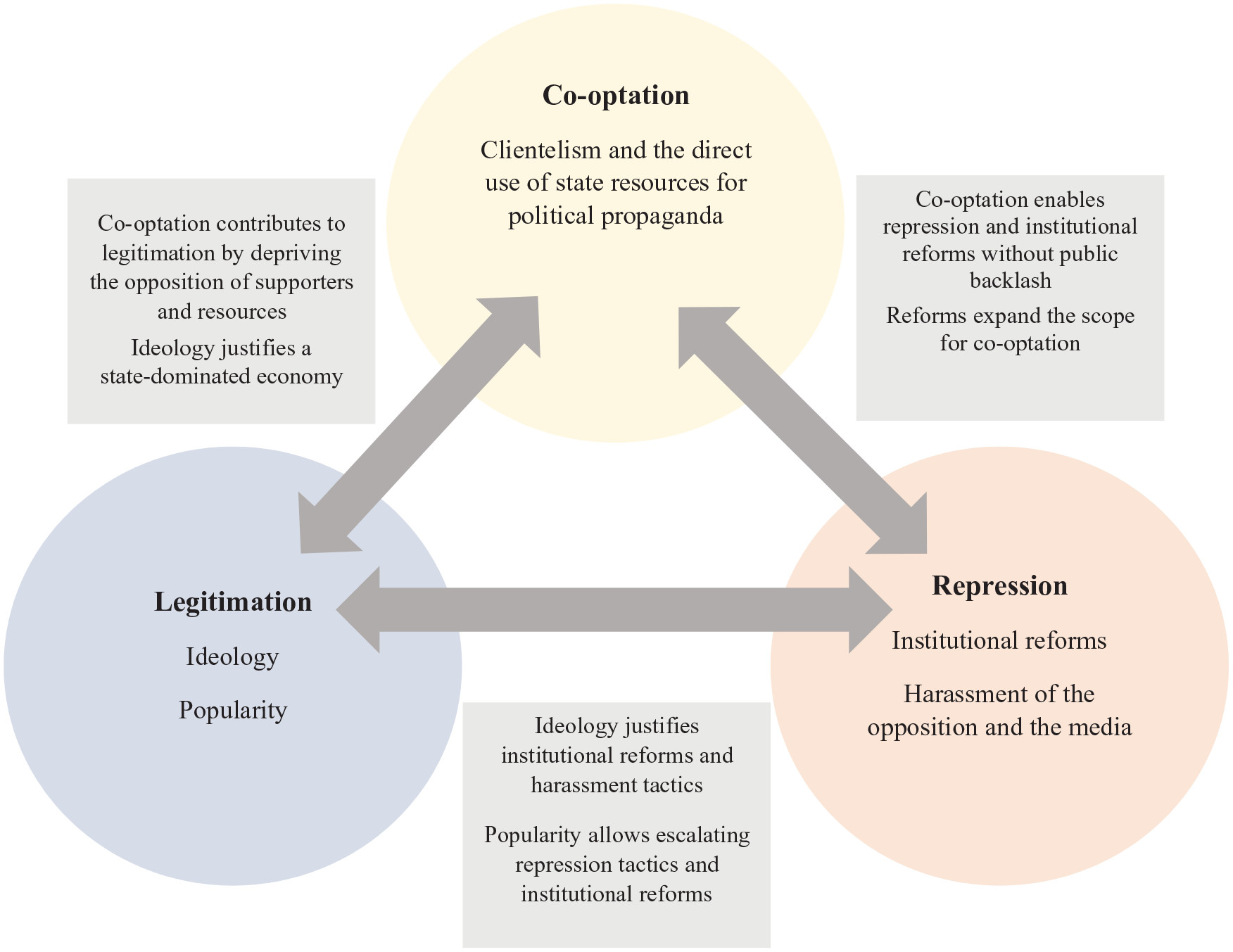












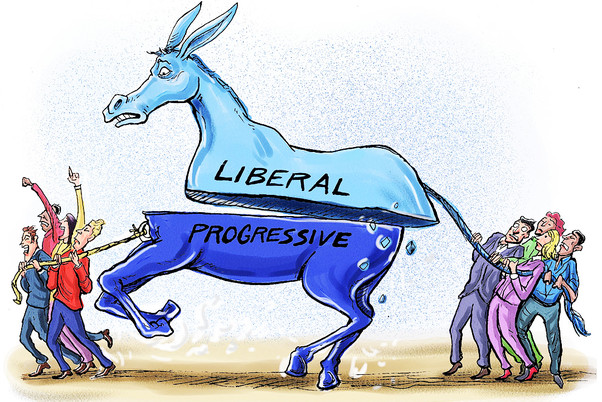


 freedom and reason