A lot of progressives are mocking Christians by wondering how it is that God intervened to save Trump’s life yet also put the assassin on the roof top. You might ask how it was that Hobbits had to deliver the ring when there are eagles who can do it. The alleged paradox is to express a profound ignorance of the faith in question—or the point of the story. I could simplify the point by simply saying that neither Judaism and Christianity are Islam, but I want to say more than that. I’m not a Christian. But that doesn’t mean I’m not charitable. There are tens of millions of Christian Americans and among them are tens of millions of good and reasonable hard-working people. I want a government that reflects their will as much as any other.
Free will and divine providence are inherent in the Jewish and Christian faiths. They’re part of the dialectic of history (which flows through Hegel and Marx, as well). Satan is the personification of an obstacle thrown before righteous people so that they might overcome and rise to a plane of higher unity and ever greater collective self-perfection. There is no progress without struggle. The Old Testament is the story of nationalist struggle, nationalism here defined as a people, the Jewish people. Although the story is often told in metaphor and parable, its heart is the beating heart of living man. That man was cast out of Eden so that he might be free. To realize his potential, he had to confront the world. Christians also believe this.
The Eye of Providence
That a young man would choose to attempt to assassinate a president is, in the arc of history, an instantiation of an obstacle the people overcome and rise above. This brings us to the question of theodicy, a subject I will not touch on here except to say that the young man is made possible by the forces that put that desire in his head. We know what and who those forces are. They’re Earthly. And determined. They’re the obstacle. A people are led to overcome the obstacle this desire makes by men who see and hear, whatever their imperfections (all men are flawed, Moses no less so).
What is providence? It is the protective hand of God or of nature—Nature’s God, as our Founders knew it. It’s the eagles in Tolkien’s story. To reduce eagles to deus ex machina is to miss the point of struggle. But it’s more than this. Providence is timely preparation for future eventualities, the rational overcoming of obstacles to open the way forward so we may perfect ourselves as a people—as a nation. Providence is the emergent truth of the moment we see and hear if we understand. If we do, we step from the path that produced the obstacle and pursue instead the way opened for us. There will be more obstacles along the new path, of course; in the end, men make the history that both produces both obstacles and future paths. But that’s free will. That’s morality’s source. We are responsible for the things we do because we choose to do them. To do the right thing, we have to understand. We have to grasp the hand of providence. Matthew told Jesus’s followers in his gospel (13:17) “that many prophets and righteous men desired to see what you see, and did not see it; and to hear what you hear, and did not hear it.” Matthew is speaking to those who understand. This is what is conveyed by righteous men pointing towards the right side of history.
As a great Christian man once told us: the arc of history is long, but it bends towards justice. This is only true because some see and hear and act. They see and hear because they understand. They act because they are restless and dissatisfied. You don’t have to be a Jew or Christian to understand or to act. You just have to listen and work things out. Tragically, the world today is a world where a great many people practice cerebral hygiene, responding to the world not on the basis of knowledge but tribal programming. They are as much an obstacle as those who put untoward desire in the heads of young men. The future of the nature depends on overcoming these obstacles.
“There is nothing wrong with America that cannot be cured by what is right with America.” —Bill Clinton (1993)
I updated yesterday’s essay (They Tried to Kill Donald Trump Yesterday) with a Hillary Clinton video I forgot to include. She has been a major player in the progressive project of stochastic terrorism that provoked Saturday’s assassination attempt. America dodged a bullet when she lost in 2016. Federalism and the Electoral College are the work of geniuses. Here’s the video:
Hillary offers an extraordinary, concise example here of the type of incendiary fear-mongering that was normalized at the highest level of Democrat messaging on Trump.
– Trump will do away with elections – Trump will do away with his opposition – Trump will do away with a free… pic.twitter.com/7tPSqRTjX7
The tactic may have succeeded in provoking an assassination attempt, but it isn’t working to advance the corporate state agenda. I am sure you heard by now that a federal judge in Florida, Aileen Cannon, has dismissed the criminal classified documents case against former President Donald Trump on the grounds that Attorney General Merrick Garland’s appointment of special counsel Jack Smith as prosecutor for the case violated the US Constitution. The case serves to illustrate the lawlessness of the Democratic Party. Are the authoritarian tactics of the Democratic Party unraveling. Will this grand old republic make it after all? That’s up to us.
President Ronald Reagan shaking hands with future president Donald Trump at a reception in the Blue Room November 1987.
Here’s the bottom line: Convicted felon Donald Trump and those around him—Steve Bannon (currently in federal prison for refusing to speak with the illegitimate January 6 select committee), Peter Navarro (wrapping up his federal prison sentence for the same offense), and others—talk about policies. They’re unequivocal in articulating their ideas. They’re not hiding anything. They want a strong national economy that puts Americans citizens and legal residents first. They want an education system that teaches children the things children need to know to make an independent life for themselves and to build strong families and communities. They want a government that works from democratic-republican principle and protects individual rights and liberties. They want a foreign policy that keeps the peace.
Democrats don’t talk about their policies. Why would they? Democrat policies collectively represent the managed decline of the American Republic. Democrats rule by administrative degree. They feed the military-industrial complex with forever wars. They push globalization—off-shoring good-paying jobs and opening the borders to millions of foreigners. They depolice our neighborhoods and put violent criminals back on the streets. They use the public school system to indoctrinate children in woke progressive ideology. They divide the people by race, religion, ethnicity, etc., with DEI programming. It’s a classist and racist party that runs roughshod over republican systems of democratic governance and undermines our civil liberties and rights.
Democrats know they represent losing issues—because they don’t represent the American people. They represent the corporate elite and the credentialed class. The Democratic Party platform is in substance anti-American. At times, they openly hate the country (never forget what they said about America during the George Floyd riots). Instead of being honest about what they have in store for Americans, they encourage the population to obsess over Trump, repeating the Big Lie that the president and the patriot represents fascism when in fact the authoritarian corporate state machine is their baby.
We fail history by doing anything less than casting our votes in the most effective manner. It’s time to kick the Democrats to the curb. It’s time to reclaim the republic for ourselves and our posterity—indeed for the world and all of humanity. America is the greatest experiment in liberty in history. We can’t let her fail.
“It’s time to put Trump in a bullseye.” —Joe Biden, July 8, 2024
I expressed my concern in a 2023 essay The Continuing Campaign to Unperson Donald Trump that somebody would take it upon himself to (using the covert operational euphemism) terminate with extreme prejudice the former president Donald Trump. After all, progressives and pundits have aggressively pushed the narrative that the “MAGA extremists” represent a fascist movement, Trump is Hitler, and the former president’s second time as president will end democracy and his political opponents will be hunted down and imprisoned or worse. Therefore, under no circumstances, can Trump be allowed to be president again. That’s the vibe.
The New Republic’s cover just a few days ago
That’s been the vibe for quite a while now, and a big part of the vibe is cover for the authoritarianism of the Democratic Party. Over the last several years, ever since a Trump presidency became a firm likelihood, the Democratic Party has warned the public that Trump and MAGA represents everything the Democrats have been doing during those years—organizing chaos in the streets, a deep-state coup, high-production show trials, imprisoning hundreds of patriotic Americans, waging lawfare against Trump and associates (Giuliani, Bannon, Navarro, and many others), harassing, intimidating, even jailing citizens exercising their First Amendment rights.
More than this, several politicians and pundits have engaged in stochastic terrorism directly targeting the president. Stochastic terrorism refers to the use of public communication to incite random acts of violence by individuals without directly commanding them to do so. This form of terrorism relies on the idea that by spreading inflammatory rhetoric and provocative propaganda, a certain percentage of the audience will be influenced to commit acts of violence. The perpetrators so incited are typically “lone wolves” who act independently, making it difficult to predict or prevent specific attacks. The trick of stochastic terrorism is that the instigators get to claim plausible deniability, since they do not explicitly direct any particular attack. Instead, they create an environment of fear and hostility, increasing the likelihood of violent acts occurring randomly but with a shared ideological motivation.
Look at what this Democrat said on live TV about Trump @RepDanGoldman
Remember Representative Daniel Goldman (D-N.Y.) apologizing in December 2023 for his “poor choice of words” when he said former President Trump must be “eliminated” to protect democracy. Goldman knows such words cannot be taken back. Goldman is hardly the only one to use this type of rhetoric when talking about Trump.
— Five Times August (@FiveTimesAugust) July 13, 2024
Joe Biden has been one of the main instigators. Recall Biden’s notorious September 2022 speech in front of Independence Hall in Philadelphia, cast against a blood-red fascistic backdrop. “America is at an inflection point,” Biden said, “one of those moments that determine the shape of everything that’s to come after. And now America must choose to move forward or to move backwards.” “MAGA forces are determined to take this country backwards, backwards to an America where there is no right to choose, no right to privacy, no right to contraception, no right to marry who you love.” Scary stuff, if it were true. But it’s not.
Biden personalized the threat to the nation in that speech, name-checking Trump three times with fist raised in the air in angry voice. Describing MAGA Republicans as embracing an “extreme ideology,” Biden said, “there’s no question that the Republican Party today is dominated, driven, intimidated by Donald Trump and the MAGA Republicans. And that is a threat to this country.” These words are telling the public in no uncertain terms that Donald Trump is public enemy number one, the archenemy of the state, a singular and unique danger to democracy and freedom. Not the millions of military age men flooding across the southern border. Not the country with thousands of nuclear weapons NATO antagonized. Trump.
Every American should watch this video, especially those on the left who are about to start preaching about "lowering the temperature."
This was the President of the United States dehumanizing and vilifying 35% of the country on primetime TV.
At the time, NPR reached out to Democratic strategist Joel Payne to get his thoughts about the speech. Admitting that Biden “walks a thin line,” Payne rationalized: “I think it also helps juice the base with moral clarity on saving the democracy.” The operative phrase, “saving the democracy,” with Trump, the analog to Emmanuel Goldstein, the principal enemy of the Oceania in Orwell’s Nineteen Eight-Four, projected upon the screen to focus the hate.
Hillary offers an extraordinary, concise example here of the type of incendiary fear-mongering that was normalized at the highest level of Democrat messaging on Trump.
– Trump will do away with elections – Trump will do away with his opposition – Trump will do away with a free… pic.twitter.com/7tPSqRTjX7
“What we’re seeing now is either the beginning or the death knell of extreme MAGA philosophy,” Biden told Democrat donors in the Washington suburb of Rockville that same month, his remarks reported widely in the media. Calling out those he labeled as “extreme,” Biden said, “It’s not just Trump, it’s the entire philosophy that underpins the—I’m going to say something, it’s like semi-fascism.” Later that same day at a rally, Biden told the crowd: “The MAGA Republicans don’t just threaten our personal rights and economic security. They’re a threat to our very democracy. They refuse to accept the will of the people. They embrace political violence. They don’t believe in democracy.” Biden said that “the survival of our planet is on the ballot.” If Republicans win control of Congress, “it won’t matter where you live: Women won’t have the right to choose anywhere. Anywhere.”
Remember when Stacey Plaskett, a Democrat Delegate to the US House of Representatives “accidentally” said “He [Trump] needs to be sh*t” ?? pic.twitter.com/34R0RgtbuK
So, it was no surprise to me when, last night, a sniper attempted to take Trump’s life. “This evening, we had what we’re calling an assassination attempt on our former President Donald Trump,” FBI Special Agent Kevin Rojek, Pittsburgh field office, told reporters. “We do not currently have an identified motive,” he added. Rhetorical caution is characteristic of FBI public pronouncements, but the motive is clear enough. The shooter, Thomas Matthew Crooks, twenty, from Bethel Park, Pennsylvania, about 40 miles south of the Butler rally, donated to the Democrat activist group ActBlue on the day of Biden’s installation as president. He took an AR-15 to the rally, situated himself atop a single-story warehouse 150 yards from where the president stood, and squeezed off eight rounds. The first missed the president by centimeters. The second struct the president’s ear. Had the president not dropped to the ground, the third would have likely struck his temple. The shooter was finding his target, sweeping left to right. Then, with Trump on the ground, Crooks squeezed off five more rounds, striking several others in attendance.
Comparison appears in the Washington Post
When Democrats compare Trump to Hitler and tell us his re-election is the end of democracy, they’re projecting. Not that their president can be compared to Hitler; as Sheldon Wolin told us in Democracy, Inc., “inverted totalitarianism” needs no dictator—indeed, that’s part of its angle, namely, to dissimulate power. Unlike traditional totalitarianism, which relies on a charismatic leader and overt control, inverted totalitarianism emerges from within a facially democratic system and operates through the normalization of corporate influence and the erosion of democratic institutions. It involves the convergence of corporate and state power, leading to the prioritization of corporate interests over the public good.
Under these arrangements, the political system driven by economic imperatives, with the government acting as a facilitator of corporate power than as a representative of the people’s will. Media and public discourse are manipulated to create a passive, disengaged citizenry, distracted by consumerism and spectacle. This form of governance maintains the appearance of democratic processes and freedoms while hollowing out their substance, resulting in a society where the mechanisms of control are more diffuse and harder to detect but no less effective. Putting this bluntly, Democrats are not defending democracy against fascism but the other way around, with the new fascism working under the cover of managed democracy.
Managed democracy refers to a system where democratic processes and institutions exist but are manipulated to ensure outcomes that favor those in power. It’s characterized by control over elections, where the corporate state controls the media, restricts opposition activities, and manipulates electoral laws to ensure a predictable outcome. The media is controlled or heavily influenced by ruling elites, limiting free and open debate and promoting the corporate agenda. Opposition parties and movements are allowed to exist but preferably as controlled opposition, in any case facing significant obstacles such as legal restrictions, harassment, and limited access to resources and media. The judiciary and other key institutions are controlled or manipulated to serve the interests of the ruling power rather than acting independently. The state invests in propaganda and public relations campaigns to shape public perception and maintain a veneer of legitimacy and democratic normalcy. Managed democracy maintains the facade of democracy—such as holding regular elections and having democratic institutions—but the substance and genuine democratic participation are negated or significantly undermined.
At the core of the Democrat Party’s notion of democracy, is the corporate state, which rules via technocracy, a system of governance where decision-making is dominated by elite-selected professionals, scientists, and technical experts rather than elected representatives. In this system, the emphasis is on efficiency, expertise, predictability, uniformity, and other features of bureaucratic control systems at the expense of democratic accountability and participation. Technocrats prioritize technical solutions to societal problems, ostensibly relying on data and specialized knowledge to guide their decisions. This governance style estranges the public, as decisions are made by experts who may not be responsive to the needs and values of ordinary citizens, excluding the voice of those who are affected by the decisions technocrats make.
Whereas democratic republicanism defines the government in terms of the people’s will with protections for individuals and minority groups, that is, the people own the government, technocrats see democratic republicanism and classical liberal values as obstacles to overcome to deliver on ruling class interests. The result is a system that appears to be efficient and knowledgeable on the surface but lacks the democratic legitimacy and inclusiveness of a more participatory form of government.
Trump with fist raised in defiance after surviving an attempt on his life
This is the new fascism—inverted totalitarianism, managed democracy, and technocratic control—and we must address it as a matter of republican duty. We must call out the inversion of reality that makes republicans out to be fascists and fascists out to be democrats. But we have to do this in way that doesn’t risk political violence. To be sure, the fact of having the truth on our side means that identifying those engaged in the big lie is righteous. At the same time, the propaganda machine, as powerful as it is, will portray the accurate identification of authoritarians as an instance of calling the kettle black, since elites have deeply embedded the false assumption in the prevailing social logic. Democrats smear Trump and his followers as fascists as a routine matter and the characterization is taken as given, which is why so many people secretly support Trump. To be sure, the reverse is true, but we need to tell this truth in a way that makes it difficult for Democrats to accuse liberals and republicans of endangering Democratic politicians and pundits. It is clearly by design that Democrats project their fascistic desires onto republicans as a way of having their cake and eating it too. We have to short-circuit their bamboozle.
The best way of going about tis to address the structural problems and politics of authoritarianism, fascism, and totalitarianism by understanding these ideologies and relations as systemic issues rather than merely personal attributes of individual actors. Biden is not a fascist in the sense Democrats falsely portray Trump. Today’s fascism is not yesterday’s fascism; and, in any case, fascism and national socialism were never reducible to Mussolini or Hitler. By pursuing structural analysis, one examines how institutions, policies, and societal norms contribute to or resist authoritarian tendencies. This approach identifies and critiques patterns of power, oppression, and erosion of democratic values without reducing complex political ideologies to individual personalities.
Conversely, smearing individuals as fascists or authoritarians oversimplifies and personalizes complex political debates, and potentially leads to polarization and the undermining of meaningful dialogue. While Democrats rarely worry about alienating voters in the heartland (recall Clinton’s characterization of Trump supporters as “deplorables”), Republicans need the big tent to counter progressive control over American institutions. Moreover, personalizing politics risks exposing individuals to harm by those who see the world in the good and bad of personalities rather than in system terms. It’s crucial to condemn authoritarianism and fascism as ideologies that threaten freedom and human rights while avoiding the personalization of these critiques—unless of course their actions clearly warrant such scrutiny, but then never in a way that advocates violence.
As I have argued in several essays on Freedom and Reason, the antidote to the corporate statism is the reclamation of democratic-republic rules of governance and reestablishing the classical liberal values outlines in our great Bill of Rights. It is obvious that the democratic-republican rules of governance, as outlined in the US Constitution—the separation of powers, federalism, the rule of law, and checks and balances—have under decades of progressive influence and Democratic Party rule the founding scheme been thrown out of whack. The solution? Throw Democrats out of power at the ballot box and deconstruct the administrative state.
The classical liberal values outlined in the amendments to the United States Bill of Rights emphasize individual freedoms and protections—freedoms of speech, religion, press, assembly, and petition; the right to keep and bear arms; protection against unreasonable searches and seizures, requiring warrants based on probable cause; guarantees of due process of law, protection against self-incrimination, and safeguards against double jeopardy and property seizure without just compensation; prohibition against excessive bail and fines, as well as cruel and unusual punishment. I remind the readers of these amendments because they collectively promote individual liberty, personal security, and fairness in the justice system. This is what we seek.
Democratic participation, through organizing and voting, embodies the virtues of republicanism and the ethic of nonviolent resolution of conflicts. When citizens organize, they build community, raise awareness, and advocate for change through collaboration and constructive dialogue, fostering empowerment and shared purpose. Voting, a cornerstone of democratic systems, allows individuals to express preferences and hold leaders accountable, ensuring that the will of the people is manifest in policies that improve the lives of the common man.
Political violence undermines all this and the stability of national life, perpetuating vicious circles of fear and retaliation. Democratic participation offers a constructive and non-violent means to address grievances and achieve progress. By embracing the ballot box and grassroots organizing, and rejecting political violence, societies nurture a culture of mutual understanding, respect, and tolerance, strengthening the foundations of democracy.
One party is the party of violence. It is not the Republican Party, however must progressives share images and video of January 6 (what was in reality a police riot and the work of agent provocateurs). During the summer of 2020, the United States experienced rampant political violence amid widespread protests and civil unrest that conservatives and liberals alike opposed. The violence, egged on by the Democratic Party and the corporate media, ostensibly sought to address systemic racism and police brutality, both mythic constructs peddled by progressives across the sense making institutions. In truth, it was a cover for extreme violence to disrupt the 2020 presidential campaign—a color revolution. Arson, looting, property damage, and confrontations between rioters and law enforcement in several cities, as well as between rioters and civilians, resulted in scores of injuries and the deaths of more than two dozen people. All this allowed Democrats to mask their authoritarian ambitions behind a facade of social justice. They did the same thing with the pandemic. They rigged 2020. They installed a leader through subterfuge, disorder, and violence.
Readers must remember that, throughout American history, the Democratic Party has been the party of slavocracy, Jim Crow segregation, and corporate statism. During the nineteenth century, Southern Democrats strongly supported and defended the institution of slavery, viewing it as essential to their economic and social structure. The Republican Party was instituted to end slavery and save the republic from dissolution at the hands of Democrats. Following the Civil War and Reconstruction, Democratic-led Southern states enacted segregationist laws and policies that enforced racial segregation and disenfranchised African Americans. These policies persisted well into the twentieth century, perpetuating systemic racism and inequality across the United States. Today, the Democrats are the party of identitarian politics, yet another method of governance designed to divided the working class.
Trump and the populist movement represent a potential end to the highjacking of the American Republic by authoritarians and technocrats—the inverted totalitarianism of the status quo. This is why there was an attempt on the man’s life yesterday, an attempt encouraged by the defenders of that status quo. We have to educate people about the true history of power in the United States. They control the sense-making institutions, so it won’t be easy. But then democracy and freedom never have been easy.
(Note: As soon as this went live a moment ago I remembered an essay I published June 14, Mouth Breathers in the Democratic Party, in which I summarized parts of the Pew Research Center published the report Cultural Issues and the 2024 Election which covered, among other things gender identity, immigration, and racial diversity. In there I noted, as I noted in the present essay, that the share of survey participants who say that sex at birth determines whether someone is a man or a woman has increased since 2017. The note I want to make here is that the trend documented by three time points is now documented by four. As of June 2024, nearly two-thirds of Americans say that sex at birth determines whether someone is a man or a woman.)
Don’t assume in what I write today that I believe majority opinion determines the validity of truth claims. The validity of truth claims is a scientific endeavor, not a majoritarian one. If 99 of a 100 people believe X, and the one believes not-X, and X is false, then the one is right. The point I make here is concerns the problem of ideologically captured spaces and the leading of intelligent people to irrational beliefs that sometimes result in harmful action. We see this in religious systems all the time. I know a great many smart people who believe in souls and devils. They are free to do so, of course. At the same time, there are those who are not so smart, or a bit deranged, the true believer, who take a doctrine seriously and act on its basis.
As this essay is about public opinion, it might be useful to note at the outset that undesirable ideological systems can sometimes clash with even less desirable ones. In the case of gender ideology, traditional religious beliefs often inoculate individuals from belief in other impossible things and the terrible things that logically follow. Protestants make up half of the US population, and while a great many of them have been out front in expressing their desire to limit women’s reproductive rights, especially since the 1970s, more than three-quarters of Protestants—87 percent of white evangelicals—believe gender is determined by sex at birth, and their numbers have been growing. That Protestants are largely correct on the question of gender is due not only to the biblical view of man and woman; many Protestants subscribe to science and the obvious, but only science uncorrupted by gender ideology (for the obvious, see what you see, Matthew 13:17). We can thank for this the broad immunity Christianity provides to the scientism of woke progressivism, where science has become a neo-religion controlled by the corporate state.
Of course, we must keep fighting to secure reproductive freedom. As a general rule, we cannot depend solely on religious people to fight the good fight given all the other stuff that comes with religion. Rather we join with the clear-headed in this fight; resistance to the medical-industrial ritual of releasing authentic gendered souls with hormone and scalpel finds the readiest allies among Protestants. Indeed, as we shall see, atheists and agnostics are the least useful in the struggle to stop the atrocities because they are the most likely to believe the lie that gender is myriad and mutable. The row of reason is a hard one to hoe in light of the deep roots of ideological tangle in part born of the human need for religious-like belief in a secular society. (Poll numbers on religiosity and beliefs about gender can be found here.)
Babies and associated colors
It seems obvious to me that those for whom the progressive-captured corporate state media, culture industry, education system, and government bureaucracy play a major role in determining attitudes are more likely than the general population to agree with the statement “trans women are women.” I work at a university, and this impossibility is widespread among administrators, students, and the professoriate. To be sure, I know colleagues and students who disagree with the slogan; but for a few fearless students, they have told me in strict confidence, fearful of the consequence of expressing heretical ideas in the church of higher education. Indeed, I am the only one among my faculty who publicly states the truth of the matter (see The Snitchy Dolls Return).
The reason for this is obvious to the honest sociologist who studies politics and ideology. The quality of belief in many of those I work with is of the same quality as the religious beliefs I grew up around, even while many of them eagerly declare their atheism. To illustrate, I have a colleague who made a testimonial in my presence (in a struggle session I should write about in the future), the story of a trans woman’s journey of authentic self-discovery that convinced him that people can change their gender. In transition, everything about his past now made sense. All his mental health issues were explained. He was really always a woman. That was the problem. I have many times heard Christian converts tell an identical story in form, only the content was different: it was the distraught individual for whom Jesus put everything in relief. As an atheist, it’s a surreal experience to sit in a room of people with advanced degrees who believe that which is so easily disconfirmed; as a sociologist who studies religious systems, cult indoctrination, and tribal commitment, I understand it.
At the same time, atheists are especially vulnerable to the myths of gender ideology, what I categorize as a neo-religion. More than three-quarters of atheists and two-thirds of agnostics disagree with the scientific statement that gender is determined at birth. Atheists and agnostics, despite their rejection or skepticism of traditional religious beliefs, often find themselves drawn to systems and ideologies that fulfill similar roles in their lives. This phenomenon can be attributed to the human yearning for meaning and transcendence, a drive that seems almost instinctual (see Peter Berger’s 1967 master work The Sacred Canopy). Political and social movements can provide atheists and agnostics with a structure that addresses existential questions and the need for spiritual fulfillment. These apparently secular belief systems encompass narratives of belonging, cultural enrichment, moral imperative, personal development, and social progress, fulfilling the deep-seated need for a coherent worldview that connects individual lives to something greater than the self. This is the need that propels the social justice warrior—the secular mujahideen. The impulse toward transcendence underscores a universal human desire to find significance in existence, transcending the confines of one’s immediate, personal experience. (Poll numbers can be found here.)
Fortunately, in part because of the aforementioned pervasiveness of Protestantism, most Americans do not subscribe to the irrational beliefs that have colonized the terrain of higher education and other elite sense-making institutions. Surveying 10,000 adults, a Pew Research Center survey published June 28, 2022 found that 60 percent of Americans agree with the statement that whether a person is a man or a woman is determined by “sex assigned at birth.” Significantly, the proportion of the population who agree with this statement is increasing, up from 56 percent in 2021 and 54 percent in 2017. Use of movement and industry propaganda found in the construct “sex assigned at birth” makes the question leading to this methodologist’s eyes; at the same time, in asking if the gender identity is determined by the sexual identity of the individual, the question usefully embeds the assumption of binary, a primary fact of gender.
We find troubling things in the crosstabs. For example, among Democrats younger than 30, around 72 percent say someone can be a man or a woman even if that’s different from the sex they were “assigned at birth.” Age is less of a factor among Republicans. In fact, at 88 percent each, similar cohorts of Republicans ages 18 to 29 and those 65 and older say a person’s gender is determined by their sex at birth. Republicans are much better than Democrats generally on the science of gender, again partly attributable to the greater degree of religiosity among Republicans. But there is among Republicans and conservatives, categories that capture many of today’s liberals, a general skepticism the claims of corporate medical science. We saw this for example in resistance to lockdowns, masking, social distancing, and vaccine mandates among conservatives. Protestants still seek medical help, but they don’t eschew prayer on their way to the hospital.
The 60 percent of those who remain rooted in the real world on the question of gender includes those who work in corporate state media, the culture industry, the education system, and government bureaucracies. However, those who believe that persons can change their gender, be both genders simultaneously, or who can be genderless altogether are overrepresented in the institutions and organizations to shape private and public life. If those individuals were excluded from the sample, that is, if only those who lived, worked, and studied outside the environment of progressive-captured institutions were surveyed, the proportion of Americans who believed that gender was binary and immutable would be much greater than six in ten. Put another way, existence beyond the ideological tangle of dominant sense-making institutions makes it more likely that a person will have a better handle on the truth of gender (race relations and a great many other things, as well).
A useful example of why we need to be careful in assuming ubiquity in the sense-making institutions is revealed in a February 22, 2024 survey by Pew Research Center on the question of whether gender identity should be taught in school. Whereas only fourteen percent of teachers (elementary, middle, and high school) agree that children should be taught that whether someone is a boy or a girl is determined by sex at birth, half of all teachers agree that gender identity should not be taught at all, suggesting that the matter is at least unsettled or that instruction based on gender identity is age-inappropriate. At the same time, public schools still play an outsized role in confusing children over gender, with around third of parents with K-12 students reporting that at least one of their children has learned about people who are transgender or nonbinary from a teacher or another adult at their school. Given the size of the k-12 system, it only takes a few administrators and teachers to put children on the path towards gender confusion. In the 2020–21 school year, there were 3.8 million full- and part-time public school teachers. Moreover, it is very often the case that, whatever the beliefs of the employees, the system itself requires them to administer curriculum they otherwise wouldn’t. Remember, these surveys are anonymous. How many teachers are compelled to festoon their classrooms with movement propaganda in violation of the First Amendment?
As suggested at the outset, a large majority doubting the claims of gender ideology does not make those claims false. The claims are false because they are demonstrably so by the lights of scientific materialism uncorrupted by queer theory. Nonetheless, that most Americans are correct in their beliefs on the immutability of the gender binary is heartening. It also makes obvious the reality that progressives control our sense-making institution, so much so that the majority moves through ideologically-captured spaces with their heads down, fearful of the repercussions if they didn’t. Tens of millions of people act on bad faith because they suppose the ubiquity of gender ideology, a perception reinforced by the silence of others. Parents astonished as the festooning of their child’s school with movement propaganda typically say nothing believing they’re alone in their silent objections and fearing the smear of bigotry. The same occurs at the doctor’s office, with the conditioned sense of subordination adding another layer of suppression.
Beyond the value of integrity of truth in opinion, Americans who say a person’s gender can be different from their sex at birth, which the construction “sex assigned at birth” invites them to do (see here and here), are more likely than others to see discrimination against trans people and a lack of societal acceptance. In other words, those who have incorporated into their belief system the core fallacy of the gender identity movement are more likely to believe that trans identifying individuals belong to an oppressed category and that our society hasn’t gone far enough in accepting people who are transgender when trans identifying people belong to arguably the most privileged category in Western society, so privileged in fact that they are increasingly invited to transgress child safeguarding norms.
On the other hand, those who disagree that a person’s gender can be different from their sex at birth are more likely to disagree with queer demands—at least as an anonymous subject in a public opinion survey. For example, only around a third of Americans say that it is important to use somebody’s preferred pronouns, mirroring the proportion of Americans who believe somebody born a man can be a woman. This rises to just over half when only Democrats are asked, so we can see the role of ideology and tribal identity at work (the Democratic Party is the greatest threat to reason in America today). But the numbers are promising and it’s the goal of Freedom and Reason to help raise mutual knowledge about the fact that most and a growing number of people do not accept the bogus claims of trans activists. You can help by pushing out my content. Thanks for reading.
I have studied the many of the numerous volumes in the Heritage Foundation’s Mandate for Leadership series, including the latest volume Agenda 2025. The series started under Ronald Reagan (the first volume was rolled out in 1981). Just as they are now, progressives made a huge deal about it then. Yet it’s pretty much the same agenda every time. We know the conservatives at Heritage have no love for labor, are pro-life, want to restructure entitlements, etc. There’s nothing novel on those fronts in this cycle’s installment of the series.
What is different this time around is the plan to deconstruct the administrative state—the unaccountable, unelected, unconstitutional fourth branch of government that progressives established over the century of corporatization of society and wield to micromanage daily life in America and press into mass consciousness corporate state and globalist ideology. Want to know how public school education normalized the sexualization of children and why our dominant institutions are governed by DEI instead of meritorious accomplishment? That’d be the administrative state. (See Project 2025: The Boogeyman of the Wonkish.)
What Heritage realized was that Trump’s first term in office (2017-2021) did not come with a plan to deconstruct the administrative state, most crucially a roster of activists and experts who would fill those executive branch offices in a newly configured and much smaller federal bureaucracy. The permanent political apparatus in Washington thwarted many of Trump’s efforts, just as overbearing corporatism stifles elected officials in European capitals, which makes it possible for the transnationalists to control the transatlantic space by directly engaging centralized state power.
It took a bit for Heritage to awaken to the fact that the establishment wing of Republican Party—the neoliberalism/neoconservative uniparty philosophy Democrats integrated into their hegemony, marked by global corporate and military projection—was seriously rivaled by the emergence of populism in the party, a long time in development going all the way back to Ross Perot (see Republicans and Fascists). Trump and MAGA represent the crossover. With any luck, the establishment Republican Party is on its deathbed. But it will take more than luck; a Trump victory would likely seal its fate.
Therefore, Heritage has finally realized, along with a lot of conservatives and liberals, that MAGA in its durability and passion and in its tens of millions represents a grassroots populist movement that affords America a real opportunity to reclaim the democratic-republic principles of federalism and limited government and separations of powers our Founders envisioned. Republicans had partially realized this in the wake of the Civil War—until the rise of the corporate state, represented by the party of the slavocracy and Jim Cow. Populists are taking the Party of Lincoln back to its roots in the American Creed, as well as the classical liberal ethics of the Enlightenment, which is what animated the Founders in their recognition of civil and human rights (see Republicanism and the Meaning of Small Government). Who is the party of the Bill of Rights today? Let’s just say that if you think it’s the Democrats you’re living in fantasy land.
Agenda 2025, like all volumes in the series, represent an inventory of legislative and policy items that presidents may take or leave. No Heritage Foundation mandate has ever been adopted in total, or even in significant part. It’s not the Trump campaign’s agenda. What Trump, Bannon, and the other populists want out of the document is finally an actual plan to dismantle the technocratic apparatus that progressives use to administer the populace through extra democratic means. With the Court overturning the Chevron deference, which supercharged the administrative state, the people have a real opportunity to reclaim their republic (see Celebrating the End of Chevron: How to See the New Fascism).
This is why Project 2025 is receiving so much attention: progressives realize that their means of controlling people are under threat by the forces of liberty. They decry the movement to reclaim the Creed by accusing MAGA of what it is: fascism. Democrats are masters of projection. Deconstructing the administrative state is in fact anti-fascist/anti-totalitarian. It will shrink the regulatory agencies corporations use to drive small capitalists out of business. It will reduce the power of the ATF, CDC, CIA, DHS, FBI, and the myriad of other alphabet organization that lord corporate state power over the people.
The decontextualized and superficial way Project 2025 is being portrayed by Democrats and the corporate state media needs to be countered. But there is in the end a simple way of looking at the matter. Attitudes about this document boil down to whether you support party and ideology and the transnationalist project or whether, on the other hand, you believe in America and the constitutional republic the Founders fought and died for.
This past March, I published an essay Passive-Aggressive and the Depoliticization of Antagonisms through Medicalized Jargon in which I argued that psychologists in the service of the capitalist and managerial classes have effectively medicalized class conflict as a depoliticizing maneuver, delegitimizing the reason workers resist exploitation and oppressive control by psychologizing their motive, i.e., by dissimulating the social antagonisms that lie at the heart of the capitalist mode of production. In today’s essay, inspired by a conversation with clinical psychologist and addition expert Gloria Hamilton (Professor Emeritus Middle Tennessee State University), I explore a similar construct, that of “pathological demand avoidance” (PDA), that appears to serve a similar function and represent an instantiation of the same corporate state desire to control individuals.
Typical PDA traits
The construct originates in the work of Elizabeth Newson in the 1980s. A child psychologist, Newson (working with others) observed a distinct set of behaviors in some children that differed from the more typical presentations of what is now called autism spectrum disorders (ASD). She coined the term to describe a profile characterized by an extreme avoidance of everyday demands and expectations and a need to control situations and interactions. Individuals with PDA exhibit high levels of anxiety and are often driven by the need to feel in control, ie., an intolerance of uncertainty. This can manifest in a range of behaviors such as pretending to be unwell (the sick role) and social manipulation to avoid demands (see The Field of Dreams of Childhood Trauma).
The avoidance in PDA is not limited to challenging or significant demands but can extend to everyday tasks and interactions, making it difficult for persons with the condition (assuming it as such for the moment for purposes of description) to engage in regular routines or comply with requests from others. This often results in heightened levels of frustration and anxiety for both the individual and those around them, including family members, caregivers, and educators. Crucially, unlike other autism profiles, individuals with PDA may display more socially strategic behaviors, which can sometimes mask their underlying difficulties.
In their work proposing this for inclusion in the DSM, “Pathological demand avoidance syndrome: a necessary distinction within the pervasive developmental disorders,” Newson, Le Maréchal, and David, describes individuals with PDA as autistics who exhibit an unconventional and superficially high “degree of sociability,” which facilitates social manipulation as a significant skill. Manipulation, which is typically defined as the artful or unfair control others for personal advantage, carries connotations of insidiousness—subtle, to be sure, yet harmful. Thus, labeling someone with PDA implies that their social skills are perceived only in terms of their utility for manipulating situations to their advantage, potentially disregarding genuine social difficulties and underlying autistic traits. (Are we instead describing somebody with a Cluster B personality disorder who is also on the autism spectrum?)
From a sociological perspective, the concept of PDA can be interpreted as a manifestation of individual resistance to the overbearing demands imposed by bureaucratic and corporate systems. In highly bureaucratic societies, individuals are subjected to constance and numerous demands, expectations, and regulations. These demands can be seen as an extension of corporate social control, shaping individuals’ behavior and imposing a strict conformity to organizational norms. PDA typically manifests in early childhood, suggesting that bureaucratic elements may not be the primary factor but an exacerbating force; however, the early introduction of children into corporate society, starting with school at age four and often even earlier with day care, with early child care and education becoming increasingly corporatized, creates an environment where children are subjected to constant demands and structured routines from a very young age.
The term “corporatized” refers to the process by which organizations, institutions, or activities adopt the characteristics, practices, and operational styles of corporations (see my recent essay Are Progressives Smarter Than Everyone Else? which contains a lengthy treatment of the social logic corporate bureaucratic arrangements and its effect). This includes a focus on efficiency, profitability, standardization, and hierarchical management structures. When applied to settings like childcare and education, corporatization conveys the emergence and elaboration of environments that prioritize cost-effectiveness, measurable outcomes, and streamlined processes, oftentimes coming at the expense of individual needs and personal interactions.
For children predisposed to PDA, the highly demanding and regulated environment of corporate bureaucracy expands, elaborates, and intensifies the inventory of avoidance behaviors. In the case of late-onset PDA, then these “symptoms” (attitudes and actions) could very well represent ordinary resistance to overbearing control by individuals not prepared for such experience. The constant pressure to conform and comply with organizational norms in these settings will naturally heighten anxiety and avoidance behaviors, trigging the need for greater control, and exacerbating the symptoms of PDA. Thus, even if the origins of PDA lie within the individual, or at least some individuals, the corporatized nature of early childhood care and education can significantly influence the expression and severity of PDA behaviors.
When individuals exhibit behaviors that avoid or resist these demands, the system tends to medicalize their attitudes and actions. Psychiatrists and other medical professionals frame the behavior as a psychological issue rather than a rational response to the stress and pressure of bureaucratic expectations. Like the psychiatric category of passive-aggressive criticized in that March essay, this medicalization serves to depoliticize and individualize what is essentially a form of social resistance. The medical diagnosis of PDA can thus be seen as a way to pathologize behaviors that challenge or disrupt the smooth functioning of bureaucratic systems. By labeling these behaviors as pathological, the system shifts the focus from the social and structural causes of the behavior to the individual’s psychological state. This shift allows the system to maintain its legitimacy (thus authority) and control, as it portrays the issue as a personal deficiency rather than a critique of the broader social structure. The effect is to normalize oppressive relations and stressful conditions.
In essence, then, the avoidance behaviors seen in PDA can be interpreted as a micro-level form or personal manifestation of resistance to macro-level social demands. Individuals may consciously or intuitively reject the constant pressures of compliance and conformity imposed by bureaucratic and corporate organizations. The medicalization of such resistance transforms a potentially political and social critique into a personal medical issue, thus neutralizing its subversive potential and reinforcing the status quo. That PDA lacks a clear and distinct diagnostic criteria, and the fact that there is ongoing debate within the professional community about its validity as a separate profile within the autism spectrum, raises suspicions among sociologists (at least this one), that in many cases this may not be a genuine medical diagnosis, at least not without some elements that exist independent of the bureaucratic environment, the elements of which (efficiency, calculability, predictability, productivity, uniformity) have become ubiquitous. We might consider how PDA might have looked in premodern societies and, more importantly, whether it appeared at al. What is more, in the psychological community, the question of whether this is really oppositional defiant disorder (ODD) raises the further question of whether ODD is itself a psychiatric category or yet another instantiation of the medicalization of personal resistance to bureaucratic circumstances.
A useful critical perspective comes from social psychologists who propose the concept of “rational demand avoidance” (RDA). Replace the word “control” with “agency,” “autonomy,” “independence,” “self-determination,” that is, swap the need of the individual to control their environment with the individual need to resist irrational and external controls, and one comes to a very different conclusion. Damian Milton and Richard Woods, both autistic individuals who challenging stereotypes and advocate for inclusive practices that respect autistic ways of being, have suggested RDA for this reason. They argue that what is labeled as PDA may actually be a rational response to excessive and unreasonable demands placed on individuals, particularly in highly structured and overbearing environments and demands. From their standpoint, behaviors associated with PDA are not pathological but instead logical reactions to maintain autonomy, resist overwhelming external pressures and associated stressors. They advocate for a more nuanced understanding of demand avoidance, reconceptualizing it as a potentially adaptive behavior in response to oppressive or overly demanding circumstances, rather than as a developmental disorder.
From a critical sociological standpoint, therapies designed to help individuals prepare for life in a world dominated by corporate bureaucratic control are at the same time a form of indoctrination preparing them for inclusion in a highly controlled environment. This perspective suggests that therapy does not simply address individual needs but implicitly accepts and reinforces the structures of overregulated society. Therapeutic approaches that emphasize collaboration, negotiation, and reducing perceived demands aim to manage behaviors associated with PDA by building trust and reducing anxiety, creating environments where individuals feel heard and understood. However, these methods suggest a need for broader societal redesign. The changes proposed for supporting individuals with PDA—fostering empathy, flexibility, and a reduction in rigid demands—would benefit everyone, indicating the need for a societal shift towards more humane and less controlling structures. This reimagining of therapeutic principles as a blueprint for societal reform challenges the acceptance of an overly bureaucratized world, promoting a vision of a more inclusive, understanding, and flexible society.
Therefore, however we are to conceptualize this phenomenon, it is clear that the therapeutic principles used to support individuals with PDA—collaboration, negotiation, and reducing perceived demands—point to the necessity of broader societal changes. As C. Wright Mills tells us in his 1959 The Sociological Imagination, and Thomas Szasz in his landmark 1960 essay “The Myth of Mental Illness”), the problems that plague individuals often suggest that the current societal structure, which imposes rigid demands and prioritizes efficiency over individual well-being, might very well be fundamentally flawed. These are instead, Szasz says, “problems of living.” Embracing these therapeutic principles on a larger scale could lead to a more humane and flexible society that benefits everyone, not just those with PDA. This rethinking of societal norms aligns with the idea that therapy should not just prepare individuals for an overly controlled world but should also advocate for a world where such extreme control is made unnecessary.
* * *
There are two other features of PDA I haven’t addressed. I am still thinking about these and how they might represent resistance to overbearing social expectations. The first is the feature of individuals appearing especially comfortable in role play and pretend. This differs from typical role-playing and imaginative escape in notable ways. While all children engage in imaginative play as a natural part of development, for those with PDA pretend a distinct purpose of avoiding demands placed upon them. Thus individuals with PDA exhibit a more strategic use of role play to avoid or negotiate social situations. Heightened ability to immerse the self in roles is a coping mechanism, allowing the individual to navigate social expectations in a way that feels safer or more manageable.
The second feature involves obsessive behavior focused on other people, which manifests as an intense preoccupation with individuals or specific social dynamics, sometimes to the exclusion of other interests or responsibilities. Unlike general curiosity or interest, the focus in PDA can become all-consuming, leading to persistent thoughts, questions, or behaviors directed towards others. This behavior can impact relationships and daily interactions, as the individual’s attention may fixate on particular people or relational dynamics. This obsessive focus may fluctuate based on perceived threats or personal goals, often serving the individual’s need for control or understanding within social interactions.
Feel free to comment with ideas about how these fit with my critique of corporate bureaucratic relations and the attempt by medical professionals to pathologize the ways individuals negotiate the overbearing conditions these relations represent, especially in light of individual differences.
Right out of the gate, Jack Turban’s essay fails. Turban, an assistant professor of child and adolescent psychiatry is founding director of the Gender Psychiatry Program at the University of California, San Francisco (here is his webpage). If you fall for his psychobabble, then congratulate yourself for recognizing that you live in an ideological bubble that shields you from your awful natural capacity to reason.
Turban asserts that there is a better way to think about gender identity and he doesn’t like it when his better way is rejected, which is to say that he is very defensive about the fact that gender identity is a bogus construct and when it is said of those confused about gender that they are so because of social contagion. “Others have decried the rise in adolescents identifying as transgender and nonbinary as a ‘social contagion,’ likening gender diversity to a disease,” Turban tells us, with scare quotes around the term.
There is no ulterior motive behind the concept of social contagion. This is not a trick of language to manufacture a false perception. Social contagion is the very real process by which irrational attitudes, behaviors, and emotions, etc., rapidly spread through groups. It’s also known as mass hysteria, mass psychogenic illness, and moral panic. Turban surely knows about the phenomenon, its various names, and that it’s well-documented. It’s seen, for example, in rapid-onset and situational Tourette’s. (See Why Aren’t We Talking More About Social Contagion? See also The Future of a Delusion: Mass Formation Psychosis and the Fetish of Corporate Statism.)
Dr. Jack Turban thanking bike company SoulCycle for promoting gender ideology
It is in fact Turban who wants this to be a disease. He wants this to be a condition his industry classifies as “gender dysphoria,” the prescribed treatment for which involves hormonally altering and surgically modifying the bodies of children based on the delusion that they are not the gender they are. The construct was first introduced in the Diagnostic and Statistical Manual of Mental Disorders (DSM) in its fifth edition (DSM-5), published by the American Psychiatric Association (APA) in 2013. This term replaces the most accurate albeit still problematic disease construct “gender identity disorder.” (See Fear and Loathing in the Village of Chamounix: Monstrosity and the Deceits of Trans Joy)
How does one explain to a boy that he is not a dinosaur or a dog? If he is determined to believe this, if this desire persists over time, then have him examined. When it is confirmed that he is in fact a human boy, then whatever psychological approach is helpful in helping him come to terms with that should be deployed. It would be unthinkable to accuse those working with such a boy of engaging in “conversion therapy” because they disabuse him of the notion that he is either of these things. This assumes a priori that he is in fact what he is not and cannot be and meant to be that. What doctor in his right mind would use chemicals, hormones, and surgeries to alter the boy’s physiology and physical appearance to make him appear as either? No amount of dysphoria would justify that.
Let this sink in. Turban is pushing a disease model that only works with one type of disease despite a plethora of analogs, a disease that necessitates chemical alteration of physiology and surgical modification of the body while accusing those who are aware of the medicalization of a social phenomenon and the problems this will cause for families with an affected children of being the ones pushing a disease model.
Turban has three elements to the argument he uses to bamboozle parents. The second is the gender role. I will leave that one to the side (it’s a sideways but obvious endorsement of gender stereotypes) and look at the first and third, which are really the same thing. The first is Bob Stoller’s crackpot notion of “gender identity,” manufactured in the late 1960s (Bob also believed in dream telepathy—see Fear and Loathing in the Village of Chamounix: Monstrosity and the Deceits of Trans Joy). “The most basic part of gender identity is what I call our transcendent sense of gender,” writes Turban. (Bob would love this.) “In a way that goes beyond language, people often just feel male or female, and some more strongly than others.”
They “just feel male or female.” In other words, as I have been telling readers for a while now, this is a religion, replete with the construct of a soul: the transcendent gendered self—an angel or spirit—put in the wrong body, a body wrongly assigned a gender at birth. (By whom? A doctor.) The “transcendent gendered self” is not verifiable, as it’s entirely subjective. There’s no evidence for it. It can’t be rationally explained. It escapes language. It’s just a feeling, a feeling where a boy who is not a girl somehow knows what it would feel like to be one and, because he feels this way, he must be one. (See The Pelvis Tells the Story: Archeology and Physical Anthropology are Most Unkind).
It’s a feeling that one is not allowed to have about race. How does a white girl feel like a black girl? Why can’t she have chemicals to turn her skin darker? Why can’t she undergo facial racialization surgery? Her black self is her transcendent self. How can you deny her this? It’s her feeling, not yours. Ask Rachel Dolezal. She has always felt this way. At least that what she tells us. Why do you doubt her? (Am I a bad person because I do?) (See Stepping into Oppression; Racecraft and Witch Hunts. The American Humanist Association Tries Cancel Culture; The Strange Essentialisms of Identity Politics.) Swap out gender for race (or another species of animal) in Turban’s evidence for gender identity: “Some of my young patients draw themselves as a certain gender and have a ‘wow, this is me’ feeling.” That’s Dolezal. (For the record, when I was a kid, I was asked to draw myself as who I would like to be when I grew up and I drew a hippie. But it probably had nothing to do with the fact that this was in the late 1960s.)
“Others have strong positive feelings when people use certain pronouns for them, or strong negative feelings when people use other pronouns,” Turban writes. “As is the case with many emotions, it’s hard to describe this transcendent feeling in words.” Turban is telling you that, except for what a person says, there is no way to differentiate between a boy who says he is a girl because he finds it sexually arousing to perform a female activity or enter a female space, on the one hand, and a boy who really thinks he’s a girl, on the other. There’s no argument for why that shouldn’t matter (and lots of arguments as to why it should).
“The third part of gender identity is the physical domain—how we feel about our bodies,” Turban writes. As noted, this is the first part of gender identity. “Some people identify as transgender and are happy with their bodies. Others are distressed by their gendered physical attributes,” he continues. This is an interesting construction: “gendered physical attributes.” Since gender is determinable by gamete size and reproductive anatomy (again, if ambiguous, then chromosomes) why the need for three words when there is one word (gender) that sums up the entire thing? Overcomplicating things is a strategy that groomers use to confuse the target.
“This incongruence can lead to eating disorders, anxiety or depression,” Turban writes, “which is when doctors may consider gender-affirming medical interventions.” He should have thrown in more DSM diagnostic classifications. Why not? Gender dysphoria can be the master explanation, the underlying disease model, for a host of psychiatric disorders, all of which can be treated by manufacturing simulated sexual identities that require life-long patient care. (See Simulated Sexual Identities: Trans as Bad Copy; Feeding the Medical-Industrial Complex.)
“All we can say from the current study is that there are likely to be causal pathways not mediated by education or income. We cannot say that the beliefs of high IQ people tell us what is right to believe, but rather only what smart people choose to believe.” Tobias Edwards at al. 2024
One of the recent minor buzzes on X (Twitter) concerns an article claiming that IQ predicts political ideology, described as either “left-wing” or “right-wing.” In the article, “Predicting political beliefs with polygenic scores for cognitive performance and educational attainment,” published in Intelligence (May-June 2024), Tobias Edwards et al., using measured IQ and polygenic scores for cognitive performance and educational attainment, found that intelligence is correlated with a range of left-wing and liberal political beliefs. (Here is the full text of the article.)
Predicting political beliefs with polygenic scores for cognitive performance: being smart steers people toward more non-authoritarian left politics. Study by my former student & collaborator James Lee, and rising star Emily Willoughby https://t.co/UfjGkWLC5i
Predictably, there’s gloating by progressives on social media. There is a desire to see this line of research form a weapon in the war against the Party’s obsession, the “MAGA extremists,” those mouth-breathers who worship “Shitler.” As somebody with a high IQ (not quite genius) and professing a non-authoritarian left politics, the article interested me not only because of the alleged association between the two, but also because, given the confusion over terminology in today’s political-ideological parlance, including in academic disciplines captured by progressives (especially my own, i.e., sociology), I wanted to know exactly what attitudes count as “left-wing” and “right-wing” respectively. Spoiler alert: It isn’t at all clear in the paper.
At the core of the problem with this study and many other stories attempting to bring political science into the family of positive psychologies is the proper location of liberalism on the ideological continuum. While I define liberalism as left-wing based on historical meaning (which I come to in a moment), it is defined by others as right-wing. This is because liberalism is a bourgeois philosophy that puts central to its system of logic the principles of individual liberty, including the private ownership of capital. Because the left is ostensibly opposed to capitalism (I say ostensibly because the left these days embraces corporatism), capitalism must be rightwing in character. Associated liberal values, such as freedom of conscience, speech, and writing, are problematic for the same reason. Indeed, the whole Enlightenment project is problematic! As it happens, corporations rule the planet, and, together with the left, suppress liberal freedom in all its forms. (Are you listening, France?)
In Europe, because liberalism often aligns with classical liberal principles emphasizing free markets, individual liberties, and limited government intervention, it is positioned closer to the political right. Europeans see the liberal as that individual advocating economic freedom and personal responsibility, contrasting his advocacy with the more collectivist and interventionist praxis of the left. This right-wing view is often referred to as classical liberalism (reality check: it’s actually leftwing).
Conversely, in America, liberalism is associated with the progressive tradition, which emphasizes government intervention and social justice approaches to address economic and social inequalities. Here, liberalism aligns with left-wing politics, advocating for policies like universal healthcare and welfare programs. The American left focuses on using state power to rectify social injustices and promote a more equitable society, which contrasts with the conservative emphasis on limited government and free-market solutions.
This has been taken as the paradigm of what it means to be on the left. However, one should never forget that Otto von Bismarck, the Chancellor of the German Empire, used social welfare policies as a strategy to counter the rise of socialism in the late nineteenth century. Bismarck’s approach to dealing with the socialist movement combined repression with progressive social policies. Bismarck’s regime established health Insurance in 1883, which provided health care benefits to workers, accident insurance in 1884, which covered workers who were injured on the job, and old age and disability insurance in 1889, which provided pensions to workers who retired or were disabled.
By addressing some of the social and economic grievances of workers, Bismarck reduced their inclination to support radical socialist ideas. By providing state-sponsored welfare, Bismarck sought to demonstrate that government, not socialism, best met the needs of the proletariat. Although these moves were designed to undermine the Social Democratic Party (SPD) and the left generally, the SPD continued to grow and eventually became a major political force in Germany—not by seeking to negate the capitalist state, but by leaning into Bismarck’s corporatism through reformism. Indeed, via these developments, Bismarck’s social policies integrated the working class into the existing political system, mitigating the revolutionary fervor and contributing to the stability of the German Empire during his tenure. When the working class threatened the capitalist establishment in the world economic crisis of the late-1920s-early-1930s, capitalist countries either instituted a version of Bismarck’s corporatism, e.g., Roosevelt and the New Deal, or a harder version, e.g., Hitler and National Socialism.
Roosevelt played a key role in changing the meaning of liberalism in America. He did so to market progressive policy, which, as I have explained (and will again here) is a projection of corporate statism. Roosevelt referred to his approach as “New Liberalism.” This term was used to distinguish his policies from classical liberalism, which, as I have described, emphasizes limited government and free-market principles. Roosevelt’s New Liberalism, as embodied in the New Deal, embraced a more active role for the government in regulating the economy and providing social welfare. The agenda included elaborating the regulatory system and laying the foundation for the proliferation of agencies. He pursued massive infrastructure programs that served the material interests of the corporate elite in state-subsidized production and commerce. The New Deal introduced a range of Bismarckian social welfare programs, such as Social Security, unemployment insurance, and aid for dependent children, the later used by progressives to destroy the inner-city black family. To control labor, Democrats passed the National Labor Relations Act (Wagner Act) of 1935, which incorporated the proletariat into the political structure.
As noted, classical liberalism focuses on free markets, individual liberty, and minimal government intervention. In contrast, Roosevelt’s New Liberalism put the state machinery to work to secure economic stability and control over the proletariat. Even before Roosevelt, under the leadership of Woodrow Wilson, progressivism had already begun to shift the rhetoric of liberalism to cover ever greater government involvement in the lives of ordinary people. It was under Wilson, in 1913, that the Federal Reserve was established. The Fed is the central banking system of the United States. However, it is not a national bank. The Act Wilson signed aimed to create a decentralized central bank that balanced the interests of private banks and the federal government. It established twelve regional Federal Reserve Banks across the country to operate independently but under the supervision of a central Board of Governors. Also under Wilson, against in 1913, the federal income tax and the Internal Revenue Service (IRS) became integral parts of the United States’ financial and tax system.
By the mid-twentieth century, the term “liberalism” in the United States had come to be associated with the principles of the New Deal, i.e., institutionalized progressivism and a permanent corporatist arrangement, emphasizing state responsibility for economic management and social welfare. This massive and instructive state structure became understood as “on the left.” Of course its real function was to make the proletariat depended on a government ultimately under the control of the corporate state. These developments moved Friedrich Hayek to The Road to Serfdom, published in 1944 as WWII was drawing to a conclusion. Hayek warned against the dangers of government intervention and central planning in economic affairs, arguing that the increasing trend towards collectivism and state control, as seen in the rise of totalitarian regimes in the twentieth century, inevitably leads to the erosion of individual freedoms and the emergence of a tyrannical government. Hayek’s core thesis was that government intervention set society on a path toward oppression and loss of liberty. Since central planning requires coercion and concentrates power in the hands of a few, these developments ultimately undermine democratic institutions and personal freedoms. In 1949, George Orwell, a socialist, published Nineteen Eighty-Four, which envisioned a world that reflected Hayek’s fears.
In the European sense, liberalism, with its emphasis on individual liberties and limited government, is the less authoritarian standpoint on the spectrum, whereas the left-wing standpoint, with its collectivist attitudes and government interventionism, the more authoritarian. This should be obvious. It isn’t not because people are blind to it, but because they believe it is a good thing. They want the government to control their lives—and especially the lives of those they despise—while dissimulating their authoritarian desire by projecting it onto those who seek a return to democratic-republican principle and classical liberal values. The American left champions collectivism and government intervention while declaring that it is the political right that is authoritarian. Any time spend on X (Twitter) will confirm that those defining themselves as “liberal” (they are in fact progressives) are horrified by the Supreme Court’s decision regarding the Chevron deference and the details of Heritage’s Project 2025, both of which promise to dismantled the massive government bureaucracy and limit the ability of regulatory agency to administer the lives of people. Putting this another way, the left sees as authoritarian those who seek to return the nation to a constitutional republic based on the ethic of individualism. In a strange Orwellian alchemy, the liberal has become the authoritarian. If by “liberal” one means progressive, then literally. If by “conservative” one means liberal, then falsely.
I will take up the matter of the French elections in a separate section below
We might consider that attitudes of authoritarianism and totalitarianism are not inherently tied to the left-right political spectrum (see The Individual, the Nation-State, and Left-Libertarianism; Populism and Nationalism; Marxian Nationalism and the Globalist Threat). Nor are the attitudes of patriotism and nationalism, on the one hand, and globalism on the other tied to the left-right continuum. While it’s true that some left-wing ideologies have historically led to authoritarian regimes, the same can be said for certain right-wing ideologies; the degree of authoritarianism or totalitarianism in a political system may be more about how power is concentrated and exercised rather than specific policy preferences or economic systems. However, classical liberalism’s focus on individual liberties and limited government suggests a preference for a less intrusive state. This aligns with a right-wing stance that prioritizes personal freedom and private enterprise. So what right-stance would produce authoritarianism? Or, perhaps liberalism is actually a left-wing standpoint after all.
After all, liberalism is historically rooted in left-wing ideology in the European context, particularly during the French Revolution, representing a commitment to democratic governance, individual rights, and the rule of law. This was the ideology of the bourgeoisie, ie., the capitalists—in contrast to the reactionary supporters of the ancien régime, i.e., the feudalist mode of production with its ideology of natural hierarchy (appeal to an intrinsic or god-given hierarchy is really what animates right-wing logic and praxis). In the late eighteenth century, the French National Assembly saw those who advocated for the principles of the Enlightenment—“liberté, égalité, fraternité”—seated on the left. These liberals opposed the entrenched aristocratic and monarchal system represented by those seated on the right. This early association of liberalism with left-wing politics highlighted a transformative vision aimed at dismantling feudal privileges, establishing constitutional government, and promoting civil liberties.
Over time, you may be told, European liberalism evolved, just like US liberalism did, focusing on balancing individual freedoms with social justice, and often positioning itself against both authoritarianism and unchecked capitalism. Thus, in the European historical framework, liberalism’s left-wing legacy is tied to its foundational role in championing progressive reforms against conservative monarchical structures. But it was another left-wing standpoint, that of socialism, and the emergent standpoint of corporatism that limited liberal freedoms. (See my analysis of Bismarck above. See also my recent essay Republicans and Fascists.) As corporatism became identified with socialist politics, and thus the left, liberalism was redescribed as a right-wing standpoint.
On the other side of the pond, in a propaganda move, as I have explained, American liberalism’s left-wing orientation paradoxically came to emphasize the role of corporate and government power in regulating the working class, moving under the cover of economic equality and social justice. This is progressivism, the ideological projection of corporatism, and because corporatism involves increased government intervention in the economy and society, which put another way is greater control over society by corporate interest, it emerges as the main authoritarian threat over the last seventy or so years. Not incidentally, European fascism, also a species of corporatism, was the main authoritarian threat in the first half of the twentieth century. What may be confusing to people is that, whereas yesterday’s authoritarianism is defined as right-wing by historians and political scientists, today’s authoritarianism is left-wing be denied as being such. In fact, there is very little functional difference between different forms of conservatism (see my most recent essay Celebrating the End of Chevron: How to See the New Fascism).
Today, if you were to ask around, you would be told that the left opposes capitalism. That, historically, liberalism has been understood as a left-wing standpoint, in contrast with absolutism and feudalism, i.e., social hierarchy justified by right-wing ideology, I have gone to lengths in my essays (I have tired again today) to help readers understand that the term “liberalism” has, in the American context, been deceptively and illegitimately repurposed to denote progressivism, a collectivist ideology. At the same time, liberal views have been recoded as the inventory of conservatism. If liberalism is a right-wing view, and if right-wing attitudes are authoritarian, then how was it that the most technologically advanced and freest civilizations in world history were founded upon its ideas, while the crackpot theories of the world, such as critical race theory and queer theory, standpoints that enshrine anti-white and anti-woman bigotry (not to mention transgress the sexual boundaries between adults and children) herald the end of constitutional republicanism and classically liberal values?
Let’s now return to the article that has some folks geeking out over on X. Significantly, the researchers found both IQ and polygenic scores significantly predicted social liberalism and lower authoritarianism, even after controlling for socioeconomic variables. Crucially, one must be careful with claims of significance. Drawing inferences, such as by conducting significance tests, from clinical samples can present challenges that differ from those in other types of research settings. Clinical samples often involve individuals who seek treatment or are recruited, rather than obtained by inferential sample techniques, which can introduce biases or limitations when generalizing findings to broader populations. Moreover, even accepting significance tests, the beta coefficients explain much less than half of the variability in the dependent variable—and the independent variable is a problematic theoretical construct.
Putting the methodological problems aside for a moment, the authors write, “We might believe intelligence directly changes political beliefs. Political beliefs likely reflect our ethical values and our empirical beliefs, both of which might be altered by intelligence.” They then cite Onraet et al., who, in 2015, suggested that, quoting Edwards et al.’s summation of their conclusion, “the use of stereotypes and socially conservative beliefs function as heuristics, utilizing fewer cognitive resources than thinking about social issues on a case-by-case base. This could cause lower cognitive ability to be associated with right-wing views.” Odd way of putting it, but I think the meaning is plain: those who use fewer cognitive resources are rightwing and authoritarian.
Interestingly, another source the authors cite, DL Weakliem, in a 2002 article in the International Journal of Public Opinion Research, found that education is “associated with liberal values and support for capitalism,” significant because education, “may be in a reciprocal causal relationship with IQ scores,” a supposition I’m confident few would question (I am not here to bash smart and educated people). At the same time, in a paper published in 2023, Ahlskog “found a polygenic score for educational attainment had a positive effect on social liberalism and a negative effect on economic conservatism, using family fixed effects.” The question here, given confusion over language, is whether the concept “economic conservatism” is an ideological stand-in for liberalism and support for capitalism. This would, of course, make the claim a wash. I am sure some of you already have in mind the oft-heard personal statement “I am socially liberal and fiscally conservative” as indicating tolerance for individual choice and preference for capitalist relations. The question would be, then, how did these get decoupled? Moreover, what would it mean to be fiscally liberal and socially conservative?
I hold that, if the French Revolution means anything at all, both liberal attitudes and support for capitalism are both left-wing attitudes. I know I am flogging a dead horse, but bear with me a bit longer as I have a mythological point to make. Consider the title of Ahlskog 2023 article published in the Journal of Experimental Political Science: “It matters what and where we measure: Education and ideology in a Swedish twin design.” When one reads the study, he finds that Ahlskog believed it was important enough to put in the abstract that “education shows positive causal effects on economic, but not social, conservatism.” In other words, if education is a proxy for IQ, high IQ predicts pro-capitalist attitudes (i.e., liberalism) but not conservatism in its traditional sense. Ahlskog’s findings make sense. So why do Edwards et al. gloss over it?
Getting into the weeds with Edward et al., they “employ five scales about political attitudes that were given to parents and offspring during their third follow-up assessment. These were measures of political orientation, authoritarianism, egalitarianism, social liberalism and fiscal conservatism. We also include one social-attitude scale—religiousness” (which understandably fared poorly in predicting anything). How was political orientation assessed? Not based on an objective criterion. Rather it was based on self-declaration, “assessed with the single item ‘What is your political orientation?’ on a 1–5 scale ranging from ‘extremely conservative’ to ‘extremely liberal.’” I get this question all the time from telephonic survey-takers and I ask them to clarify “liberal.” Whether they’re robots or committed to the purpose of the severe, they can’t tell me. Sometimes I invalidate their survey.
Many of those who have been following my blog have in their mind already one of the problems I have with all this. Based on the historic tenets of liberalism, I am very liberal. I identify myself as such. But to many progressives, I am conservative and right wing. Why? Because I am critical of anti-racism, immigration, Islam, and gender ideology (see Am I Rightwing? Not Even Close). Moreover, I am a populist and a nationalist, which, in their view, attitudes relegating me to the right end of the spectrum. At the same time, while I am liberal on matters of assembly, association, conscience, speech, and press (my critics are not), I am less liberal on the question of capitalism, whereas my critics, while organized against free conscience, speech, press, etc., do not share with the Old Left the central concern of class struggle. Instead of class struggle, the New Left is identitarian, fetishizing gender, ethnicity, race, religion, etc. (See my essays Marxist but not Socialist and Why I am not a Socialist.)
Getting even further in the weeds, the authors measure authoritarianism “using 12 items capturing three facets of authoritarianism (subordination, aggression, and conventionalism) from Duckitt et al. (2010)’s tripartite authoritarianism-conservatism-traditionalism model.” They measure egalitarianism using eight items from Feldman and Steenbergen (2001) and Feldman (1988). Religiosity was assessed with the 9-item scale created by Koenig et al. (2005). They used eleven items to measure socialism and liberalism and six to measure fiscal conservatism. These items were adapted from similar questions in the General Social Survey items (Smith et al., 2018). Their test inventory is substantially similar to another study in Intelligence by Willoughby et al. (2021), so they tell the readers to go there (however, Willoughby at el. provides no more information that Edwards et al.).
Edwards et al. explain: “Due to the high correlations among the variables, we create a composite measure to summarize the relationship between intelligence and political opinion. Authoritarianism, egalitarianism, social liberalism and fiscal conservatism scales are combined to create a sum score called the political composite. Before summing, we change the signs of our scales so higher scores indicate left-wing views, ensuring that high composite scores indicate left-wing views too. A scale was coded as being left-wing or right-wing by its correlation with authoritarianism, which is assumed to be right-wing.” I quoted all that because they are telling us that the scales used were determined to be “right-wing” because of their association with authoritarianism. Based on what I just told you, or maybe you realized it before then, you know that this is a ridiculous assumption.
Here are their conclusions: “Across all political beliefs, phenotypic IQ significantly predicts views in a left-wing direction. The effect of IQ on our political composite is 0.35.” Keep in mind that the proper procedure involves squaring Pearson’s R to obtain R2, the proportion of variance explained. While R indicates the strength and direction of the linear relationship, R2 quantifies the proportion of the variance in the dependent variable that can be explained by the independent variable. For example, an R of 0.8 implies a strong positive relationship, but squaring it indicates that 64 percent of the variance in the dependent variable is explained by the independent variable. This is quite a bit of variance explained. This is because the R is quite large. The R cited in Edwards et al. study is not, yielding a R2 of 0.12, meaning that the variance explained by IQ is only 12 percent.
In multivariate analysis the authors found that, upon controlling for family fixed effects, IQ had a significant effect on the political composite (β= 0.26, p= 0.040), as well as on authoritarianism (β=−0.35, p= 0.011) and social liberalism (β= 0.28, p= 0.011). In IQ research, family fixed effects refer to a statistical method used to control for unobserved variables that are constant within families but vary between families. This approach purports to isolate the impact of variables of interest, such as genetic factors or environmental influences, by accounting for shared family characteristics that could confound the results. Again, the alphas are probably not relevant since this was not really a representative sample from the population, but if it were, the finding that, after controlling for income and education, the effect on the composite is no longer statistically significant is, as we see in a moment.
The authors then shift to genotypic IQ which “significantly predicts left-wing political views across the political scales.” Genotypic IQ pertains to the genetic potential or predisposition for intelligence. It is determined by the individual’s genetic makeup and the specific combination of genes that may influence cognitive abilities. Crucially, unlike phenotypic IQ, genotypic IQ is not directly measurable but inferred through genetic studies, such as twin studies or genome-wide association studies, which estimate the heritability of intelligence. “After controlling for the midparent PGS [midparent polygenic score refers to a method used in genetics to estimate an individual’s genetic predisposition for certain traits, based on the genetic information of their parents], genotypic IQ significantly predicted three of the seven political variables; the political composite(β= 0.54,p= 0.009), authoritarianism (β=−0.67,p= 0.002), and social liberalism (β= 0.58,p= 0.009).” Just as they found with phenotypic IQ, they could no longer significantly predict any of the political beliefs when controlling for education and income using genotypic IQ.
If these studies are valid, that is, if it is true that smart people are drawn to left-wing progressivism, and if it is also true, as I have shown many times on Freedom and Reason, and again here today, that progressivism is the ideological standpoint of corporate state, then what is it exactly that smart people are drawn to? You can begin answering that question by asking this question: Who are they? They’re the ones with the advanced degrees useful to those who run society. They comprise the credentialed class, the professional-managerial stratum. They run the administrative apparatuses of both government and organizational bureaucracies, the latter you know as the corporation. Corporations, especially transnational corporations, exhibit characteristics that resemble totalitarian or fascistic structures. Corporations operate hierarchically, with power concentrated at the top among executives and shareholders, paralleling the centralized authority typical of totalitarian regimes. Decision-making processes within corporations are top-down and authoritarian, with little input from workers or the communities affected by corporate actions. This is an effect of the system.
The hierarchical and top-down decision-making structure commonly found in corporations is characteristic of bureaucracies in general. Bureaucracies operate with a centralized authority where power and by design decision-making authority are concentrated at the top levels. In bureaucracies, whether governmental or organizational, decisions move downward from senior officials or managers to subalterns to lower-level employees. This hierarchical structure constitutes a rigid system where rules and procedures are strictly followed, limiting flexibility and innovation. Public and private bureaucracies operate within a hierarchical framework where executives and shareholders hold significant decision-making power. The executive leadership sets strategic directions, allocates resources, and makes key operational decisions, often with limited input from lower-level employees or external stakeholders. They need smart and educated people to run these systems.
To be sure, government and organizational bureaucracies may different in their explicit goals and purposes. Corporations are primarily driven by profit and shareholder value, aiming to maximize returns for investors, whereas bureaucracies, especially in government contexts, are tasked with implementing policies, delivering services, and ensuring regulatory compliance. However, the critique of the concentration of power and decision-making authority in ways that are undemocratic or authoritarian, limiting transparency, accountability, and broader stakeholder participation in decision-making processes, means seeing both as operating according to the same intrinsic logic—and, in the corporate state form, as functioning towards the same external ends: money-power.
Since the principle social logic of the late capitalist mode of production is corporate power, the influence corporations have over society and politics is entrenched and ubiquitous, we might even say intrinsic. Large corporations exert tremendous economic and political power over society, shaping policies and regulations to favor their interests over individual freedom and broader societal concerns. This concentration of power, unchecked by democratic mechanisms, undermines democratic governance and accountability—and the democratic mechanism is undermined by the administrative state and technocratic apparatus. It’s a vicious circle.
Even if the regulatory system were not designed to control people for the sake of corporate interests, corporate interests prioritize profit maximization and shareholder value above other social or environmental considerations and impose these on the public regulations notwithstanding. This profit-driven motive lead to environmental degradation, exploitative practices, and labor abuses, reminiscent of the disregard for human rights often associated with totalitarian regimes. Moreover, the global reach of transnational corporations transcends national boundaries, operating across countries with varying legal and regulatory frameworks. This global presence allows corporations to circumvent local laws and regulations, further consolidating their power and influence beyond democratic oversight. This is why I tell people that the matter has been misput. Big government doesn’t regulate corporations for the sake of the people. Big government regulates the people for the sake of corporations.
The speech and behavior of progressives during the COVID19 pandemic illustrated in dramatic fashion the problem of smart people captured by corporate power and the party representing it. Smart people believe science. They have signs in their yard to that effect. Smart people comprise the progressive left. Check their IQs if you don’t believe it. Progressives know science resides in the institutions of the corporate state, in the medical and pharmaceutical industries, and in the government agencies administering those and a myriad of other powerful interests. Those who doubt the corporate state consensus, and the experts and advocates who manufacture that consensus, are less intelligent. Their grasp of the world is inferior. More than this, they are more likely to be authoritarian, because authoritarianism is not defined in terms of the fascist bureaucracies that run our lives and employ the elite, but rather in terms of the populism, nationalism, and traditionalism expressed by the proletarian masses smeared as the deplorables.
The progressive left, the cognitive elite, expressing a technocratic desire that resides deep in their psyches, are the offspring of the corporate state. We now have generations growing up in the social logic of the system. They fetishize expertise—but, like dutiful subject, only those experts approved by the corporate state. This house believes science. But science is captured by corporate power. Corporate power is inherently authoritarian. The cognitive elite seek technocracy. In technocratic systems, leadership is entrusted to technocrats who possess specialized knowledge, with the emphasis on rational decision-making. This approach prioritizes the application of technical skills and empirical data to address societal problems, striving for efficiency—calculability, predictability, uniformity (with cosmetic difference), and control. In a technocracy, decisions are driven by the scientistic establishment rather than the people through democratic consensus formation. The primary goal is to optimize resource allocation and streamline processes to achieve practical outcomes—but for the sake of who? Expert leadership and rational decision-making can be applied across various sectors, creating a more efficient and effective form of governance—but to what end?
Naturally, the smart people are drawn into the authoritarian structure of corporate technocratic control. From this elite purchase, they see liberalism as a problem. The authoritarian character of bureaucratic collectivism squeezed the individualist ethic out of the system. We live in the irrationality of Max Weber’s stahlhartes Gehäuse. “Today the spirit of religious asceticism—whether finally, who knows?—has escaped from the cage. But victorious capitalism, since it rests on mechanical foundations, needs its support no longer. The rosy blush of its laughing heir, the Enlightenment, seems also to be irretrievably fading, and the idea of duty in one’s calling prowls about in our lives like the ghost of dead religious beliefs.” The great sociologist continues: “No one knows who will live in this cage in the future, or whether at the end of this tremendous development entirely new prophets will arise, or there will be a great rebirth of old ideas and ideals, or, if neither, mechanized petrification, embellished with a sort of convulsive self-importance. We can respond to some of this. The left has become the New Aristocracy in a future of mechanized petrification embellished with a convulsive self-importance. Fitting, as we stand at the threshold of the New Feudalism of a mechanized age.
* * *
The 2024 United Kingdom general election was held on Thursday, July 4, to elect 650 members of Parliament to the House of Commons. The Labour Party won in a landslide, taking 33.8 percent of the vote. Labour now holds 411 of the 650 seats, more than doubling the number of seats held by the party. This was an outright majority, a resounding victory for the UK left. A legislative election was held in France on June 30, with a second round held on July 7, to elect all 577 members of the seventeenth National Assembly of the Fifth French Republic. The threshold for a majority in the assembly is 289 seats. No party won an outright majority. However, the left wing (Nouveau Front populaire), which includes the communists and socialist parties, won more seats than the nationalists (Union de l’extrême droite). Macron’s centrist political coalition Ensemble pour la République also won more seats than the nationalists. The American left is ecstatic about the advance of the left in these two countries and what they hope it signals for the future of the populist-nationalist movement. They are particularly overjoyed by the French election results. But there is something very funny about those results.
In a recent essay, Three Big Lies About Trump—and Promising Developments in the Transatlantic Space, published a few days after the first round, I wrote about how “it’s a wonderful thing to see the French working class rising against the transnational corporate destruction of Western civilization and the international liberal order.” In the first round, Le Pen’s support was in evidence in nearly every city, town, and village in France, I noted. The nationalists had a chance to become the ruling party of one of Europe’s most imperiled nation-state. So I had hope. In the second round, the nationalists took 37.6 percent of the vote, an increase over their 33.2 percent take in the first round, winning 142 seats. Nice. The left wing won only 25.8 percent of the vote. However, the left wing emerged with 184 seats. Macron’s centrist coalitionwon 24.5 percent of the vote, coming in third. Yet, his Ensemble wound up with 159 seats. If the second and third place finishers form a coalition, which will weave together globalists, socialists, and Islamists, then France will move decidedly in the direction desired by the transnational corporate establishment, a direction that will see the cultural and national traditions of France deconstructed. Yet Marine Le Pen’s party was the most popular.
On the questions of how the promise of a nationalist majority could be dashed and the party that won the largest share of the votes is third in ranking by seats earned, the discrepancy between the percentage of votes and the number of seats won by different parties in the French election is attributable to the structure of the French electoral system for the National Assembly and machinations that structure allows. If in the first round no candidate gets more than 50 percent of the votes, a second round is held. Candidates who receive a certain threshold of votes in the first round advance to the second round, thus drawing potentially more voters. Moreover, in the second round, parties often form alliances or withdraw candidates to consolidate support around a single candidate to defeat their main opponent. This can lead to situations where a party with a lower national vote share wins more seats due to successful local alliances and strategic withdrawals. There are other complexities, but this is what happened: the nationalists increased their vote share in the second round but faced strategic alliances against them, leading to fewer seats.
I am trying to be optimistic, albeit I’m inclined to believe that this was the last chance France had at saving itself from a very bad end, one portending a bad end for all of Europe despite nationalist gains in European elections, especially in light of the results in the UK. I worry, too, that Biden or his replacement will be elected in November 2024 and the future of the American Republic. On the positive side, the French nationalists showed that they were the most popular party in France and gained seats, this despite coming in third in the seat count. And, who knows whether the other two parties will be successful in forging a coalition government. It could end in a mess that triggers another election.
For those readers who are trying to understand why a high IQ left-winger was hoping for a victory for the political right in France, the answer should be obvious to those who have been following me on Freedom and Reason. It should be obvious as well in what I argued in the essay. In case it’s not, I will explain/summarize. The West is in what J Habermas calls a legitimation crisis. The reason for this is the rise of the corporate state and globalist ambition. The elite of late capitalism has this overarching goal in its collective mind: dismantle the international system of relatively autonomous nations and replace it and its systems of democratic governance and human rights with a one world order administering the masses for the sake of preserving the power and privilege of the transnational elite, finally transitioning to a global neofeudalism where humanity will be managed on high-tech estates placated by diminishing expectations and provisioning of comfort (over freedom). The transition and its result require a technocratic apparatus that controls the population through authoritarian means. This apparatus—the administrative state—has been under construction for more than a century.
A key part of bringing this future to fruition is delegitimizing the secular order established upon Enlightenment values, an order that grasps the necessity of cultural, linguistic, and national integrity, democratic-republican principles of self-governance, and classical liberal values of civil liberties and rights. This is the role played by the left in France and elsewhere across the West, achieved by climate hysteria (dissimulating the regime of austerity), the transnationalization of production (offshoring), mass immigration and amnesty, multiculturalism (cultural pluralism), a shift from individualistic to collectivistic conceptions of accountability (social justice), and disruptive post-humanist ideologies (e.g., gender ideology).
What observers hailing from the left fail to recognize is that, far from the new left representing a challenge to capitalist power, the new left, i.e., the progressive tendency, serves two functions: at the street level, it provides the chaos, intimidation, and nihilism that undermines the cultural foundation of the rational nation-state, sapping the will of the citizen to defend it (loss of self-confidence often causes paralysis); at the governmental and institutional levels, it delivers the law and policies that prepare the citizen-cum-subject for incorporation into the new world order.
Bruce MacKinnon’s November 6, 2020 editorial cartoon, published only a few days after the disputed presidential election that led to the illegitimate Biden regime, still speaks to the urgent need to differentiate between actually-existing fascism and depictions of populist-nationalism as a manifestation of right-wing extremism.
Bruce MacKinnon. November 6, 2020
What is especially deceptive about the cartoon (albeit likely not intentional) is the suggestion that it is democracy the MAGA crowd seeks to immolate. As I have noted several times on Freedom and Reason, progressivism supplants democracy with technocracy. It is in fact the federal bureaucrat who has Lady Liberty bound and ready for destruction. Think censorship, corporate control, surveillance, etcetera.
You can check this by asking yourself who it is that desires freedom of movement and choice to be controlled by public health edict. There are many such revealing questions. Who is it that desires social media companies to censor and deplatform those who express ideas that offend groups favored by the Democratic Party? Why is it okay to festoon public school classrooms with Pride Progress propaganda but subject to FBI knock-and-talks those concerned parents who object? These indicators of the New Fascism require a proper analytical framework to see and assemble into an accurate picture of the threat confronting freedom in the transatlantic space.
I have published many essays describing and analyzing the “New Fascism” on Freedom and Reason (see, e.g., my August 2021 Totalitarian Monopoly Capitalism: Fascism Yesterday, Today, and Tomorrow for a lengthy analysis). One source of skepticism to this analysis comes not from a disagreement over facts but from a significant degree of incommensurability between methodologies. I’m a sociologist, while skeptics hail from the disciplines of history and political science. (There are skeptics in sociology, as well, but this is largely due to the discipline having become thoroughly corrupted by woke progressivism.)
Sociologists focus on the structure and function of social phenomena, abstracting core principles from various historical instances to understand broader patterns. In the case of fascism, sociologists, if working properly, identify essential characteristics such as authoritarianism, mass mobilization, and the suppression of dissent, and then examine how these elements manifest in different contexts. This approach allows for the identification of fascistic elements in systems that may not fit the historical instances of fascism in the first half of the twentieth century but operate on similar principles in functional terms and are therefore concrete instantiations of fascism.
Historians are concerned with the specificities of historical events, emphasizing the unique circumstances and developments that define instances of fascism. They document the rise of fascist leaders, detail the socio-political contexts, and periodize the chronological progression of events that lead to the establishment of fascist regimes. This approach may help in understanding the concrete manifestations of fascism in different historical periods and locations, but it often leads to time locking the phenomena that indicate fascism, which results in denial of really-existing fascism in contemporary Western societies. Even historians who work comparatively fail to see fascism in its contemporary manifestations.
Similarly, political science focuses on governance structures, institutional frameworks, and political behavior. While this can offer insights into how fascist regimes come to power and even how they function, it can also lead to an overemphasis on formal political processes and narrowly defined state structures, potentially overlooking the more subtle and pervasive social and cultural dimensions of fascism that sociologists are better equipped to analyze. Political science, with its tendency towards quantification and model-building, often misses the nuanced and dynamic ways in which fascist ideologies permeate everyday life and social relations.
Franz Neumann, a prominent political scientist and legal theorist, best known for Behemoth: The Structure and Practice of National Socialism, published in 1942, emphasizes the chaotic and polycratic nature of the Nazi regime. Unlike theories that stress the centralization and monolithic structure of fascist states, Neumann argues that Nazi Germany operated more like a “non-state” where various power blocs—the party, the military, the industrialists, and the bureaucracy—competed for dominance. Neumann’s critical theoretical approach allows for him to develop an account of fascism, which he defines as totalitarian monopoly capitalism, that grasps its function rather than its formal self-declarations.
For Neumann, fascism is an economic and political response to the crises of capitalism. He posits that fascism emerged as a reaction to the threats posed by both liberal democracy and socialism to the capitalist order. In his analysis, fascism served the interests of monopoly capitalism by dismantling democratic institutions and repressing labor movements, thus ensuring the dominance of capitalist elites. This perspective highlights the economic dimensions of fascist regimes and the ways in which fascists manipulate social and political structures to maintain capitalist hierarchies. In my analysis of fascistic systems, I insist on attention to function; instead of asking whether it is “populist,” “nationalist,” etc., I ask: what is it that fascism is seeking to achieve and how does it go about achieving it? Does it do the work of capitalism? Does it pursue work via authoritarianism, mass mobilization, and the suppression of dissent? If so, then it is fascism.
To draw out the contrast in methodology, historian and political theorist Roger Griffin, who developed a comprehensive analysis of fascism in his 1991 The Nature of Fascism, puts central to his definition of fascism the concept of “palingenetic ultranationalism.” This term refers to the notion of national rebirth or renewal, where fascist movements seek to revive a perceived lost golden age and create a new, purer national community. Griffin’s theory emphasizes that fascism is not merely about authoritarianism or violence but is fundamentally a revolutionary ideology aiming to transform society and culture. Griffin thus lends intellectual heft to the propaganda that fascism is at its core n extreme form of populism and nationalism, when in fact fascism has nothing to do with these time locked and culturally specific elements. In this way, Griffin makes fundamental to fascism what are peculiar and superficial elements.
Usefully, sociologist Barrington Moore Jr., in his 1966 Social Origins of Dictatorship and Democracy, identifies a phenomenon he describes as “revolution from above,” which he uses to describe the process through which the capitalist class initiates and controls social and political changes to maintain their dominance and prevent revolutionary upheaval from below. In this view, fascist regimes emerge when traditional elites feel threatened by the potential for revolutionary change led by the lower classes. To preempt or suppress these radical movements, capitalist elites collaborate with authoritarian movements, which promise to preserve the existing social order.
Moore conveys the possibility and unfolding of the “revolution from above” in this way: rapid industrialization and economic changes disrupt traditional social structures, leading to increased antagonisms between social classes; landowners and industrial capitalists fear losing their privileged positions in the hierarchy; liberal democratic institutions are unable to manage the economic and social upheavals caused by modernization, creating a political vacuum and disillusionment with democratic processes (this is the legitimation crisis Jürgen Habermas describes in his 1973 book by the same name); these developments make authoritarian alternatives appealing and, harnessing these means, capitalists suppress those who threaten their economic and political power.
An analysis of the current situation in the transatlantic space finds these basis for a fascistic revolution from above. The Third and Fourth Industrial Revolutions (3IR/4IR), which emerge in the post-WWII period, comprise a transformative era marked by the fusion of biological systems and digital technologies with physical systems. It represents a paradigm shift where advancements in fields like artificial intelligence, biotechnology, nanotechnology, and robotics redefine industries, economies, and societies globally. At its core, the situation is characterized by the blurring of boundaries between the biological, digital, and physical spheres. This convergence leads to innovations such as smart factories, where automation and data exchange optimize manufacturing processes, thus eliminating human labor; personalized medicine, where digital technologies and genetic information drive healthcare goals, including transhumanist desire; and smart cities, where interconnected infrastructure, ostensively to improve efficiency and quality of life, leads to the total control over the populations in high tech estates.
The impact of these developments extends beyond technological advancements, influencing socioeconomic dynamics and governance structures, introducing new challenges including accelerated job displacement due to automation, ethical concerns surrounding data privacy and artificial intelligence, and disparities in access to technology and its benefits. Moreover, the rapid pace of change during this period has necessitated adaptive strategies from businesses, governments, and individuals to harness its potential while addressing its implications for education, employment, and equality. In essence, in a period driven by innovation and technological integration, man confronts a world that is shaping a future where the digital, physical, and biological realms converge to redefine how he interacts, lives, and works. More than this, it is a world where the liberal democratic structures of constitutional republics are a hinderance to interests of corporate power thus necessitating a revolution from above. These are the conditions of the New Fascism.
Sociology, not in its woke progressive corruption, but as C. Wright Mills and others used it, is for this reason more relevant today than ever. Yet it is historians and political scientists the media seeks out for commentary. The superficialities of these disciplines lend themselves to a critique of contemporary populism and nationalism that promotes the corporate agenda. Although a political theorist, Sheldon Wolin’s constructs of “managed democracy” and “inverted totalitarianism,” presented in his 2008 Democracy Incorporated: Managed Democracy and the Specter of Inverted Totalitarianism, exemplify the sociological approach. I have discussed his work a few times on Freedom and Reason. I want to elaborate his views here .
Wolin argues that modern forms of governance, while not fitting the historical template of fascism, share fundamental similarities. Managed democracy refers to a system where democratic processes exist but are controlled and manipulated by elites, reducing genuine democratic participation. Inverted totalitarianism describes a system where corporate power and state authority merge to exert control over society, without the need for a dictatorial figurehead. These constructs highlight how fascistic principles can operate in contemporary democracies, where the facade of democratic institutions masks the underlying authoritarian control.
At the heart of Wolin’s analysis is the idea that inverted totalitarianism represents a transformation of democratic governance into a system where corporate and economic power wield disproportionate influence over political processes and policies. Unlike classical totalitarianism, which relies on a centralized state apparatus and charismatic leadership, inverted totalitarianism thrives on the integration of corporate interests with governmental functions, resulting in a form of governance where economic elites and large corporations shape political agendas and decision-making.
Sheldon Wolin
Here are the chief elements of inverted totalitarianism identified by Wolin: Corporate interests exert significant influence over the electoral process, legislative bodies, and regulatory agencies through campaign contributions, lobbying, and revolving-door relationships between business and government. While inverted totalitarianism maintains the facade of democratic institutions and electoral processes, these mechanisms serve to legitimize corporate influence rather than empower citizens. Democratic participation becomes increasingly symbolic, with elections and political discourse controlled and manipulated to perpetuate corporate agendas and maintain the status quo. This is all elaboration on the structural logic of the capitalist state.
Wolin highlights the role of technological advancements in facilitating surveillance and control over public discourse and dissent. Technologies of communication and surveillance enable the monitoring of citizens’ activities, interactions, and preferences, fostering a climate of self-censorship and conformity conducive to maintaining corporate power. (This analysis aligns with Orwell’s Nineteen Eighty-Four, where a totalitarian regime exerts complete control over society through surveillance, propaganda, and the manipulation of truth, all without the traditional trappings of a historic fascist regime. Orwell’s work underscores the sociological insight that the essence of fascism can be abstracted and identified in various forms of governance, beyond the specific historical contexts that historians study.)
Inverted totalitarianism operates through the promotion of consumerism and the proliferation of spectacle in media and culture. Consumer culture encourages individual consumption as a distraction from political engagement, fostering a culture focused on materialism rather than systemic issues. Spectacle, in the form of entertainment and celebrity culture, distracts and pacifies the public, reinforcing the hegemony of corporate interests. Together, these dynamics create a societal framework where the appearance of democracy and freedom masks deeper structures of control, effectively maintaining existing power dynamics and discouraging meaningful political participation and critique. (In his 1967 The Society of the Spectacle, Guy Debord refers to the pervasive use of entertainment and celebrity culture to pacify and divert public attention. This spectacle saturates society with superficial distractions, suppressing critical thought and reinforcing corporate hegemony.)
The term “managed democracy” is often attributed to political scientist Peter Mair. He used it to describe a system where democratic processes are superficially maintained, but significant decisions and policies are tightly controlled by a ruling elite or a dominant political party, thereby limiting genuine political competition and citizen influence. This concept has been applied to various political contexts where democratic institutions exist but are effectively managed or manipulated to maintain certain power structures. Wolin uses the term to describe the illusion of choice and democratic participation within inverted totalitarian systems. Political elites and corporate interests collaborate to manage public opinion and limit alternatives outside the boundaries of acceptable discourse, thereby marginalizing dissent and alternative political movements.
Awareness that Wolin is describing our situation doesn’t require another several paragraphs of pulling under these analytical observations the concrete evidence demonstrating it. As you were reading my summation of the man’s work, your mind already went there. Wolin’s analysis of inverted totalitarianism serves as a critique of contemporary corporate states, correcting the distracting conventional understanding of totalitarianism as solely a relic of twentieth-century dictatorships. But it might be useful to make explicit the fact that the presidency and candidacy of Donald Trump and his tens of millions of supporters do not represent the fascistic impulse progressives and the Democratic Party tell us they do. Quite the contrary. The populist-nationalist movement is a movement to reclaim democratic-republican principles of governance and classical liberal values from the fascists who currently steer the masses via the fourth branch of government, i.e., the administrative states, and the technocratic apparatus—unconstitutional, unelected, unaccountable.
This is why progressives are fear-mongering over the Heritage Foundation’s Project 2025 and the Supreme Court’s decision concerning the Chevron deference. I discuss Project 2025 in my recent essay Project 2025: The Boogeyman of the Wonkish. The agenda calls for, among other things, the deconstruction of the administrative state, i.e., the dismantling of federal agencies, shrinking the federal bureaucracy and replacing thousands of civil servants with those loyal to democratic-republican principles, and mass deportation of undocumented immigrants. “I know nothing about Project 2025,” Trump claimed yesterday, distancing himself from the plan. “I have no idea who is behind it. I disagree with some of the things they’re saying and some of the things they’re saying are absolutely ridiculous and abysmal. Anything they do, I wish them luck, but I have nothing to do with them.” However, many of the organic intellectuals associated with the populist-nationalist movement have embraced it.
I will however expound on the overturning of the Chevron deference for the balance of this essay since this goes directly to the problem of the administrative state. The case in question is Loper Bright Enterprises et al. v Raimondo, Secretary of Commerce, et. al. Noting that “Chevron, decided in 1984 by a bare quorum of six Justices, triggered a marked departure from the traditional judicial approach of independently examining each statute to determine its meaning,” held: “The Administrative Procedure Act requires courts to exercise their independent judgment in deciding whether an agency has acted within its statutory authority, and courts may not defer to an agency interpretation of the law simply because a statute is ambiguous; Chevron is overruled.” The June 28, 2024 decision may very well mark the beginning of the end of the fourth branch of government.
Established by the Supreme Court in the case Chevron USA, Inc. v Natural Resources Defense Council, Inc. (1984), the Chevron deference was a legal principle guiding courts in their review administrative agency decisions in the United States. The principle dictated that courts should defer to reasonable interpretations of statutes made by administrative agencies when Congress has not clearly addressed the specific issue in the law. The preference introduced a two-step framework for courts to determine when to defer to agency interpretations: First, the court would determine if Congress has clearly spoken on the issue in question. If the statute were clear and unambiguous, the court must adhere to Congress’ intended meaning. Secondly, if the statute were silent or ambiguous on the matter, the court evaluated whether the agency’s interpretation was reasonable. If it is deemed reasonable, the court deferred to the agency’s interpretation. In practice, Chevron deference applied primarily to federal agencies interpreting federal statutes within their regulatory authority.
The rationale behind Chevron deference was grounded ostensively in administrative law principles and separation of powers. It recognized that administrative agencies possess specialized expertise and knowledge in interpreting complex regulatory statutes and implementing legislative mandates. By deferring to agency interpretations, courts aimed to promote consistency in regulatory enforcement and allow agencies flexibility in adapting to evolving circumstances within their statutory authority.
However, critics argued that it can lead to excessive delegation of legislative and judicial powers to unelected bureaucrats, potentially undermining democratic accountability and judicial oversight. Regulatory agencies, despite their expertise, are subject to ideological capture. This means that their decisions may be influenced more by political agendas or the interests of powerful groups, such as corporations, rather than purely objective expertise. This is particularly concerning in cases where regulatory agencies oversee industries that have significant economic or political influence. Allowing agencies too much discretion led to biased regulatory decisions. Opponents of Chevron deference argue that judges, by virtue of their training and role in interpreting the law, are better equipped to determine legislative intent. They argue that judges have the legal expertise necessary to analyze statutes and regulations impartially, without being swayed by political pressures or corporate interests. By interpreting legislative intent themselves rather than deferring to agency interpretations, judges can ensure that the law is applied consistently and in line with legislative goals.
Contemporary analyses of fascism benefit from interdisciplinary perspectives but face challenges due to methodological differences among sociologists, historians, and political scientists. Sociologists emphasize identifying core principles of fascism, such as authoritarianism and suppression of dissent, across diverse contexts, while historians focus on specific historical manifestations. Political scientists often analyze governance structures but may overlook broader societal impacts. Concepts like inverted totalitarianism, which weave together political theory and sociological insight, highlight how corporate and state power intertwine in modern democracies, challenging traditional views of fascism.
The challenge posed by corporate state power finds its potential answer in populist-nationalism, a movement striving to revive democratic-republican principles and classical liberal values. At its core is a critique of the administrative state, often perceived as an unconstitutional and unaccountable fourth branch of government. This administrative state, bolstered by doctrines like Chevron deference, grants substantial authority to bureaucratic elites, diminishing the role of elected representatives and eroding democratic accountability. Populist-nationalism advocates for curtailing the administrative state’s influence, viewing it as a tool that concentrates power in non-elected hands, thereby circumventing traditional checks and balances. By negating doctrines such as Chevron deference, which defer to bureaucratic interpretations of laws, this movement aims to restore judicial oversight and enhance the role of elected officials in decision-making processes. Ultimately, it seeks to reclaim governance from what it sees as the undue influence of corporatist interests embedded within the administrative apparatus.
The unanimous Declaration of the thirteen united States of America, When in the Course of human events, it becomes necessary for one people to dissolve the political bands which have connected them with another, and to assume among the powers of the earth, the separate and equal station to which the Laws of Nature and of Nature’s God entitle them, a decent respect to the opinions of mankind requires that they should declare the causes which impel them to the separation.
We hold these truths to be self-evident, that all men are created equal, that they are endowed by their Creator with certain unalienable Rights, that among these are Life, Liberty and the pursuit of Happiness.—That to secure these rights, Governments are instituted among Men, deriving their just powers from the consent of the governed.—That whenever any Form of Government becomes destructive of these ends, it is the Right of the People to alter or to abolish it, and to institute new Government, laying its foundation on such principles and organizing its powers in such form, as to them shall seem most likely to effect their Safety and Happiness. Prudence, indeed, will dictate that Governments long established should not be changed for light and transient causes; and accordingly all experience hath shewn, that mankind are more disposed to suffer, while evils are sufferable, than to right themselves by abolishing the forms to which they are accustomed. But when a long train of abuses and usurpations, pursuing invariably the same Object evinces a design to reduce them under absolute Despotism, it is their right, it is their duty, to throw off such Government, and to provide new Guards for their future security.—Such has been the patient sufferance of these Colonies; and such is now the necessity which constrains them to alter their former Systems of Government. The history of the present King of Great Britain is a history of repeated injuries and usurpations, all having in direct object the establishment of an absolute Tyranny over these States. To prove this, let Facts be submitted to a candid world.









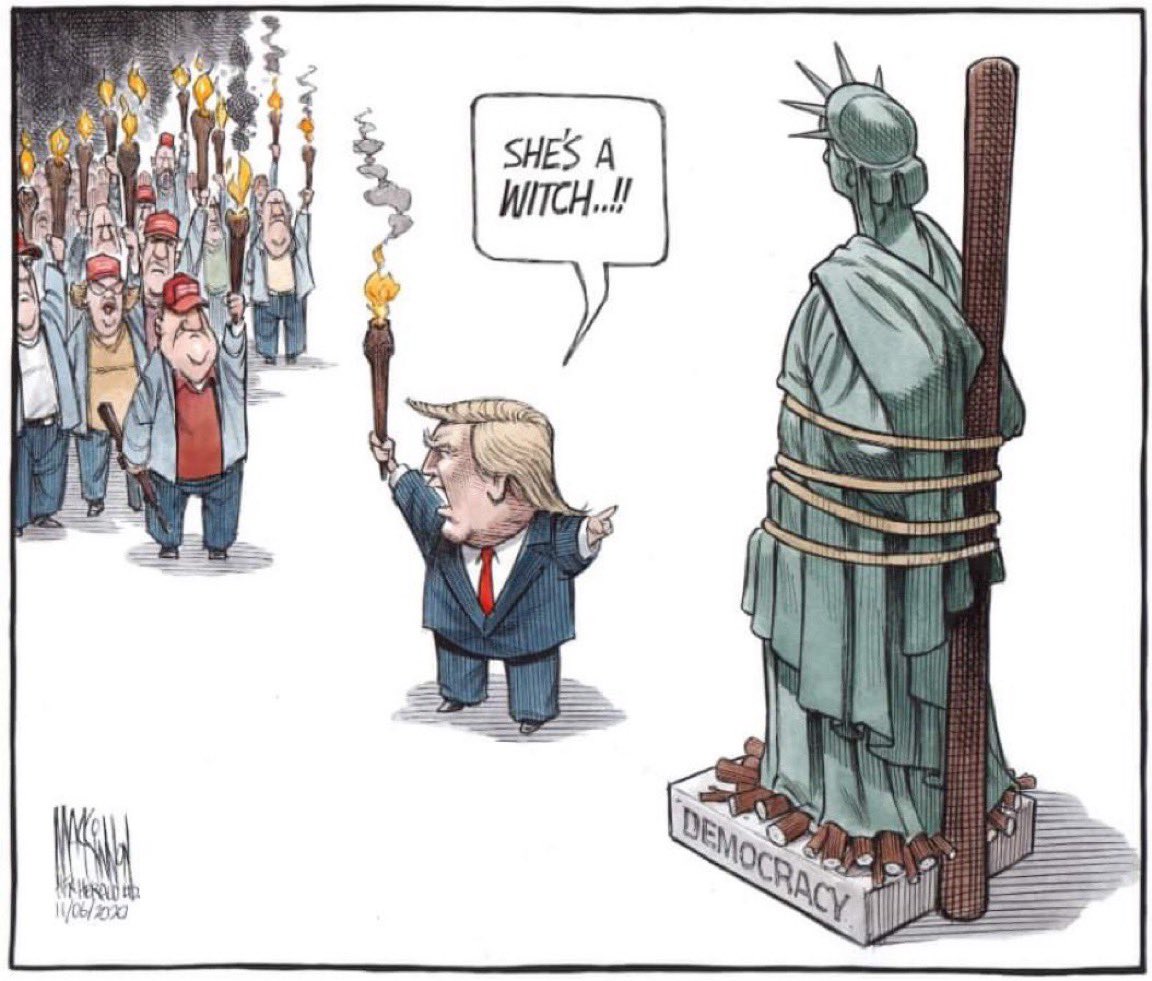


 freedom and reason