I have published several essays on the medical scandal of our time, so called gender affirming care, or GAC, which involves social identification and representation of a gender as the gender it is not (and cannot be), often associated with puberty blockers, cross-sex hormones, and radical cosmetic surgeries, which include double mastectomy, facial feminization/masculinization, phalloplasty, and vaginoplasty. GAC is backed by a junk science supposing, to put the matter in the simplest terms, that people are sometimes born into the wrong bodies. There are clinics across the nation that administer GAC, and all the major medical associations legitimize the procedure. Whether medical professionals do so because of the enormous profits GAC generates, or because they believe that gender identity is akin to sexual preference, is a matter of debate.
As I showed in a recent essay, we have been here before with the lobotomy (The Persistence of Medical Atrocities: Lobotomy, Nazi Doctors, and Gender Affirming Care). A lobotomy, also known as a leukotomy, is a psychosurgical procedure that involves intentionally damaging connections in the brain’s prefrontal cortex ostensibly to treat mental disorders by altering the brain’s function. In the case of GAC, the ostensible purpose is to treat mental disorders (gender dysphoria) by altering the physiology and physical appearance of the subject. The lobotomy doesn’t exhaust the universe of junk science. Nor do the instances of social contagion covered on Freedom and Reason exhaust the universe of mass hysteria and moral panic (Why Aren’t We Talking More About Social Contagion?). We find in the recovered memory scandal at the end of the twentieth century another high profile example of pseudoscientific accounting and manufacture of mass psychogenic illness.
During the 1980s and 1990s, numerous individuals, primarily women, began to “recall” previously forgotten memories of childhood abuse, often “revealed” through therapy. These memories, referred to as “recovered memories,” were “discovered” using various therapeutic techniques, such as hypnosis, guided imagery, and other suggestive methods. The recovered memory movement gained significant momentum during the period, leading to a wave of accusations and legal actions against alleged abusers. Many lives were ruined. (Perhaps the most notorious case was the McMartin Preschool, Exhibit A in the satanic panic episode. See Believing Women and Children and Forgetting History.)
Many of these cases involved accusations of sexual abuse, often against family members or authority figures. The sensational nature of the accusations and the emotional weight of the testimonies led to widespread media coverage and a surge in public concern about hidden abuse. Like the trajectory of genderism, as the recovered memory movement grew, so did controversy and skepticism. Critics argued that the techniques used to recover these memories were not scientifically validated and that they could lead to the creation of false memories. Research indicated that memory is not a perfect recording of events and can be influenced and distorted by suggestion, leading to the phenomenon known as “false memory syndrome.”
High-profile cases and legal battles brought the issue to the forefront of public debate, with some accused individuals being convicted and later exonerated when evidence of memory contamination emerged. Professional organizations, including the American Psychological Association (APA), issued statements cautioning against the uncritical acceptance of recovered memories in therapeutic and legal contexts. The APA established the Working Group on Investigation of Memories of Childhood Abuse in 1993 to review the available evidence and provide guidance. The APA released a report in 1998 that stated that, while it is possible for memories of childhood abuse to be forgotten and later remembered, it is also possible for people to develop false memories of events that never occurred. The report emphasized the importance of corroborative evidence when assessing the accuracy of such memories and urged caution in both accepting memories without further evidence.
Elizabeth Loftus
During this period, American cognitive psychologist Elizabeth Loftus became well known for her work on the malleability and reliability of memory, particularly in the context of eyewitness testimony and recovered memories. Loftus’ research has demonstrated how easily human memory can be influenced and altered by suggestion. She is best known for her documentation of the “misinformation effect,” in which the memories of subjects are altered by exposure to incorrect information. Although false memories are the result of the inherent way brains function, she found that a significant proportion of the population are especially vulnerable to techniques producing false memories. Loftus’ work led to significant reform in the criminal justice process as academics and therapists who theorize that memory repression is a natural survival technique had their beliefs called into question and their legitimacy as expert witnesses against those accused of child sexual abuse challenged. (For a comprehensive overview of Loftus’ work, see her 1994 The Myth of Repressed Memory.)
Despite facing significant criticism and controversy, particularly from advocates of recovered memory therapy and those who believe they were victims of sexual abuse, Loftus’ work continues to be a cornerstone in the field of cognitive psychology and legal studies (I teach her work in my criminal justice courses). There are many experts today who find themselves in Loftus’ situation, skeptics who will (hopefully) change the way people think about GAC but will have to endure the hate and vitriol Loftus suffered (she had been assaulted, sued, and threatened with death). The recovered memory scandal highlights the need for rigorous scientific standards in therapeutic practices and the potential harm of suggestive techniques. More generally, it highlights the ethical responsibilities of mental health and medical professionals, responsibilities corrupted by profit and ideology. It also shows us how bad ideas can sweep through a population with harmful consequences.
I told you this was coming in September of last year (California to Hand Children to the Queer Lobby and the Medical Industrial Complex). Gavin Newsom, the governor of California, recently enacted legislation that puts children and adolescents at significant risk of medical mistreatment for millions children and adolescents. The SAFETY Act (AB1955) invalidates and prohibits any administrative regulation or adopted school board policy that requires “forced outings,” a euphemism used by trans activists to obscure the practice of school administrators, counselors, and teachers keeping parents in the dark about the sexuality and gender identity of their children. Those defending the law claim that it does not limit the ability of parents or students to discuss sexuality and gender identities within their own families in the manner that they choose. That trans activists feel the need to reassure the public that the state is not going to police home life is disturbing. But then the whole concept of the SAFETY Act is disturbing. The law doesn’t protect children. It endangers the health and safety of children and adolescents in several ways.
California state senator Scott Wiener and Governor Gavin Newsom
Adults who keep secrets with children about sexual matters engage in an explorative and manipulative practice known as grooming. Grooming involves establishing a relationship of secrecy and trust to control and exploit a child. By creating an atmosphere where sexual topics are discussed privately and away from the scrutiny of parents, the perpetrator fosters a sense of complicity in the child. Trepidation is instilled in the child that telling his parents about the secret could get the adults with whom he is keeping secrets in trouble. Undermining the child’s ability to disclose the abuse to others creates a distorted sense of normalcy around inappropriate behavior and untoward thoughts. Such manipulation is a critical tactic in preparing the child for ongoing abuse and ensuring that the perpetrator can maintain their control and avoid detection. (See (See Seeing and Admitting Grooming; What is Grooming?)
Trans identifying children and adolescents face a significantly higher risk of suicidal ideations and self-harm compared to their peers. We’re told that this elevated risk is largely attributed to the intense social stigma, discrimination, and rejection trans identifying youth encounter. Many transgender youths experience bullying, family rejection, and a lack of support from their communities, leading to feelings of isolation and despair. (Note the way refusing to “affirm” a child’s false perception is portrayed as abusive.) At the same time, gender dysphoria is associated with higher rates of various psychiatric conditions, including anxiety disorders, mood disorders, and personality disorders. There are correlations between gender dysphoria and conditions such as schizophrenia, bipolar disorder, and cluster B personality disorders (borderline, narcissistic, histrionic, and antisocial personality disorders).
Knowing the child is trans identifying can alert the parent to the child’s digital activity. Too many parents learn too late the necessity of developing an awareness of online interactions and the content their children are consuming. Children are groomed online. Online communities also glorify or encourage self-harm. This knowledge can also alert parents to grooming in the school environment, such as detecting the presence of queer propaganda, which appears in the form of activities, argot, flags, posters, and pornography or other age-inappropriate materials of a sexualized nature. By maintaining vigilance and being proactive, parents can provide the necessary support and intervention to help their children resist cult induction and the indoctrination. Really, parents shouldn’t wait until the signs are present, but the normalization of the queer praxis of transgressing the normative boundaries between adults and children has made parents feel like they’re in the wrong for harboring concern over child sexualization. Grooming is not just about pulling children into the circle of those sexualizing them; grooming also involves manipulating parents.
Recognizing the greater risk of suicidal ideations and self-harm among certain groups of children is vital for parents. Open communication with the child and with schools is therefore crucial. Parents who do not know what is going in their children’s lives may miss the warning signs for self-harm and suicide. Parents should be vigilant for signs such as changes in appetite, behavior, mood, and sleep patterns. Noticing expressions of hopelessness, withdrawal from activities or social interactions, and talk of self-harm or suicide can be crucial indicators. Context is everything; knowing that that one’s child is trans identifying allows parents to make sense of the signs and to seek professional help, as gender identity disorder is a serious psychiatric condition. In seeking this help, parents must learn all they can about the services available to avoid putting their child in the hands of those who push “gender affirming case,” i.e., the road to simulated sexual identities. (See Simulated Sexual Identities: Trans as Bad Copy; Making Patients for the Medical-Industrial Complex; Disordering Bodies for Disordered Minds; The Body as Primary Commodity: The Techno-Religious Cult of Transgenderism.)
I’m afraid I have some terrible news. The governor of America’s largest and richest state has just signed a law that puts 10 million children and adolescents in grave danger of medical mistreatment.
The media headlines have it wrong. They claim that California Governor Gavin… pic.twitter.com/bzr53hZ7We
— Michael Shellenberger (@shellenberger) July 16, 2024
California new law thus removes a crucial element of standard child safeguarding norms by preventing public schools from disclosing a student’s gender identity to their parents thereby enabling child sexualization. This exposes children to potentially irreversible and lifelong medical mistreatment. As Michael Shellenberger points out, these medical practices are predicated on “the pseudoscientific idea that some children are born into the wrong bodies and that we can change a person’s sex through drugs and surgery.” Shellenberger reminds us of crucial developments in the United Kingdom, where pediatrician Hillary Cass was tasked with evaluating the ethics of blocking puberty, administering cross-sex hormones, and performing surgeries on minors to alleviate gender dysphoria, the current designation for gender identity disorder. She concluded that these practices are unethical. She moreover determined that the practice of “social transition,” where a child adopts the identity of the opposite gender, is not a neutral act. It carries psychological implications and is often the first step on the path to medical transitioning.
California’s new law prevents schools from notifying parents when their children are placed on this medical pathway. This represents a serious infringement on the rights of both children and parents. Puberty is a fundamental part of human development, and children have the inherent right to it. No adult should have the authority to block puberty (except in the case of precocious puberty) or engage in any unnecessary medical intervention. Children and adolescents lack the maturity to fully comprehend the long-term consequences of “gender-affirming care.” They therefore cannot provide informed consent. (See Thomas Szasz, Medical Freedom, and the Tyranny of Gender Ideology). Parents have the right to be informed if their child believes they are the opposite gender or feel they were born in the wrong body not only for morality’s sake, but so they can perform their parental duty to safeguard their children. As Shellenberger and others have exposed, internal documents from the World Professional Association for Transgender Health (WPATH) reveal that these medical interventions—hormones, puberty blockers, and surgeries—not only are irreversible but also result in sterilization and loss of sexual function. These are atrocities (see The Persistence of Medical Atrocities: Lobotomy, Nazi Doctors, and Gender Affirming Care.)
Over on X (Twitter), there are thousands of users demanding to see Trump’s medical records. They don’t believe he was struck in the ear by a bullet or that the damage was slight. (Over on Facebook I had a friend tell me that it was a shard of glass from the teleprompter even though both teleprompters were undamaged.) Many are upset by my popular comment to one of these ridiculous tweets:
Why isn't it enough for you that three bullets whizzed past his head—bullets that would have killed him if but a little further to the right? Why isn't it enough that others were injured and that a spectator is dead? Why isn't the fact that an attempt was made on Trump's life…
As you can see above, one of the themes on this and other threads is that folks are justified in demanding answers because others are demanding answers about Biden’s conditions—as if these situations are analogous. There is something clearly medically wrong with Biden. You have to be willfully blind to deny it (millions have been willfully blind for years now). That people want to know what the hell is going on with the man in charge of the nuclear codes, and why the public has been lied to about it for years, is entirely rational, indeed necessary. Is it some form of dementia? Did he have a stoke? Syphilis? Who knew? When did they know? If you don’t care about all that then you don’t care about your country or the safety of your kinfolk and the rest of humanity.
REPORT: New close-up footage shows that Thomas Crooks' shot was perfectly centered in the middle of Trump's head.
In video footage filmed by @C3PMeme, Trump could be seen doing a similar 'head tilt' as he did where he quite literally dodged a bullet.
In Trump’s case, we know what happened to his ear: he was hit by a bullet in an assassination attempt. I watched it live. I heard the shots. There is a photo of the bullet for Christ’s sake. I witnessed people, objects, and structures hit by bullets. There was a man with his brains blown out. his name was Corey Comperatore, a fifty-year-old volunteer fire chief who dived onto his family to shield them from the bullets. There were others—David Dutch and James Copenhaver—who were serious injured. I saw video of the shooter Thomas Matthew Crooks on a roof and his body after the threat he posed was neutralized. Even if no bullets had hit Trump it wouldn’t change the fact that there was an attempt on his life—and that is the heart of the matter. If the attempt on his life had been the actions of a lone wolf motived by a death wish campaign by Democrats and the corporate media (see They Tried to Kill Donald Trump Yesterday) or organized by the deep state to eliminate Trump before the convention so Nikki Haley could be nominated in his stead, it was still an attempt on Trump’s life. You’re fucking batshit crazy to deny that—and not to care.
A New York Times photographer took a once in a lifetime photo
I have seen memes that the blood was fake, that it was ketchup (a former drummer of mine shared such a meme), that it came from a blood capsule that Trump smashed against his ear as the shots rang out. It was staged, they claim. Not a handful of people say this. The number of threads on X about how the assassination attempt was a setup (maybe it was, but not the way they think it was). If they don’t believe it was staged, then they must believe that the president is clairvoyant and knew so far ahead of time that somebody was going to shoot at him and that the bullets would whiz past his right ear that he carried to the rally a blood capsule he could break on his ear in order to make an assassination attempt on his life appear even more dramatic than it did. If it was staged, are we also to believe that the firefighter didn’t die or that Trump is so evil that he had the firefighter killed to make the attempt appear more realistic? I actually heard in a man on the street in view segment a man who said that Trump cares so little for human life that it would no problem at all for him to sacrifice an audience member to make the assassination attempt appear realistic.
Even the corporate media is asking about the medical report. NBC News runs the headline “Three days after the shooting, Trump reveals little about his medical condition.” Ronny Jackson, Trump’s former White House physicians, whose nephew’s neck was grazed by a bullet, dressed the wound this morning and reported that Trump was missing “a little bit at the top” of his ear. Of course, you can see that from the photos. To be sure, there are questions in need of answering. How did this happen? Was it a lone gunman? If so, did he work alone? Why did the police and secret service do such a lousy job of protecting the president and the audience? How did they fail to prevent the event at all? Was it intentional? In any serious investigation, all these questions would be on the table. But that an attempt was made on the man’s life and that he was centimeters away from death or serious injury is not in question. This happened. You don’t need to see his medical records or the wounded ear. What you need to do is acknowledge is the brutal truth of what happened: somebody tried to assassinate the president.
We all know what the freakout tells us: Democrats believe that this event may increase Trump’s chances of winning the presidency again. They know that it is not the assassination attempt per se, but the way the man rose like a lion in defiance of an attempt on his life. Audience members said that when the president did this the fear left their bodies. Courage is contagious. Trump’s actions made obvious what many of us already knew about him: Trump is not putting his life and livelihood on the line for ego. The man has lost hundreds of millions of dollars, scores of friends, and now nearly his life to do what he believes is right. I’ve been following Trump since the 1980s and his love of the United States and the issues that shape his campaign have been the same issues he has talked about for decades (see Republicans and Fascists). Deep down, his detractors know they see before them an authentic man with extraordinary instincts and leadership qualities—and they know that everybody everywhere sees it, too—and they despair. Ideologically blinded, they simply cannot believe their eyes because they are overcome with irrational hatred and loathing for the man.
A lot of progressives are mocking Christians by wondering how it is that God intervened to save Trump’s life yet also put the assassin on the roof top. You might ask how it was that Hobbits had to deliver the ring when there are eagles who can do it. The alleged paradox is to express a profound ignorance of the faith in question—or the point of the story. I could simplify the point by simply saying that neither Judaism and Christianity are Islam, but I want to say more than that. I’m not a Christian. But that doesn’t mean I’m not charitable. There are tens of millions of Christian Americans and among them are tens of millions of good and reasonable hard-working people. I want a government that reflects their will as much as any other.
Free will and divine providence are inherent in the Jewish and Christian faiths. They’re part of the dialectic of history (which flows through Hegel and Marx, as well). Satan is the personification of an obstacle thrown before righteous people so that they might overcome and rise to a plane of higher unity and ever greater collective self-perfection. There is no progress without struggle. The Old Testament is the story of nationalist struggle, nationalism here defined as a people, the Jewish people. Although the story is often told in metaphor and parable, its heart is the beating heart of living man. That man was cast out of Eden so that he might be free. To realize his potential, he had to confront the world. Christians also believe this.
The Eye of Providence
That a young man would choose to attempt to assassinate a president is, in the arc of history, an instantiation of an obstacle the people overcome and rise above. This brings us to the question of theodicy, a subject I will not touch on here except to say that the young man is made possible by the forces that put that desire in his head. We know what and who those forces are. They’re Earthly. And determined. They’re the obstacle. A people are led to overcome the obstacle this desire makes by men who see and hear, whatever their imperfections (all men are flawed, Moses no less so).
What is providence? It is the protective hand of God or of nature—Nature’s God, as our Founders knew it. It’s the eagles in Tolkien’s story. To reduce eagles to deus ex machina is to miss the point of struggle. But it’s more than this. Providence is timely preparation for future eventualities, the rational overcoming of obstacles to open the way forward so we may perfect ourselves as a people—as a nation. Providence is the emergent truth of the moment we see and hear if we understand. If we do, we step from the path that produced the obstacle and pursue instead the way opened for us. There will be more obstacles along the new path, of course; in the end, men make the history that both produces both obstacles and future paths. But that’s free will. That’s morality’s source. We are responsible for the things we do because we choose to do them. To do the right thing, we have to understand. We have to grasp the hand of providence. Matthew told Jesus’s followers in his gospel (13:17) “that many prophets and righteous men desired to see what you see, and did not see it; and to hear what you hear, and did not hear it.” Matthew is speaking to those who understand. This is what is conveyed by righteous men pointing towards the right side of history.
As a great Christian man once told us: the arc of history is long, but it bends towards justice. This is only true because some see and hear and act. They see and hear because they understand. They act because they are restless and dissatisfied. You don’t have to be a Jew or Christian to understand or to act. You just have to listen and work things out. Tragically, the world today is a world where a great many people practice cerebral hygiene, responding to the world not on the basis of knowledge but tribal programming. They are as much an obstacle as those who put untoward desire in the heads of young men. The future of the nature depends on overcoming these obstacles.
“There is nothing wrong with America that cannot be cured by what is right with America.” —Bill Clinton (1993)
I updated yesterday’s essay (They Tried to Kill Donald Trump Yesterday) with a Hillary Clinton video I forgot to include. She has been a major player in the progressive project of stochastic terrorism that provoked Saturday’s assassination attempt. America dodged a bullet when she lost in 2016. Federalism and the Electoral College are the work of geniuses. Here’s the video:
Hillary offers an extraordinary, concise example here of the type of incendiary fear-mongering that was normalized at the highest level of Democrat messaging on Trump.
– Trump will do away with elections – Trump will do away with his opposition – Trump will do away with a free… pic.twitter.com/7tPSqRTjX7
The tactic may have succeeded in provoking an assassination attempt, but it isn’t working to advance the corporate state agenda. I am sure you heard by now that a federal judge in Florida, Aileen Cannon, has dismissed the criminal classified documents case against former President Donald Trump on the grounds that Attorney General Merrick Garland’s appointment of special counsel Jack Smith as prosecutor for the case violated the US Constitution. The case serves to illustrate the lawlessness of the Democratic Party. Are the authoritarian tactics of the Democratic Party unraveling. Will this grand old republic make it after all? That’s up to us.
President Ronald Reagan shaking hands with future president Donald Trump at a reception in the Blue Room November 1987.
Here’s the bottom line: Convicted felon Donald Trump and those around him—Steve Bannon (currently in federal prison for refusing to speak with the illegitimate January 6 select committee), Peter Navarro (wrapping up his federal prison sentence for the same offense), and others—talk about policies. They’re unequivocal in articulating their ideas. They’re not hiding anything. They want a strong national economy that puts Americans citizens and legal residents first. They want an education system that teaches children the things children need to know to make an independent life for themselves and to build strong families and communities. They want a government that works from democratic-republican principle and protects individual rights and liberties. They want a foreign policy that keeps the peace.
Democrats don’t talk about their policies. Why would they? Democrat policies collectively represent the managed decline of the American Republic. Democrats rule by administrative degree. They feed the military-industrial complex with forever wars. They push globalization—off-shoring good-paying jobs and opening the borders to millions of foreigners. They depolice our neighborhoods and put violent criminals back on the streets. They use the public school system to indoctrinate children in woke progressive ideology. They divide the people by race, religion, ethnicity, etc., with DEI programming. It’s a classist and racist party that runs roughshod over republican systems of democratic governance and undermines our civil liberties and rights.
Democrats know they represent losing issues—because they don’t represent the American people. They represent the corporate elite and the credentialed class. The Democratic Party platform is in substance anti-American. At times, they openly hate the country (never forget what they said about America during the George Floyd riots). Instead of being honest about what they have in store for Americans, they encourage the population to obsess over Trump, repeating the Big Lie that the president and the patriot represents fascism when in fact the authoritarian corporate state machine is their baby.
We fail history by doing anything less than casting our votes in the most effective manner. It’s time to kick the Democrats to the curb. It’s time to reclaim the republic for ourselves and our posterity—indeed for the world and all of humanity. America is the greatest experiment in liberty in history. We can’t let her fail.
“It’s time to put Trump in a bullseye.” —Joe Biden, July 8, 2024
I expressed my concern in a 2023 essay The Continuing Campaign to Unperson Donald Trump that somebody would take it upon himself to (using the covert operational euphemism) terminate with extreme prejudice the former president Donald Trump. After all, progressives and pundits have aggressively pushed the narrative that the “MAGA extremists” represent a fascist movement, Trump is Hitler, and the former president’s second time as president will end democracy and his political opponents will be hunted down and imprisoned or worse. Therefore, under no circumstances, can Trump be allowed to be president again. That’s the vibe.
The New Republic’s cover just a few days ago
That’s been the vibe for quite a while now, and a big part of the vibe is cover for the authoritarianism of the Democratic Party. Over the last several years, ever since a Trump presidency became a firm likelihood, the Democratic Party has warned the public that Trump and MAGA represents everything the Democrats have been doing during those years—organizing chaos in the streets, a deep-state coup, high-production show trials, imprisoning hundreds of patriotic Americans, waging lawfare against Trump and associates (Giuliani, Bannon, Navarro, and many others), harassing, intimidating, even jailing citizens exercising their First Amendment rights.
More than this, several politicians and pundits have engaged in stochastic terrorism directly targeting the president. Stochastic terrorism refers to the use of public communication to incite random acts of violence by individuals without directly commanding them to do so. This form of terrorism relies on the idea that by spreading inflammatory rhetoric and provocative propaganda, a certain percentage of the audience will be influenced to commit acts of violence. The perpetrators so incited are typically “lone wolves” who act independently, making it difficult to predict or prevent specific attacks. The trick of stochastic terrorism is that the instigators get to claim plausible deniability, since they do not explicitly direct any particular attack. Instead, they create an environment of fear and hostility, increasing the likelihood of violent acts occurring randomly but with a shared ideological motivation.
Look at what this Democrat said on live TV about Trump @RepDanGoldman
Remember Representative Daniel Goldman (D-N.Y.) apologizing in December 2023 for his “poor choice of words” when he said former President Trump must be “eliminated” to protect democracy. Goldman knows such words cannot be taken back. Goldman is hardly the only one to use this type of rhetoric when talking about Trump.
— Five Times August (@FiveTimesAugust) July 13, 2024
Joe Biden has been one of the main instigators. Recall Biden’s notorious September 2022 speech in front of Independence Hall in Philadelphia, cast against a blood-red fascistic backdrop. “America is at an inflection point,” Biden said, “one of those moments that determine the shape of everything that’s to come after. And now America must choose to move forward or to move backwards.” “MAGA forces are determined to take this country backwards, backwards to an America where there is no right to choose, no right to privacy, no right to contraception, no right to marry who you love.” Scary stuff, if it were true. But it’s not.
Biden personalized the threat to the nation in that speech, name-checking Trump three times with fist raised in the air in angry voice. Describing MAGA Republicans as embracing an “extreme ideology,” Biden said, “there’s no question that the Republican Party today is dominated, driven, intimidated by Donald Trump and the MAGA Republicans. And that is a threat to this country.” These words are telling the public in no uncertain terms that Donald Trump is public enemy number one, the archenemy of the state, a singular and unique danger to democracy and freedom. Not the millions of military age men flooding across the southern border. Not the country with thousands of nuclear weapons NATO antagonized. Trump.
Every American should watch this video, especially those on the left who are about to start preaching about "lowering the temperature."
This was the President of the United States dehumanizing and vilifying 35% of the country on primetime TV.
At the time, NPR reached out to Democratic strategist Joel Payne to get his thoughts about the speech. Admitting that Biden “walks a thin line,” Payne rationalized: “I think it also helps juice the base with moral clarity on saving the democracy.” The operative phrase, “saving the democracy,” with Trump, the analog to Emmanuel Goldstein, the principal enemy of the Oceania in Orwell’s Nineteen Eight-Four, projected upon the screen to focus the hate.
Hillary offers an extraordinary, concise example here of the type of incendiary fear-mongering that was normalized at the highest level of Democrat messaging on Trump.
– Trump will do away with elections – Trump will do away with his opposition – Trump will do away with a free… pic.twitter.com/7tPSqRTjX7
“What we’re seeing now is either the beginning or the death knell of extreme MAGA philosophy,” Biden told Democrat donors in the Washington suburb of Rockville that same month, his remarks reported widely in the media. Calling out those he labeled as “extreme,” Biden said, “It’s not just Trump, it’s the entire philosophy that underpins the—I’m going to say something, it’s like semi-fascism.” Later that same day at a rally, Biden told the crowd: “The MAGA Republicans don’t just threaten our personal rights and economic security. They’re a threat to our very democracy. They refuse to accept the will of the people. They embrace political violence. They don’t believe in democracy.” Biden said that “the survival of our planet is on the ballot.” If Republicans win control of Congress, “it won’t matter where you live: Women won’t have the right to choose anywhere. Anywhere.”
Remember when Stacey Plaskett, a Democrat Delegate to the US House of Representatives “accidentally” said “He [Trump] needs to be sh*t” ?? pic.twitter.com/34R0RgtbuK
So, it was no surprise to me when, last night, a sniper attempted to take Trump’s life. “This evening, we had what we’re calling an assassination attempt on our former President Donald Trump,” FBI Special Agent Kevin Rojek, Pittsburgh field office, told reporters. “We do not currently have an identified motive,” he added. Rhetorical caution is characteristic of FBI public pronouncements, but the motive is clear enough. The shooter, Thomas Matthew Crooks, twenty, from Bethel Park, Pennsylvania, about 40 miles south of the Butler rally, donated to the Democrat activist group ActBlue on the day of Biden’s installation as president. He took an AR-15 to the rally, situated himself atop a single-story warehouse 150 yards from where the president stood, and squeezed off eight rounds. The first missed the president by centimeters. The second struct the president’s ear. Had the president not dropped to the ground, the third would have likely struck his temple. The shooter was finding his target, sweeping left to right. Then, with Trump on the ground, Crooks squeezed off five more rounds, striking several others in attendance.
Comparison appears in the Washington Post
When Democrats compare Trump to Hitler and tell us his re-election is the end of democracy, they’re projecting. Not that their president can be compared to Hitler; as Sheldon Wolin told us in Democracy, Inc., “inverted totalitarianism” needs no dictator—indeed, that’s part of its angle, namely, to dissimulate power. Unlike traditional totalitarianism, which relies on a charismatic leader and overt control, inverted totalitarianism emerges from within a facially democratic system and operates through the normalization of corporate influence and the erosion of democratic institutions. It involves the convergence of corporate and state power, leading to the prioritization of corporate interests over the public good.
Under these arrangements, the political system driven by economic imperatives, with the government acting as a facilitator of corporate power than as a representative of the people’s will. Media and public discourse are manipulated to create a passive, disengaged citizenry, distracted by consumerism and spectacle. This form of governance maintains the appearance of democratic processes and freedoms while hollowing out their substance, resulting in a society where the mechanisms of control are more diffuse and harder to detect but no less effective. Putting this bluntly, Democrats are not defending democracy against fascism but the other way around, with the new fascism working under the cover of managed democracy.
Managed democracy refers to a system where democratic processes and institutions exist but are manipulated to ensure outcomes that favor those in power. It’s characterized by control over elections, where the corporate state controls the media, restricts opposition activities, and manipulates electoral laws to ensure a predictable outcome. The media is controlled or heavily influenced by ruling elites, limiting free and open debate and promoting the corporate agenda. Opposition parties and movements are allowed to exist but preferably as controlled opposition, in any case facing significant obstacles such as legal restrictions, harassment, and limited access to resources and media. The judiciary and other key institutions are controlled or manipulated to serve the interests of the ruling power rather than acting independently. The state invests in propaganda and public relations campaigns to shape public perception and maintain a veneer of legitimacy and democratic normalcy. Managed democracy maintains the facade of democracy—such as holding regular elections and having democratic institutions—but the substance and genuine democratic participation are negated or significantly undermined.
At the core of the Democrat Party’s notion of democracy, is the corporate state, which rules via technocracy, a system of governance where decision-making is dominated by elite-selected professionals, scientists, and technical experts rather than elected representatives. In this system, the emphasis is on efficiency, expertise, predictability, uniformity, and other features of bureaucratic control systems at the expense of democratic accountability and participation. Technocrats prioritize technical solutions to societal problems, ostensibly relying on data and specialized knowledge to guide their decisions. This governance style estranges the public, as decisions are made by experts who may not be responsive to the needs and values of ordinary citizens, excluding the voice of those who are affected by the decisions technocrats make.
Whereas democratic republicanism defines the government in terms of the people’s will with protections for individuals and minority groups, that is, the people own the government, technocrats see democratic republicanism and classical liberal values as obstacles to overcome to deliver on ruling class interests. The result is a system that appears to be efficient and knowledgeable on the surface but lacks the democratic legitimacy and inclusiveness of a more participatory form of government.
Trump with fist raised in defiance after surviving an attempt on his life
This is the new fascism—inverted totalitarianism, managed democracy, and technocratic control—and we must address it as a matter of republican duty. We must call out the inversion of reality that makes republicans out to be fascists and fascists out to be democrats. But we have to do this in way that doesn’t risk political violence. To be sure, the fact of having the truth on our side means that identifying those engaged in the big lie is righteous. At the same time, the propaganda machine, as powerful as it is, will portray the accurate identification of authoritarians as an instance of calling the kettle black, since elites have deeply embedded the false assumption in the prevailing social logic. Democrats smear Trump and his followers as fascists as a routine matter and the characterization is taken as given, which is why so many people secretly support Trump. To be sure, the reverse is true, but we need to tell this truth in a way that makes it difficult for Democrats to accuse liberals and republicans of endangering Democratic politicians and pundits. It is clearly by design that Democrats project their fascistic desires onto republicans as a way of having their cake and eating it too. We have to short-circuit their bamboozle.
The best way of going about tis to address the structural problems and politics of authoritarianism, fascism, and totalitarianism by understanding these ideologies and relations as systemic issues rather than merely personal attributes of individual actors. Biden is not a fascist in the sense Democrats falsely portray Trump. Today’s fascism is not yesterday’s fascism; and, in any case, fascism and national socialism were never reducible to Mussolini or Hitler. By pursuing structural analysis, one examines how institutions, policies, and societal norms contribute to or resist authoritarian tendencies. This approach identifies and critiques patterns of power, oppression, and erosion of democratic values without reducing complex political ideologies to individual personalities.
Conversely, smearing individuals as fascists or authoritarians oversimplifies and personalizes complex political debates, and potentially leads to polarization and the undermining of meaningful dialogue. While Democrats rarely worry about alienating voters in the heartland (recall Clinton’s characterization of Trump supporters as “deplorables”), Republicans need the big tent to counter progressive control over American institutions. Moreover, personalizing politics risks exposing individuals to harm by those who see the world in the good and bad of personalities rather than in system terms. It’s crucial to condemn authoritarianism and fascism as ideologies that threaten freedom and human rights while avoiding the personalization of these critiques—unless of course their actions clearly warrant such scrutiny, but then never in a way that advocates violence.
As I have argued in several essays on Freedom and Reason, the antidote to the corporate statism is the reclamation of democratic-republic rules of governance and reestablishing the classical liberal values outlines in our great Bill of Rights. It is obvious that the democratic-republican rules of governance, as outlined in the US Constitution—the separation of powers, federalism, the rule of law, and checks and balances—have under decades of progressive influence and Democratic Party rule the founding scheme been thrown out of whack. The solution? Throw Democrats out of power at the ballot box and deconstruct the administrative state.
The classical liberal values outlined in the amendments to the United States Bill of Rights emphasize individual freedoms and protections—freedoms of speech, religion, press, assembly, and petition; the right to keep and bear arms; protection against unreasonable searches and seizures, requiring warrants based on probable cause; guarantees of due process of law, protection against self-incrimination, and safeguards against double jeopardy and property seizure without just compensation; prohibition against excessive bail and fines, as well as cruel and unusual punishment. I remind the readers of these amendments because they collectively promote individual liberty, personal security, and fairness in the justice system. This is what we seek.
Democratic participation, through organizing and voting, embodies the virtues of republicanism and the ethic of nonviolent resolution of conflicts. When citizens organize, they build community, raise awareness, and advocate for change through collaboration and constructive dialogue, fostering empowerment and shared purpose. Voting, a cornerstone of democratic systems, allows individuals to express preferences and hold leaders accountable, ensuring that the will of the people is manifest in policies that improve the lives of the common man.
Political violence undermines all this and the stability of national life, perpetuating vicious circles of fear and retaliation. Democratic participation offers a constructive and non-violent means to address grievances and achieve progress. By embracing the ballot box and grassroots organizing, and rejecting political violence, societies nurture a culture of mutual understanding, respect, and tolerance, strengthening the foundations of democracy.
One party is the party of violence. It is not the Republican Party, however must progressives share images and video of January 6 (what was in reality a police riot and the work of agent provocateurs). During the summer of 2020, the United States experienced rampant political violence amid widespread protests and civil unrest that conservatives and liberals alike opposed. The violence, egged on by the Democratic Party and the corporate media, ostensibly sought to address systemic racism and police brutality, both mythic constructs peddled by progressives across the sense making institutions. In truth, it was a cover for extreme violence to disrupt the 2020 presidential campaign—a color revolution. Arson, looting, property damage, and confrontations between rioters and law enforcement in several cities, as well as between rioters and civilians, resulted in scores of injuries and the deaths of more than two dozen people. All this allowed Democrats to mask their authoritarian ambitions behind a facade of social justice. They did the same thing with the pandemic. They rigged 2020. They installed a leader through subterfuge, disorder, and violence.
Readers must remember that, throughout American history, the Democratic Party has been the party of slavocracy, Jim Crow segregation, and corporate statism. During the nineteenth century, Southern Democrats strongly supported and defended the institution of slavery, viewing it as essential to their economic and social structure. The Republican Party was instituted to end slavery and save the republic from dissolution at the hands of Democrats. Following the Civil War and Reconstruction, Democratic-led Southern states enacted segregationist laws and policies that enforced racial segregation and disenfranchised African Americans. These policies persisted well into the twentieth century, perpetuating systemic racism and inequality across the United States. Today, the Democrats are the party of identitarian politics, yet another method of governance designed to divided the working class.
Trump and the populist movement represent a potential end to the highjacking of the American Republic by authoritarians and technocrats—the inverted totalitarianism of the status quo. This is why there was an attempt on the man’s life yesterday, an attempt encouraged by the defenders of that status quo. We have to educate people about the true history of power in the United States. They control the sense-making institutions, so it won’t be easy. But then democracy and freedom never have been easy.
(Note: As soon as this went live a moment ago I remembered an essay I published June 14, Mouth Breathers in the Democratic Party, in which I summarized parts of the Pew Research Center published the report Cultural Issues and the 2024 Election which covered, among other things gender identity, immigration, and racial diversity. In there I noted, as I noted in the present essay, that the share of survey participants who say that sex at birth determines whether someone is a man or a woman has increased since 2017. The note I want to make here is that the trend documented by three time points is now documented by four. As of June 2024, nearly two-thirds of Americans say that sex at birth determines whether someone is a man or a woman.)
Don’t assume in what I write today that I believe majority opinion determines the validity of truth claims. The validity of truth claims is a scientific endeavor, not a majoritarian one. If 99 of a 100 people believe X, and the one believes not-X, and X is false, then the one is right. The point I make here is concerns the problem of ideologically captured spaces and the leading of intelligent people to irrational beliefs that sometimes result in harmful action. We see this in religious systems all the time. I know a great many smart people who believe in souls and devils. They are free to do so, of course. At the same time, there are those who are not so smart, or a bit deranged, the true believer, who take a doctrine seriously and act on its basis.
As this essay is about public opinion, it might be useful to note at the outset that undesirable ideological systems can sometimes clash with even less desirable ones. In the case of gender ideology, traditional religious beliefs often inoculate individuals from belief in other impossible things and the terrible things that logically follow. Protestants make up half of the US population, and while a great many of them have been out front in expressing their desire to limit women’s reproductive rights, especially since the 1970s, more than three-quarters of Protestants—87 percent of white evangelicals—believe gender is determined by sex at birth, and their numbers have been growing. That Protestants are largely correct on the question of gender is due not only to the biblical view of man and woman; many Protestants subscribe to science and the obvious, but only science uncorrupted by gender ideology (for the obvious, see what you see, Matthew 13:17). We can thank for this the broad immunity Christianity provides to the scientism of woke progressivism, where science has become a neo-religion controlled by the corporate state.
Of course, we must keep fighting to secure reproductive freedom. As a general rule, we cannot depend solely on religious people to fight the good fight given all the other stuff that comes with religion. Rather we join with the clear-headed in this fight; resistance to the medical-industrial ritual of releasing authentic gendered souls with hormone and scalpel finds the readiest allies among Protestants. Indeed, as we shall see, atheists and agnostics are the least useful in the struggle to stop the atrocities because they are the most likely to believe the lie that gender is myriad and mutable. The row of reason is a hard one to hoe in light of the deep roots of ideological tangle in part born of the human need for religious-like belief in a secular society. (Poll numbers on religiosity and beliefs about gender can be found here.)
Babies and associated colors
It seems obvious to me that those for whom the progressive-captured corporate state media, culture industry, education system, and government bureaucracy play a major role in determining attitudes are more likely than the general population to agree with the statement “trans women are women.” I work at a university, and this impossibility is widespread among administrators, students, and the professoriate. To be sure, I know colleagues and students who disagree with the slogan; but for a few fearless students, they have told me in strict confidence, fearful of the consequence of expressing heretical ideas in the church of higher education. Indeed, I am the only one among my faculty who publicly states the truth of the matter (see The Snitchy Dolls Return).
The reason for this is obvious to the honest sociologist who studies politics and ideology. The quality of belief in many of those I work with is of the same quality as the religious beliefs I grew up around, even while many of them eagerly declare their atheism. To illustrate, I have a colleague who made a testimonial in my presence (in a struggle session I should write about in the future), the story of a trans woman’s journey of authentic self-discovery that convinced him that people can change their gender. In transition, everything about his past now made sense. All his mental health issues were explained. He was really always a woman. That was the problem. I have many times heard Christian converts tell an identical story in form, only the content was different: it was the distraught individual for whom Jesus put everything in relief. As an atheist, it’s a surreal experience to sit in a room of people with advanced degrees who believe that which is so easily disconfirmed; as a sociologist who studies religious systems, cult indoctrination, and tribal commitment, I understand it.
At the same time, atheists are especially vulnerable to the myths of gender ideology, what I categorize as a neo-religion. More than three-quarters of atheists and two-thirds of agnostics disagree with the scientific statement that gender is determined at birth. Atheists and agnostics, despite their rejection or skepticism of traditional religious beliefs, often find themselves drawn to systems and ideologies that fulfill similar roles in their lives. This phenomenon can be attributed to the human yearning for meaning and transcendence, a drive that seems almost instinctual (see Peter Berger’s 1967 master work The Sacred Canopy). Political and social movements can provide atheists and agnostics with a structure that addresses existential questions and the need for spiritual fulfillment. These apparently secular belief systems encompass narratives of belonging, cultural enrichment, moral imperative, personal development, and social progress, fulfilling the deep-seated need for a coherent worldview that connects individual lives to something greater than the self. This is the need that propels the social justice warrior—the secular mujahideen. The impulse toward transcendence underscores a universal human desire to find significance in existence, transcending the confines of one’s immediate, personal experience. (Poll numbers can be found here.)
Fortunately, in part because of the aforementioned pervasiveness of Protestantism, most Americans do not subscribe to the irrational beliefs that have colonized the terrain of higher education and other elite sense-making institutions. Surveying 10,000 adults, a Pew Research Center survey published June 28, 2022 found that 60 percent of Americans agree with the statement that whether a person is a man or a woman is determined by “sex assigned at birth.” Significantly, the proportion of the population who agree with this statement is increasing, up from 56 percent in 2021 and 54 percent in 2017. Use of movement and industry propaganda found in the construct “sex assigned at birth” makes the question leading to this methodologist’s eyes; at the same time, in asking if the gender identity is determined by the sexual identity of the individual, the question usefully embeds the assumption of binary, a primary fact of gender.
We find troubling things in the crosstabs. For example, among Democrats younger than 30, around 72 percent say someone can be a man or a woman even if that’s different from the sex they were “assigned at birth.” Age is less of a factor among Republicans. In fact, at 88 percent each, similar cohorts of Republicans ages 18 to 29 and those 65 and older say a person’s gender is determined by their sex at birth. Republicans are much better than Democrats generally on the science of gender, again partly attributable to the greater degree of religiosity among Republicans. But there is among Republicans and conservatives, categories that capture many of today’s liberals, a general skepticism the claims of corporate medical science. We saw this for example in resistance to lockdowns, masking, social distancing, and vaccine mandates among conservatives. Protestants still seek medical help, but they don’t eschew prayer on their way to the hospital.
The 60 percent of those who remain rooted in the real world on the question of gender includes those who work in corporate state media, the culture industry, the education system, and government bureaucracies. However, those who believe that persons can change their gender, be both genders simultaneously, or who can be genderless altogether are overrepresented in the institutions and organizations to shape private and public life. If those individuals were excluded from the sample, that is, if only those who lived, worked, and studied outside the environment of progressive-captured institutions were surveyed, the proportion of Americans who believed that gender was binary and immutable would be much greater than six in ten. Put another way, existence beyond the ideological tangle of dominant sense-making institutions makes it more likely that a person will have a better handle on the truth of gender (race relations and a great many other things, as well).
A useful example of why we need to be careful in assuming ubiquity in the sense-making institutions is revealed in a February 22, 2024 survey by Pew Research Center on the question of whether gender identity should be taught in school. Whereas only fourteen percent of teachers (elementary, middle, and high school) agree that children should be taught that whether someone is a boy or a girl is determined by sex at birth, half of all teachers agree that gender identity should not be taught at all, suggesting that the matter is at least unsettled or that instruction based on gender identity is age-inappropriate. At the same time, public schools still play an outsized role in confusing children over gender, with around third of parents with K-12 students reporting that at least one of their children has learned about people who are transgender or nonbinary from a teacher or another adult at their school. Given the size of the k-12 system, it only takes a few administrators and teachers to put children on the path towards gender confusion. In the 2020–21 school year, there were 3.8 million full- and part-time public school teachers. Moreover, it is very often the case that, whatever the beliefs of the employees, the system itself requires them to administer curriculum they otherwise wouldn’t. Remember, these surveys are anonymous. How many teachers are compelled to festoon their classrooms with movement propaganda in violation of the First Amendment?
As suggested at the outset, a large majority doubting the claims of gender ideology does not make those claims false. The claims are false because they are demonstrably so by the lights of scientific materialism uncorrupted by queer theory. Nonetheless, that most Americans are correct in their beliefs on the immutability of the gender binary is heartening. It also makes obvious the reality that progressives control our sense-making institution, so much so that the majority moves through ideologically-captured spaces with their heads down, fearful of the repercussions if they didn’t. Tens of millions of people act on bad faith because they suppose the ubiquity of gender ideology, a perception reinforced by the silence of others. Parents astonished as the festooning of their child’s school with movement propaganda typically say nothing believing they’re alone in their silent objections and fearing the smear of bigotry. The same occurs at the doctor’s office, with the conditioned sense of subordination adding another layer of suppression.
Beyond the value of integrity of truth in opinion, Americans who say a person’s gender can be different from their sex at birth, which the construction “sex assigned at birth” invites them to do (see here and here), are more likely than others to see discrimination against trans people and a lack of societal acceptance. In other words, those who have incorporated into their belief system the core fallacy of the gender identity movement are more likely to believe that trans identifying individuals belong to an oppressed category and that our society hasn’t gone far enough in accepting people who are transgender when trans identifying people belong to arguably the most privileged category in Western society, so privileged in fact that they are increasingly invited to transgress child safeguarding norms.
On the other hand, those who disagree that a person’s gender can be different from their sex at birth are more likely to disagree with queer demands—at least as an anonymous subject in a public opinion survey. For example, only around a third of Americans say that it is important to use somebody’s preferred pronouns, mirroring the proportion of Americans who believe somebody born a man can be a woman. This rises to just over half when only Democrats are asked, so we can see the role of ideology and tribal identity at work (the Democratic Party is the greatest threat to reason in America today). But the numbers are promising and it’s the goal of Freedom and Reason to help raise mutual knowledge about the fact that most and a growing number of people do not accept the bogus claims of trans activists. You can help by pushing out my content. Thanks for reading.
I have studied the many of the numerous volumes in the Heritage Foundation’s Mandate for Leadership series, including the latest volume Agenda 2025. The series started under Ronald Reagan (the first volume was rolled out in 1981). Just as they are now, progressives made a huge deal about it then. Yet it’s pretty much the same agenda every time. We know the conservatives at Heritage have no love for labor, are pro-life, want to restructure entitlements, etc. There’s nothing novel on those fronts in this cycle’s installment of the series.
What is different this time around is the plan to deconstruct the administrative state—the unaccountable, unelected, unconstitutional fourth branch of government that progressives established over the century of corporatization of society and wield to micromanage daily life in America and press into mass consciousness corporate state and globalist ideology. Want to know how public school education normalized the sexualization of children and why our dominant institutions are governed by DEI instead of meritorious accomplishment? That’d be the administrative state. (See Project 2025: The Boogeyman of the Wonkish.)
What Heritage realized was that Trump’s first term in office (2017-2021) did not come with a plan to deconstruct the administrative state, most crucially a roster of activists and experts who would fill those executive branch offices in a newly configured and much smaller federal bureaucracy. The permanent political apparatus in Washington thwarted many of Trump’s efforts, just as overbearing corporatism stifles elected officials in European capitals, which makes it possible for the transnationalists to control the transatlantic space by directly engaging centralized state power.
It took a bit for Heritage to awaken to the fact that the establishment wing of Republican Party—the neoliberalism/neoconservative uniparty philosophy Democrats integrated into their hegemony, marked by global corporate and military projection—was seriously rivaled by the emergence of populism in the party, a long time in development going all the way back to Ross Perot (see Republicans and Fascists). Trump and MAGA represent the crossover. With any luck, the establishment Republican Party is on its deathbed. But it will take more than luck; a Trump victory would likely seal its fate.
Therefore, Heritage has finally realized, along with a lot of conservatives and liberals, that MAGA in its durability and passion and in its tens of millions represents a grassroots populist movement that affords America a real opportunity to reclaim the democratic-republic principles of federalism and limited government and separations of powers our Founders envisioned. Republicans had partially realized this in the wake of the Civil War—until the rise of the corporate state, represented by the party of the slavocracy and Jim Cow. Populists are taking the Party of Lincoln back to its roots in the American Creed, as well as the classical liberal ethics of the Enlightenment, which is what animated the Founders in their recognition of civil and human rights (see Republicanism and the Meaning of Small Government). Who is the party of the Bill of Rights today? Let’s just say that if you think it’s the Democrats you’re living in fantasy land.
Agenda 2025, like all volumes in the series, represent an inventory of legislative and policy items that presidents may take or leave. No Heritage Foundation mandate has ever been adopted in total, or even in significant part. It’s not the Trump campaign’s agenda. What Trump, Bannon, and the other populists want out of the document is finally an actual plan to dismantle the technocratic apparatus that progressives use to administer the populace through extra democratic means. With the Court overturning the Chevron deference, which supercharged the administrative state, the people have a real opportunity to reclaim their republic (see Celebrating the End of Chevron: How to See the New Fascism).
This is why Project 2025 is receiving so much attention: progressives realize that their means of controlling people are under threat by the forces of liberty. They decry the movement to reclaim the Creed by accusing MAGA of what it is: fascism. Democrats are masters of projection. Deconstructing the administrative state is in fact anti-fascist/anti-totalitarian. It will shrink the regulatory agencies corporations use to drive small capitalists out of business. It will reduce the power of the ATF, CDC, CIA, DHS, FBI, and the myriad of other alphabet organization that lord corporate state power over the people.
The decontextualized and superficial way Project 2025 is being portrayed by Democrats and the corporate state media needs to be countered. But there is in the end a simple way of looking at the matter. Attitudes about this document boil down to whether you support party and ideology and the transnationalist project or whether, on the other hand, you believe in America and the constitutional republic the Founders fought and died for.
This past March, I published an essay Passive-Aggressive and the Depoliticization of Antagonisms through Medicalized Jargon in which I argued that psychologists in the service of the capitalist and managerial classes have effectively medicalized class conflict as a depoliticizing maneuver, delegitimizing the reason workers resist exploitation and oppressive control by psychologizing their motive, i.e., by dissimulating the social antagonisms that lie at the heart of the capitalist mode of production. In today’s essay, inspired by a conversation with clinical psychologist and addition expert Gloria Hamilton (Professor Emeritus Middle Tennessee State University), I explore a similar construct, that of “pathological demand avoidance” (PDA), that appears to serve a similar function and represent an instantiation of the same corporate state desire to control individuals.
Typical PDA traits
The construct originates in the work of Elizabeth Newson in the 1980s. A child psychologist, Newson (working with others) observed a distinct set of behaviors in some children that differed from the more typical presentations of what is now called autism spectrum disorders (ASD). She coined the term to describe a profile characterized by an extreme avoidance of everyday demands and expectations and a need to control situations and interactions. Individuals with PDA exhibit high levels of anxiety and are often driven by the need to feel in control, ie., an intolerance of uncertainty. This can manifest in a range of behaviors such as pretending to be unwell (the sick role) and social manipulation to avoid demands (see The Field of Dreams of Childhood Trauma).
The avoidance in PDA is not limited to challenging or significant demands but can extend to everyday tasks and interactions, making it difficult for persons with the condition (assuming it as such for the moment for purposes of description) to engage in regular routines or comply with requests from others. This often results in heightened levels of frustration and anxiety for both the individual and those around them, including family members, caregivers, and educators. Crucially, unlike other autism profiles, individuals with PDA may display more socially strategic behaviors, which can sometimes mask their underlying difficulties.
In their work proposing this for inclusion in the DSM, “Pathological demand avoidance syndrome: a necessary distinction within the pervasive developmental disorders,” Newson, Le Maréchal, and David, describes individuals with PDA as autistics who exhibit an unconventional and superficially high “degree of sociability,” which facilitates social manipulation as a significant skill. Manipulation, which is typically defined as the artful or unfair control others for personal advantage, carries connotations of insidiousness—subtle, to be sure, yet harmful. Thus, labeling someone with PDA implies that their social skills are perceived only in terms of their utility for manipulating situations to their advantage, potentially disregarding genuine social difficulties and underlying autistic traits. (Are we instead describing somebody with a Cluster B personality disorder who is also on the autism spectrum?)
From a sociological perspective, the concept of PDA can be interpreted as a manifestation of individual resistance to the overbearing demands imposed by bureaucratic and corporate systems. In highly bureaucratic societies, individuals are subjected to constance and numerous demands, expectations, and regulations. These demands can be seen as an extension of corporate social control, shaping individuals’ behavior and imposing a strict conformity to organizational norms. PDA typically manifests in early childhood, suggesting that bureaucratic elements may not be the primary factor but an exacerbating force; however, the early introduction of children into corporate society, starting with school at age four and often even earlier with day care, with early child care and education becoming increasingly corporatized, creates an environment where children are subjected to constant demands and structured routines from a very young age.
The term “corporatized” refers to the process by which organizations, institutions, or activities adopt the characteristics, practices, and operational styles of corporations (see my recent essay Are Progressives Smarter Than Everyone Else? which contains a lengthy treatment of the social logic corporate bureaucratic arrangements and its effect). This includes a focus on efficiency, profitability, standardization, and hierarchical management structures. When applied to settings like childcare and education, corporatization conveys the emergence and elaboration of environments that prioritize cost-effectiveness, measurable outcomes, and streamlined processes, oftentimes coming at the expense of individual needs and personal interactions.
For children predisposed to PDA, the highly demanding and regulated environment of corporate bureaucracy expands, elaborates, and intensifies the inventory of avoidance behaviors. In the case of late-onset PDA, then these “symptoms” (attitudes and actions) could very well represent ordinary resistance to overbearing control by individuals not prepared for such experience. The constant pressure to conform and comply with organizational norms in these settings will naturally heighten anxiety and avoidance behaviors, trigging the need for greater control, and exacerbating the symptoms of PDA. Thus, even if the origins of PDA lie within the individual, or at least some individuals, the corporatized nature of early childhood care and education can significantly influence the expression and severity of PDA behaviors.
When individuals exhibit behaviors that avoid or resist these demands, the system tends to medicalize their attitudes and actions. Psychiatrists and other medical professionals frame the behavior as a psychological issue rather than a rational response to the stress and pressure of bureaucratic expectations. Like the psychiatric category of passive-aggressive criticized in that March essay, this medicalization serves to depoliticize and individualize what is essentially a form of social resistance. The medical diagnosis of PDA can thus be seen as a way to pathologize behaviors that challenge or disrupt the smooth functioning of bureaucratic systems. By labeling these behaviors as pathological, the system shifts the focus from the social and structural causes of the behavior to the individual’s psychological state. This shift allows the system to maintain its legitimacy (thus authority) and control, as it portrays the issue as a personal deficiency rather than a critique of the broader social structure. The effect is to normalize oppressive relations and stressful conditions.
In essence, then, the avoidance behaviors seen in PDA can be interpreted as a micro-level form or personal manifestation of resistance to macro-level social demands. Individuals may consciously or intuitively reject the constant pressures of compliance and conformity imposed by bureaucratic and corporate organizations. The medicalization of such resistance transforms a potentially political and social critique into a personal medical issue, thus neutralizing its subversive potential and reinforcing the status quo. That PDA lacks a clear and distinct diagnostic criteria, and the fact that there is ongoing debate within the professional community about its validity as a separate profile within the autism spectrum, raises suspicions among sociologists (at least this one), that in many cases this may not be a genuine medical diagnosis, at least not without some elements that exist independent of the bureaucratic environment, the elements of which (efficiency, calculability, predictability, productivity, uniformity) have become ubiquitous. We might consider how PDA might have looked in premodern societies and, more importantly, whether it appeared at al. What is more, in the psychological community, the question of whether this is really oppositional defiant disorder (ODD) raises the further question of whether ODD is itself a psychiatric category or yet another instantiation of the medicalization of personal resistance to bureaucratic circumstances.
A useful critical perspective comes from social psychologists who propose the concept of “rational demand avoidance” (RDA). Replace the word “control” with “agency,” “autonomy,” “independence,” “self-determination,” that is, swap the need of the individual to control their environment with the individual need to resist irrational and external controls, and one comes to a very different conclusion. Damian Milton and Richard Woods, both autistic individuals who challenging stereotypes and advocate for inclusive practices that respect autistic ways of being, have suggested RDA for this reason. They argue that what is labeled as PDA may actually be a rational response to excessive and unreasonable demands placed on individuals, particularly in highly structured and overbearing environments and demands. From their standpoint, behaviors associated with PDA are not pathological but instead logical reactions to maintain autonomy, resist overwhelming external pressures and associated stressors. They advocate for a more nuanced understanding of demand avoidance, reconceptualizing it as a potentially adaptive behavior in response to oppressive or overly demanding circumstances, rather than as a developmental disorder.
From a critical sociological standpoint, therapies designed to help individuals prepare for life in a world dominated by corporate bureaucratic control are at the same time a form of indoctrination preparing them for inclusion in a highly controlled environment. This perspective suggests that therapy does not simply address individual needs but implicitly accepts and reinforces the structures of overregulated society. Therapeutic approaches that emphasize collaboration, negotiation, and reducing perceived demands aim to manage behaviors associated with PDA by building trust and reducing anxiety, creating environments where individuals feel heard and understood. However, these methods suggest a need for broader societal redesign. The changes proposed for supporting individuals with PDA—fostering empathy, flexibility, and a reduction in rigid demands—would benefit everyone, indicating the need for a societal shift towards more humane and less controlling structures. This reimagining of therapeutic principles as a blueprint for societal reform challenges the acceptance of an overly bureaucratized world, promoting a vision of a more inclusive, understanding, and flexible society.
Therefore, however we are to conceptualize this phenomenon, it is clear that the therapeutic principles used to support individuals with PDA—collaboration, negotiation, and reducing perceived demands—point to the necessity of broader societal changes. As C. Wright Mills tells us in his 1959 The Sociological Imagination, and Thomas Szasz in his landmark 1960 essay “The Myth of Mental Illness”), the problems that plague individuals often suggest that the current societal structure, which imposes rigid demands and prioritizes efficiency over individual well-being, might very well be fundamentally flawed. These are instead, Szasz says, “problems of living.” Embracing these therapeutic principles on a larger scale could lead to a more humane and flexible society that benefits everyone, not just those with PDA. This rethinking of societal norms aligns with the idea that therapy should not just prepare individuals for an overly controlled world but should also advocate for a world where such extreme control is made unnecessary.
* * *
There are two other features of PDA I haven’t addressed. I am still thinking about these and how they might represent resistance to overbearing social expectations. The first is the feature of individuals appearing especially comfortable in role play and pretend. This differs from typical role-playing and imaginative escape in notable ways. While all children engage in imaginative play as a natural part of development, for those with PDA pretend a distinct purpose of avoiding demands placed upon them. Thus individuals with PDA exhibit a more strategic use of role play to avoid or negotiate social situations. Heightened ability to immerse the self in roles is a coping mechanism, allowing the individual to navigate social expectations in a way that feels safer or more manageable.
The second feature involves obsessive behavior focused on other people, which manifests as an intense preoccupation with individuals or specific social dynamics, sometimes to the exclusion of other interests or responsibilities. Unlike general curiosity or interest, the focus in PDA can become all-consuming, leading to persistent thoughts, questions, or behaviors directed towards others. This behavior can impact relationships and daily interactions, as the individual’s attention may fixate on particular people or relational dynamics. This obsessive focus may fluctuate based on perceived threats or personal goals, often serving the individual’s need for control or understanding within social interactions.
Feel free to comment with ideas about how these fit with my critique of corporate bureaucratic relations and the attempt by medical professionals to pathologize the ways individuals negotiate the overbearing conditions these relations represent, especially in light of individual differences.
Right out of the gate, Jack Turban’s essay fails. Turban, an assistant professor of child and adolescent psychiatry is founding director of the Gender Psychiatry Program at the University of California, San Francisco (here is his webpage). If you fall for his psychobabble, then congratulate yourself for recognizing that you live in an ideological bubble that shields you from your awful natural capacity to reason.
Turban asserts that there is a better way to think about gender identity and he doesn’t like it when his better way is rejected, which is to say that he is very defensive about the fact that gender identity is a bogus construct and when it is said of those confused about gender that they are so because of social contagion. “Others have decried the rise in adolescents identifying as transgender and nonbinary as a ‘social contagion,’ likening gender diversity to a disease,” Turban tells us, with scare quotes around the term.
There is no ulterior motive behind the concept of social contagion. This is not a trick of language to manufacture a false perception. Social contagion is the very real process by which irrational attitudes, behaviors, and emotions, etc., rapidly spread through groups. It’s also known as mass hysteria, mass psychogenic illness, and moral panic. Turban surely knows about the phenomenon, its various names, and that it’s well-documented. It’s seen, for example, in rapid-onset and situational Tourette’s. (See Why Aren’t We Talking More About Social Contagion? See also The Future of a Delusion: Mass Formation Psychosis and the Fetish of Corporate Statism.)
Dr. Jack Turban thanking bike company SoulCycle for promoting gender ideology
It is in fact Turban who wants this to be a disease. He wants this to be a condition his industry classifies as “gender dysphoria,” the prescribed treatment for which involves hormonally altering and surgically modifying the bodies of children based on the delusion that they are not the gender they are. The construct was first introduced in the Diagnostic and Statistical Manual of Mental Disorders (DSM) in its fifth edition (DSM-5), published by the American Psychiatric Association (APA) in 2013. This term replaces the most accurate albeit still problematic disease construct “gender identity disorder.” (See Fear and Loathing in the Village of Chamounix: Monstrosity and the Deceits of Trans Joy)
How does one explain to a boy that he is not a dinosaur or a dog? If he is determined to believe this, if this desire persists over time, then have him examined. When it is confirmed that he is in fact a human boy, then whatever psychological approach is helpful in helping him come to terms with that should be deployed. It would be unthinkable to accuse those working with such a boy of engaging in “conversion therapy” because they disabuse him of the notion that he is either of these things. This assumes a priori that he is in fact what he is not and cannot be and meant to be that. What doctor in his right mind would use chemicals, hormones, and surgeries to alter the boy’s physiology and physical appearance to make him appear as either? No amount of dysphoria would justify that.
Let this sink in. Turban is pushing a disease model that only works with one type of disease despite a plethora of analogs, a disease that necessitates chemical alteration of physiology and surgical modification of the body while accusing those who are aware of the medicalization of a social phenomenon and the problems this will cause for families with an affected children of being the ones pushing a disease model.
Turban has three elements to the argument he uses to bamboozle parents. The second is the gender role. I will leave that one to the side (it’s a sideways but obvious endorsement of gender stereotypes) and look at the first and third, which are really the same thing. The first is Bob Stoller’s crackpot notion of “gender identity,” manufactured in the late 1960s (Bob also believed in dream telepathy—see Fear and Loathing in the Village of Chamounix: Monstrosity and the Deceits of Trans Joy). “The most basic part of gender identity is what I call our transcendent sense of gender,” writes Turban. (Bob would love this.) “In a way that goes beyond language, people often just feel male or female, and some more strongly than others.”
They “just feel male or female.” In other words, as I have been telling readers for a while now, this is a religion, replete with the construct of a soul: the transcendent gendered self—an angel or spirit—put in the wrong body, a body wrongly assigned a gender at birth. (By whom? A doctor.) The “transcendent gendered self” is not verifiable, as it’s entirely subjective. There’s no evidence for it. It can’t be rationally explained. It escapes language. It’s just a feeling, a feeling where a boy who is not a girl somehow knows what it would feel like to be one and, because he feels this way, he must be one. (See The Pelvis Tells the Story: Archeology and Physical Anthropology are Most Unkind).
It’s a feeling that one is not allowed to have about race. How does a white girl feel like a black girl? Why can’t she have chemicals to turn her skin darker? Why can’t she undergo facial racialization surgery? Her black self is her transcendent self. How can you deny her this? It’s her feeling, not yours. Ask Rachel Dolezal. She has always felt this way. At least that what she tells us. Why do you doubt her? (Am I a bad person because I do?) (See Stepping into Oppression; Racecraft and Witch Hunts. The American Humanist Association Tries Cancel Culture; The Strange Essentialisms of Identity Politics.) Swap out gender for race (or another species of animal) in Turban’s evidence for gender identity: “Some of my young patients draw themselves as a certain gender and have a ‘wow, this is me’ feeling.” That’s Dolezal. (For the record, when I was a kid, I was asked to draw myself as who I would like to be when I grew up and I drew a hippie. But it probably had nothing to do with the fact that this was in the late 1960s.)
“Others have strong positive feelings when people use certain pronouns for them, or strong negative feelings when people use other pronouns,” Turban writes. “As is the case with many emotions, it’s hard to describe this transcendent feeling in words.” Turban is telling you that, except for what a person says, there is no way to differentiate between a boy who says he is a girl because he finds it sexually arousing to perform a female activity or enter a female space, on the one hand, and a boy who really thinks he’s a girl, on the other. There’s no argument for why that shouldn’t matter (and lots of arguments as to why it should).
“The third part of gender identity is the physical domain—how we feel about our bodies,” Turban writes. As noted, this is the first part of gender identity. “Some people identify as transgender and are happy with their bodies. Others are distressed by their gendered physical attributes,” he continues. This is an interesting construction: “gendered physical attributes.” Since gender is determinable by gamete size and reproductive anatomy (again, if ambiguous, then chromosomes) why the need for three words when there is one word (gender) that sums up the entire thing? Overcomplicating things is a strategy that groomers use to confuse the target.
“This incongruence can lead to eating disorders, anxiety or depression,” Turban writes, “which is when doctors may consider gender-affirming medical interventions.” He should have thrown in more DSM diagnostic classifications. Why not? Gender dysphoria can be the master explanation, the underlying disease model, for a host of psychiatric disorders, all of which can be treated by manufacturing simulated sexual identities that require life-long patient care. (See Simulated Sexual Identities: Trans as Bad Copy; Feeding the Medical-Industrial Complex.)


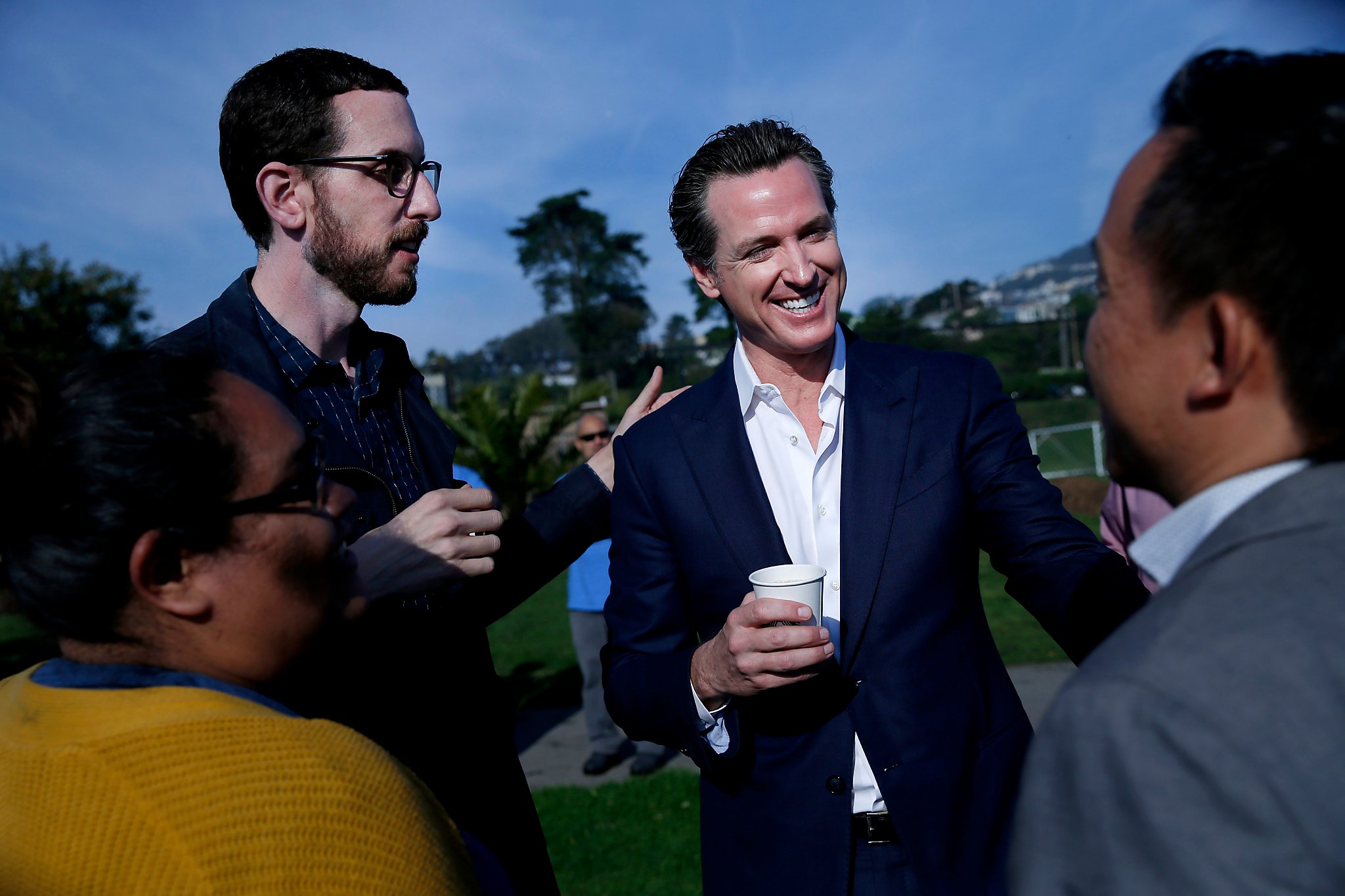


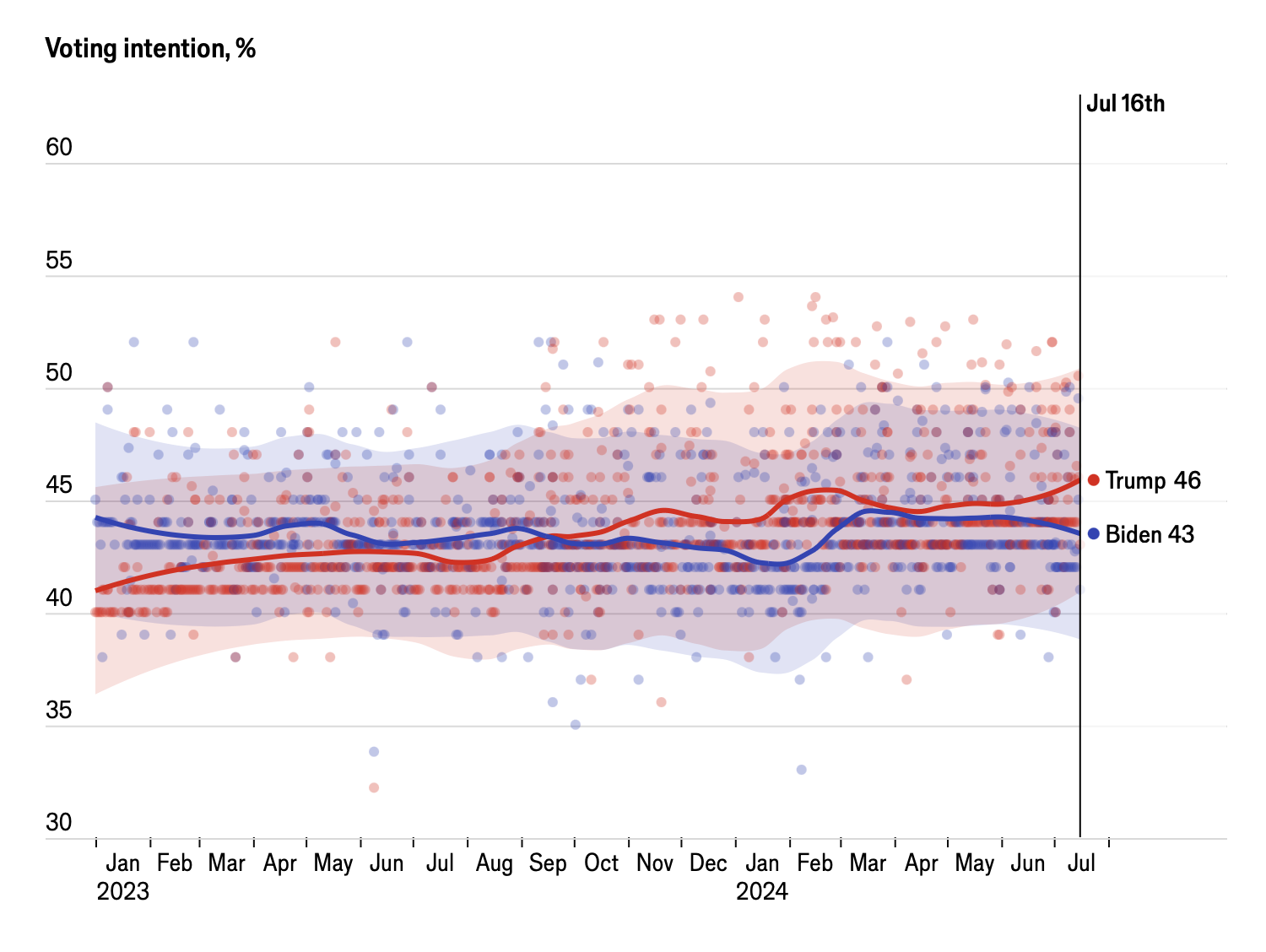







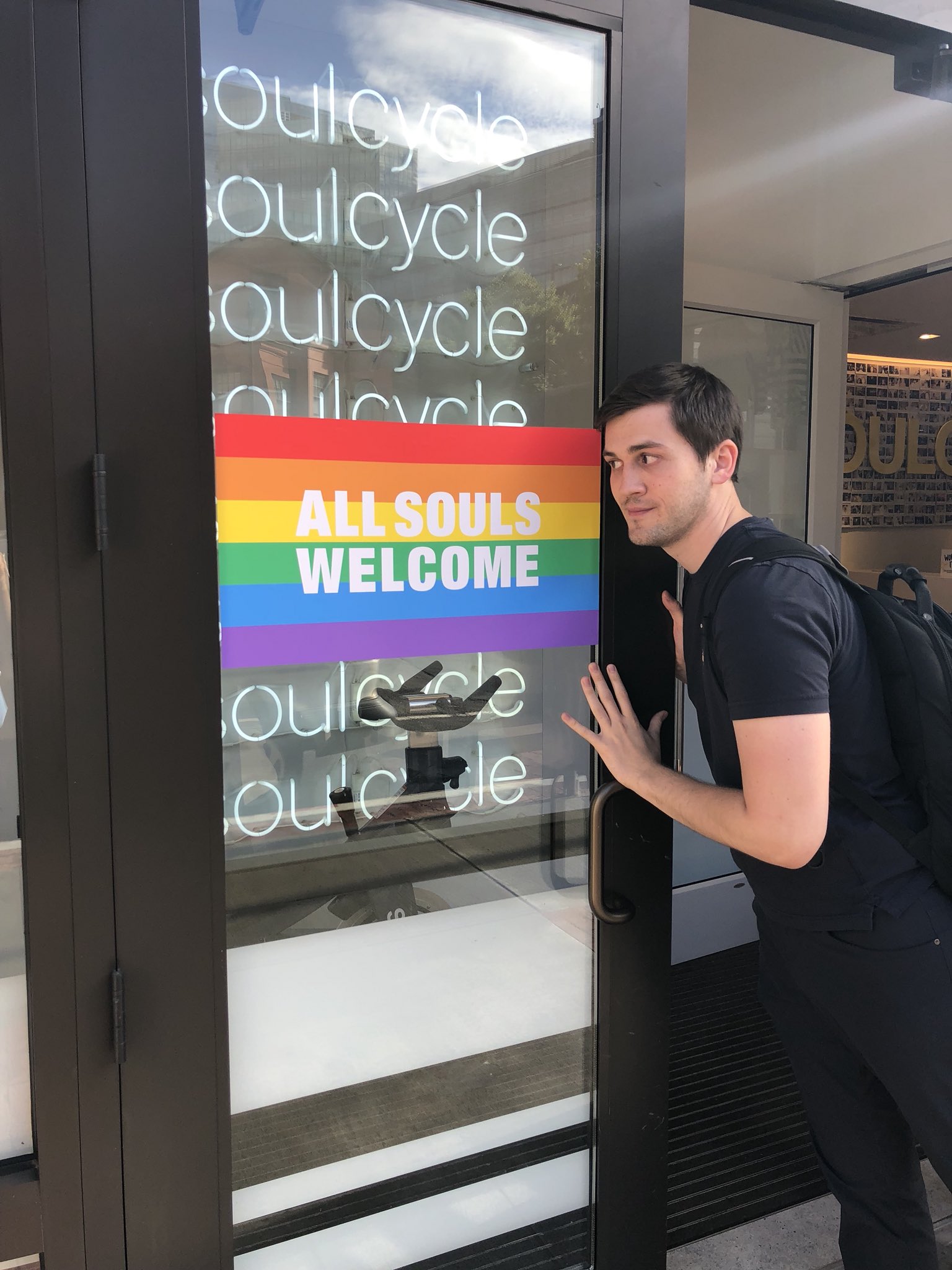
 freedom and reason