Dr. Phil held a debate between those who advocate gender ideology, which rests on the queer theory claim that gender is a performance, versus those who operate from a reality-based standpoint, which assumes gender is associated with sex, both of which are rooted in natural history and universal sociocultural understanding. In this blog, I explain how gender ideology obscures reality to advance a cultural-political agenda and show why sex and gender are relatively uncomplicated features of material reality.
The clip I want you to view, which starts at 13:34, is cued, but if it doesn’t automatically start from that mark, then please scroll to it. You will have to manually stop the clip at 15:`19. You can watch the entire discussion, but there is a particular point Kara Dansky, the author of The Abolition of Sex: How the ‘Transgender’ Agenda Harms Women and Girls, makes that I want to amplify in this blog. Dansky is a powerful voice on this issue and I want you hear this from her.
In the context of biology and natural history, the term “gender” was originally used to describe the genotypic differences between male and female plants and animals. The term was used at least as far back as the 17th century to describe the differences between male and female plants of the same species. The English botanist John Ray is likely the first to do so, at least we know that he did, and usage of the term became widespread among botanists in the following centuries. In 1872, the British biologist Charles Darwin used the terms “gender” and “sex” to differentiate between the female and male genotypes of animal species.
Gender ideology has, with the help of some dictionaries, redefined basic terms in this area and manufactured an overcomplicated explanation to disguise the original meaning and usages. One should always be suspicious when confronted with convoluted and jargon-laden verbiage designed to appear as if the author is conveying deep meanings that elude non-specialists. As somebody trained in the social sciences, it was obvious to me from the beginning that postmodernist language was manipulation in this way. Queer theory is founded on postmodernist epistemic. It was Michel Foucault, the godfather of queer theory, who told his devotees that sexuality is “socially constructed.”
Gender and sex is not complicated when working from the standpoint of natural history. Mammals are a class of warm-blooded vertebrate animals characterized by several distinct features, including having fur or hair, mammary glands that produce milk for their offspring, and (with few exceptions) a four-chambered heart. All mammals reproduce sexually, with males and females each producing specialized reproductive cells called gametes. Gametes are haploid cells, meaning they contain only one set of chromosomes. In mammals, male gametes are called sperm cells, while female gametes are called eggs or ova. Sperm cells are produced in the testes of male mammals through a process called spermatogenesis, while ova are produced in the ovaries of female mammals through a process called oogenesis.
During sexual reproduction, a male mammal will release sperm cells into the female’s reproductive system, where they will travel through the fallopian tubes to reach the female’s egg cell. If one of the sperm cells successfully fertilizes the egg, the resulting zygote will contain a complete set of chromosomes and will, if everything goes well, eventually develop into an embryo. Gametes thus play a crucial role in the reproduction and survival of mammalian species, allowing for genetic diversity and the continuation of life through sexual reproduction.
Mammalian species always come in two genotypes: female and male. As it is in nature, there are genetic and hormonal abnormalities (e.g., chromosomal, androgen insensitivity syndrome, congenital adrenal hyperplasia), that can affect the development of the sex of the species, but these defects are rare and anomalous and do not represent a continuum of sex in the species. Humans, like all mammals, are either female or male. The sex binary is real and unalterable.
Humans have developed language to communicate with one another, and a key feature of language is accurately and efficiently conveying the reality of the world, which is of vital necessity in collectively exploiting and navigating the environment and negotiating social interactions. Gender has become a way that individuals can discuss sexual matters a species-specific way.
Suppose you are on a farm and the farmer is telling you about his bull. A bull is the adult male of the bovine species. The pronouns follow intuitively. The bull is a he because he is a male. When the farmer is talking about the bull, you don’t need to process the information concerning the animal’s gender and sex. You instead focus on what the conversation is about, which is probably not the obvious fact that the bull is a male bovine. There are other males and females of other species on the farm, but you know which species of animal is under discussion because of the species-specific gender.
Judith Butler tells us that gender is a performance. A person many perform gender, such as when a man performs as a woman in drag, a performance that typically demands of the audience suspension of its disbelief. But gender in itself is not as a performance. It is not in its essence a social construction (albeit aspects of gender are socially constructed, which we can plainly see in cultural and historical variability in the categories). The man in drag only pretends to be a woman. He cannot be one, just as the bull cannot, even if we suppose male bovine are clever enough to perform as cows, be a cow. While a person, because he can imagine, may suppose he is many things (an alien, Jesus, a cat, whatever), he is really only what he is from an objective standpoint. One isn’t what he thinks he is unless what he thinks he is what he really is. Otherwise, he has fallen pray to delusion or illusion. It does not matter what a person thinks of himself. It matters what he is. There is no gender identity apart from the objective fact of the man’s gender. His body is not a vessel in which he travels. He cannot trade in his body for another. He is his body.
Postmodernism, the epistemic upon which Foucault and Butler stand up their arguments, is the main source of language contamination in the current period. Postmodernism rejects the possibility to objective truth, which leads to relativism, a standpoint where all ideas are deemed equally valid, regardless of their empirical validity or logical consistency. Postmodernism views all cultural practices are viewed as equally valid and worthy of respect, regardless of their impact on human rights or individual freedoms. As such postmodernism is fundamentally anti-science, viewing science as just another way of knowing, rather than as a rigorous method for uncovering objective truths about the world. Postmodernism focuses on identity politics and social justice issues at the expense of objective analysis and inquiry. With its rejections of all claims to objective truth, morality, and meaning, postmodernism promotes nihilism. Postmodernism is a corrupting force and it has left in its wake a trail of confused, broken, and ruined people.
Carlson was forced out because he had become a populist. He was speaking the language of democratic-republicanism, rational Christianity, and liberal ethics. The more he sounded like a founding father, the more the corporate state loathed him.
Carlson’s program, “Tucker Carlson Tonight,” had long been the most popular news program on cable
Carlson’s opinions are contrary to the goals of the managed decline of the American republic. And he had millions tuning in every night. Populist-nationalism represents the single greatest threat to the emerging transnational order of things.
Carlson was hammering away nightly at the administrative state, economic inequality, the suppression of thought and conscience, and the military-industrial complex. He wasn’t reckless like Trump. He had facts in back of him. And integrity.
Possibly the speech that led to his firing, Carlson speaks at the Heritage Foundation 50th Anniversary gala
Subservient to corporate state interests, putting a stop to consciousness raising is something around which all cable news media can come together. Carlson is still under contract. Can he go to another network? If not, then Murdoch has effectively silenced him for the 2024 election cycle.
But they misread the moment. Populist-nationalism is on the move. The elite won’t stop it by legally hassling Bannon and Trump or kicking Carlson off of Fox. They won’t stop it by menacing parents in the heartland. All that does is strengthen the case against them.
You may have heard that the murder rate in the 25 states that voted for Donald Trump in 2020 has exceeded the murder rate in the 25 states that voted for Joe Biden in every year from 2000 to 2020. Red states are therefore more violent than blue states and that’s because red states have lax gun laws and lots of guns. That’s the claim, anyway.
According to Colin Woodard, director of the Nationhood Lab at Salve Regina University’s Pell Center for International Relations and Public Policy, writing for Politico, “On a regional basis it’s the southern swath of the country—in cities and rural areas alike—where the rate of deadly gun violence is most acute, regions where Republicans have dominated state governments for decades.”
We are hearing this a lot: that where there are more guns there are more guns violence—and the South is where there is the greatest concentration of guns in the United States. Several aggregate studies purport to show this. I stipulate that the evidence generally supports the correlation. However I dispute the claim that it is the prevalence of guns or lax gun laws that produces high rates of gun violence in the South. A closer analysis taking into account demographics supports my argument.
We should note before getting into it that most gun deaths are suicides. The CDC reports that 54 percent of the 45,222 gun deaths in 2020 were suicides, whereas 43 percent were homicides. The remaining percentages were accidental, police-related (at least some of which were suicide-by-cop), or undetermined. Woodard’s charts show that the region with the most suicides is not the region with the most homicides. We should also note that the 19,384 gun homicides is a subset of the 24,576 homicides perpetrated in 2020. Thus, nearly 79 percent of homicides in 2020 were perpetrated by somebody using a firearm. Most of those homicides involved handguns.
Recently CNN treated its readers to an anecdotal account, making a connection between the mass shooting at a downtown Louisville Old National Bank location, perpetrated by a 25-year-old bank employee named Connor Sturgeon, and Kentucky’s lax gun control laws. In “Kentucky has some of the least restrictive gun laws in the US,” Josh Campbell and colleagues report: “Experts attribute gun violence across the state to relaxed laws in obtaining firearms and the absence of any training requirements to handle a legally purchased gun.”
Who are the experts? The journalists cite CNN contributor Jennifer Mascia, founding staffer at The Trace, a nonprofit outlet (activist group) focused exclusively on gun violence. However, Kentucky is not in the top ten states with the highest rate of homicide in America. This blog will focus instead on those ten states: Louisiana, Missouri, Mississippi, Arkansas, South Carolina, Alabama, Tennessee, Maryland, Illinois, and Georgia.
Thirteen-year-old Chicago kids encouraged to brandish guns by adult gang member
There is possibly another reason why gun homicides are so high in reds states: the proportion of blacks in the state population in red states is generally much greater than the proportion of blacks in blue states. Fifty-six percent of blacks live in the South. Since blacks commit most murders in the United States—62 percent last year, according to the FBI, despite comprising 13 percent of the population—it follows that these states with a larger proportion of the population comprised by blacks would have higher gun homicide frequencies and rates.
This is not to argue that blacks are naturally more homicidal than whites. This is not a racial thing, if by race we mean grouped genetic differences between demographic categories coded as racial identity; the genetic differences between blacks and whites are trivial. But even if they were significant, where is the evidence that violent tendencies are inherited? (Didn’t Michael Gottfredson and Travis Hirsch debunk those claims decades ago?) Rather, blacks are overrepresented in those neighborhoods that are associated with higher rates of murder.
This is not to suggest that the difference in murder rates between neighborhoods is entirely directly linked to structured inequality, either. To be sure, structure plays a major role in the production of social disorganization associated with higher rates of crime and violence. However, culture is a source of attitudes unfavorable to obeying the criminal law. From a materialist standpoint, culture grows out of social structure. Culture is not reducible to that structure. It moreover, in dialectical fashion, shapes social structure. Government policy also plays a role in culture formation, seen for example in the destruction of the black family (see Poor Mothers, Cash Support, and the Custodial State). Overrepresentation of black in serious criminal violence is a product of a subculture that encourages disobedience to authorities and law. (See How Progressive Criminal Justice Policy Puts Black Lives at Risk; America’s Crime Problem and Why Progressives are to Blame; Progressive Panic Over Guns; Demoralization and the Ferguson Effect.)
Bill Maher discusses urban gun violence with Glenn Loury
Here are the ten states mentioned earlier. Except for Illinois and Missouri (the latter status as a southern state is debatable), the states with the highest homicide rates are southern states. First, the percentage of the state population comprised by blacks in parenthesis:
Here are homicide frequencies for each state in 2020, in the order specified above, with race identified. The tables are from the FBI Crime Data Explorer.
The data are very clear. In states with high rates of gun homicide and violence, those lawfully possessing guns, disproportionately whites, are underrepresented in gun violence. The solution to gun violence is not gun control. Indeed, if the presence of guns does not explain variability in homicide rates, and it doesn’t, then gun control measures are not merely unnecessary, but they could make citizens less safe. The solution to the overrepresentation of blacks in serious crime is to address the structural inequality that continues to disorganize these neighborhoods, while also confronting the culture of lawlessness associated with these disorganized conditions. Key to this is the rollback of progressive government and restoring the black family.
“How can I help seeing what is in front of my eyes? Two and two are four.”
“Sometimes, Winston. Sometimes they are five. Sometimes they are three. Sometimes they are all of them at once. You must try harder. It is not easy to become sane.”
He laid his head back against the pillow and sighed deeply. He was not any nearer to understanding O’Brien’s mind, but it had become more and more obvious that he was dealing, in some way or another, with the Party’s most characteristic mental disease—the belief that reality is not only describable in terms of matter-of-fact, but can be changed by the human will.
—George Orwell, Nineteen Eighty-Four
From the Sexual & Gender Minority Research Office of the National Institutes of Health (NIH): “Intentional refusal to use someone’s correct pronouns is equivalent to harassment and a violation of one’s civil rights.” Note the assumption conveyed by the adjective I have italicized. The relevance of this will become clear as the analysis unfolds.
The main point of the essay concerns the claim that misgendering is a civil rights violation. In fact, compelling a person to use preferred pronouns is a violation of civil and human rights. Punishment for characterizing pronouns as “preferred” or “chosen,” wrong adjectives, as this directive explains, is also a civil rights violation. As the reader will learn today, employees at NIH are being compelled to affirm with their utterances tenets of gender ideology.
The NIH cites as its authority Title VII of the Civil Rights Act of 1964, which, among other things, expressly prohibits workplace discrimination on the basis of sex. In 2020, a majority of the United States Supreme Court ruled (three dissenting) that Title VII’s prohibition against sex discrimination includes discrimination based on an employee’s gender identity or sexual orientation.
The Court’s decision in Bostock v. Clayton County is among its worst, standing alongside such notorious rulings as Dred Scott v. Sandford (1857), Plessy v. Ferguson (1896), Schenck v. United States (1919), and Buck v. Bell (1927).
While sexual orientation is reasonably part of what we mean by the term sex, a matter of objective reality (what gametes are produced), gender identity apart from a person’s sex is a subjective matter. It is a feeling. Today, a person may identify as a gender opposite their sex and gain access to sex-based resources intended or reserved for the other sex, compelling men and women to regard men as women and all that entails.
Leveraging the opportunity created by this decision to press gender ideology into the state bureaucracy, the NIH guidance would have its employees believe that “misgendering” a person (rendered in quotes here because by calling either sex the gender of the other it is literally the opposite of misgendering) is a civil rights violation when in fact the rule is the violation of civil rights at its most fundamental level.
To clarify, this has nothing to do with content of speech. It doesn’t matter whether a person believes that a man can be a woman. One is free to believe that if he wishes. This has everything to do with fundamental rights to speech and conscience and whether the government can make a person speak as if a man can be a woman. The same right that allows a man to present himself as a woman (as long as this is not for the purposes of committing fraud), makes it wrong to compel others to regard him as such.
Ask yourself whether it would be appropriate for the government to tell a man he cannot believe he is a woman. Again, a man can believe anything he wishes. Men believe men have souls. Men are convinced men did not land on the moon. (Wouldn’t it be something if that were true?)
It is terribly worrisome that the administrators and bureaucrats at a public institution in a constitutional republic with a bill of rights that explicitly identifies freedom of speech and conscience as paramount among those rights either don’t understand the principle at hand or mean to disregard the principle altogether (as we will see, it is both).
Compelling an employee to use “correct” pronouns, i.e., those pronouns preferred by another person, by discipling (and this includes mandatory DEI training), punishing, or terminating an employee for refusing to do so is a violation of civil and human rights for what ought to be obvious reasons. But since it too often is not, I will provide the reasons.
The First Amendment to the United States Constitution (also known as Article One of the United States Bill of Rights) states: “Congress shall make no law respecting an establishment of religion, or prohibiting the free exercise thereof; or abridging the freedom of speech, or of the press; or the right of the people peaceably to assemble, and to petition the Government for a redress of grievances.”
These rights have been applied to all persons under the authority of the United States government through a process known as incorporation involving the Fourteenth Amendment’s Due Process Clause, which states that no state may deprive any person of life, liberty, or property without due process of law.
Initially, the Bill of Rights did not apply to state governments. However, over time, through a series of Supreme Court decisions, many of the provisions in the Bill of Rights have been made applicable to the states. This means that states must also uphold and protect the same fundamental rights and protections guaranteed by the Bill of Rights, such as freedom of speech and religion.
In the mid-20th century, the Court applied the First Amendment’s protection of religion to state and local governments. In the landmark case Everson v. Board of Education (1947), the Court held that the Establishment Clause of the First Amendment, which prohibits the government from establishing an official religion, applied to state and local governments through the Fourteenth Amendment. The Court reasoned that the First Amendment’s protections of religious freedom were “fundamental” to the American way of life and therefore applied to all levels of government.
Since Everson, the Court has continued to interpret the First Amendment’s protections of assembly, free speech, petition, press, and religion to apply to state and local governments through the doctrine of incorporation. The principle is that these fundamental rights are “implicit in the concept of ordered liberty” and are therefore protected from infringement at all and by all levels of government.
(And while the First Amendment to the United States Constitution does not specifically mention freedom of conscience, it was assumed in its formulation and agreed upon during debate that freedom of conscience is a vital aspect of the broader protections for freedom of expression, religion, and thought enshrined in the amendment. Think of your right to privacy: not mentioned in the Bill of Rights, but necessarily assumed for the Fourth Amendment to work.)
This is a powerful package of rights. The framers of the Constitution and the Bill of Rights were committed to limiting the power of the government and protecting the individual rights of citizens from the government and tyranny of the majority. The First Amendment was seen as a key safeguard against government overreach and the suppression of dissenting and offensive opinions.
It is as clear as anything could be that compelling a person to regard a man as a woman is government overreach and the suppression of dissenting and offensive views. It is just as clear that the mob can’t compel such a thing, as well.
The United Nations Universal Declaration of Human Rights protects speech and thought as fundamental rights, too. Article 19 of the declaration states: “Everyone has the right to freedom of opinion and expression; this right includes freedom to hold opinions without interference and to seek, receive and impart information and ideas through any media and regardless of frontiers.”
Freedom to express one’s beliefs, ideas, and opinions means doing so without fear of censorship or retaliation. The right to free speech and thought is a cornerstone of democratic societies and is essential for the advancement of knowledge and understanding, exchange of ideas and information, and the promotion of individual liberty.
Moreover, the preceding right in this document protects freedom of conscience as a fundamental human right. Article 18 of the declaration states: “Everyone has the right to freedom of thought, conscience and religion; this right includes freedom to change his religion or belief, and freedom, either alone or in community with others and in public or private, to manifest his religion or belief in teaching, practice, worship and observance.”
Article 18 emphasizes, among other things, the right to express the tenets of one’s conscience without fear of discrimination or persecution. The right to freedom of conscience is essential for the promotion of diversity, individual liberty, and tolerance.
If a woman expresses her view that a man is not a woman and, furthermore, insists that she will not regard a man as such in the utterances she makes in describing the world and in advocacy, as a matter of free thought or conscience, disciplining, punishing, or terminating her employment would constitute a violation of her civil and human rights.
Yet the administrators and bureaucrats at the NIH will tell you that it is the other way around. The institution’s policy upends civil and human rights.
The administrators and bureaucrats at NIH are telling the public that the failure to discipline, punish, reprimand, or terminate the employment of the person refusing to comply with demands violative of her civil and human rights violates the rights of a man who seeks to compel her to regard him as a woman, a right that exists nowhere in the fundamental law I have been citing nor, if supposed by abstract argument surrounding them, cannot stand over the right to speech and conscience.
A woman’s right to describe reality cannot be justifiably trumped by the power to force her to lie. Such power has no authority in law and is therefore illegitimate.
* * *
Compelled speech, which is precisely what a rule forcing an individual to use another person’s preferred pronouns when he does not wish to constitutes, is a violation of the right to free speech and freedom of conscience because it forces the individual to express views or beliefs that are not his own, or that he find objectionable or offensive. It forces him to act in bad faith.
The right to free speech includes not only the freedom to express one’s own ideas and opinions, but also the freedom not to speak or express views with which that person does not agree. The right to freedom of conscience includes the right to hold and practice one’s own beliefs without interference or coercion.
Of course the right to be free to express ones views is at the same time the right to be free from expressing the views of others.
When individuals are compelled to speak or express views that are not their own, this not only violates their freedom of speech and conscience, but it also has a chilling effect on dissent. Compelled speech creates an environment in which individuals are afraid to speak out or express their own views for fear of reprisals or punishment, forcing them into bad faith, making them to lie about the world.
That this situation carries harmful effects diversity of thought, exchange of ideas, and individual liberty—all essential components of a free and democratic society—is so obvious that having to remind people of it tells us that we are far down the road to tyranny. The NIH hopes people don’t consider their rights.
A free man has no more of an obligation to affirm the gender identity of another person as he has to affirm the existence of the angels and devils that populate the religious worldview of a colleague. It violates his freedom to think and speaks according to his beliefs and values to force him to think and speak according to someone else’s beliefs and values. It corrupts the integrity of his person to compel him to think and speak according to somebody else’s “truth.” It dehumanizes him.
* * *
Sample signature blocks from the NIH document. not the pronouns “Elle, let.” Willow wants to make others refer to her by pronouns she has invented. These are called “neo-pronouns.” It is unclear what Willow identified as. Perhaps a cat. Or a tree.
Changing how people think in ways that would not naturally occur to them and for the sake of others at the expense of themselves is tricky business. Check this out:
“Encouraging the disclosure and use of gender pronouns can create inclusive and welcoming work environments for SGM employees and their allies,” the NIH document states.
“One of the simplest ways to promote the appropriate and correct use of pronouns is by being open about your own in everyday communications (introductions, PPT slides, etc). Disclosing personal pronouns at the start of a conversation or adding them to one’s email signature block may make others more comfortable to disclose their own and prevent misgendering in the workplace.”
Here we see the demands of compelled speech as part of a systematic effort as changing the culture of belief for the sake of a particular doctrine, i.e., gender ideology. Thus the policy assumes as given that which demands debate.
One might object to my argument by noting that the document reassures employees that “pronoun disclosure remains an individual choice and not a mandate.” But this is not because it would be wrong to make employees do so. “An employee may not be ready to ‘come out’ and disclose their gender identity to their colleagues, and a mandate would create unnecessary pressure and stress.” Did you think the directive was centering you and your concerns?
Furthermore, the document continues, soaked in the jargon of woke progressivism, “mandating all employees to use pronouns may come off as performative allyship, especially if employees are uncertain or unable to articulate why correct pronoun usage is important.”
“Performative allyship” is a term used to describe when someone outwardly expresses support for a marginalized group, but their actions or actual beliefs do not align with their words. This occurs when someone performs allyship for the sake of appearing to be an ally, rather than truly committing to doing the work of being an ally and advocating for change. It occurs when someone engages in acts of charity or tokenism without addressing the systemic and institutional forces and practices that perpetuate discrimination and inequities.
Performative allyship is harmful, we’re told, because it gives the impression of support without actually doing anything to create real change. It also centers the ally’s feelings and need for validation, rather than the needs and experiences of the marginalized group they claim to be supporting. True allyship involves an ongoing commitment to learning, listening, and actively working to dismantle systems of oppression, rather than simply performing support for appearances.
Given widespread prejudice against trans people, the unwashed are regarded suspiciously by the clergy. When individuals are forced to identify their gender for the sake of appearing to be committed to an ideology, it may be the case that they are really doing so out of fear or are acting opportunistically rather than actually believing in the doctrine.
In other words: Don’t fake it. Believe it. The powers-that-be want more than bad faith; they want obsession with privilege checking.
There appears here a concern with what Orwell calls “doublethink,” suggested by the passage from Nineteen Eighty-Four quotes above.
Orwell tells us about a conversation between Winston and O’Brien where Winston’s “mind slid away into the labyrinthine world of doublethink. To know and not to know, to be conscious of complete truthfulness while telling carefully constructed lies, to hold simultaneously two opinions which cancelled out, knowing them to be contradictory and believing in both of them, to use logic against logic, to repudiate morality while laying claim to it, to believe that democracy was impossible and that the Party was the guardian of democracy, to forget whatever it was necessary to forget, then to draw it back into memory again at the moment when it was needed, and then promptly to forget it again: and above all, to apply the same process to the process itself. That was the ultimate subtlety: consciously to induce unconsciousness, and then, once again, to become unconscious of the act of hypnosis you had just performed. Even to understand the word ‘doublethink’ involved the use of doublethink.”
Like the Inner Party, those who wish to change our minds really do not want exercises in bad faith. They want changed minds. They want true believers.
* * *
I noted earlier that employees are warned about using “preferred” or “chosen” to characterize pronouns. “Using either word suggests that gender identity is a preference or a choice, when it is neither.” According to who?
We find once more a government agency assuming as true a claim that has not been proven. On what empirical grounds is it true that pronouns are not in the case of a trans gender person preferred or chosen? What is the evidence that a person is born with a gender that does not align with his sex? What is a gender if it is not the species-specific name of a sex genotype?
Are employees being told that there are no cases in which a man identifies as a woman as a matter of choice, for example, for opportunistic reasons? I find it incredible that there are no cases in which a man lies about who he is to get something he wants. I’m a criminologist. My profession demands that I grasp this. Criminology is the scientific study of, among other things, men who lie about who they are to get things they want.
But don’t worry about that. Worry about this non-exhaustive list of “correct pronouns”:
Disclaimer: In this blog, I illustrate the argument with some hypotheticals. This is not the first time I have done this. To make these hypotheticals obvious, the interactions with my dean are fictional. Why I need this disclaimer is because the fictional interactions illustrate a truth in today’s society and so they feel very real.
Assume I am a Christian (I am not, but go with me on this for the sake of argument). As an article of faith, I believe Jesus is the son of God. One day I say so around others in the faculty lounge and a Muslim at the table tells me that this is a false doctrine. In Islam, he explains, Jesus is recognized as a prophet and messenger of God, but he is not the son of God. He cannot be, the Muslim tells me. God is one, indivisible, and does not have any associates in his divinity.
Is it appropriate for me to demand that the Muslim affirm my belief in Jesus as the son of God or, at the very least, to not deny it? I find his denial of a core tenet of my faith offensive. My religion means everything to me. My core identity is Christian. It is who I am. The Muslim should be sensitive to that and at least not deny Christian doctrine in my presence. So I ask my dean to admonish the man for offending me. What do you think the dean will do? Did you say “nothing”? You are correct.
Muhammad solving a dispute over who should rebuild the Kaaba and dedicate the sacred black stone, Edinburgh University library
Suppose I am a college professor who teaches sociology of religion (I am this, so you don’t have to suspend your disbelief on this point for this illustration, or the two after it). For lecture today I will be introducing the unit on Islam, and the opening slide is a painting originating in Tabriz from the year 1307 of the Muslim prophet Muhammad solving a dispute over who should rebuild the Kaaba and dedicate the sacred black stone (which they do cleverly and collaboratively by use of a cloth). I will also share another painting from this place and time: Muhammad receiving his first revelation from the angel Gabriel.
Muhammad receiving his first revelation from the angel Gabriel, Edinburgh University library
A Muslim student in the class complains that my showing pictures of Muhammad in class violates her religion’s prohibition against depicting Allah or the prophets in art, statues, or other representational media. This prohibition is called aniconism. It is the belief or practice found in many religions prohibiting the manufacture or use of icons, idols, or images of religious entities. I am unsympathetic to her complaint. The student complains to administrators and I am summoned to the dean’s office who tells me that my training should have taught me to be sensitive to such matters and threatens me with formal disciplinary action if I do not apologize to the class and promise never to do this again. (See The Continuing Problem of Compelled Expression.) What should I do?
Suppose I am teaching a class on ethnic and race relations and, in the context of a lecture about the history of anti-black bigotry, I use the word “nigger.” Black students in the class tell me that, as a white man, I am not allowed use that word. I try to explain the difference between using the word in a derogatory manner and using it to accurately convey the language used in historical situations, but they’re having none of it. They want an apology. I don’t apologize and they report me to the dean. The dean is even more forceful with me this time. He is close to moving the matter to a disciplinary level and placing a reprimand in my personnel file. He suggests sensitivity training. Maybe I need tutoring in how to create an inclusive classroom. How shall I respond?
Now suppose I am lecturing on gender and sex. At some point during the semester, a student asks the question, “What is a woman?” I respond with a objective non-tautological definition: “A woman is an adult human female.” “So a trans woman is not a woman?” “No, a trans woman is a male who identifies as a woman.” Another students angrily asserts, “Trans women are women!” A lot of cross talk and dramatic body language ensues and, unable to regain command of the room, I dismiss the class. A group of students follow me to my office, taunting me with accusations of “transphobia.” Within a few minutes I receive a call from the dean. The students told on me. This time, he is formally reprimanding me and enrolling me in a DEI training course. Should I speak with the union? A free speech organization? A lawyer?
Except for refusing the admonish the Muslim for denying an article of my faith, all the actions the dean has taken are inappropriate. Just contacting me with concerns about showing a depiction of Muhammad, uttering the word “nigger,” or observing the objective fact that men can’t be women is a violation of my free speech right and academic freedom.
The dean’s actions reinforce the chilling effect of patterns of suppression. I was already hesitant to show pictures of Muhammad or say “nigger” in class. And I was dreading the question “What is a woman?” I had often thought about how I would answer that question—and what I would do when students reacted to my answer, since I had decided my response would have to be straightforward.
I have discussed the free speech right on Freedom and Reason before, and I have a post coming soon delving more deeply into the matter. But some readers might be unfamiliar with the principle of academic freedom, which is something of an added layer of protection for scholars and teachers. Academic freedom refers to the idea that educators and researchers enjoy the freedom to engage in intellectual inquiry and communicating their findings and the findings of others without fear of censorship, interference, or retribution from those who pull the levers of power.
Academic freedom is essential for the advancement of critical thinking, the production of knowledge, and the pursuit of truth. By respecting scholar’s freedom to research and teach controversial or unpopular ideas, challenge existing assumptions and paradigms, and express their views and opinions freely, without fear of persecution or retribution, to choose their research topics, use their preferred methods and approaches, and select their teaching materials and pedagogical styles without undue interference or pressure, society benefits the diversity of ideas necessary for innovation and progress—while respecting the humanity of the individual, from whom cognitive liberty and free of conscience are the most essential rights of being.
Some will counter that academic freedom does not mean unlimited freedom, noting that scholars and educators are subject to academic standards, institutional policies, and professional ethics. They also have a responsibility to promote intellectual diversity, tolerance for others’ views and standpoints, and maintain a safe and inclusive learning environment. Indeed! But if standard and policies are written in such a way as to infringe on academic freedom, the standards and policies are contrary to the purpose of a free and open system of inquiry and communication and are therefore illegitimate.
Moreover, the right to free speech, a constitutional right, one recognized in international law, cannot be abridged by standards and policies of any sort in the public sphere except time and place restrictions and real threats. Promoting intellectual diversity is part of academic freedom; tolerating other viewpoints is part of the free speech standard generally. These comprise the foundational right with which the students are interfering in demanding the dean address my speech acts in any thing other than a supportive way. Maintaining a “safe and inclusive learning environment” is code for suppression of free speech and academic freedom. The rules of equity and inclusivity constrain free speech and academic freedom. They are therefore illiberal and contrary to the core mission of the university.
Again, why should the dean even call me to his office to explain myself in the first place? Can’t he explain free speech and academic freedom to the complainants? He is still an educator. I remind him every time we speak that the United States is a country with a formal bill of rights and that the first article of this bill protects freedom of speech and conscience from restriction by authorities in public institutions and spaces. I quote to him not only the First Amendment, but the 18th and 19th articles of the UN Universal Declaration of Human Rights. I remind him about the doctrine of academic freedom, found in the AAUP’s 1940 Statement of Principles on Academic Freedom and Tenure and his obligation as an administrator to protect both the fundamental law and the institutional practice.
He tells me that the issue here is that there are asymmetries of power in the United States that mean that minorities cannot be treated the same way as the majority. The demands of social justice make special demands of me as a Christian white cisgendered man. The Muslim, black, and trans communities lack power. They are vulnerable populations. The intersection of my identities make me the most privileged person in history and justice requires that take that privilege into account in designing course structure and content and shaping my pedagogical style. While a Muslim can deny Jesus is the son of God, blacks can refer to whites as “crackers” and to each other as “niggers,” and trans gender individuals can assert that men are women, exceptions they should be allow because of their marginal status in a Christian, white, and cisgendered world and the long history of oppression they have experienced, a man of that world, who has not experienced oppression, cannot speak in this way because of the unearned power he inherited and possesses. The dean, who also exists at the intersection of my identities, is the paradigm of how such a man is supposed to act.
This is woke progressivism and it’s a quasi-religious ordering of institutions that violates the core principles of a free and open system, as well as the ethical demand to regard individuals as sovereign and autonomous. It is at best one theory about the world. (See Free Speech Friday: The False Doctrine of “Weapons of the Weak.”)
One obvious problem with the dean’s argument is that the free speech right, both in United States and international law, is a human right that obtains at the individual level. We don’t have differential access to free speech on the grounds of group membership and an abstract theory about asymmetrical power relations. Voting is the obvious analog. My vote counts the same as everybody else’s. Black Americans don’t get two votes to my one. Likewise, white Christian men are no less entitled to exercise their free speech right than members of any other group.
But there’s another problem, and it lies in predicting outcomes based on asymmetrical power relations. If Muslims have little or no power, then why did I worry about showing depictions of Muhammad in my sociology of religion class? Why, if blacks have so little power, are most white people reduced to talking like children, using “N-word” instead of the word itself? Why am I expected in order to avoid admonishment and possibility disciplinary action to affirm gender ideology by agreeing with the slogan “Trans women are women?”
Maybe I hesitated showing depictions of Muhammad because of the tyranny of Islamic terrorism. In the fall of 2020, Chechen refugee Abdullakh Anzorov, who had been living in France for years, beheaded Samuel Paty as he was leaving the Paris middle school where he taught history and geography. Anzorov said the attack was revenge for Paty showing his class the Mohammed cartoons associated with the 2015 massacre of French cartoonists in Paris. It was a lesson on free speech. Maybe I should be happy that all I received was my dean expressing concern over my classroom behavior. (See Threat Minimization and Ecumenical Demobilization.)
I was likewise concerned about the question about defining what a woman is because of the rampant terrorism of trans activists from New Zealand to California. I saw the scenes at San Francisco State. I saw the deranged activist screaming at Gaines as she escaped the mob down a hallway to a safe room, protected by security and university staff. “Yeah you fucking transphobic bitch—I fucking see you!” “Bye bitch! Fuck you,” the activists shouted. Holding “Trans Lives Matter” signs, zombie chanting “Trans rights are human rights” and “Trans women are women.” The mob held Gaines hostage for several hours. The San Francisco Police Department had to be called in to resolve the situation. They made no arrests.
How did vulnerable minorities obtain the power to terrorize, intimidate, and punishment me for using words they don’t like if they are vulnerable minorities? How are the police on their side. Incident after incident, from Antifa to Black Lives Matter, we see who the authorities stand with. How does a trans identifying woman enter a Christian school and massacre children but the state blame the victims? Who is in control of the asymmetrical power relations posted by the theory of intersectionality when the supposed oppressor is the one who feels the weight of boot on the back of his neck?
I cringe at using the word “nigger” because I am the oppressor? Is that how it has worked down through the ages: the oppressor is the one who cannot speak his mind while the oppressed are able to say whatever they will? The oppressor in a cisgender ordered world cannot say a woman is an adult human female, but the oppressed in that same world can insist that trans women are women? A Christian must endure the insult that Jesus is not the son of God, but showing depictions of Muhammad in a classroom is insensitive? How did the oppressed wrest institutional power from the oppressor? How did the oppressor end up less powerful than those he is accused of oppressing?
Yet another problem with the dean’s paradigm is the act of infantilizing supposedly vulnerable minorities by treating them as if they are so fragile that they cannot endure seeing depictions of Muhammad, hearing a derogatory slur they themselves constantly use, or being reminded that men cannot as a matter of objective reality be women. We have seen that the power of these groups the dean feels such paternalism towards is such that they represents the church over against Galileo Galilei and Giordano Bruno. The church did not suppress the ideas of these astronomers because the clergy were infantile. They suppressed their ideas (and put Galileo under house arrest while burning Bruno at the stake) because they did not want to see the reproduction of mutual knowledge that would bring into question church doctrine. The dean is a bureaucrat for the clergy. Trans activists don’t harass people for failing to affirm the slogan “Trans women are women” because they are infantile. They do this because they need others to affirm the slogan because the delusion the slogan is attempting to support is obviously false.
We see the same infantilization at work in the oft-repeated warning that failing to affirm trans gender identities will cause people to commit suicide. Just yesterday we learned that Zooey Zephyr of the Montana legislature, censured for telling colleagues he hoped the next time “you bow your heads in prayer, you see blood on your hands,” was upset because the censure statement used he/him pronouns in describing him, a transgression the trans community characterizes as “misgendering.” Zephyr is, after all, a man, and the legislators are under no obligation to affirm his delusions. (Nor am I.)
In a tweet sharing a letter in which a trans person threatens suicide because the legislature passed legislation stopping doctors from performing life-altering experiments on children, Zephyr wrote: “When I said there is blood on their hands, I meant it,” adding, “All legislators (& the Gov) received a letter from an ER doctor who dealt w/ a suicide attempt from a trans teen who cited OUR LEGISLATURE as a factor in their suicidality. ‘My state doesn’t want me,’ is what they said.”
Here is Zephyr’s original tweet, along with Zephyr’s follow up tweet with the blackmail letter:
When I said there is blood on their hands, I meant it.
All legislators (& the Gov) received a letter from an ER doctor who dealt w/ a suicide attempt from a trans teen who cited OUR LEGISLATURE as a factor in their suicidality.
While a child threatening suicide if he doesn’t get his way is not uncommon in human history, in the case of the trans blackmail play, this is a concerted effort to prey on the conscience of the public. The tactic is to stop thought about medical experimentation on children and shift attention to the problem that trans identifying youth, like many other mentally disordered persons, are at elevated risk for suicide. To suggest that disagreeing with a person’s argument or refusing to affirm their delusions means bearing some responsibility for that person’s self-harm or harm was also heard following the Charlie Hebdo massacre and other acts of terrorism justified by the actions of the terrorized. Indeed, the similarity between trans activism and Islamic terrorism should have been obvious from the beginning. Just as the common resort to words with the suffix “phobia” give away the propaganda game.
* * *
The world we are being asked to disbelieve is the one in which offending a trans persons is grounds for discipline, but a trans person can harass, intimidate, even perpetrate violence against the cisgender person and this is rendered as social justice. But this is the world we live in. On the one side, there are those who voice and wear the slogan “Trans women are women.” On the other, there are those who voice and wear the slogan “Women: adult human female.” To each side, these are true statements. Each have their arguments for why this is so. But the former are fighting for human rights (another slogan: “Trans rights are human rights”), while the latter is decried as “bigotry.”
Imagine if those of the latter group—the collection of feminists, lesbians, liberals, and conservatives who believe in free speech and scientific reality—physically assaulted those of the former. They bully the person with the T-shirt bearing the slogan. They wade into an assembly of trans activists and assault the participants. They demand laws punishing those professing gender ideology and queer theory. They demand mandatory training so that everybody can made aware that women are adult human females.
Of course, you will have to imagine this because it doesn’t happen. Liberals and all the rest are prepared to allow those who wish to believe the tenets of gender ideology to have those beliefs and even to express themselves however they wish. Why should they care that a person believes a man can be a woman if that belief does not affect their lives? To be sure, sometimes, though not enough, when it does affect their lives, they speak up, but there is no violence. There are no calls for laws to silence them. There are no calls for mandatory training sessions.
This is not of course true for the advocates of gender ideology. We have a treasure trove of videos feminists, lesbians, liberals, and conservatives being assaulted by trans activists. That it is those opposing Islamization, limits on expression, and affirming delusions who are portrayed as the threat. The threats to religious liberty, free speech and conscience, these are portrayed as good and righteous. This tells you where the power is. Everything we feared about the postmodernist contamination of language has arrived. Why? Control. How are they able to do this? They have captured all the major institutions. It’s the endgame for the republic. Welcome to existential crisis.
I have been digging into the data and will blog about this soon, but the moral panic over guns right now is so hysterical that I have to write a blog about it now. When we look at the ten worst states for gun homicide, at least eight of them are southern states (Missouri is a regional edge case). We find that most of those states have easy availability of guns and that the strongest defenders of less restrictive gun laws are conservative white men. That’s what the media wants you to know and then stop thinking.
But if you actually look at the data, you will find that the driver of gun homicide is not rural conservative white boys and men. It’s not the people progressives and the media want you to fear. It’s not MAGA. It’s urban black boys and men. Black males are drastically overrepresented in gun homicide statistics—on both the perpetrator and victim sides. They are moreover more likely to possess illegal firearms, because they intend to use them in crime commission.
In Missouri, for example, blacks are nearly twice as likely to commit murder and nearly two and a half times more likely to be murdered compared to whites. Blacks, mostly young males, comprise 69 percent of murder victims in that state. Moreover, sixty-five percent of robberies are committed by blacks. All violent crime accounted for, half are committed by blacks, while fifty-five percent of victims of violent crimes are white. And Missouri is not the only state with this profile. (See How Progressive Criminal Justice Policy Puts Black Lives at Risk.)
Confiscated rifles Democrats call “weapons of war.”
The mainstream rhetoric on guns forms a false narrative. Like they do with most everything else, progressive elites are lying to you—and many of them don’t know they are lying. They’re focused on rifles because these are the weapons most effective in resisting tyranny. That’s why progressives call those rifles “weapons of war.” The corporate elite are paranoid: they think the far right is an imminent threat to “democracy.” But, really, they’re coming after all guns. If they could repeal the Second Amendment, they would. But they can’t, so they chip away at the right—and lie about what lies at the root of gun violence in America and who represents the actual threat to public safety to advance the agenda.
They want red flag laws and background checks for mental illness to identify those the state regards as a threat to political power. It’s a lot like the prior restrain concept in free speech law. Prior restraint is the practice of stopping the exercise of a right before it is executed. And why shouldn’t we? Words put murderous thoughts in people’s heads. Unrestricted access to words has laid before us a blood-soaked road. Let’s do background checks and pass red flag laws to make it less likely that those who wish to hear and read words won’t do something awful with them. You get the idea.
Abridgment of speech and all the rest of it fits nicely alongside abridgment of the right that follows it in the United States Bill of Rights. Soon political opinions that threaten the corporate state will be treated as red flags. They have already moved the administrative state to surveil and harass American citizens based on their expressions and politics. These may be portrayed as signs of mental illness. They will then use these laws and policies to prevent ownership of guns based on political and social profiles. Confiscation will occur largely beyond mass consciousness; dispossession is carried out on a case-by-case basis, beyond mutual knowledge. Independent journalists who make this known will be dismissed by the general population as crackpot through the propaganda work of prebunking.
The right to self-defense is a fundamental civil and human right going back centuries. The government has no business telling citizens they cannot effect that right with semi-automatic rifles. The Second Amendment is in the same package of rights as the other fundamental rights American citizens enjoy—freedom of speech, assembly, and association; religious liberty; privacy and protection from arbitrary state intrusion; the right to remain silent; protection from cruel and unusual punishment. We will only keep our rights as long as we aggressively assert them.
There is one party that stands out as the greatest threat to that package of fundamental rights. It isn’t the Republican Party. Choose accordingly.
Anarchists have appropriated the Three Arrows of the Iron Front. The Iron Front was a German paramilitary organization in the Weimar Republic made up of liberals, social democrats, and trade unionists. It stood for liberal democracy against totalitarian ideologies on the far-right and the far-left—which included anarchists. It is now being used to represent the desire of the most authoritarian and illiberal movement on the face of the planet.
Antifa and the bearing of Three Arrows
Today’s anarchism, manifest at the street level by Antifa, represent a totalitarian ideology rooted in the far-left. One sees the Iron Front symbol not only alongside the anarchist symbol, but also accompanied by the communist hammer and sickle. This is typical of woke progressivism. When it is not erasing the accomplishments of those who solved problems through democratic action, progressives are commandeering the rhetoric and symbology of the defenders of democracy and liberty.
The original meaning of the Three Arrows: opposition to monarchism, fascism, and communism
The great irony here is that Antifa back in the day opposed the Iron Front. And they still do in spirit. They regard the Iron Front as not only bourgeois, but also fascist. Of course, Antifa regards everything as fascist except itself—despite representing today the single greatest instantiation of street-level fascism in the world. The Iron Front understood the fascistic tendencies intrinsic to anarchism. The three arrows logo represented opposition to Antifa’s affiliated party, the KPD.
Being floated as the new Three Arrows symbol, the reverse arrow representing illiberalism
Why is anarchism intrinsically fascistic? Because it is at its core an antidemocratic and illiberal ideology that serves the interests of the corporate state. Anarchists, drawn from the alienated youth of the middle class, the lumpenproletariat, and disordered personalities everywhere, are always up for reactionary intrigue. They are therefore useful for the revolution-from-above that marks the New Fascist assault on democratic-republicanism and the enlightenment.
If the Iron Front were being properly represented today, those bearing this symbol would thwart Antifa action wherever it cropped up. They would never leave such matters to the Proud Boys. Where were those of the true spirit of the Iron Front when Riley Gaines was being assaulted and held hostage for more than three hours? Where were they when the mob attacked Kellie Jay Keen and other women as the “Let Women Speak” rally in Auckland, New Zealand? Where are the defenders of republicanism and liberal democracy?
Update (Thursday, April 20, 2023): You’ve probably heard about Klint Ludwig throwing his grandpa Andrew Lester under the bus. Thought you might want to put your eyes on Klint and see whether you’re surprised. Ludwig, a Democratic Party shill, seized the opportunity to feed CNN propaganda points, with race-baiting anchor Don Lemon stuffing his face with the robust meal of progressive talking point. Other of Lester’s relatives dispute the claims Ludwig makes. Lester was not a racist. He was a scared old man.
Klint Ludwig seizing the opportunity to feed CNN propaganda points.
Meanwhile, police are on the hunt for Robert Louis Singletary. Singletary fired on a family living in his neighborhood in Gaston County, Norther Carolina. Six-year-old Kinsley White was hit by shrapnel after retrieving her basketball from a location near Singletary’s residence. Singletary also wounded White’s mother and father. Shielding his wife and child from the shooter, the father, William, took the brunt of the attack. He remains in the hospital in critical condition.
Although the story is being covered by major media, this almost certainly the result of the barrage of criticism concerning the double standard by the media when it comes to the reality of racial violence in America, the reporting does not discuss the possibility that the interracial character of the crime suggests a “racial component.” The failure to suggest this stands in stark contrast the reflex to imply racism whenever the interracial angle is in reverse.
Six-year-old Kinsley White (left) was hit by shrapnel from bullets fired by Robert Louis Singletary (right) after retrieving her basketball from a location near Singletary’s residence.
* * *
Yesterday, in Kansas City, Missouri, an 84-year-old white man named Andrew Lester was charged with first-degree assault and armed criminal action for allegedly shooting a 16-year-old black kid named Ralph Yarl. Yarl had misunderstood the directions he was given and wound up at the wrong address. Yarl was struck twice. He is now at home recovering. I hope he makes a full recovery.
Ralph Yarl was shot by a homeowner who mistook him as a threat in one of the deadliest cities in America
The media is reporting that Clay County Prosecutor’s Office said the crime had a “racial component.” While there is no mention of this in the charging document, the case does indeed have a racial component. Young black men like Yarl are daily put in harm’s way by crime control policies developed and implemented by urban elites.
The progressive approach to public safety puts black people at risk in a myriad of ways. That most murder victims in America are black males—dying at the hands of other black males—is only the outstanding fact (albeit a fact largely ignored by the corporate state media). The case of Yarl indicates another risk: the racialization of threat perception shaped by high rates of criminal violence.
Routinely in the top ten deadliest cities in America, Kansas City is among the worst in the country for criminal violence. The state as a whole is only second to Mississippi when it comes to the rate of gun homicides. Missouri’s other large city, St. Louis, has the second highest homicide rate in the country after New Orleans. In some some years, St. Louis surpasses New Orleans in gun homicides.
Gun violence by blacks drives the murder rate in Missouri. At 11.8 percent, the black population in Missouri is less than the national average (13.6 percent); yet, compared to whites, blacks are nearly twice as likely to commit murder and nearly two and a half times more likely to be murdered. Blacks commit 60 percent of murders in Missouri. They are 69 percent of murder victims. The vast majority of perpetrators and victims of gun homicide are males. Males are half the population in the United States. That means that less than six percent of the population in Missouri commit most of the murders in that state.
Blacks are overrepresented in other violent crimes, as well. Sixty-five percent of robberies are committed by blacks. However, fifty-four percent of robbery victims are white. All violent crime accounted for, half are committed by blacks, while fifty-five percent of victims of violent crimes are white.
One of the consequences of not controlling crime is that public fear of crime grows. We are told that it is biased media coverage that raises the fear level. To be sure, the media distorts perception. But in the case of law and order issues, the bias runs in the opposite direction progressives claim. The role blacks play in serious crime is downplayed by the media. Rather it is the clear overrepresentation of certain groups in homicide and other violent crimes that changes mass perception. The fear is therefore not entirely irrational. Under these conditions, what used to be a mistaken address becomes a potential home invasion, a risk statistically more likely amid the failure to control crime.
There is no shortage of videos on the Internet of trusting people being victimized in their own homes by intruders who were not regarded with the degree of caution one exercises to be safe in a dangerous city. The Internet allows people to get around the corporate state filter. Seeing this, the citizen gets a gun to protect himself from very real threats. He is determined to not to be another victim; if the police aren’t going to protect him, then he will protect himself. By heightening the threat of interpersonal crime, bad public policy makes it more likely a citizen will use that gun in an ambiguous situation. People become less cautious in their actions when they are under siege. Is that a lion in the bush? Or just the wind? It’s how we are hardwired.
Andrew Lester stands accused of assault and criminal action in the shooting of Ralph Yarl.
According to sources, Lester told police that he had just gone to bed when the doorbell rang. He picked up his handgun and opened the interior door of his house. There he found a black male pulling on the exterior door. He thought the male was trying to break into the house. He told police that he was “scared to death” at the size of the male. He feared that at his advanced age he would be unable to defend himself against an intruder, so he twice discharged his weapon.
Crime is rampant in Kansas City, as it is throughout urban America, and it’s growing worse. As you can see from the above graph, the murder rate in Missouri is higher now that it has been at any time since before 1985—even higher than the previous peak year, in 1993, when the nation as a whole was experiencing historically high violent crime rates. Moreover, the murder rate for Missouri has in most years exceeded the national rate of homicide. The increase in homicide since the emergence of the Black Lives Matter movement and the shift in criminal justice policy towards ever greater leniency is especially startling. Homicide in Missouri is now nearly twice the rate of the national average.
Mayors of Kansas City and St. Louis respectively, Quinton Lucas and Tishaura Jones
The racialization of threat perception is an awful tax laid upon innocent blacks by the failure of governments to control urban crime. This failure rests at the feet of progressive urban policy, which the work of the Democratic Party. It is no accident that, of the thirty most violent cities in America, twenty-seven of them are run by progressives. Is it therefore surprising that the mayor of Kansas City, Quinton Lucas, is a Democrat? Would it surprise you if I told you that the mayor of St. Louis, Tishaura Jones, is a Democrat? It’s predictable.
Doug and I are praying for Ralph Yarl and his family as he fights for his life.
Let's be clear: No child should ever live in fear of being shot for ringing the wrong doorbell.
Every child deserves to be safe. That’s the America we are fighting for.
“Let’s be clear: No child should ever live in fear of being shot for ringing the wrong doorbell,” Vice President Kamala Harris tweeted. “Every child deserves to be safe.” Indeed. But they won’t be as long as Harris’ party runs our nation’s cites.
Did you know that in the late 1990s, Dr. Robert Smith, a surgeon at Falkirk and District Royal Infirmary in Scotland, performed leg amputations on two perfectly healthy men? Horrifying, no? Unthinkable, right? It happened.
Both men suffered from a form of body dysmorphic disorder (BDD) known as apotemnophilia. This condition causes patients to believe that they will only be normal if they have a limb removed. In each case, the men had their leg amputated above the knee.
Smith performed the surgeries after the men had been turned away by other doctors. Before the surgeries, both patients underwent counseling by psychiatrists and a psychologist, and they were assessed by medical professionals. The procedures were discussed with Smith’s defense body and the ethics committee of the General Medical Council. The hospital charged £3,000 ($4,800) per leg amputation.
The chairman and board members of Forth Valley Acute Hospitals NHS Trust, which manages the hospital, were unaware of the surgeries at the time. They only became aware of them in the summer of 1999, when Mr Smith informed the trust’s new chief executive, Jim Currie, that he was evaluating a third patient, an American. The trust announced a ban on further amputations after a report from its ethics subcommittee.
Smith said that there were two groups of patients who wished to have limbs amputated. The larger group found the idea sexually arousing, while both of his patients were part of a small subgroup that sought amputation because they felt incomplete with four limbs but would feel complete with three. (It was later revealed that one of the two men did in fact have a fetish for amputees.)
According to Smith, people with this condition frequently harm themselves, such as shooting their leg off or lying on train tracks. One of the men was close to suicide, according to Smith. This necessitated affirming the identities as amputees. He stated that the patients’ lives had been greatly improved by the surgeries, and they were pleased with their new state. They received artificial limbs, but did not always wear them. Lucky for them they have no regrets, since their transition to the status of amputee is irreversible.
Smith told a press conference at the hospital, “At the end of the day, I have no doubt that what I was doing was the correct thing for those patients.” The trust’s chairman, Ian Mullen, stated at the time that such surgeries were not excluded in the future, but a strict protocol would have to be followed. Since then, the practice has been banned.
Nick, 29, is fully able-bodied yet so desperate to have the leg amputated, he straps it and hobbles around his flat on crutches.
However, the problem of apotemnophilia hasn’t gone away. In 2017, Mirror covered the story of Nick, from Edinburgh. Nick says “I want it to be amputated. I perceive that to be my end goal. It is really the only way that I can see a future where I am happy and comfortable with myself.”
Mirror journalists explain that “Nick suffers from a rare, debilitating condition known as body integrity identity disorder, which stops sufferers from recognizing body parts as their own.”
Body integrity identity disorder (BIID), which includes apotemnophilia, is related to BDD, a condition where people have a distorted view of their physical appearance, leading them to obsess about perceived flaws in their body, which can include their limbs. (For more on the phenomenon, see Disordering Bodies for Disordered Minds.)
There is a condition called xenomelia, for example, in which individuals experience a strong feeling of discomfort or mismatch with one or more of their limbs, feeling that they do not belong to their body.
There is also a condition called blindness identity disorder (BID), also known as Body Integrity Identity Disorder, blindness subtype. Individuals with this condition have a strong desire to become blind. Some may even attempt to harm themselves in order to cause visual impairment.
As for Nick, binding his leg and imagining he has a stump relieves his dysphoria. But he can only maintain the strap for a few hours at a time. “I have no association with my right leg. It feels like it shouldn’t be there,” he says. “It’s similar to if you had a weird growth on your arm. It would revolt you and you’d want to get it taken off as quickly as possible. That’s how I feel about my leg but, obviously, I can’t get it removed.” Of course, Nick’s leg is not a weird growth on his arm. It is a limb he was born with.
Not all people with body dysmorphia have a desire to amputate a limb or be blinded. Should those who do be able to find a doctor who will surgically remove an arm or a leg—and charge them an arm and a leg to do it? I’m sorry for the sarcasm, but this is a money making operation. That the fees charged in the Smith case was returned to the National Health Service (NHS) is a function of state-run health care. The amputations occurred privately. The United States healthcare is largely private and for-profit. Should eyes be surgically removed for those who wish to be sighted? Is this desire be attributed to a new type of Oedipal complex? (See Making Patients for the Medical-Industrial Complex.)
The Atlantic covered the phenomenon in 2000 in the article “A New Way to Be Mad.” Carl Elliott writes, “The phenomenon is not as rare as one might think: healthy people deliberately setting out to rid themselves of one or more of their limbs, with or without a surgeon’s help. Why do pathologies sometimes arise as if from nowhere? Can the mere description of a condition make it contagious?”
These are questions that need answering. The second more so than the first. Maybe we will never explain why a person with no deformities feels his body is in some way deformed. In genuine cases, it seems mostly likely a defect in the brain’s capacity to properly map the body. But how could one tell an authentic case from a delusion? And why would it matter? Would that justify mutilating a person’s body?
As for the second question, we know from our experience with anorexia nervosa, cutting, and Tourette syndrome that among the risk factors there is the problem of social contagion. (See Why Aren’t We Talking More About Social Contagion?)
Anorexia nervosa is a serious psychiatric disorder characterized by a distorted body image and an intense fear of gaining weight. Individuals with anorexia often restrict their food intake, leading to significant weight loss and, in severe cases, malnutrition. The disorder typically begins in adolescence or early adulthood and is more common in women than in men.
Anorexia nervosa can have serious physical and psychological consequences. The physical consequences may include amenorrhea (absence of menstruation), cardiovascular complications, gastrointestinal problems, and osteoporosis. The psychological consequences may include depression, anxiety, social withdrawal, and suicidal thoughts or behaviors.
The exact causes of anorexia nervosa are not fully understood, but it is thought to be a complex interplay of environmental and psychological factors. Some of the risk factors for anorexia include a family history of eating disorders, certain personality traits such as perfectionism or neuroticism, and cultural pressures to be thin.
Cutting behavior, also known as self-harm or non-suicidal self-injury, is a psychiatric disorder that involves deliberately harming oneself without the intention of causing death. Cutting behavior can take many forms, including cutting, burning, scratching, hitting oneself, or other types of self-injury.
Cutting behavior is often associated with underlying mental health conditions, such as anxiety, depression, post-traumatic stress disorder (PTSD), and borderline personality disorder (BPD), which is a cluster B type personality disorder I have discuss before on Freedom and Reason. Cutting may be a way for individuals to cope with intense emotions, feelings of worthlessness, or a sense of alienation from self and others.
As with anorexia, cutting is more common among adolescents and young adults, particularly those who have experienced trauma or abuse. And like anorexia, cutting behavior can have serious physical consequences, including infection, scarring, and nerve damage.
With regard to anorexia, research has found that individuals who have friends or family members with an eating disorder are more likely to develop an eating disorder themselves. Exposure to media images of thin models and celebrities has been shown to contribute to the development of body dissatisfaction and disordered eating behaviors in some individuals.
Perhaps you have heard about the phenomenon of “Anna,” is a personified way of being used to convey a pro-anorexia, or “pro-ana,” subculture that has over the last several years emerged online. For the “pro-ana” community, anorexia is viewed as a lifestyle choice rather than a serious mental health disorder. Within this community, individuals who struggle with anorexia are often referred to as “Anna,” and the disorder is often romanticized and portrayed in a positive light.
Some individuals who participate in the “Anna” community view anorexia as a way to achieve a certain aesthetic or idealized body type, while others view it as a means of gaining control over their lives or coping with emotional distress. The community often promotes extreme weight loss methods and encourages individuals to engage in disordered eating behaviors.
With regard to cutting behavior, the practice can spread among groups of adolescents and young adults, particularly in peer group and social settings. As with the pro-anorexia community, this is in part due to the behavior being viewed as a way to cope with emotional distress or to gain attention or social acceptance. There is also evidence to suggest that exposure to media coverage of self-harm may contribute to the normalization and spread of the behavior.
So the second question has a well-known answer. Social contagion is a very real phenomenon. If limb removal were ever normalized and enjoyed in back of it an opportunity for individuals to be part of something bigger than oneself, an opportunity to belong to a community, an explanation for why one feels uneasy with the world, then we might have a rash of cases of people wanting to remove body parts. The “new way to be mad” would become, at least among some circles, a new identity. It might be identified as an ideology, something like “Transableism.” (See Sanewashing—It’s More Widespread Than You Might Think. Also, this 2014 article in Psychology Today, “Out on a Limb.”)
In the Scottish case, Smith continued practicing “medicine.” The government never investigated him. Should Smith have been allowed to continue his work? How about prison? To be sure, voluntary amputation was banned in the end (was it criminalized?), and as a general rule ex post facto consequences are problematic. But what sociopath thinks it’s okay to remove the healthy body parts of individuals suffering from psychiatric disorders?
The Smith case is reminiscent of the Nazi medical experiments. Should there be a Nuremberg 2.0? What other analogous medical experiments are being performed today? Medicalizing atrocities doesn’t make them any less atrocious.
* * *
Source for the historical case: “Surgeon Amputated Healthy Legs.” British Medical Journal. February 5, 2000: 320(7231): 332.
What is religion? Religion is a set of beliefs, practices, and values that are focused on the worship of one or more deities and a domain of supernatural things. One finds in religion transcendent entities, such things as angels, demons, and souls. These are things of such a nature that they resist falsification using scientific methods. Their truth depends instead on authority, charisma, and faith.
Religion finds people seeking ecstasy and euphoria, often in contrast to the state of their current lives, where they experience despair and dysphoria. As a philosopher suggested long ago, religion is a painkiller. But religion is not only rapture and opiate. The content of religion includes ethical codes and moral principles, as well as rituals and ceremonies that guide and shape the way individuals live their lives and mark transitions across statuses. Religion also creates the statuses.
Religion can be found in different forms, including organized faiths with established institutions and structures, cults with religious-like characteristics, and individualized and personal spiritual practices. Religion provides a framework not only for understanding the meaning and purpose of life, as well as providing guidance for personal and societal morality, but establishes meaning and purpose. We are told that religion causes people to do great things. Religion also causes people to do horrible things.
L. Ron Hubbard, the founder of Scientology
Scientology is a religion founded in the 1950s by science-fiction writer L. Ron Hubbard. Its beliefs and practices are based on Hubbard’s book Dianetics, which theorizes that negative experiences called “engrams” are stored in the mind but can be removed through a process called “auditing,” allowing the subject to achieve personal; freedom and spiritual enlightenment. Scientology teaches that individuals have in them an entity known as “thetans,” which is their true identity. By relieving the emotional and psychological stress caused by engrams, the person may realize his authentic self.
The organization has faced controversy over the years, with former members alleging abusive practices and financial exploitation. The church has also been accused of engaging in aggressive legal and extra-legal tactics to silence its critics. The church is also known for recruiting celebrities and using them to push the faith. Despite the controversies, there are tens of thousands of adherents of Scientology found throughout the world.
Scientology symbols
Imagine you and your seven-year-old meet with his second-grade teacher for a parent-teacher conference. You enter the room and notice flags and placards with symbols on them. Also, the teacher is wearing a button with one of the symbols. And a necklace with a pendant. You ask her what the symbols are, and she tells you that they are symbols representing Scientology. She tells you that she wishes to create an inclusive and safe space for children who are drawn to the ideas Hubbard presents in Dianetics. An increasing number of students express interest in these ideas, she tells you. She shows you a picture book in the classroom based on Dianetics.
It’s not that you don’t know what Scientology is. But you did not know its symbols. You are surprised to see a religious system being promoted in this way in your child’s school. You don’t want to fly off the handle until you know more. So, when you get home, you open Google and do some research.
You soon learn that one of the two major parties that governs your country, the Democratic Party, has taken up Scientology and is aggressively institutionalizing the religion across the administrative state. You learn that bureaucrats in the technocratic apparatus are required to undergo mandatory training in the doctrine, its jargon, and the practices of dianetics. You knew already that members of this religion were in the entertainment business, especially Hollywood. Given the relationship between Hollywood and the Democratic Party, the advocacy of Scientology among Party members makes sense, you guess. But you had no idea of the depth of the association.
You keep digging and find that, over the last several decades, Scientology has been taught in American colleges and universities. Graduates of institutions of higher learning leave with at least an appreciation of the religion, if not feeling drawn to it, some converting. You learn that graduate students are trained in dianetics and carry it into their professional careers. You also learn that the health care industry has taken up the theory of engrams and has been engaged in auditing children with the goal of removing the engrams so that the children can achieve personal freedom and spiritual enlightenment.
You learn from your second grader that the school has been inviting members of Scientology to come to the library and read books about Scientology and encourage the children to explore the religion by having them engage in exercises. Some parents, you learn, take their kids to fun events hosted by Scientologists. There is one coming up, in fact. There is a flier in his backpack. Your child asks you if he can go. Definitely not. He tells you he hates you and runs to his room and slams the door.
The world you thought you knew now feels very strange. How did this happen? Doesn’t the United States have a rule that separates church and state and prevents public school teachers from using the classroom to teach students about Scientology?
Is Dianetics in the middle school and high school libraries? Is so, how did it get there? You ask your older daughter about it, and she tells you that Hubbard’s book has always been there. You can tell that she wonders what’s wrong with the book. What about it, she asks. Everybody is talking about the ideas in that book, she tells you. She tells you that she discusses the ideas with her friends in chat rooms on social media. You think to yourself: What’s going on here?
She asks if you are a “suppressive person.” What is that? That’s the term used by Scientologists to describe a person who is considered an enemy of the religion and its goals. According to doctrine, a suppressive person is someone who actively seeks to impede or undermine Scientology’s progress, as well as the progress of its individual members. She tells you that Scientology views suppressive persons as a negative influence on society and encourages its members to avoid contact with them. They are also encouraged to harass and ostracize those who are critical of Scientology.
You go back on Google and learn there are indeed reports from former members of the religion that they were encouraged or even required to go no contact with family members deemed antagonistic towards the faith. You learn about how Scientologists harass and ostracize people they see as enemies. It’s all very scary and you think about your son sulking in his room and the way your daughter looked at you when you asked these questions. You start to feel threatened.
You start talking to others about it and they look at you like you’re a space alien. You didn’t know about this? No. You were cause unaware. Why would you think something like this could happen? You trusted your institutions to protect you and your children.
Then you make the mistake of arguing that it is improper for public schools and the government to push a religion. This is a theocratic arrangement, you argue, and we live in a secular society. Is this even a religion, they wonder. Isn’t this sound science? Aren’t these valid categories? Aren’t thetans real? Doctors are auditing children, are they not? Why would the health care industry do anything to hurt children? The Democrats are progressives. How could they harm children? This is the same party trying to take guns off the street. The Democrats care about people.
You compound your mistake by pointing out how absurd Hubbard’s thesis is and how many young people will be harmed by being pulled into a system known to engage in abusive practices and financial exploitation. You’re informed that you’re out of step, that you’re either ignorant or bigoted. Literally everybody disagrees with you. They tell you that, far from being abusive and exploitative, auditing has saved many young people from the engrams that kept them from realizing their true selves and living authentic lives.
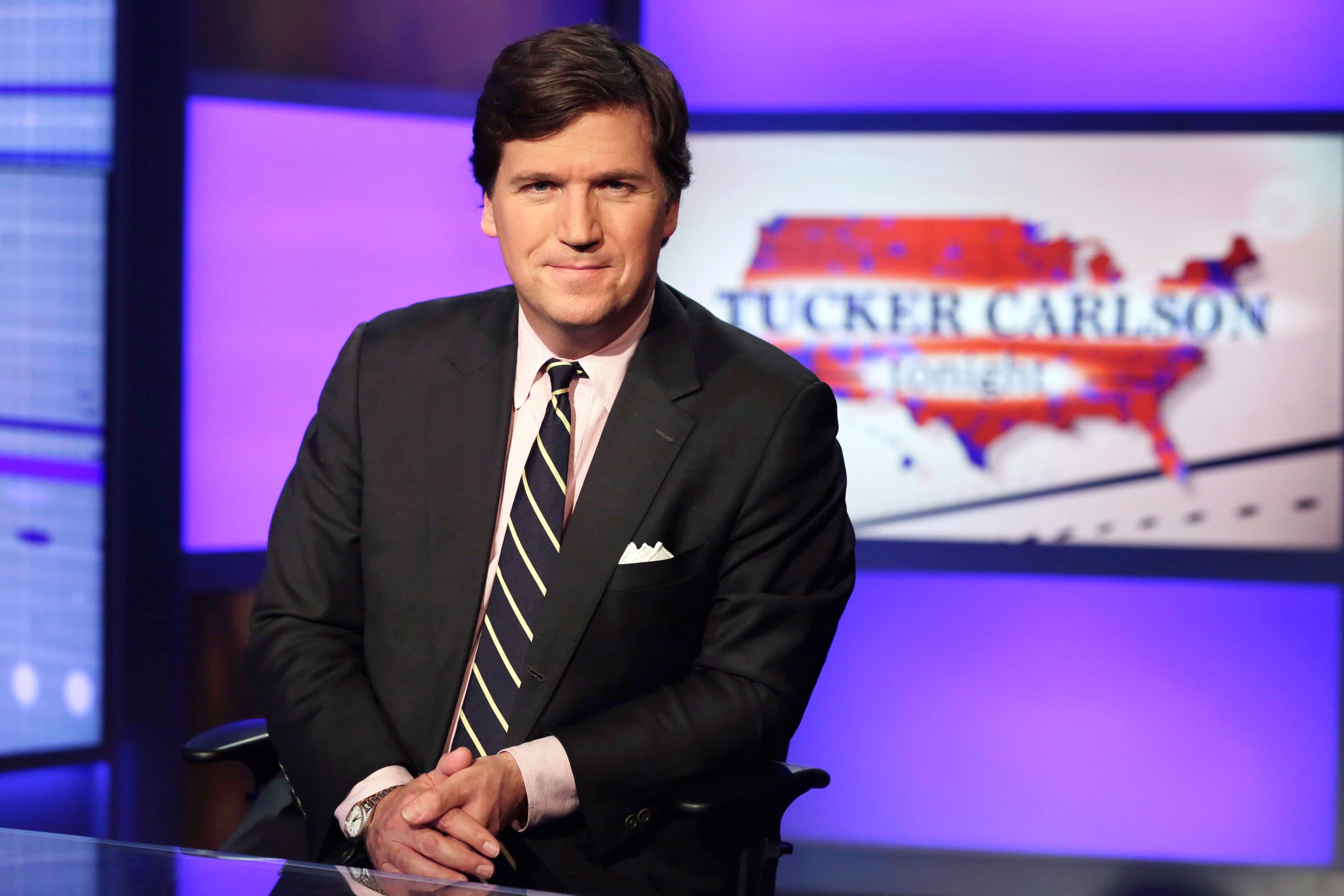



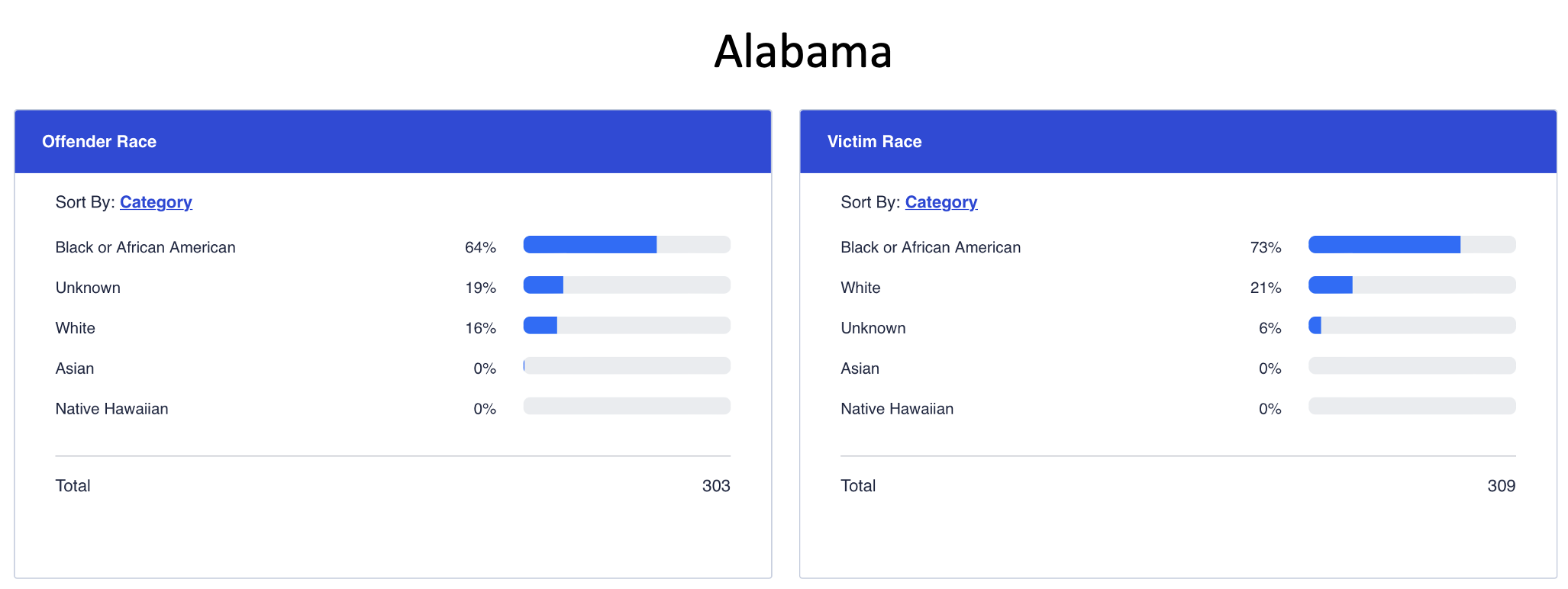


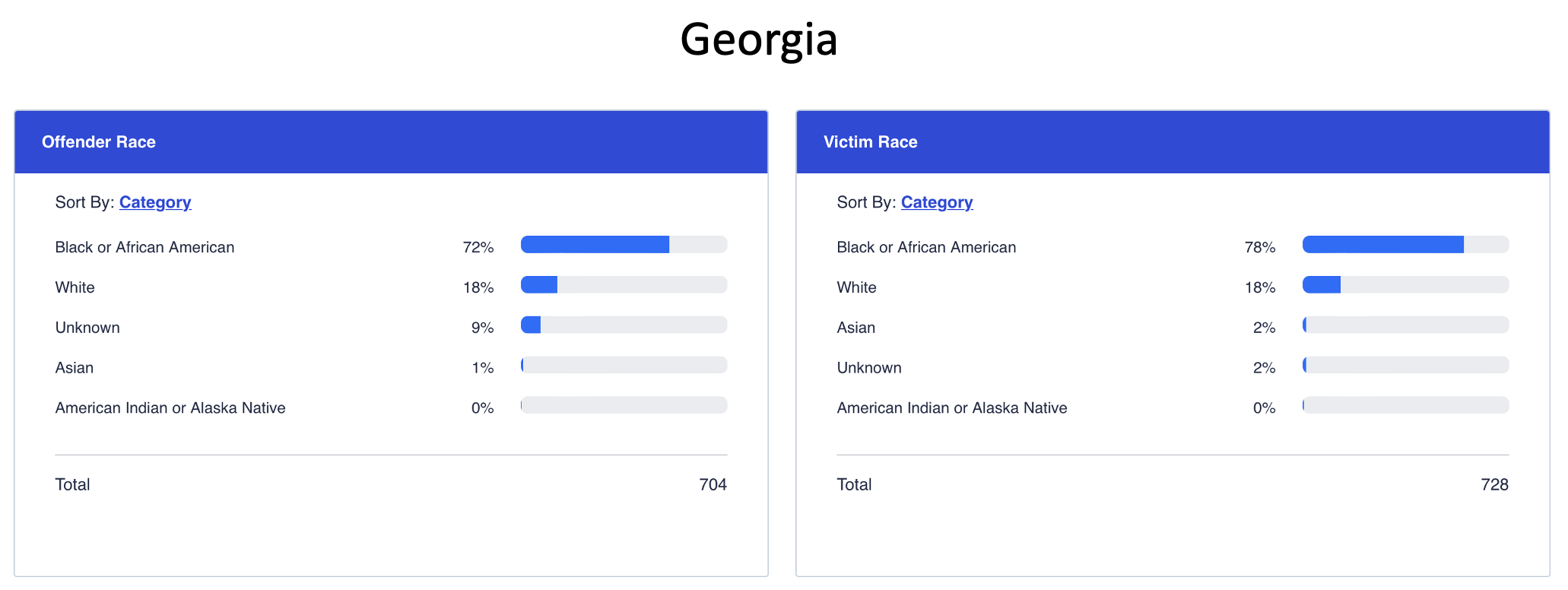


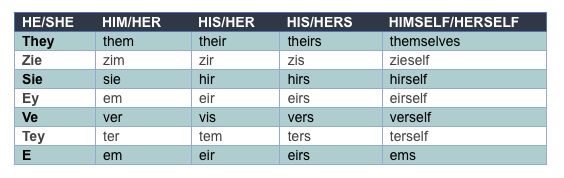




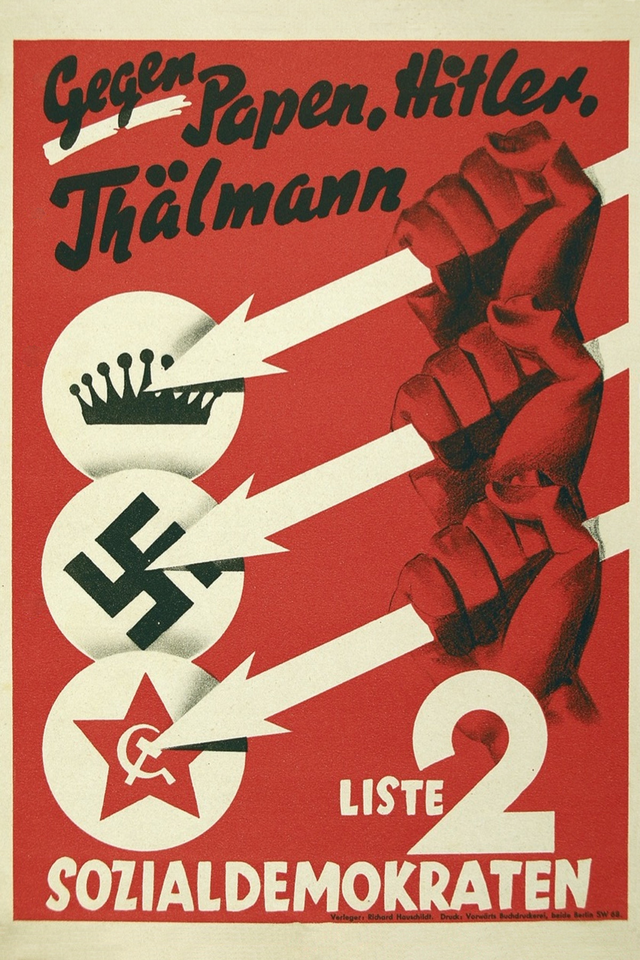

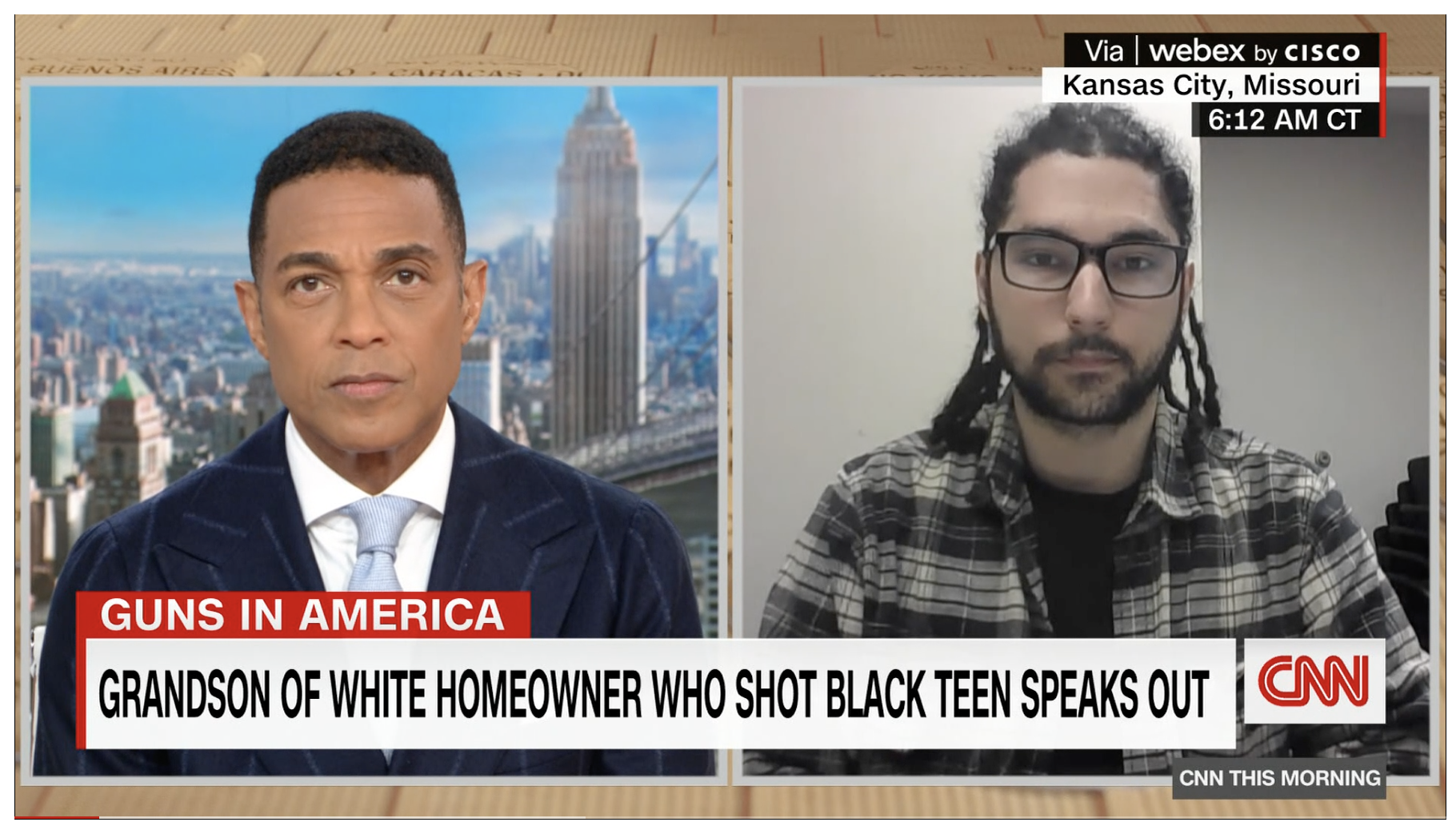


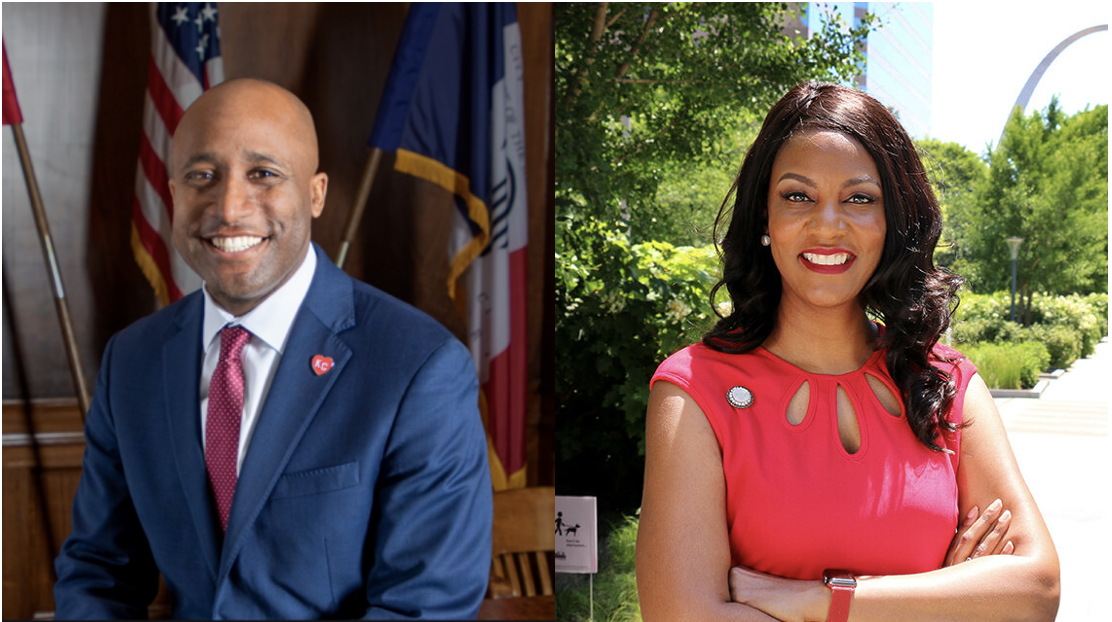
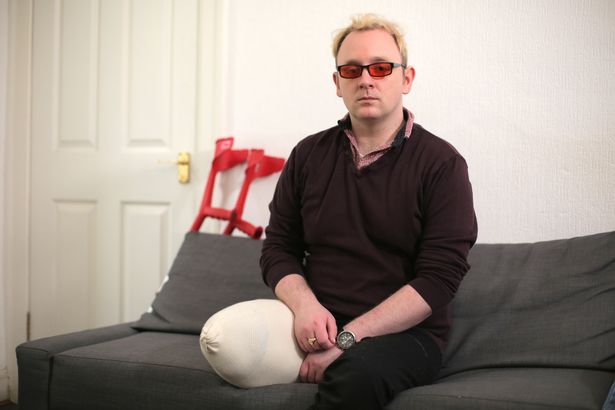

 freedom and reason