Dick is the author of many landmark works of science fiction, for example Do Androids Dream of Electric Sheep?, which became the basis of Ridley Scott’s brilliant film Bladerunner.
The above quote can be found in Dick’s 1978 book, How to Build a Universe That Doesn’t Fall Apart Two Days Later, a collection of his essays and speeches. In these texts, Dick explores various philosophical themes, including the power of language and its ability to shape perceptions and understandings of reality. Language is a potent tool for shaping the world around us by shaping our minds and thus our conduct and motives. Here the author of The Man in the High Castle, an alternate history where the brutal regimes of Axis Powers prevailed in World War II and occupy the United States, makes explicit the significance of words as not only means for expressing thoughts but also as powerful instruments for organizing and controlling society.
Winning the prestigious Hugo Award for Best Novel in 1963, The Man in the High Castle is considered one of Dick’s most famous and critically acclaimed works. The plot revolves around a book titled The Grasshopper Lies Heavy, written by the enigmatic Man in the High Castle. This book within the book presents a counterfactual history in which the Allies won World War II, raising questions about the nature of reality and the power of narratives in shaping perception. The reader will recall that George Orwell, in his last work, Nineteen Eighty-Four, also uses the literary device of a book within a book, namely The Theory and Practice of Oligarchical Collectivism, written by Emmanuel Goldstein, supposed leader of a resistance movement against the oppressive totalitarian regime of Big Brother. “The Book” is an underground manifesto that reveals the inner workings of the Party (the deep state), its manipulation of history, and its oppressive control over the citizens.
The methods of mind control that Dick and Orwell detail in The Man in the High Castle and Nineteen Eighty-Four respectively are today the methods of the postmodernism project to change popular consciousness. We are now several decades into the process to fundamentally alter the way we perceive reality. The United States republic and European governments have been captured by an transnational elite with totalitarian ambition, and the premise of critical theory, that bureaucratic collectivist control over populations necessitates and provides the machinery for thought control, for a Big Brother, has become the guiding framework for actions and strategies, a blueprint for the New Fascism—the structures for which, what Sheldon Wolin in Democracy Inc. calls “inverted totalitarianism,” or “managed democracy,” have already been substantially erected and embedded in Western society.
By reducing definitions to power projection, to the manipulation of reality, proponents of this view and their functionaries mean to delegitimize the primary purpose of words, which is to describe and convey reality with accuracy, integrity, and precision (language’s evolutionary function), and repurpose words for exclusive use as tools for fabricating reality. When words cease to be regarded as a reliable means of describing and conveying truth, those who control the means of idea production can more readily rationalize their aims and desires by blurring the distinction between fiction and non-fiction. Any of you who have more recently attended college and taken any humanities and social sciences courses, which is often required by the regime of “general education,” will have learned that what is and its nature (the ontological) is determined by how we think about such things (the epistemological). It is very likely that you will have been told that the former is the result of the latter and, further, that we must not allow the masses to get their hairy little paws on the machinery of meaning production. That you did not rebel against authoritarian directive is because preparation for obedience to the technocrats who control the apparatus begins in our secondary and sometimes even primary public educational system.
Orwell authored several important books and essays on the ideological and propagandistic manipulation of language, including his 1949 novel Nineteen Eighty-Four.
Dick explored this theme in several works. A dissertation on Dick’s work is not possible here (there are many out there), but I will touch on one more, The Simulacra, published in 1964, which exemplifies the central issue under examination in the present essay, as it exposes the concept of “American democracy noir,” a future totalitarian United States, portraying a situation where the political establishment manipulates information to control the population. As I sit here watching Robert F. Kennedy, Jr. and others testifying on censorship and free speech before the House Judiciary Subcommittee on Weaponization of the Federal Government (you can watch it here), The Simulacra strikes me as the work of prophecy; but for the Republicans in the House raising awareness of the ways in which the corporate state is elaborating the system of thought control, we would be all the way there—and we will be if people don’t take to heart the warnings of such visionaries as Dick and Orwell.
A simulacrum is a copy or representation of something that lacks the reality or substance of the original. It is a duplicate or imitation that may look or appear like the real thing but lacks any authenticity or genuine essence. The concept of simulacra is often associated with the idea of reproductions or simulations that have detached themselves from the reality they were meant to represent (see the work of Jean Baudrillard, which inspired the 1999 movie The Matrix). In the dystopian world of Dick’s novel, the simulacrum reigns supreme, distorting people’s perception of what is real. The matrix symbolizes power and control, creating illusory realms where commercialism dominates, imbuing the world with artificial meaning. Even the President of the United States is an android, masquerading as a human in the public eye. Citizens uncritically consume media broadcasts, becoming android-like themselves. Paradoxically, the androids themselves exhibit the sense of humanity that escaping the world. Dick’s portrayal of the future situation serves not to prove that “robots are just like us,” Kim Stanley Robinson argues in his Novels of Philip K. Dick (1984), but rather to convey the somber truth that “we are just like the robots.”
Orwell explores the theme of language manipulation and its impact on society in several of his works, both fiction and nonfiction. In Animal Farm (1945), he used allegory to satirize historical events, including the Russian Revolution and the rise of the Soviet Union, which marked the establishment of a totalitarian regime that suppressed dissent and corrupted revolutionary ideals. In his 1946 essay, “Politics and the English Language,” Orwell analyzed how political and bureaucratic language intentionally obfuscates the truth and manipulates public opinion through ambiguity and vagueness. Finally, his last work, Nineteen Eighty-Four (1949), serves as a powerful indictment of totalitarianism. George Orwell’s works provide insightful critiques of power abuse, propaganda, and totalitarianism. In Animal Farm, he warns about the dangers of the ruling class manipulating language and information to maintain dominance, emphasizing the importance of vigilance in preserving freedom and truth. In his dystopian novel Nineteen Eighty-Four, the ruling party of Oceania, led by Big Brother, employs Newspeak, a constructed language designed to control and limit freedom of thought, further illustrating the party’s grip on power. (See my essays Linguistic Programming: A Tool of Tyrants; Accountability Culture is Cancel Culture.)
In his 1946 essay, Orwell focuses on the need for clear and honest language in political discourse by exposing words that obscure meaning. There is no better example of this dynamic in our time and the need to expose it for what it is than gender ideology, also known as queer theory. Gender ideologues have introduced a slew of new terms and concepts (“cisgender,” “deadnaming,” “genderqueer,” “gender expression,” “non-binary,” “transgender”), as well as smears (“Trans-Exclusionary Radical Feminist,” or “TERF,” “transphobia”), changed the meaning of existing terms and concepts (gender identity, misgendering, man, woman), socialized language designed to confuse and mislead (e.g., the phrase “the assignment of gender at birth,” in place of determination or observation), euphemistic language (e.g., “gender affirming care,” i.e., hormonal and surgical interventions that make patients dependent, sick, and sterile), and scientific impossibilities, such as the very idea of changing sex or transitioning gender.
Orwell refers to the euphemistic, imprecise, and obscurantist language used to conceal or confuse the reality of things as “operators or verbal false limbs” and “pretentious diction.” An example of this is something I noted recently in my essay Sex and Gender are Interchangeable Terms, where I show the gender and sex have been for centuries synonyms in science, both the natural and the social sciences, describing the two—and only two and unchangeable—categories of the gender binary. Ideologues changed the definition of gender to differentiate it from sex in order to rationalize the practice of men portraying themselves as women to gain access to women’s spaces and status. These ideologue are now calling into question the very idea of sex, portraying science itself as an ideology in the hands of the powerful, whom they falsely attribute to other (popular) forces outside the establishment they represent.
Deceptive communication allows politicians and those in power to deliberately use euphemistic and imprecise language, which is functionally disinformation, to conceal the true nature of their actions or policies. By employing language that lacks clarity and precision, they can obscure their real intentions, making it harder for the public to understand the implications of their decisions fully. By using emotionally charged words or phrases, words and phrases that sound appealing (“diversity,” “equity,” “inclusion”), they can sway public opinion in their favor without disclosing their actual goals (which in the case of the rhetoric of diversity equity, and inclusion is the disruption of solitary, redistribution of wealth upwards, and the exclusion of speech that threatens power).
Elites avoid accountability when political language is coded or vague; it becomes challenging to hold politicians accountable for their actions and promises when the public is trained to drastic shifts in the Overton Window. They can make grandiose statements, use mindless slogans, and deploy glittering generalities without committing to specific policies, allowing them to backtrack or shift their positions when needed. Elites discourage critical thinking by encouraging and even requiring the use of vague and meaningless language. Such language makes it difficult for people to think deeply about complex issues and hinders genuine understanding of the topics being discussed.
By manipulating language to conceal reality, politicians undermine democratic values such as transparency and accountability. Open and clear communication is essential for a healthy democratic society, and when language is used to deceive or confuse, it erodes trust in institutions and creates an environment where misinformation thrives. It is moreover an exercise in mass gaslighting. Each of you are made to feel all alone in the world, and your interpretation of the world, whether based on deep knowledge or common sense, is treated as mad because you are alone—because you believe you’re alone. This is why censorship and disinformation have become so critical in the perpetuation of postmodernist project. The elite dread the acquisition of mutual knowledge and the popular politics that organize around a shared and accurate grasp of reality and the structures of power. This is why Freedom and Reason exists. Thanks for reading my blog.
The New York Times is reporting today that the Illinois Supreme Court affirmed a measure that abolishes cash bail in the state. The court ruled that Democratic legislators had followed the appropriate procedures when enacting the law. This decision will bring about significant changes to the Illinois criminal justice system by restricting judges’ authority to detain defendants in jail prior to their trial.
Governor J.B. Pritzker of Illinois
The Illinois law received the signature of Governor J.B. Pritzker in February 2021, reflecting an ideological shift in the state’s political landscape. Pritzker had recently won re-election by a wide margin and Democrats kept legislative majorities, so this was something many Illinois voters wanted. Keep in mind that some 75 percent of Illinois’ population lives in Chicagoland, the broader metropolitan area surrounding the city of Chicago, encompassing both the city itself and its suburbs and counties. Chicagoland is excessively woke, especially the city.
The Illinois law surpassed bail reforms seen in other states, reflecting a broader nationwide effort by progressives to decrease jail populations and dismantle a system where an individual’s income and wealth often determines their pretrial release. The legislation had provoked strong opposition from county prosecutors and sheriffs, who contended that it was enacted through improper procedures and compromised public safety in the state. In its ruling today, the Supreme Court said cash bail would end in Illinois on Sept. 18.
For decades, cash bail has been extensively used, enabling defendants to remain free by depositing money with the court instead of staying in jail until their trial, which could be months away. However, there has been a longstanding advocacy by civil rights groups and progressive politicians and policymakers, primarily Democrats and the technocratic apparatus under their control, to limit or eliminate the system, advocating for the release of more defendants without requiring monetary deposits.
Progressives argue that the cash bail system unfairly disadvantages indigent defendants, as they risk losing employment or housing if they cannot afford bail. “Someone’s experience with the criminal justice system should not vary based on their income level,” Attorney General Kwame Raoul (a Democrat), said in a statement praising the 5-to-2 decision.
Conversely, law enforcement groups have expressed concerns about the potential impact on public safety. In a court brief, attorneys speaking for the union representing rank-and-file Chicago police officers expressed that the law “creates conditions for increases in crime, recidivism, dysfunction in the criminal prosecution system, and endangerment of police officers and the communities they serve.”
On the empirical landscape, some studies suggest that bail reforms, including cashless bail, can lead to a reduction in pretrial detention rates and contribute to lower recidivism rates without a significant increase in crime. These findings emphasize the potential benefits of reducing reliance on cash bail and using alternative methods of ensuring court appearances. Critics of bail reform argue that the elimination or reduction of cash bail may result in an increased risk of pretrial release for individuals who could potentially pose a threat to public safety. Research specifically examining the relationship between cashless bail and crime rates nationwide is limited, and the available evidence does not provide a clear consensus.
But Chicago’s police union understands what empirical studies do not convincing substantiate, that there are cases where the pretrial release of violent offenders results in harm to concrete individuals and their property. Moreover, Paul Cassell and Richard Fowles, in their 2020 research article “Does Bail Reform Increase Crime? An Empirical Assessment of the Public Safety Implications of Bail Reform in Cook County, Illinois,” found changes in pretrial release procedures in Chicago in 2017 resulted in a substantial rise in crimes committed by individuals released before trial.
When measured and estimated accurately, the number of released defendants charged with new crimes saw a 45 percent increase following the implementation of more lenient release procedures. The number of pretrial releasees charged with new violent crimes rose by 33 percent. Moreover, Cassell and Fowles found that a significant number of aggravated domestic violence cases were dropped by prosecutors after the changes, likely due to batterers being more frequently released and able to intimidate their victims into not pursuing charges.
Cassel and Fowles argue that public safety concerns cast doubt on the cost-effectiveness of the implemented bail reform measures in Cook County. Furthermore, since Cook County’s procedures serve as a model for many other jurisdictions across the country, this experience suggests that similar increases in crime may be occurring as a result of bail reform efforts elsewhere. Astonishingly, in the face of the evidence, Illinois moved ahead with its plan to eliminate cashless bail.
The interpretation that cash bail is discriminatory because some people can’t post bail misses the point that the reason many defendants can’t post bail is the same reason they’re committing crimes—not out of necessity, but because criminality and joblessness often reflect low self-control. Individuals with low self-control are prone to take the easy way out. The more desperate they are, the more dangerous they are. And we also have the problem of abusive men whose detention allows the woman (and her children) to escape situations of domestic violence.
As the longest serving US Commission on Civil Rights member Peter Kirsanow points out, the progressive argument advocating for the elimination or reduction of bail often centers around alleged racial disparities in pretrial detention. But as I have pointed out on Freedom and Reason, these disparities are not the result of invidious racial discrimination but are rather predictable and driven by the higher rates of crime committed by certain ethnic groups, particularly black individuals. Blacks are overrepresented in every crime category except “drunkenness” and “driving under the influence.” It is worth noting that there is a disproportionate number of black individuals who are victims of crime, particularly crimes committed by other black individuals. Progressive “bail reform” measures contribute to an overall increase in crime, particularly violent crime, with black individuals being disproportionately affected as victims.
We know what works in reducing crime and violence, especially in dealing with those with low self-control. The two major effective interventions are police presence, which functions as a deterrent, and incarceration, which functions as humane incapacitation. The more dangerous offenders there are in confinement, the fewer offenders there are on the streets preying on law-abiding citizens. Public safety is a human rights concern.
The United States Constitution addresses the issue of bail in the Eighth Amendment: “Excessive bail shall not be required, nor excessive fines imposed, nor cruel and unusual punishments inflicted.” While this provision does not explicitly outline the specifics of bail, it prohibits the imposition of excessive bail. The interpretation and application of this provision are left to the courts, which have established legal principles and standards over time. Crucially, bail is not a violation of civil rights or the authors of the Bill of Rights would have forbidden it.
I understand that, in principle, there is an ethical problem surrounding pretrial detention. Technically, individuals are presumed innocent until proven guilty in a court of law. It doesn’t mean they are innocent, but they are presumed as such for the purposes of compelling the state to prove the case against them. If individuals are in principle innocent until proven guilty, then during their time in detention the state is confining an innocent person—again, technically.
However, the perpetrators of the most serious crimes are not usually unknown. The public safety effect of pre-trail detention is something that must be taken into consideration. It is very rarely the case that a person who is in jail for murder or robbery is going to be found not guilty. But when the police detain an individual and subsequently arrest him after an investigation, he is technically innocent at that point, too. When the police take a person into custody, put him in the back of a cruiser, and then lock him in a cell, the police are kidnapping him no more than they murder a suspect who is threatening them or the lives of others.
One might think that eliminating cash bail is one of the stupidest projects progressives could pursue. Except that I don’t think it’s stupid. Increasing the level of crime and disorder in society has a purpose. At the very least, beyond abstract empirical study, anybody with a working brain can see that it functions that way. If politicians and policymakers continue to pursue law and policy in the face of its detrimental impact on public safety, then clearly, this is something that they want to happen.
“What can be asserted without evidence can also be dismissed without evidence.” —Christopher Hitchens
“One of the saddest lessons of history is this: If we’ve been bamboozled long enough, we tend to reject any evidence of the bamboozle. We’re no longer interested in finding out the truth. The bamboozle has captured us. It’s simply too painful to acknowledge, even to ourselves, that we’ve been taken. Once you give a charlatan power over you, you almost never get it back.” —Carl Sagan
For me, to adopt words and concepts into my language and use them seriously (I reserve the right to use any word or concept mockingly), I must first be convinced that the system the words and concepts belong to is definable, valid, and verifiable. I am a scientist like that. Gender ideology is not a valid system of definable and verifiable concepts. I am therefore not “cisgendered.” I am a man, an adult male human. Nor is the concept of “transgender” real outside of gender ideology, since the entities this quasi religion may produce are synthetic, not organic to any mammalian species. The prefix “trans” means to stand opposite to one’s gender. In the actual world, no mammal can do that. Since all individuals stand on the side of their gender, the construct cisgender is a redundant and scientifically meaningless concept. (See Sex and Gender are Interchangeable Terms; Denying Reality: The Tyranny of Gender-Inclusive Language; )
Buer is a spirit that is mentioned in the sixteenth-century grimoire Pseudomonarchia Daemonum. Buer possesses knowledge of herbs, the ability to heal diseases, and offer medical advice and remedies.
“Cisgender” is an invention of gender ideology. It’s no different in quality than the concept of “demon” or “spirit” in religious systems. Above is an image of Buer, a spirit identified in the sixteenth-century grimoire Pseudomonarchia Daemonum. Described as a “Great President of Hell,” Buer is said to have command over fifty legions of demons. This grimoire, attributed to Johann Weyer, a Dutch physician and occultist, provides details about Buer’s appearance and abilities. The spirit is depicted as a creature with the body of a lion and the head of a human, or sometimes as a lion with five legs. Buer possesses knowledge of herbs, the ability to heal diseases, and offer medical advice and remedies. It’s important to keep in mind that Buer’s characteristics may vary across different occult texts and folklore. But Buer has always existed and is known to different cultures. Weyer and his ilk have asserted the truth of Buer on their authority.
If I subscribed to a religious system where demons are real, then I might identify a person as demonic, perhaps believing him to be inhabited by one of Buer’s legions. I may even accept that I am so possessed, as many doomed individuals did during the Inquisition, where many devout Christians willingly submitted themselves to the cleansing fire of the witchfynder because they accepted the doctrines of the prevailing demonology and wished to be liberated from their corrupted bodies. Perhaps Buer, the great physician himself, was moving the witchfynder to fix the afflicted—not by exercising the demon, but by annihilating the person. Of course, I avoid using such attributions (except mockingly) because I am not a religious person and do not believe in demons. Likewise, I am not cisgender because I do not believe in gender identities. Both demons and gender identities are nonfalsifiable constructs manufactured by religious or quasi religious systems.
I’m an atheist. It is not in me to believe in supernatural or nonfalsifiable entities. It’s fine for you to believe in such things—as long as others are not detrimentally affected by them. I have many religious friends and family who I accept in my life; I tolerate their views as long as they are not harmful to others in practice. But I do not myself subscribe to those views. And the wonderful thing about living in a free and pluralistic society is that I don’t have to accept as true what isn’t. The earth is not flat. The earth does not sit fixed at the center of the solar system. Human beings are primates. And so forth. If you believe otherwise on any or all of these claims, that is your right. My only demand is that a public education teach what is definable, valid, and verifiable. If you wish your children to believe in demons and gender identities, there are alternative educational approaches and paths. I have no desire for the state to be the parent of your children. Or of mine.
To be sure, there is a difference between the way I think and the way the religious think. The difference is that my beliefs are definable, valid, and verifiable, whereas religious and quasi religious beliefs are not. If you ask me what a woman is, I can provide an answer: a woman is an adult female human. That definition is valid by every conceivable standard and empirically verifiable by every conceivable test. If you ask a person who subscribes to queer theory what a woman is, they will likely not be able to provide a definition at all, let alone show how the entity they suppose exists is valid conceptually and verifiable factually. (see Scientific Materialism and the Necessity of Noncircular Conceptual Definitions.)
However, as you read that previous paragraph, it may have occurred to you that a Christian or Muslim will be able to able to provide an accurate definition of a woman. There are many religious people who accept as actual nonfalsifiable constructs who nonetheless continue to believe in actual things, as well. No ideological system completely engulfs every believer all the time—at least once a religion is beyond its initial zealous period. Unfortunately, gender ideology is in its infancy (hopefully it won’t survive childhood), and so its devotees are moved to demand everybody be baptized in the faith that orders their world. Or suffer the fate of the infidel in the inquisitorial lurch.
That I should be an infidel is in itself is manageable, as I will explain in a moment. But this moment we are living through is particularly troubling because that the governments of many western nation-states have put the authority of the legal and policy apparatus behind the new religion. The infidel is not merely the subject of the fanatic’s paranoia; he is subject to inspection by and the disciplinary machinery of the administrative and corporate state. The true believers have even managed to gain command of the profit-generating tools of corporate medicine—and have mobilized them against children and the deluded.
While I tolerate belief in impossible notions such demons and angels, as I must respect freedom of belief (I wish not to make a whip for my own back), I would very much prefer people to come out of irrational belief and reestablished their worldview on the grounds of science, reserving for the appetites of the soul (metaphorically used here) the joys of art and music. And of course I demand that the state remain neutral with respect to doctrine, and so should you—and even more than this: we must insist the state perform its role in safeguarding citizens from the effects of extreme rituals and unscrupulous industries. As Thomas Jefferson wrote in his letter to the Danbury Baptist Association, “the legitimate powers of government reach actions only, & not opinions.”
So, how do I manage my (if you will) infidelity? By understanding that a system to which I do not belong cannot in a free society force me to belong to it and compel me to define myself by its lights. If anybody from a religious system who believes in demons finds me demonic (and surely they must have in the past), it has no effect on me since I am not part of that system—again, unless either the state or the mob (or both) includes me in the system whether I wish to be included or not. Likewise, I am not a cisgender person because I do not subscribe to the quasi religious system in which cisgender and all those terms related to it have any meaning (which is not to say that they are valid or verifiable, since plainly they are not).
This is also true with the name calling that is associated with religious and quasi religious systems. I am not a Muslim. I not only do not subscribe to Islam, but I have also long argued that Islam is harmful to children, women, and gays (as is gender ideology). This blog is full of such criticisms and condemnation. This of course makes me Islamophobic in the eyes of the faithful I am sure. Many on Facebook, mostly academics and former students, have unfriended me because of my views concerning Islam. Am I Islamophobic? Perhaps it’s not for me to decide since I don’t accept the ideology. I do know that the word Islamophobic was invented by Islamists to smear critics of Islam in order to advance the project of Islamizing the West. So I guess I am by those lights. The same is true with the term “transphobic,” which is the invention of gender ideologues to smear those who do not subscribe to gender ideology (the term was added to dictionaries in 2013). Like the islamization project, gender ideologues pursues a project to, as they put it, “queer” the world. Still, I am neither demonic nor cisgendered and cannot be because the entities of Islam and gender ideology are not real. So can I really be Islamophobic and transphobic or any other propagandistic thing? I certainly don’t appreciate being used in such a manner.
At the top of this essay I quoted Carl Sagan, words he put down in his 1995 The Demon-Haunted World: Science as a Candle in the Dark. These words capture the reason my mind is always open and searching. I do deep dives that sometimes change my beliefs. You have read about those changes of mind on Freedom and Reason and you will soon read about more. I avoid existing in a comprehensive ideological bubble. I belong to no tribe. A lot of people around me don’t admit to being bamboozled not only because it’s painful to acknowledge being taken; people also remain in the grip of lies because liberation from them means a change of worldview and loss of tribal membership, and these changes are either too undesirable or too great to attempt. My worldview is rooted in science and reason. All I have to worry about is being punished for heterodox opinions. I am not keen on being a martyr for truth. I just can’t help myself.
When you think about it, declaring that I am cisgendered is a lot like Mormons baptizing people after they’re dead. Except that the gender ideologue can’t even wait for that to happen before trying to pull me underwater.
“I was gonna come here and be really fluffy and be really nice and say yeah be really lovely and queer and gay… Nah, if you see a TERF, punch them in the fucking face.” —Sarah Jane Baker
“It was an impulsive decision that I made to take a prison razor blade at 2 o’clock in the morning and to remove my own testicles.” —Sarah Jane Baker
Sarah Jane Baker, formerly Alan Baker, threatening women at a trans rally
A Metropolitan Police spokesman told the Daily Mail, “A 53-year-old woman has been arrested on suspicion of incitement to violence. She has been taken into custody.” Sarah Jane Baker, who likes to brag about being “the UK’s longest serving transgender prisoner,” as well as working as a highly-paid sex worker (he still has his penis despite being castrated), is not a woman. Baker spent thirty years in prison for the kidnapping and torture of his stepmother’s brother—and, while he was there, the attempted murder of a fellow prisoner. Baker, who has admitted to drug dealing and sex work as well while behind bars, and who had prior robbery convictions before the kidnapping and torture charge, was released into the general population in 2019 after authorities provided him with estrogen and a £10,000 (around 13,000 in US dollars) “sex change” operation—all at the taxpayer’s expense.
BREAKING: A trans activist who called for violence against women critical of gender ideology at a Trans Pride rally in London last week has now been arrested.
Sarah Jane Baker has previous convictions for kidnapping and attempted murder. pic.twitter.com/G2tdy0w3N1
Baker, who admits to being diagnosed with a personality disorder (borderline) that features impulsivity, has been arrested again, this time for calling for violence against women critical of gender ideology at a “trans pride” rally in London. This is who Baker was referring by “TERF,” i.e., trans-exclusionary radical feminist, a derogatory term used by trans activists to incite violence against feminists and lesbians defending sex-based rights. As he was being arrested, Baker chanted the slogan “Trans rights are human rights.” “Trans rights” is a propaganda term designed to manufacture the appearance that those identifying as such are deprived of rights recognized for other individuals. Baker and his ilk are often called TRAs, or trans right activists, because of this claim. But what rights do trans-identifying people have that others don’t have? I do not have the right as a man to invade women’s spaces. However does identifying as a woman change anything? It can’t if reason prevails.
If a call for violence is getting cheers from the crowd, there’s something rotten in your movement. pic.twitter.com/dKVlxjJHY3
Baker’s defenders, for example Peter Tatchell, an apologists for pedophilia whom the press identifies as a “human rights campaigner,” have said that one person doesn’t represent the crowd. Baker doesn’t speak for all TRAs, we are told. But I have seen video of the rally and the crowd cheers Baker on. I share it above. Baker is seen waving an anarchist flag and wear the pink and blue trans flag as a cape. Baker is not alone in inciting violence against women; I have seen numerous videos of activists calling for violence against women—and many videos of activists physically assaulting women and men in the name of “trans rights.” Little is done in these cases by authorities. In fact, the Metropolitan Police had previously declined to investigate Baker despite receiving multiple reports from concerned women. They were compelled to reopen the case after a concerted effort by the public to force the police to take action.
Although the construct “trans rights,” is a propaganda term, rooted in the myth of gender identity, the sex-based rights of women are very real, recognized because of significant grouped differences between males and females, as well as the thousands of years of male predation on women with the rise of patriarchy. The rights that are being violated in this struggle include the right of women to have spaces where they can be safe from the presence of males. Baker, like many trans women (see the video What is a Woman: Wrong Answers Only), are misogynists whose existence is consumed by intent to hurt women and erode their rights. This even extends to the trans women themselves who make videos asking viewers to choke them, punch them, and rape them.
The uptick in the frequency of the term “groomer” occurring several months ago is associated with criticism of the practice of exposing children to sexualized themes at drag shows, where children watch and even interact with adult entertainers, the proliferation of drag queen story hour programming, typically with readings about matters around sexual activities and identities, and curricula and classroom discussions about sexual and gender matters that intend or at least function to disrupt the development of the child’s perception of gender.
The signing of the HB 1557, the Parental Rights in Education Act, into law, March 29, 2022
Those who use the term in association with those things are scolded and social media has been aggressive in punishing those who raise consciousness about grooming. “Grooming,” the scolds insist, only refers to the behavior of sexual predators seeking children to molest; it doesn’t apply to drag shows or classrooms festooned with pride and transgender flags. Those who disagree are censored, de-platformed, harassed, marginalized, punished, and even targeted with violence. The reaction is telling; the organized effort to suppress the use of the term comes with growth in the scope of sexualization of children and the increasing frequency of grooming behavior.
In February of this year, I penned a blog on grooming that was built around cases reported in the news that indicated the problem. There, I argue that grooming is not only the activities of sexual predators but also the process by which individuals are induced into joining cults, as well as exploited by fraudsters. (See Seeing and Admitting Grooming.) A glitch prevented that essay from being posted in real time. Given the botched rollout, considering Twitter’s recent high-profile streaming of Matt Walsh’s What is a Woman? which I recently viewed (see Scientific Materialism and the Necessity of Noncircular Conceptual Definitions), and with the film The Sound of Freedom, a true story film that exposes the realities of child trafficking generating remarkable apologia from corporate state media, I thought it would be helpful to distill from that February blog a summary of my analysis of grooming sans cases and commentary. I hope this blog will be a useful guide to parents and others concerned about this issue.
* * *
When talking about a sensitive matter such as child sexual abuse and sexualization, one expects that people want to know one’s background and expertise. Why am I qualified to address this issue? While I could appeal to being a parent, I think just being a moral and reasoning human being qualifies me to speak about the practice of manipulating and exploiting children. This sentiment was expressed well by Walsh at the 5:32 mark of his interrogation by Tennessee’s House Health Committee about a bill that would ban minors from receiving puberty blockers and other “gender-affirming care.”
This should be cued to the 5:32 mark. If not, just scroll forward to hear the bit I reference.
But if being human is not enough, the reader might appreciate that I have an advanced social science degree with a specialization in criminology from the flagship campus of University of Tennessee at Knoxville. I have taught courses in criminology, criminal justice, and juvenile delinquency for more than a quarter of a century at different universities. In 2004, I published a scientific article in the Journal of Aggression, Maltreatment & Trauma concerning the life-course effects of child sexual abuse. In 2014, I wrote the entry “Child Sexual Abuse” in Sage’s Encyclopedia of Social Deviance. Moreover, I have taught courses, given talks, and published essays on the sociology of religion, which qualifies me to speak about the related phenomenon of cult induction, which the sexual grooming of children under the LGBTQ banner not merely strongly resembles; the methods for both grooming children for sexualized exchanges and agendas and grooming individuals for induction into cults are essentially the same.
This is Sheboygan South High Schools’ library, where the gender ideology flags, signed by students and teachers, are prominently displayed
* * *
Child sexual abuse is a form of criminal deviance involving inappropriate contact with an adolescent or a child. Child sexualization refers to the process of portraying or treating children in a sexualized manner beyond their developmental stage and age-appropriate boundaries. It involves the objectification and sexual objectification of children, where their appearance, behavior, or characteristics are emphasized in a way that is primarily focused on their sexual appeal and identity. Child sexualization can occur through various means, such as clothing choice, explicit conversations and interactions, as well as advertising and other media representation.
Child sexual abuse and the sexualization of children are serious problems that carry profound and long-lasting effects on their victims. The effects of childhood sexual abuse may take the form of psychological maladies and conduct disorders that obscure the initial trauma, often compounding with the unfolding of time. Childhood sexual abuse is associated with continuity in sexual and other forms of victimization over the life course. Sometimes children don’t realize they have been molested until later in the life when they are old enough to understand what happened to them or learn that what happened to them was sexual abuse.
Child sexualization is harmful and inappropriate as it undermines the healthy development, safety, and well-being of children. It can lead to numerous negative consequences, including distorted self-image, emotional and psychological harm, and low self-esteem. Child sexualization is further associated with sexual abuse and exploitation. If readers are wondering why so many girls are terrified of puberty, it is in part because of the way they are sexualized by the adults around them. It is essential to protect children from such practices and create an environment that promotes their healthy growth, where they are respected and treated as individuals deserving of dignity and protection, where they can live in the real world unclouded by the deception and lies of those who wish to use them for their own purposes.
There are several factors that play into the severity of the impact of sexual abuse. These include the duration, frequency, and intensity of the abuse, as well as the perpetrator-victim relationship. The evidence indicates that the earlier authorities find out about the abuse and address it the more positive the post-abuse experience, displaying fewer of the long-term consequences of abuse. A child’s temperament, a major component of which is resilience, plays a significant role in recovery. For example, children with low self-esteem are prone to suffer more than those who have high self-esteem.
Children often blame themselves for sexual abuse perpetrated on them, which not only makes it less likely that they will disclose the event or the process but makes it more likely that their trauma will remain unaddressed. There is also the problem of internalization of the sexual norms of abusers, which may cause the victim to rationalize the abuse. Failure to address sexual victimization can perpetuate the patterns of interaction that contributed to the initial event. My own research findings suggests that the likelihood of future sexual victimization, even into adulthood, is greater among those who have abused in the past. This is a process criminologists refer to as cumulative disadvantage.
As noted, some victims of child sexual abuse and child sexualization display few if any obvious consequences. However, the absence of outward manifestation of abuse does not mean that there are no less obvious or latent effects. The traumatic effects of childhood sexual abuse are recorded in numerous and serious psychiatric conditions, including anxiety, cutting behaviors, depression, drug seeking and taking, eating disorders, post-traumatic stress disorder, and various behavioral problems coded as conduct disorders, as well as withdrawal from social activity and frequent and intense associations with antisocial circles. It is therefore imperative for parents and others who safeguard children be on the lookout for signs of abuse and sexualization so they can intervene early or even stop the grooming before it starts. They should work with children to raise their self-esteem and steel them against those who would prey on their vulnerability and rob them of their innocence.
* * *
The popular impression of the phenomenon is that it involves anal, genital, and oral penetration using the penis, as well as anal and genital digital penetration. Also considered serious are acts of fondling a child’s breasts or genitalia with sexual intent and genital contact without penetration. These are defined as touching offenses. Use of a child in sexually exploitative activities, such as pornography, can either be a non-touching offense or touching offense depending on the circumstances. However, other acts are often and should be included in the definition, including indecent exposure, exposing a child to pornography and age-inappropriate sexual ideas, materials, and practices, and facilitating or sexual relations between minors, all acts of sexualizing children. Research indicates that all these situations put children at risk for emotional and psychological trauma. Reducing child sexual abuse to child molestation obviates the full scope of the phenomenon and harm to children.
Another popular impression of the phenomenon is that the abuse involves a minor victim and an adult perpetrator with the operative mental image of a strange adult male using his physical size or position of authority as an adult to coerce a child into an encounter of a sexual nature. A more accurate understanding incorporates situations of trust and ties of affection, thus moving conceptualization away from the stranger-predator assumption. Research finds that most perpetrators are individuals close to the child, including members of trusted institutions, such as those actors found in educational and religious institutions.
It is furthermore a misconception about child sexual abuse that it typically involves physical force. Physical force is usually unnecessary when the child is being abused by a person she trusts and, especially, an individual for whom she expresses affection. Grooming tactics have developed the minimize the use physical force. Indeed, the stealth of grooming often makes it appear that children voluntarily participate in sexual encounters.
That children appear to voluntarily participate and even desire intimate contact with adults is used by pedophiles to normalize their behavior. We have arrived at a point in the arc of the gender ideology project where perpetrators and their allies moving beyond stealth and working openly to make the practice of child sexual abuse and sexualization an acceptable practice. This appearance has led queer theorists to treat adult-child encounters as matters of consent.
This is not a new development, of course. Pat Califia remarked in 1982, “Any child old enough to decide whether or not he or she wants to eat spinach, play with trucks or wear shoes is old enough to decide whether or not she wants to run around naked in the sun, masturbate, sit in someone’s lap or engage in sexual activity.” What we are seeing is the project mainstreaming Califia’s sentiments, for instance in renaming of pedophiles “minor attracted persons,” or MAPS, increasingly paired with the label “adult attracted minors,” or AAMs. (I have a major essay pending that takes a deep dive into the history of queer theory and pedophilia.)
This is why grooming behavior is so important for parents and others to see and admit. A child cannot today consent to engage in sexual activity and people need to see the signs that indicate a predator or a grooming situation so they can fight against the movement to openly sexualize children. However, this awareness is not just to combat child sexual abuse as popularly understood. A corollary to the established fact that children cannot consent to sex is the fact that children cannot consent to puberty blockers or other medical-industrial practices that go under the Orwellian euphemism “gender affirming care,” or GAC. These practices include such extreme procedures of breast amputation in girls and the castration of boys. More extreme non-medically necessary surgical procedures of phalloplasty and vaginoplasty occur in adulthood, procedures often sought after years of preparation in childhood.
* * *
Given the horror of all of this, why is there a concerted effort to blind the public to the presence of grooming, an effort that has been rather successful given the decline of the term since its peak use several months ago.? Prior to Elon Musk’s takeover of Twitter, tweets about grooming and groomers, even absent references to drag queen story hour and other public activities designed to entice children into the world of adult sexuality, were banned as a form of anti-LGBTQ “hate speech”—this despite opposition by many homosexuals, and even some prominent trans identifying persons. e.g., Blaire White and Buck Angel, to the sexualization of children.
Last year at this time, Twitter confirmed the term “groomer” was banned speech citing the company’s Hateful Conduct policy. Spokespersons for Twitter explained that the social media platform was following the lead of other platforms like Facebook, Reddit, and TikTok, which banned the term when used to suggest a link between the LGBTQ community and pedophilia. Most recently, Twitter de-boosted Walsh’s What is a Woman? claiming that it was “hate speech” until Musk pushed out the movie using his own Twitter feed.
“We are committed to combating abuse motivated by hatred, prejudice, or intolerance, particularly abuse that seeks to silence the voices of those who have been historically marginalized.” Lauren Alexander, Twitter’s health product communications lead, said in an email addressing the banning of the term “groomer,” during the pre-Musk era. “For this reason, we prohibit behavior that targets individuals or groups with abuse based on their perceived membership in a protected category.” This policy has been changed, but the Walsh incident tells us that some at Twitter are still attempting to reign in awareness of LGBTQ child-centric activities.
In effect, then, social media has collaborated with those who deny grooming behavior when occurring under the cover of LGBTQ activism. While care should be taken in attributing to all members of that community the actions of some who rationalize their behavior (and whether LGBTQ is a community at all has been cogently challenged by openly gay social critics Douglas Murray and Andrew Sullivan, among others), one must also be wary of rationalizations that falsely appeal to civil and human rights. A person engaged in sexualizing children cannot escape criticism of his arguments or responsibility for his conduct because he claims that he is a member of a protected category.
I ask you to consider whether there any other type of criminal or harmful conduct the consequences of which an individual is allowed to escape because his status redefines his conduct as no longer what it is? Wouldn’t such a move effectively normalize and even mainstream criminal or harmful conduct? Isn’t that the work trans activists have already been doing? If the sexualization of children is wrong when so-called cis-gendered heteronormative individuals do it, then it is just as wrong when transgendered and homosexual individuals do it. Yet, the horror correctly expressed by progressives at the sight of child beauty pageants, and discomfort at the thought of minors at clubs for straight adults, disappears when boys perform as exotic dancers for adults in gay bars. Indeed, these acts of extreme sexualization become celebrations of “pride progress” and “queer joy.”
As noted at the start of this essay, while grooming is a manipulative process used by sexual predators, including pedophiles, to gain the trust and compliance of their victims, it is also characteristic of cult induction. The steps involved in both, as well as in human trafficking and online predation, are highly similar. Indeed, given that pedophilia, and paraphilias more generally, comprise a deviant subculture, i.e., a group exhibiting characteristic patterns of behavior sufficient to distinguish it from others within a greater culture or society, pedophilia is often not merely analogous to other forms of child exploitation, but a major element across phenomena.
* * *
What concerns parents and others is that the typical age of the children involved in these activities is between four and eight years old, as well as widespread acceptance of gender ideology in public and private schools, principally queer theory, an ideology founded by intellectuals and activists preoccupied with the sexuality of children and the removal of age of consent laws restricting adult-child sexual interaction (I have a pending blog on this subject). Children are incapable of abstract and even consequential thinking at this age (many remain incapable well beyond this cohort). At age four, children are just beginning to the develop theory of mind, where they can see the world from the perspective of others, as well as internally represent the world through language and mental imagery. This is a critical phase in childhood development, as it is only towards the end of this period, around age eight, that children can confront the world with the understanding that the objects and relations in it are real and possess the ability to differentiate between those things and things that are not real.
What is internalized during this stage of development makes up fundamental assumptions about the world, such as a falsity of the Santa Claus and other obvious fictions and the “truth” of God, also a fiction. Children start doubting, often at the encouragement of their parents, the existence of Santa and the Tooth Fairy around the ages of six or seven. By age eight, most no longer believe in such things. However, many families do not allow the children to doubt the existence of God. Belief in this fiction is reinforced across the life-course. That a child can be convinced to believe that the thing she will never sense is the most real thing in the world tells us that a child can be made to believe anything.
Exposure to sexualized materials is for this reason age-inappropriate, whether as untruths or problematic conceptions about the world or manipulation, may be placed in the child’s head and continually reinforced by authorities in the child’s surroundings, including language and images coming from virtual sources, such as Disney and other fantasy programming. Indeed, media appealing to children (cartoon characters, ponies and unicorns, rainbows, etc.) are effective vehicles for colonizing children’s pre-rational minds with language and imagery designed to implant ideological beliefs and political agendas. (I should note that The Sound of Freedom was shelved for several years after Disney bought the 20th Century Fox movie studio that was set to distribute the film back in 2019.)
It’s not Disney executive producer Latoya Raveneau “not so secret gay agenda” that’s the problem. There’s nothing wrong with homosexuality. It’s the act of “adding queerness” wherever she can to is at issue. Queering is a political agenda designed to disrupt perceptions of gender and transgress sexual boundaries, in this case, the perceptions that children have about the word by intentionally sexualizing their experiences. As Murray, Sullivan, and other gay and lesbian observers have stressed, homosexuality and queerness are very different things. One is a sexual orientation. The other is a proselytizing program. The gays rights struggle was a struggle for equal rights. The queer project is a cult that seeks members.
Continually reinforced and forbidden to question or criticize, the ideas that inhere in queer theory become assumptions that inform and shape thinking into adulthood. This is well understood. Yet sexualized curriculum is being aggressively pushed in schools and other public activities across the country, pushed in classrooms festooned with the symbols of ideological and political commitments. One need not ask, to what ends? The end is obvious—it’s to change the way we think about sex, gender, and boundaries rules. Queer theory makes no secret of this. This is not is conspiracy. It’s in our faces.
What does the science tells us? Gender identity, that is the understanding that boys are boys and girls are girls, develops in stages. At around age two children become aware that there are boys and girls. Before the age three, they identify themselves as a boy or a girl. They recognize that there are physical differences. Boys are not girls because boys are different from girls. Boys can’t be girls for the same reason. Children are adamant about this, and their intuition is an evolved trait (see Neutralizing the Gender-Detection Brain Module). It’s why they ask whether a person is a boy or a girl when their gender is ambiguous. By age four, most children have a stable sense of their gender identity. They know all this without any help from adults.
However, and this is the crucial piece to understand, especially since this was not a problem until yesterday, this sense may be disrupted by throwing into question what is otherwise a normally occurring understanding (one with evolutionary force). It is in this critical developmental period of ages four through eight that children learn to doubt the things that occur to them or that they have been told. I explained this earlier when I wrote that children can be convinced there is a god when their doubting of fictional things emerges. This tells us that children are vulnerable to the introduction and incorporation into their system of assumptions beliefs that are not naturally occurring, that would not normally occur to them, or that would be abandoned with cognitive development. God is an external imposition that can nonetheless become as real in a child’s mind as anything. The same is true with gender ideology. And this is why groomers and cultists (and the Chambers of Commerce’s Junior Achievement programmers) want access to children during this crucial stage of development. Because of their vulnerability during this period, children accept and often believe impossible things—and continued believe in the impossible makes their parents vulnerable to believing impossible things.
It is typical of the grooming argument that transcultural/historical indicators of innate gender sensibilities represent a problematic grand narrative, that really gender is culturally and temporally circumscribed activities and genders, gender is not sex, thus denying that children are their bodies, but an expression of some transcendent essential self, what is often referred to as the “authentic” or “true self.” (In truth, sex and gender are the same thing. See Sex and Gender are Interchangeable Terms.) Groomers, desperate to get to children with sexualizing language, argue that keeping kids away from discussing gender identity confuses them about their own sexuality. In fact, it is the other way around. Groomers attempt to establish a self-fulfilling prophecy and then reverse the order of events. It is denied that telling them they may not be the gender their sex indicates is confusing and casts it instead as acknowledging and affirming. This is how, while compelling a gay boy to be straight via conversion therapy is wrong, it is not considered conversion therapy to compel a gay boy to identify as a girl. Obviously transitioning gender is a form of conversion therapy, on that is profoundly patriarchal and heterosexist. This contradiction escapes people because they have been conditioned with prior false assumptions and, also because because of party and tribal affiliation, have a priori accepted the validity of gender ideology.
* * *
As we go through the process of grooming, keep in mind what we are witnessing in public school classrooms across America. Everything a groomer does to secure a victim is what administrators and teachers do under the cover of LGBTQIA+ acceptance. For example, victim isolation, which I discuss below, in the public school context involves hiding from the parent the transitioning of the child. In an increasingly common occurrence, parents are chagrin to learn that the school has been “transing” the child, using different names and pronouns for their child, even keeping on hand clothes and accessories for the child to pretend they are not the gender their parents know them to be. Tragically, some parents are shamed into silence when they learn about this. But some parents complain. When attempts are made to stop this practice, the groomers appear before school boards and angrily decry the safeguarding measures. Some wail about “trans genocide.” The intersection of grooming and cult induction could not be more obvious in the way the gender ideologists come after children in public schools. Indeed, their hallways and classrooms festooned with flags and placards, their libraries filled with propaganda (often supplied by activists organizations such as GLSEN), public schools have become cult induction stations.
The stages of grooming can vary, but are commonly recognized as targeting, trust (or confidence) building, need filling, and victim isolation. The predator selects a potential victim and begins to gather information about them. The potential victim is often near, either a member of a church congregation or a student in the classroom. The predator looks for those who are vulnerable children, those who suffer emotional and psychological difficulties, as well as problems in social relations, such as being teased or bullied by other kids. This is targeting. The predator gains the trust of the victim by offering attention, affection, and sometimes gifts. The predator identifies and fills a need in the victim’s life, such as emotional support, friendship, or material goods. This is trust building. If the victim feels alienated from family and friends, the predator portrays offers himself as a substitute of the replacement for those relations. A predator might tell a child, for example, that she is now the child’s mother. This is called need filling. Need filling often include manufacturing the need by alienating the child from parents and peers, by creating separation. The predator may try to isolate the child from their family or friends, making them more vulnerable to abuse. The alienation experienced by the child may be the work of the predator isolating the child. This is the process of victim isolation. The predator sexualizes the relationship by gradually introducing sexual language, images, or behavior into the relationship.
Grooming can occur in person, online, or through a combination of both. Groomers may be strangers, but they are more typically somebody who knows the child, such as a priest or a teacher. In exchange for sexual and sexualized activity, groomers exploit the child’s trust and use manipulation and deceit, such as giving the child attention or recognition. Grooming can occur over an extended period, with the abuser gradually increasing the frequency and intensity of the exchanges. Drawing upon the above list, some of the hallmarks parents should look out for: fake trustworthiness, which involves befriending a child to gain trust, as well as gaining the confidence of the child’s caregivers, blaming and confusing, filling needs and roles appropriate to family, intimidation, keeping secrets, often around children, children become part of the abusers his persona, sharing sexual images and materials, suggesting difficulties and insecurities, testing and crossing physical boundaries, such as discussing sexual matters or playing sexualized games, treating the child as if he is older or more mature than he is. Again, we see all this happening in openly in public spaces going under the name of “Pride.”
I have been noting throughout this blog the intersections of grooming and cults. Cults use a variety of tactics to induce or recruit individuals, including deception, manipulation, and persuasion. They may use emotional appeals or promises of spiritual fulfillment. They tell you you’re broken and then promise to fix you. They deploy a range of psychological manipulation tactics such as control over information, isolation, and love bombing. Cults prey on individuals who are vulnerable, such as those who are going through some life changes or who have trouble at home. Keeping secrets with targets and concealing activities from family members are typical tactics for developing influential relationships.
Part of the failure to see the agenda of gender ideologists is that it is so open. The popular perception of grooming is that it is difficult to detect, as the abuser typically works to conceal his actions. Moreover, the child may be reluctant to report the abuse—indeed, the child may not even realize he is part of a sexualized exchange. He can then become resentful when his sexualization is confronted. Grooming may also be difficult to detect because the parent may not recognize the signs of grooming. Here’s trusting one instincts is the right choice; if the situation of an adult with your child doesn’t feel right, then you need to remove the children from the situation. But some people are reticent to jump to conclusions. They are afraid of judging others. Grooming may also go unacknowledged by an adult because her political commitments disrupt her more sensibilities. The problem of grooming may be most difficult to see in the educational setting. Education is a strong value in the West and teachers enjoy high prestige. It is even harder to see how curricula and choice of instruction may function systemically as a form of grooming. This is how the queer agenda operates in the open: it feigns virtue.
I want to emphasize how important it is to recognize that children don’t think consequentially until they are around ten years old. Children in grades 4K-3 are not logical thinkers and their conscience is undeveloped. Considering these vulnerabilities, it’s important to recognize that teachers have an outsized effect on what children believe and how they behave. Words and actions build in assumptions that shape the thinking of children going forward. Indeed, the grades 4K-3 are a critical period in childhood development. If the cult gets to your children early, and convinces them to believe that it is actually possible for a gender to be trapped in a wrong body, an utterly supernatural and irrational belief, then, like belief in God, the belief will persist as deep cognitive and emotional structures that shape behavior patterns and relationships across the life course. And if the physical transitions of the child follows, they will never live a normal life.
It is therefore imperative parents get involved in the curricular and pedagogical developments and practices affecting their children. What and how are teachers being trained to teach? What politics become embedded in teacher training? What’s the lesson plan and what’s in the lesson? What books are assigned? What type of person is drawn to teaching? Do they have an agenda? What are their beliefs? Most teachers have only a bachelor’s degree; are they actually qualified to mold a child’s social and emotional selves and according to doctrine? Which doctrine? That parents are being told or that it is said behind their backs that they should leave all that to administrators and teachers is outrageous and dangerous. The reality is that public school teachers are line workers in an industrial process of education where corporate state administrators develop and impose curricula on children designed to prepare them for life in corporate bureaucracies. Children are taught to follow orders, not challenge authority, and teachers are trained to entertain children in such a manner as to short-circuit their critical thinking abilities and increase the likelihood that students will fall in love with the teacher. The system is set up for grooming.
Grooming behavior can be used by individuals who seek to gain trust and control over others in a variety of contexts beyond pedophilia (and queer theory and its praxis are at heart manifestations of pedophilia and paraphilias more broadly). Human traffickers use grooming tactics to lure and control their victims, promising them a better life or opportunities that they may not be able to access on their own. Many of those coming across the southern United States border are the victims of groomers who make money off of human trafficking, as well as using the children for sexual gratification. Human trafficking is facilitated by churches, NGOs, corporations, and the governments, including the Biden administration. Cult leaders use grooming behavior to recruit and control members, isolating them from their family and friends and gradually introducing them to the group’s beliefs and practices. Online Scammers use grooming tactics to build trust with their targets, gradually introducing them to more elaborate schemes and eventually defrauding them of their money or personal information.
The grooming process typically involves a gradual and systematic manipulation of an individual’s thoughts, feelings, and behaviors, which serves to increase the person’s emotional dependency on the group and its leader. Cults use a variety of tactics to initiate the grooming process, such as offering friendship and support, providing recruits with a sense of belonging and acceptance, which can be especially attractive to those who feel isolated or disconnected from others. Groomers provide an explanation for suffering and then prey on the desire for salvation and purpose by offering what sounds to a confused mind—minds they often confuse—a compelling vision for the future, promising members a meaningful and fulfilling life as part of the group.
Cults isolate members from the outside world by restricting members’ access to information and contact with family and friends outside the group, which can serve to create a sense of dependence on the group and its leader. Cults controlling access to information using a variety of tactics to control what members read, watch, or hear, by creating a highly controlled environment where the group’s beliefs and practices are the only acceptable truth. Those who contradict the doctrine of the cult are accused of bigotry, hatred, etc. As the grooming process continues, members may become increasingly committed to the group’s beliefs and practices, even when these beliefs and practices may be harmful or dangerous. This is because the grooming process is designed to create a strong emotional bond between the member and the group, which can be difficult to break.
Gaslighting is often used as a technique in grooming. Gaslighting is a form of psychological manipulation in which a person or group makes someone question their perception of reality, memory, or sanity. This can involve denying or twisting the truth, making the victim doubt their own judgment, and making them feel like they are going crazy. Gaslighting is be used by groomers to control and manipulate their victims. For example, a groomer may use gaslighting to make their victim doubt their own intuition about the relationship, making them feel like they are overreacting or being overly suspicious. This technique can also be used on parents. Doing this, the groomer may be able to convince the victim to overlook warning signs and stay in the abusive relationship. Gaslighting is used in cults and other groups to control members and maintain group cohesion. For example, a cult leader may use gaslighting to convince members that their doubts and concerns are unfounded, and that the group’s beliefs and practices are the only valid truth.
Transgressing norms is a tactic in grooming. Groomers may use a variety of techniques to push the boundaries of social norms and acceptable behavior. By transgressing social norms, groomers can make their victims feel like they are participating in a secret or taboo relationship, which can create a sense of intimacy and trust. This can make it more difficult for the victim to recognize and report the abusive behavior, as they may feel like they are complicit in the transgression. Groomers may test their victims’ boundaries by engaging in behaviors that are slightly outside of their comfort zone. For example, a groomer may make a sexual comment or gesture to gauge the victim’s response and see if they are receptive to further advances. This is boundary testing. Groomers may gradually expose their victims to increasingly inappropriate or sexually explicit content or behaviors, with the goal of desensitizing them to the behavior and making it seem more normal or acceptable. This is known as desensitization: Groomers may try to convince their victims that the behavior they are engaging in is acceptable or even desirable, despite being outside the boundaries of social norms. This can involve using flattery, reassurance, or emotional manipulation to convince the victim that the behavior is not wrong. The is normalizing deviant behavior.
Sexualization is often used as a strategy in grooming. This is the main strategy of the gender ideology cult. By sexualizing the relationship, groomers make the victim feel like they are participating in a secret or taboo relationship, a special relationship, which can create a sense of intimacy and trust. Since dominant voices tell parents that it is wrong to teach children to be aware of this when it comes to LGBTQIA+ activities, the secret or taboo relationship is perceived not as a threat but as a welcoming to a legitimate world, one where they will feel welcome and loved. The world is full of stickers, rainbows, and stuffed animals, glitter, reflective surfaces, and multicolored light strips, costumes, chokers, and cat ears. The children are flattered and showered with attention, making them feel special and desired, deepening the sense of intimacy and trust. Groomers use gifts or other rewards to reinforce sexual behavior or to make the victim feel indebted or obligated to the groomer, even thankful for the opportunity to be their authentic selves. Groomers expose their victims to sexual content, pornography, explicit images or videos, and sexual conversations, with the goal of normalizing sexual behavior and desensitizing the victim to sexual content. Groomers may use emotional manipulation, threats, or coercion to pressure the victim into sexual behavior, or to keep them from disclosing the abuse and sexualization to others.
“In the state of Georgia, Spelman College is a historic Black [sic] college and university, an HBCU. It has no diversity. And by that I mean that all the students at Spelman are women. All of the students at Spelman are African American,” Edward Blum notes in a New York Timesinterview. “These are African American women that want to go to this college knowing that there is no skin color diversity or sex diversity at their college,” Blum explains. “This is where they want to go.”
Edward Blum, the man who killed affirmative action.
Edward Blum is the man who just won just won his case at the Supreme Court against Harvard and the University of North Carolina in a decision that effectively ends affirmative action policies in American college admissions. Blum has been working toward the end of race-based admissions in higher education for years, bringing his first case before the Supreme Court in 2012 with Fisher v. University of Texas. After he lost that case, the 71-year-old legal activist founded a group called Students for Fair Admissions, and tried again. This time he prevailed.
As for Spelman College, so much for diversity. It’s a scam. They’re dividing us by race. Who are those who are dividing us by race? Progressive elites. The Democratic Party. The administrative state. Corporations. Elite institutions cherry pick tribal leaders, token members of recognized and elevated groups the corporate state wishes to pull into the hegemonic political culture to manufacture organic control over society.
It’s obvious that the elite have no interest in pulling into this system poor black and brown people. A system based on social class would result in an overrepresentation of black and brown students at elite colleges and universities. That’s because blacks and brown are overrepresented among the poor. This would raise new problems, to be sure. Poor black and brown students are ill-prepared for the rigors and standards of elite colleges and universities, expectations and criteria that are being watered down or eliminated. But one need not worry about that. Affirmative action was never really based on righting historic wrongs. It followed the abolition of American apartheid for a reason; race-based control over populations is too effective a strategy to relinquish. The elite are interested in the minority children of the professional-managerial strata, especially the offspring of the black intelligentsia. Affirmative action, DEI (diversity, equity, and inclusion), the proliferation of ideological degrees, such as African-American studies, and all the rest of it are components of a racial control strategy.
As political scientist Adolph Reed, Jr., put it so well in “Antiracism: A Neoliberal Alternative to a Left,” published the May 2018 issue of Dialectical Anthropology: “At a 1991 conference at the Harvard Law School, where he was a tenured full professor, I heard the late, esteemed legal theorist, Derrick Bell, declare on a panel that blacks had made no progress since 1865. I was startled not least because Bell’s own life, as well as the fact that Harvard’s black law students’ organization put on the conference, so emphatically belied his claim. I have since come to understand that those who make such claims experience no sense of contradiction because the contention that nothing has changed is intended actually as an assertion that racism persists as the most consequential force impeding black Americans’ aspirations, that no matter how successful or financially secure individual black people become, they remain similarly subject to victimization by racism.” Reed charitably adds, “That assertion is not to be taken literally as an empirical claim, even though many advancing it seem earnestly convinced that it is; it is rhetorical. No sane or at all knowledgeable person can believe that black Americans live under the same restricted and perilous conditions now as in 1865.” Obviously.
Of course, as Reed points out, things had to have changed for Bell’s rhetoric to have any force. At least some things changed. The need to corporate elites to control the masses did not, and, as noted, racism remains a powerful weapon in the arsenal of control, so the practice of exclusion and subordination to which 1865 brought an end was eventually replaced by a system of patronage and co-optation—after Jim Crow could no longer cling to legitimacy. The new method of race and ethnic control is not new, of course. This is the way hegemony is practiced around the world and has been for thousands of years. This is the work of empire. It signals that what pretends to be the American republic has jettisoned its democratic creed and shifted to a strategy of administrative control and bureaucratic management, a strategy legitimated by a false rhetoric of diversity, equity, and inclusion.
To provide a contemporary third world example of the strategy under analysis, in Jordan, a country in which I spent some time in teaching at the United Nations University (see my lengthy blog entries Journey to Jordan, November 2006 and Journey to Jordan, April 2007), the Jordanian King, Abdullah II bin Al-Hussein, a member of the Hashemite dynasty, the reigning royal family of that country since 1921 (Jordan became a country on May 25, 1946), incorporates influential members of the various tribes that make up Jordanian society into the national leadership structure, which he can then use to exercise indirect control over those populations. One of the values of the historical-comparative method is that it allows the thinker to consider the way control systems work across different cultural and historical contexts.
Despite its degree of modernization (a bicameral parliament consisting of the house of representatives and the senate, with members of the house elected through a mixed electoral system which allows citizens to participate in the political process), Jordan retains significant tribal elements, and tribal affiliations continue to play a role in the social and political fabric of the country. Tribalism has deep historical roots in Jordan, and tribal networks and loyalties influence various aspects of Jordanian society, including economic, political, and social relationships. Tribes in Jordan are organized around kinship ties, with a hierarchical structure and a prominent tribal leader. These tribal affiliations are based on common cultural traditions, land ownership, and shared ancestry. In the political sphere, tribal connections impact electoral dynamics and political representation. Tribal leaders and influential figures play a role in mobilizing support and endorsing political candidates during elections. Political parties in Jordan maintain ties with tribes and seek their support to secure electoral success.
In terms of social relationships, tribal affiliations shape interpersonal networks and influence access to resources and opportunities. Tribal identity carries implications for education, employment, and social mobility, particularly in areas where tribal structures are more prevalent. Not all Jordanians identify strongly with tribal affiliations. Education, modernization, and urbanization, have led to the emergence of more diverse identities and social structures, and many Jordanians prioritize national identity over tribal identity. There are efforts among these groups to foster a more inclusive and equitable society that give the appearance of a desire to transcend tribal divisions. Maintaining tribal society, indeed, reconstructing the tribal system in a way that allows that system to integrate with the Jordanian national identity, again a construct of recent vintage, is a crucial piece of the control structure. Put another way, the detribalizing force of nationalism is strategically restrained in order to maintain a fractured and thereby controllable system of triple affiliations.
The Jordanian government recognizes the significance of tribal affiliations and seeks to maintain a balance between the ancient traditions, however much reconstructed by modernity, and modernization, i.e., capitalism, as an explicit goal of economic and social development. The Jordanian state has established mechanisms to engage tribal leaders and representatives in the political process, aiming to maintain the appearance that the interests and concerns of tribal communities are taken into account in governance and policymaking. Thus the relationship between the monarchy and the tribes involves elements of incorporating tribal leadership into the government to establish national hegemony. The monarchy recognizes the importance of tribal affiliations and seeks to maintain a strong connection with the tribes to ensure their support and to foster national unity and political stability. The Jordanian monarchy has historically relied on tribal alliances and the support of influential tribal leaders to consolidate power and maintain stability. Tribal leaders serve as intermediaries between the monarchy and their respective tribes, helping to mobilize support and maintain order within their tribal communities.
To foster national hegemony and incorporate tribal leadership into the government, the state employs several strategies. Patronage and co-optation is an obvious one. The monarchy includes members of influential tribes in key governmental positions, such as ministerial positions or governorships. This practice helps ensure that tribal interests are represented within the government and allows the monarchy to maintain a broad base of support. Co-optation is institutionalized; the Jordanian political system includes mechanisms for tribal representation in the parliament. The appointed members of the Senate often include representatives from tribal backgrounds, ensuring that tribal perspectives are considered in the legislative process.In a process of consultation and engagement, the king routinely engages with tribal leaders, seeking their input and involving them in decision-making processes—obviously in a controlled way. Consultation gives the appearance that the state is hearing and addressing the concerns and interests of the tribes, enhancing their sense of inclusion and participation in the governance of the country. Addressing concerns of the tribes often involves economic and social development initiatives. The monarchy implements social and economic development projects in tribal areas, aiming to improve education, health care, infrastructure, and job opportunities. These initiatives help to alleviate economic and social disparities and address the needs of tribal communities, fostering a sense of loyalty and support for the monarchy.
I spent some time describing the Jordanian context because understanding that system helps me see how a similar process has marked certain times and places in the United States and, more broadly, the European world-system. Like Jordan, the United States was established in the context of a tribal society. Historically, in the United States, policies of forced assimilation and removal of indigenous populations were implemented, leading to significant hardships for and displacement of American Indian tribes. In recent decades, there have been efforts towards recognition of tribal sovereignty, emphasizing reconciliation and collaboration with indigenous nations. The US government has worked on initiatives like tribal self-governance and resource-sharing agreements to address the concerns and improve the well-being of the tribes. There is a nation-wide push to convey attention to the problems plaguing the American Indians—cultural preservation, educational challenges, health disparities, land and resource rights, socioeconomic inequalities, substance abuse and mental health, violence and crime—with symbolic acknowledgements of the history of colonization and the responsibility of Europeans in creating these problems.
In place of integrating American Indians into the general population, in part because of American Indian resistance to assimilation, a strategy of cooptation of leaders of the various tribes was instituted, with talent cultivated by the government for the purpose of controling Indian lands. This was what Wounded Knee in 1973 was about. The occupation of the town of Wounded Knee, located on the Pine Ridge Indian Reservation in South Dakota, was a significant event in the American Indian civil rights movement. One of the arguments put forth by American Indian Movement (AIM) leaders during the occupation was that the tribal leadership had been coopted by the federal government. There was widespread dissatisfaction among Indian activists and communities with the perceived lack of autonomy and self-governance within tribal governments. AIM argued that tribal leaders, albeit often elected officials, were nonetheless controlled by federal policies and funding, which they believed undermined the rights and popular interests of the people. AIM leaders, such as Russell Means and Dennis Banks, voiced concerns that tribal leaders had become disconnected from the needs and aspirations of their the people due to their alignment with federal policies. They argued that tribal governments had been coopted by Washington, DC, and were not or could not adequately representing the interests of their communities.
The term scholars use in the field of international political economy and social change and development (one of my areas of specialization in my PhD program) to describe the role the co-opted individuals play is colonial collaborator. This term refers to individuals who or groups that align themselves with or actively collaborate with colonial powers in various capacities. These collaborators play a role in assisting, benefitting from, and supporting the colonial enterprise, often at the expense of their own constituents. Colonial collaborators can be found in different contexts and regions around the world where colonialism takes place. They include local elites, administrators, officials, intermediaries, and individuals seeking personal gain or protection within the colonial system. These collaborators could be from the indigenous population or from other ethnic or social groups.
The motivations for collaboration with colonial powers vary. Some individuals may see collaboration as a means to gain power and privilege and wealth within the colonial system. They may seek personal advancement or protection for themselves or their families. Others may believe that collaboration will accelerate development and modernization of their communities, or lead to improved living conditions. Collaborators are rewarded with positions of authority, such as local leaders, administrators or chiefs, appointed or approved by the colonial authorities—or elected in rigged elections. They act as intermediaries between the colonial powers and the local population, facilitating the implementation of colonial policies, the extraction of resources, and the imposition of control. However, the actions of colonial collaborators, where consciousness exists, which we saw in the case of Wounded Knee, are viewed negatively by their own communities. Colonial collaborators are seen by opponents as betraying the people’s interests, contributing to the marginalization, exploitation, and subjugation of their own culture, land, or resources. Collaborators are viewed as complicit in the perpetuation of colonial rule and as obstructing efforts for liberation and self-determination—again, if enough people have awakened to create a critical mass.
The Black Panthers understood this, as well. Party theoreticians—Huey P. Newton, Bobby Seale, Eldridge and Kathleen Cleaver, Fred Hampton—often talked about how black America are treated very much like the subjects of a colonial power. The relevant concept here is internal colonialism, which refers to a theoretical framework capturing the dynamics of colonial-like relationships within a single country. the concept focuses attention on the ways in which dominant groups or regions within a nation exercise control and exploit other subordinate groups or regions within the same national boundaries. In the context of internal colonialism, the dominant group or region assumes a position of power and even authority, while the subordinate groups or regions experience various forms of marginalization, exploitation, and cultural suppression.
Key characteristics and dynamics of internal colonialism include economic exploitation, cultural suppression and marginalization, political power imbalance, and resource extraction and environmental impacts. The dominant group or region controls and benefits disproportionately from economic resources, industries, and infrastructure, while the subordinate groups or regions face economic disadvantages, limited opportunities, and resource deprivation. This can result in uneven development and persistent economic disparities. Subordinate groups or regions experience cultural suppression, discrimination, and marginalization, as their languages, customs, and identities are devalued or undermined by the dominant group or region. This leads to the erosion of cultural heritage and a loss of self-determination. The dominant group or region possesses greater political power and influence, shaping policies, institutions, and governance structures in ways that reinforce their control. Subordinate groups or regions often face limited representation and voice in decision-making processes, perpetuating power imbalances. The dominant group or region exploit the natural resources within subordinate territories, often resulting in environmental degradation and the displacement of local communities.
In order to apply these insights to the current corporate-capitalist context in the United States, to shift the focus from past colonial relations and, moreover, colonialism as metaphor, to corporate governance and the administrative management of population groups within the modern nation-state, which are the concrete sources of power in the system, one needs to adjust the language only a bit. Moreover, and more importantly, I think, the neo-Marxist critique of the system suffers from the corruption of New Left ideas that comprise an ideology that, with its emphasis on identitarianism, presents itself is divisive ideology that functions to establish a different type of totalitarian control over the population. Indeed, the surface similarities between the New Fascism of the progressive-captured corporate state bureaucracy, on the one hand, and the totalitarianism of state socialism that inspires the anti-imperialist critique, on the other hand, has led folks on both the left and the right to confuse fascism with socialism.
With this in mind, the following is an accurate empirical re-specification: Key characteristics and dynamics of corporate bureaucratic control include economic exploitation, cultural suppression, the marginalization of popular ideas, political power imbalances, and resource extraction and environmental impacts. At the bottom of the system are the proletarian masses. The dominant corporate entities control and benefit disproportionately from monopoly control over economic resources and industries, as well as command of the infrastructure, while the proletarian fractions face economic disadvantage, limited opportunity, and resource deprivation. Class relations are the source of persistent economic disparities. Proletarian fractions see their customs and identities co-opted, debased, devalued, and undermined by corporate power. These processes lead to the erosion of cultural integrity and a loss of self-determination—and class consciousness and effective political organization and mobilization. All of this is disorganizing. Corporations possess greater political power and influence, shaping policies, institutions, and governance structures in ways that reinforce their control. The proletariat faces limited representation and voice in decision-making processes, perpetuating power imbalances.
With the emergence of the corporate state, affirmative action became a progressive tool for managing the class struggle in a way similar to the previous examples—granting the historical particulars of the current situation; to be sure, concrete circumstances are variable, but the dynamics of control are highly similar across their cultural and historical instantiations; variability is explained by the particular challenges faced by actually-existing historical systems. In the US experience, the control system is seen in, among other things, the strategy of multiculturalism established by cosmopolitan elites in the early twentieth century to control urban immigrant populations and to isolate the heartland—Middle America—from decision making. The idea here is to move away from the detribalizing force of nationalism and move the West towards transnationalism via multiculturalism, which back then was called “cultural pluralism,” with culture here understood as ethnic and racial identification. Thus transnationalism is at the same time the re-tribalizing of world society. (See An Architect of Transnationalism: Horace Kallen and the Fetish for Diversity and Inclusion.) Affirmative action followed from the social logic of multiculturalism, wherein race is re-conceptualized as cultural, moved away from its original biological conception. Its recognized incompatibility with the values of individualism and equality inherent in the American Creed provides us with hope that the Creed is still alive.
The paradigm of modern tribal control by the corporate state is command of the black community by the Democratic Party and the administrative state, which is fully captured by progressivism. That this is a form of class control is seen by a cursory examination of the socioeconomic stratification internal to the demographic (this is what Reed is talking about); there is wide variability in wealth and income in the black demographic. Well-off blacks are incorporated into the structure of power through affirmative action and used by elites to indirectly control rank-and-file blacks across the class structure by assuming positions of leadership in education, politics, etc. DEI sustains the tribal arrangements of modern corporate, academic, governmental structuring of power through the distribution of rewards based on tribal identification (race, gender, etc.). The system works to sharply decrease the proportion of the proletariat in the structure of power in order to continue the isolation of middle America from decision making—further delegitimized by manufacturing the falsehood of a white middle America that is racist, nativist, xenophobic, etc.
Black progressives who run the cities are drawn from the well-off ranks of blacks to maintain Democratic Party hegemony over the black populations there—and everywhere. This has resulted in over ninety percent black support for Democrats despite progressive policies keeping blacks in impoverished and crime-ridden circumstances. In fact, it was the Great Society programs that destroyed the black family and permanently ghettoized blacks. Democrats believe this strategy will work with other racial and ethnic groups, which is why they have opened the borders. The trick is to avoid assimilation of immigrants into mainstream American culture. Hence aggressive DEI programs and the praxis of multiculturalism. It’s all very anti-proletariat. While transnationalists offshore production and open the borders to devastate the American working class, which has the greatest negative effects on black and brown people, the same elites elevate token blacks in the system, shifting the perceived locus of oppression from class oppression to identitarian struggles which are manufactured by progressive elites. DEI is a system designed to reify the divisions the corporate state has manufactured. This is why assimilation and integration have become dirty words.
This is, or at least was, the function of affirmative action: to cultivate what Manning Marable called the “black Brahmins” in his book How Capitalism Underdeveloped Black America (inspired by How Europe Underdeveloped Africa, a 1972 book written by Walter Rodney that describes how Africa was divided among the colonial powers). Marable empirically examines the role and function of the black underclass, working class, farmers, entrepreneurs, preachers and Brahmins. These different strata and classes have been incorporated into the structure and logic of the corporate state in different ways in order to perpetuate capitalist hegemony.
I want to be careful not to attribute to the late Manning Marable my use of his work in formulating my argument. But I think it does follow from it. Marable draws on the term “Brahmins” from the Indian caste system to highlight the social and economic stratification within the black community. He argues that the black Brahmins represent a privileged segment of the black population that occupies influential positions, including intellectuals, politicians, and professionals. They were often associated with the educated elite and had access to education, resources, and social networks. Marable’s point regarding the black Brahmins is twofold. First, he argues that the existence of this privileged class within the black community obscured the pervasive socio-economic inequalities faced by the majority of blacks. By focusing on the achievements and successes of the black Brahmins, the larger structural issues of economic exploitation is obscured. Secondly, Marable critiques the political and ideological tendencies of the black Brahmins, who he argues align themselves with the interests of white elites and neglect the needs and aspirations of the broader black working class. This alignment, according to Marable, served to reinforce the existing power structures and hindered the progress of black workers.
So affirmative action is gone. At least we hope so. But affirmative action was just one string of a web of race-based control strategies deployed by the corporate state to keep the proletariat in a state of perpetual disarray marked by invented and exaggerated antagonisms and resentments. Curricula founded upon critical race theory (CRT), DEI programming, multicultural policies—the web is an intricate one and teasing it apart will not as easy as saving Delambre-fly from the spider by crushing them both with a stone. From the New York Times article that started us off: “Now, with a legal victory in hand, Mr. Blum is thinking about what’s next in his work to remove the consideration of race from other parts of American life and law. In a wide-ranging discussion, he told me about how he’ll be watching to make sure elite institutions of higher learning abide by the court’s recent decision, and why he thinks corporate America will be facing scrutiny next.” Indeed. This is the location where we must now move our struggle.
When I was a teenager, I was short and had a slight build. I stood approximately 5’6″ and weighed around 118 lbs in my senior year. I had long straight hair (all the way down to my butt), no body hair, and my face had not fully masculinized. Needless to say, I was misgendered all the time. Sometimes it offended me, since at that age I wanted to be known as a man. I wanted people to see me for what I was. But it happened so often that I learned to just let it go. Eventually my body filled out (too much these days) and I became hairy. I haven’t been misgendered in decades.
That type of misgendering offends a fact, namely that I am a man and feminine designations are therefore wrongly placed. Of course, I can understand how it happened, but it was still misgendering since the words used contradicted the reality. I am not “ma’am” because I am a man, i.e., a male human. Perhaps I should not have minded too much. Had I wanted to be a woman, I could have fooled a lot of people. But at the time there was no transgender phenomenon. We were either male or female with our masculinity and femininity on a spectrum—mine clearly ambiguous. It wasn’t something any of us even remotely considered.
Tiffany Moore’s outburst at a gaming store launched a thousand memes
However, there is another type of misgendering that occurs because a person correctly identifies the gender of a person. To avoid this type of misgendering, it is often (usually) required of the person being gendered to announce his or her or their gender, since it is not apparent by looking at the person. Tiffany Moore is a good example. I see a man. So do you. But if I address Moore as “sir,” then I will have misgendered Moore and Moore will become very angry. I am expected to misgender Moore because he thinks he is a woman. To navigate the new world in which things are not what they are, one has accept that we live in a world where people can say they are things they are not and have to agree with his, her, or their false presentation of self. Only certain false presentations, I hasten to add. I would not be obliged to agree with Moore if he claimed to be a black man (or women, as it were). In other words, I am expected to lie to Moore to avoid offending him based on a standard derived from a doctrine to which I do not subscribe.
US Women's National Team star Megan Rapinoe says US has ‘weaponized’ women’s sports against trans people and is ‘trying to legislate away people’s full humanity’ https://t.co/7OZOGkJWK9
Just a little while ago, CNN Sports carried the headline, “Megan Rapinoe says US has ‘weaponized’ women’s sports against trans people, ‘trying to legislate away people’s full humanity.’” “‘You’re taking a “real” woman’s place,’ that’s the part of the argument that’s still extremely transphobic,” Rapinoe told Time. “I see trans women as real women. What you’re saying automatically in the argument—you’re sort of telling on yourself already—is you don’t believe these people are women. Therefore, they’re taking the other spot. I don’t feel that way.”
Rapinoe is saying that telling the truth is transphobic, that one can only respect an individuals full humanity when one participates in upholding a fiction about that person, that they are what they are not. This is the same as being told that one is Islamophobic for denying that there is no god but Allah and Muhammad is his prophet. Like Allah and Gabriel of Islamic mythology, trans women are not real women. This is a fiction created by gender ideology. From a scientific standpoint, trans women are men. Tiffany Moore is a man. There is nothing that will ever change that. Even if we all agree to lie about who Moore really is. Even if we all convince ourselves that the lie is the truth. Tiffany Moore will still be a man.
Requiring people to lie without a good reason is abusive. It punishes them for living in the light of truth. This is the worst sort of wrong to perpetrate against a person. And to save the social justice types some time, I do not accept the claim that there are power differentials that require lying or that allegedly marginalized groups have a epistemic or moral privilege. I am under no obligation to accept abuse because of where I stand with respect to the myriad of oppressions imputed to me by weak egos.
Rikkie Valerie Kolle has defeated a field of nine women to be named Miss Universe Netherlands to become the first-ever man to win the national women’s beauty title. Thanks in part to Donald Trump, who used to own the Miss Universe, men have been able to compete as women in the contest for some time.
Rikkie Valerie Kolle, the first man to win a national Miss Universe competition
Kolle will now represent the Netherlands at the 72nd Miss Universe competition in El Salvador. He may take the contest. He’s gorgeous.
In an Instagram post, Kolle said, “Hey darlings, as you know, I proudly admit that I wasn’t born as the woman I wanted to be, but I have developed myself into the woman I am. Over four months ago, I had my surgery.”
Soon men will dominate beautify pageants like they will dominate sports and everything else. Men are better at everything. Indeed, in many ways, men make the best women. They are taller, have better proportions, better bone structure, better facial features, less body fat, etc.
All the women who competed against Kolle agree. Look at them clapping and cheering. They’re so happy to be beaten by a man. They know who’s superior.
Now all we need is to be more aggressive in marginalizing and punishing those who refuse to complete the illusion by saying the magic works: “Transwomen are women.”
Say it with me…. Or don’t, bigot.
* * *
Update (7/10/23):
This is the winner (biological male) of the Miss Universe Netherlands Pageant vs the second runner up, a biological woman.
Do you think the winner only won because they are transgender?
Rikkie Valerie Kolle, left, is the trans-identifying male who just won Miss Universe. Nathalie Mogbelzada, right, is the second place runner up. It would seem that Kolle’s transgender status had a bit more to do with the outcome than selecting the more beautiful women among the group. Of course, it did. This is among the more flattering pictures of Kolle. But Kolle isn’t a woman, so why even the comparison? To make the point that this stunt wasted the women’s time just to advance the politics of gender ideology. Holland, with its semi-commercial health care system, has a special interest in pulling this stunt given that the Dutch pioneered the practices that make permanent medical patients of virtually everybody who goes through the process to “change” genders (which is an impossibility).
I want to help parents understand how sophisticated the gender ideology project is—how well-organized the project to get you kids is. Today I sketch for you the GenderCool Project, a corporate media campaign to prepare children for inclusion in the gender ideology cult. It’s a well-financed high-tech grooming operation. From the website: “The Champions are helping replace misinformed opinions with positive experiences meeting transgender and non-binary youth who are thriving.” Who are the “Champions”? They are youth trained to be social influencers and induce other children to seek “gender affirming care.” (See Making Patients for the Medical-Industrial Complex; State Action in Texas Concerning Medical Interventions for Minors Suffering from Gender Dysphoria Explained.)
An image from the GenderCook Project
The founders of the GenderCool Project are Jennifer Grosshandler, a marketing specialist, i.e., corporate propagandist, and Gearah Goldstein, a “subject matter expert.” Grosshandler has supported such brands as Allstate, McDonald’s, Netflix, and Starbucks. This is the right talent for a public relations front for the network of corporations making billions off of exploiting emotionally and psychologically troubled youth and gullible parents. Goldstein’s expertise is apparently being a “proud transgender person.” The goal of their project (besides making money for themselves) is to make transgender and nonbinary fashionable and appealing to children, and then use these children to nag or scare their parents into putting them in the hands of gender specialists. This is not always the case, of course; sometimes it’s the parents who convince their kids they’re transgender or nonbinary and manipulate them into the cult. GenderCool is after whatever source will generate traffic.
“We’ve collaborated with some of the world’s most visionary organizations,” the GenderCool Project boasts on its Parents and Supporters page. In addition to several apparel companies, including Banana Republic and The Gap, which are notorious for exploiting Third World labor, including children, Big Pharma is a major sponsor of the GenderCool Project.
Big Pharma profits handsomely from the transgender industry, for example in the manufacture and distribution of puberty blockers and cross-sex hormones. Puberty blockers and cross-sex hormones are part of medical interventions used in the field of “transgender healthcare.” Puberty blockers include leuprorelin, histrelin, and triptorelin. Lupron is well-known for its use in the chemical castration of rapists (who can in the West identify now as women and be housed in women’s faculties—see Why Are There Sex-Segregated Spaces Anyway?). Cross-Sex hormones are of two kinds: feminizing and masculinizing. Among the first type are estrogens, including estradiol and conjugated estrogens, as well as anti-androgens, including spironolactone and cyproterone acetate. Among the second type are the various forms of testosterone, such as injectable, gel, or transdermal patches. To identify brandnames and manufacturers, you can search these items on Google, which will not censor them if you appear to be a potential customer.
Some well-known pharmaceutical companies that produce these medications include but are not limited to AbbVie, Bayer, Eli Lilly, Novartis, and Pfizer. Eli Lilly and Pfizer sponsor the GenderCool Project, again, a project to normalize gender ideology, an utterly crackpot systems of ideas. The GenderCool Project is a go-to organization when industry wants to get distressed kids high-profile media appearances in the New York Times, Washington Post, USA Today, Teen Vogue, and other major outlets, high-profile appearances that impress troubled youth and their parents. The GenderCool Project also distributes pro-trans books aimed at children. One book is called A Kid’s Book About Being Transgender. It tells children, “Gender is uniquely beautiful, and each person’s experience is individual to them.” (Note: Pfizer asked its name to not appear on GenderCool’s current list of sponsors and partners, but it is listed as such in other corporate documents, for example here.)
Parents need to know that campaigns like the GenderCool Project is a successful culture industry strategy to generate mega profits for the corporations that govern our affairs. It is extremely difficult for parents to fight an industry determined to get their kids. But knowledge is power, and exposing this project is useful for parents trying to understand the world and do the best thing for their children—which is not to sacrifice them to the medical-industrial complex. It also reveals the enormity of the gender ideology project and the powerful and wealthy forces behind it.
* * *
Brendan O’Neill, chief political writer for the British libertarian Marxist magazine Spiked!, expressed his outrage at the phenomenon of chestfeeding with “That Breastfeeding Bloke is the Last Straw.”The subtitle: “The elites’ dystopian war on truth and reason has gone too far.” Indeed. The story concerned Mika Minio-Paluello, a man who has declared himself a mother, a self-designation that drew the fawning attention of the British press, all of whom dutifully misgendered him by using the pronouns “she” and “her.”
Mika Minio-Paluello, a self-declared mother
Here in America, the Centers for Disease Control and Prevention (CDC) recently provided guidance on its website regarding infant feeding for individuals who identify as transgender and non-binary. The information includes recommendations for individuals assigned female at birth who have undergone gender-affirming surgeries that involve breast removal, as well as for individuals assigned male at birth who are taking hormones to induce breast development.
(Note: The next three paragraphs lean heavily on the article “CDC releases guidance for males who want to breastfeed infants,” published in PM magazine on June 6. However, I did visit the CDC website and provide the urls to the relevant pages.)
On the CDC website’s “Infant and Young Child Feeding Toolkit” section, specifically under “Health Equity Considerations,” the agency has acknowledged that transgender and nonbinary-gendered individuals can give birth and engage in breastfeeding or chestfeeding. They emphasize that a person’s gender identity or expression may differ from their sex at birth (smartly revising the jargon by dropping “assigned”), highlighting that nonbinary-gendered individuals may not strictly identify as either male or female. (As I discussed in yesterday’s blog entry, Sex and Gender are Interchangeable Terms, one is either male or female, which in our species corresponds to men and women. Men cannot breastfeed.)
In the “Breastfeeding” section of the website, the CDC introduces the term “chestfeeding” when discussing breastfeeding for individuals who have undergone surgeries. They pose and affirmative answer the question “Can transgender parents who have had breast surgery breastfeed or chestfeed their infants?” The CDC explains that some transgender parents who have had breast or top surgery may desire to breastfeed or chestfeed their infants. The agency emphasizes the importance of healthcare providers being knowledgeable about the emotional, medical, and social aspects of gender transitions to deliver optimal family-centered care and meet the nutritional needs of the infant when working with these families.
Furthermore, the CDC recognizes that transgender parents may require assistance in various areas, including maximizing milk production, considering pasteurized donor human milk or formula as supplements, exploring medication to induce lactation or avoiding lactation-inhibiting medications, managing lactation through suppression for those who opt not to breastfeed or chestfeed, and accessing appropriate lactation management support, peer support, and emotional support.
On the matter of medications inducing lactation, this becomes a concerning matter (which is not to say that the rest of it isn’t concerning). Induced lactation involves stimulating milk production in the breasts through a combination of hormonal therapy and breast stimulation techniques. This process typically involves taking hormones such as estrogen and progesterone, which mimic some of the hormonal changes that occur during pregnancy. Breast stimulation through techniques, such as breast massage, pumping, or using a supplemental nursing system (SNS) can also help to stimulate milk production. However, in addition to hormones, there are medications that produce lactation (if we wish to call it that), for example chlorpromazine and metoclopramide. These medications influence prolactin levels. However, these medications are better known as antipsychotics.
For example, chlorpromazine is primarily used as to treat bipolar disorder, schizophrenia, and severe behavioral disturbances. Since the likelihood that a man who thinks he is a woman also suffers from some sort of psychosis, the likelihood that what is being purported to be lactation is in reality an adverse effect of a medication known to be highly toxic to infants. Let me be blunt: this is a discharge from a man’s nipple induced by antipsychotic medication toxic to children. See this interview of Dr. Miriam Grossman on Steven K. Bannon’s War Room where the matter is discussed in detail:
The fact that the CDC would not warn men about what they would do to babies if they feed them the discharge from their nipples while on these medication (or any other time, for that matter) tells you that you can’t believe anything the CDC tells you. This is the same organization that sold mRNA gene therapies to a gullible public under the guide of vaccines to save them from a coronavirus that was not dangerous to the vast majority of people, especially children, products that in many cases were dangerous to boys and young men. This is the same organization pushing puberty blockers and cross-sex hormones that sterilize children—hormones manufactured by the sponsors of the GenderCool Project.
Now the CDC is admitting that the discharge from a man’s nipple is not nourishment for an infant. But that’s not the point of chestfeeding. Chestfeeding is about “affirming” the delusion that the man is a woman. The baby’s needs don’t matter. So waste its time with a man’s nipple discharge. Frustrate the baby. But it’s more than a time waste—as if that’s not bad enough. It’s more than frustration. The act harms the baby’s health. But that’s no matter, either.
Why would anybody think it’s okay to use a baby for an autogynephilic’s nipple fetish? Isn’t it still controversial for pedophiles to use baby sex dolls? How can they use actual baby humans for their perversions and delusions? Is this why progressives don’t care about child sex trafficking? (Have you seen the way they’ve come after the movie The Sound of Freedom?) Do people not see how children are being used by psychologically-disturbed people for their paraphilias? No, many do not, and that because their minds have normalized the madness. And this is madness.
* * *
On Thursday, March 20, 2020, the Pennsylvania House Health Committee held an informational heath care public hearing to discuss appropriate standards of care for minors experiencing gender dysphoria. This is testimony from Dr. Stephen Levine, Clinical Professor of Psychiatry at Case Western Reserve University School of Medicine.
Why did it take me more than three years to see this testimony? Why did this testimony have no effect? This information is terrifying. Rachel Levine was as secretary of the PA Department of Health from 2017 to 2021. Levine knows the facts, yet continues to push this crackpot theory and destructive practice. The medical-industrial complex is lying to parents and children. So is the government. Why? Corporate profit is a big piece of it. This is a social contagion. There is no hormonal or surgical solution to social contagion and psychiatric disorder.
The word “sex” can be traced back to the Latin word sexus, which referred to the distinction between male and female. The Latin term itself likely derived from the Indo-European root seks-, which means “to divide” or “to separate.” Over time, sexus came to encompass the biological and physiological differences between males and females. The word “sex” entered the English language in the late fourteenth century, retaining its original meaning of male or female and subsequently extended to refer to sexual activity.
The word “gender” originates from the Latin word genus, which means “class,” “kind,” or “type.” In Latin, genus was primarily used to classify nouns into various grammatical categories masculine, feminine, or neuter. Some thing either has a particular gender or it has no gender. This use did not carry the elaborate notions of psychological or social differences that came to be associated with gender in some circles. The term “gender” entered into the English dictionary in the mid-fourteenth century. Its earliest recorded usage dates back to the Middle English, derived from the Old French word “gendre,” which, again, originated from the Latin word genus.
The modern usage of “gender” to refer to social roles, cultural notions, and personal and political identities is a mid-twentieth century invention pushed by figures in found in various academic fields such as anthropology, psychology, and sociology. One particular figure was sexologist and psychologist John Money who introduced the concept of “gender role” in the 1950s, a term he coined to redefine gender as a societal construct separate from biological sex. As I will explain in a forthcoming blog, this term, along with psychiatrist Robert Stoller’s term “gender identity,” provided jargon for an emerging political movement aimed at normalizing sexual deviance.
The main difference between male and female cannabis plants is that male cannabis plants do not yield buds, whereas female cannabis plants do. This means female plants produce usable cannabis (buds), while male plants do not.
Crucially, gender was not only used in grammar, as should be obvious from its roots in the Latin genus. Gender has a centuries long use rooted in the science of reproduction, specially referring to whether an animal or the reproductive parts of plants are male or female—the only two classes, kinds, or types of animals or plant species, what we now know as genotypes. There are numerous examples of important scientists who used gender synonymously with sex in the history of biological studies..
Rudolf Jakob Camerarius was a German physician and botanist who used the term gender in the late seventeenth century to describe the distinction between male and female reproductive structures in plants. In his De Sexu Plantarum Epistola (1694), he documents his extensive studies on plant sexuality and discovered the role of flowers in plant reproduction. Nehemiah Grew was an English botanist and physician who studied plant structure and function in the seventeenth century. He observed the presence of reproductive organs in flowers, describing them as the male and female parts of the plant. Grew made significant contributions to our understanding of plant reproductive structures. He also referred to these sexual parts as gender. Also in England during the seventeenth century, naturalist and botanist John Ray used the term gender in his studies on plant reproduction, e.g., in his 1682 Methodus Plantarum Nova, where he described the sexual organs of plants and recognized the presence of male and female parts.
Considered one of the pioneers of modern plant breeding, eighteenth-century German botanist Joseph Gottlieb Kölreuter conducted numerous experiments on plant hybridization and cross-pollination, elucidating the importance of male and female reproductive structures in achieving successful fertilization. He referred to these structures using the term gender, i.e., the male and female class, kind, or type of reproductive structure. In the same century, over in Sweden, botanist Carl Linnaeus developed the binomial system of plant classification. In his works, such as Systema Naturae (1735), Linnaeus classified plants based on their reproductive structures and recognized the presence of stamens (male reproductive structures) and pistils (female reproductive structures) in flowers. In other words, the sex of plants is binary (with about twenty percent of species being able to impregnate themselves).
Back in England, in the nineteenth century, Charles Darwin contributed to the understanding of plant reproduction in his book The Effects of Cross and Self-Fertilization in the Vegetable Kingdom (1876). Darwin used the terms sex and gender interchangeably throughout his work. In fact, in his landmark The Descent of Man, and Selection in Relation to Sex (1871), Darwin used gender and sex interchangeably to describe the biological differences between male and female individuals in the human species and our evolutionary ancestors.
I want to take a moment to emphasize a point I made in my April 27 essay There’s No Obligation to Speak Like a Queer Theorist. Doing so Misrepresents Reality (see also last month’s Denying Reality: The Tyranny of Gender-Inclusive Language). The point is this: sex and gender are synonyms. Not only can your use these terms interchangeably to refer to male and female of any species, animal or plant, the terms refer to the same things in science. As I have noted in a previous essay, it’s useful on the farm to differentiate between male swine and male humans to refer to the first as a “hog” and the second as a “man,” so perhaps one might suggest the usefulness of gender to differentiate in a species-specific way the male and female genotypes regardless of species. But in ordinary practice, this is an unnecessary conceptual distinction. It’s not something we think about in our everyday lives. After all, the pronouns in this example regardless of species is “he/him.” If you refer to a hog as a “she,” the farmer will correct you.
“Oh, I don’t see any balls.”
“Right, because I castrated him.”
“Because he identifies as a sow?” [No reasonable person would ever ask.]
“No, because I make my money on pigs and castration helps gets rid of boar taint that my customers don’t like. It also gives me more control over their breeding so I can control their numbers and traits. [You know, eugenics.]
I want to usher folks back to the real world where gender is not a spectrum. Where gender is binary—because it is in fact binary. Gender is determined by chromosomes, and it really not a complicated matter. It’s something humans have know about since they could know anything at all—and intuitively before that (or else they would have gone extinct). Now, thanks to science, we know the genetics of the matter. We know that the reproductive process in mammals involves the union of male and female gametes (sex cells) to produce offspring. Mammals exhibit sexual reproduction, where two distinct sex or genders, male and female, man and woman, contribute genetic material to create offspring. In mammals, including humans, the gender of an individual is determined by the sex chromosomes present in their cells. These sex chromosomes are responsible for carrying the genetic information that determines the development of reproductive structures and secondary sexual characteristics. To be sure, things can go wrong in the process, there can be anomalies, but that doesn’t change the natural history of our species or any other species.
For those who do not know how this works, under normal conditions, in mammals, including humans, there are two types of sex chromosomes: X and Y. Typically, females have two X chromosomes (XX), while males have one X and one Y chromosome (XY). During fertilization, when an egg (containing an X chromosome) is fertilized by a sperm (carrying either an X or Y chromosome), the combination of the sex chromosomes determines the sex of the offspring. If a sperm carrying an X chromosome fertilizes the egg, the resulting combination (XX) will develop into a female offspring. On the other hand, if a sperm carrying a Y chromosome fertilizes the egg, the resulting combination (XY) will develop into a male offspring. Hence, it is the sperm that carries either an X or Y chromosome that determines the sex of the offspring.
Mammalian reproduction involves internal fertilization, where the male deposits sperm inside the female reproductive tract. This can occur through copulation (sexual intercourse) or other reproductive strategies specific to different mammalian species. The male reproductive system consists of structures such as the testes, which produce sperm cells, and the penis, which delivers the sperm into the female reproductive tract. Females don’t have penises. To make this specific to the human species, women do not have penises. Once conception occurs, the fertilized egg (zygote) undergoes further development within the mother’s body. In mammals, the female reproductive system includes structures such as the uterus, where the fertilized egg implants and develops into an embryo. The female body undergoes hormonal changes to support the growth and development of the embryo. Sometimes this process can go wrong—but it does not change the gender or sex of the offspring. In humans, the gestation period is approximately nine months, during which the embryo develops into a fetus.
I will soon post an essay providing greater detail about the science of sex and gender across the animal kingdom and what can go wrong in the process, so I will leave the biology lesson there. My point in the present essay is to urge readers, as I have before, to be suspicious of those who use language to complicate and confuse simple and well-understood matters. Complicating and confusing matters are indications that some person or group is attempting to manipulate you. I recognize that, unlike sex and gender, gullibility lies along a spectrum. But knowledge is power—if one is prepared to accept truth over fiction, science over ideology—, so I still believe there is utility in explaining the matters objective. There are areas of scientific inquiry were matters are still open to debate and dispute. This is not one of them. The science of gender is settled. Queer theory is ideology. The moment somebody tells you that gender and sex are different things and that a person can change his sex or gender, you can know straightaway that the person is either ignorant of science or lying to you.
Rather that arguing over a settled question, folks need to ask this question: Why are some trying to confuse others over basic scientific truths? The Biden White House is one of those entities trying to confuse the public. Why? The agencies of the executive branch are trying to confuse the public. Why? The medical-industrial complex is trying to confuse the public about sex and gender. Why? Why are teachers confusing children about this? What is the purpose of the gender ideology flags and slogans? Why is transgender propaganda and pornography in public schools and libraries? Why are men dressed as sexually-provocative women reading to and dancing for children? These are the questions the public needs to ask.


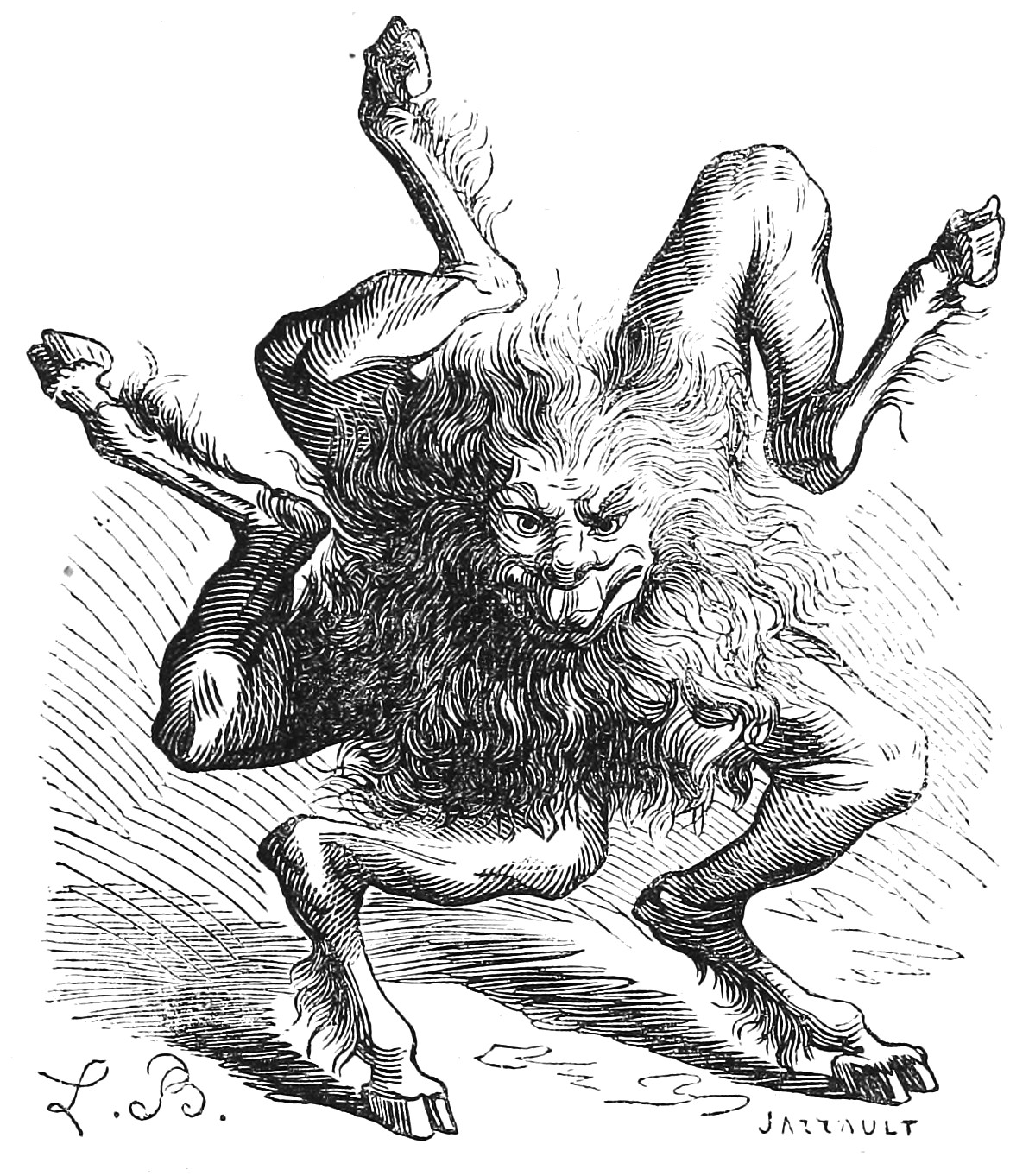


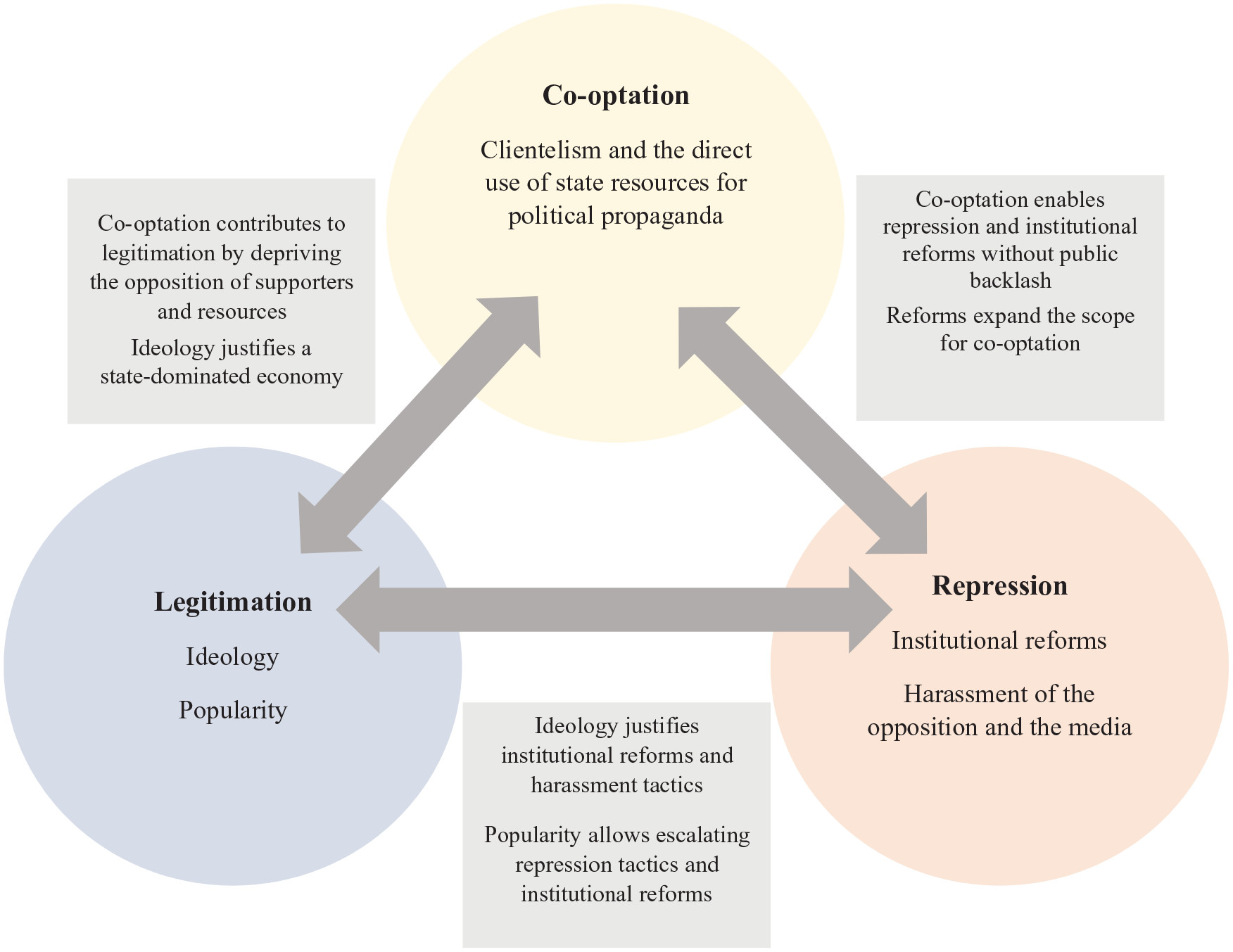





 freedom and reason