“If you look at what’s happening, I think it’s pretty easy to figure out what’s going on. I mean, suppose you’re a literary scholar at some elite university or an anthropologist or whatever. If you do your work seriously, that’s fine, but you don’t get any big prizes for it. On the other hand, you take a look over in the rest of the university, and you got these guys in the physics department and the math department, and they have all kind of complicated theories, which, of course, we can’t understand, but they they seem to understand them. And they have principles and they deduce complicated things from the principles and they do experiments, and they find either they work or they don’t work. And so that’s really impressive stuff, so I want to be like that too. So I want to have a theory in the humanities, you know, literary criticism, anthropology, and so on. There’s a field called ‘theory.’ We’re just like the physicists. They talk incomprehensibly, we can talk incomprehensibly. They have big words, we’ll have big words. They draw far reaching conclusions, we’ll draw far reaching conclusions. We’re just as prestigious as they are. Now if they say, well, look, we’re doing real science and you guys aren’t, that’s white, male, sexist, bourgeois, whatever the answer is. How are we any different from them? Okay. That’s appealing.”
Chomsky is correct on the nonsense hailing from literary studies and philosophy. Critical race theory, queer theory, etc., aren’t theories at all but ideologies that work at cross purposes with science. They are designed to rationalize political goals that threaten prevailing and just normative systems.
The core premise of critical race theory is that law founded on individualism is a white supremacy construct and that race-based social justice—with its atavistic ethics of intergenerational and collective guilt—should replace it. The “logic” of the “theory” rests on the fallacy of misplaced concreteness, reifying demographic categories and reducing flesh and blood individuals to personifications of statistical abstractions. For example, because, on average, white men have more wealth than black men, all white men are “privileged.” In the real world, there are black men with vast sums of money while white men live under bridges with no money at all.
The core premise in queer theory is that gender is a social construct independent of natural history. This is said to advance a project to normalize paraphilias. Queer theory’s premise is easily falsified by scientific investigation. Indeed, the objectivity and materiality of gender is one of those rare settled questions in the sciences. But gender activists deny or obscure the truth because truth is an obstacle in their political path. As with critical race theory, I have written extensively on this subject on the pages of Freedom and Reason.
However, compelling Chomsky’s critique of postmodernist literary theory, his extension of this critique to anthropology, sociology, and other social sciences fails. Theories in the social sciences are indeed distinct from those in natural sciences like physics or biology, as I explain in my essay The Four Domains of Reality: Sketching an Analytical Model of Emergent Complexity, but this distinction reflects the different natures of the phenomena studied, not an absence of rigor or intellectual merit. Theory plays a crucial role in the social sciences by providing frameworks for understanding cultural phenomena, human behavior, and social structures, as well as offering explanatory and predictive tools and frameworks.
Theories in the social sciences differ fundamentally from those in the natural sciences because they address human behavior and social phenomena, which are complex, context-dependent, and influenced by myriad factors such as agency, culture, and history. While natural science theories often seek universal laws (e.g., Newton’s laws of motion or Darwin’s theory of natural selection), social science theories are typically more contingent and interpretive, aiming to explain patterns, relationships, and processes in human societies. However, the physical and natural sciences also involve contingency and interpretation. All sciences works both deductively and inductively.
Social science theories are derived from systematic observation, data analysis, and careful interpretation. Theories of social stratification, such as Max Weber’s analysis of class, status, and power, or Karl Marx’s theory of historical materialism, are rooted in empirical study and offer valuable insights into the dynamics of economic, political, and social systems. These theories are not universally deterministic, but rather provide robust tools for understanding complex social phenomena. They enjoy considerable degrees of criterion-related validity.
One of the key roles of theory in the social sciences is to provide frameworks for explaining why and how particular social phenomena occur. Pierre Bourdieu’s concept of habitus, which explains how individual behaviors and perceptions are shaped by social structures and past experiences, illuminates the interplay between agency and structure, helping observers understand how societal norms and individual actions influence each other. Such theories deepen our understanding of social behavior and offer ways to analyze human interactions that would otherwise appear chaotic or random.
Unlike atoms or molecules, humans act within culturally, historically, and socially contingent frameworks that are constantly evolving. Theories in the social sciences embrace this complexity rather than reducing it to oversimplified models. Clifford Geertz’s interpretive anthropology emphasizes the importance of “thick description” in understanding cultural phenomena. This approach does not aim for universal generalizations but instead seeks a nuanced understanding of particular social contexts. Such theories allow researchers to engage deeply with the experiences of individuals and communities, offering insights that are both meaningful and practically relevant.
Theories in the social sciences also have predictive value, more probabilistic than the deterministic, but, again, this is true of the physical and natural sciences, as well. Criminological theories, such as strain theory, provide predictive insights into crime trends and patterns, which can inform policy and intervention strategies.
Critiques like Chomsky’s (Richard Feynman’s critique of sociology is another example) stem from comparing the social sciences to the natural and physical sciences without fully appreciating the unique nature of social phenomena. While it is true that social science theories may lack the precision and universal applicability of some natural science theories, this is a reflection of the subject matter rather than a shortcoming of the discipline. The social sciences grapple with the dynamic, fluid, and meaning-laden realm of human life, which requires theoretical frameworks that are flexible, interpretive, and responsive to context.
Theories in the social sciences are indispensable for understanding the complexities of human behavior and social systems. While they differ from the theories of natural sciences in their approach and scope, this difference is a strength, not a weakness. Social science theories provide crucial explanatory frameworks and offer practical tools for addressing societal challenges. Far from being a detriment to the intellectual landscape, the theoretical work of the social sciences enriches our understanding of the human condition and equips us to navigate an increasingly complex world.
This is not true of postmodernist literary theory. Its incorporation of theoretical language is pretentious. Postmodernist approaches employ dense and abstract terminology that can obscure meaning rather than clarify it. Unlike the empirically grounded and practically applicable theories in the social sciences, postmodernist theory avoids empirical engagement—even denying that universalism is possible since science itself is just another discourse. Postmodernists emphasize rhetorical style over explanatory power. It is more performative than substantive. The obscurantism inherent in such postmodernist “theories” as critical race theory and queer theory is not a bug but a feature. In fields serving the interests of corporate power, one should not expect otherwise.
Unless you live near Wilkes-Barre, Pennsylvania, or teach and research in the field of juvenile delinquency as I do, you may be unfamiliar with the “Kids-For-Cash Scandal.” Michael Conahan, pictured below, was convicted, alongside former judge Mark A. Ciavarella Jr., for funneling juvenile defendants to two private, for-profit detention centers in exchange for 2.1 million dollars in kickbacks.
Michael Conahan
Conahan pleaded guilty to charges of conspiracy in 2011 and was sentenced to 17 years and six months in prison. Ciavarella, Jr., was sentenced to 28 years. During the COVID-19 pandemic, Conahan petitioned for, and won “compassionate release,” citing concerns that he was “in grave danger of not only contracting the virus, but of dying from it.” In June 2020, Conahan was released to home confinement in Florida under federal supervision.
Outgoing President Joe Biden just commuted Conahan’s sentence. Even members of his own party are calling his action outrageous. “Some children took their lives because of this. Families were torn apart,” Pennsylvania Governor Josh Shapiro said of the scandal. “There was all kinds of mental health issues and anguish that came as a result of these corrupt judges deciding they wanted to make a buck off a kid’s back.”
Sandy Fonzo confronts Judge Chiavarella on the courthouse steps after he was convicted in the “Kids for Cash” scandal in 2011.
Sandy Fonzo, whose son killed himself after being placed in juvenile detention, called the Biden pardon of Conahan development “deeply painful.” “Conahan’s actions destroyed families, including mine,” she said in a statement. “My son’s death is a tragic reminder of the consequences of his abuse of power. This pardon feels like an injustice for all of us who still suffer. Right now, I am processing and doing the best I can to cope with the pain that this has brought back.”
One quibble with her remarks. Biden’s action doesn’t “feel” like an injustice. It is an injustice. There’s a reason why Joe Biden is widely seen as the worst President in modern American history—because he is the worst President in modern American history.
The apparatchik of the communist cell has to toe the party line handed down from the commissar. All members must act to drag comrades who deviate from the line back to conformity. This may take the form of the struggle session, in which members take turns scolding the deviant, who must confess his crimes against the party. In the worst case scenario, the deviant will be punished by or expelled from the party.
A struggle session of Liu Shaoqi
The public university in a free society should not be like a communist cell. There is no party line in a free university. The core value of the public university is providing a space where individuals are free to express opinions however much they deviate from the presumed orthodoxy. The administration must therefore be ideologically and politically neutral in its policies and pronouncements.
Imagine a college teacher kicking a student out of class who uttered an opinion with which the teacher or other students disagreed or found offensive. Imagine a university administration expelling students for disagreeable or offensive opinions. Imagine a college student being expelled from school for posts on social media.
Have these things happened? If they have, they’re violations of the First Amendment. As long as students are honoring time and place rules and not disrupting the classroom, they are entitled to their opinions—however disagreeable or offensive. People can believe and say whatever they want in America. It’s a free country, after all.
The same is true for college teachers. Punishing or expelling a college teacher for opinions expressed at the appropriate time and in the appropriate place is a violation of the teacher’s civil rights.
How did we ever wind up in a place where this was not obvious? The first thought an administration should have at a complaint from students, faculty, or the community should not be “We are looking into it,” or “We have a process,” but “At this institution we uphold the First Amendment and the principle of academic freedom.” Anything less than that pronouncement is an act of cowardice or equivocation, the latter a troubling sign of the commitment to the foundational ethic of a free and open society.
I wrote this essay April 27, 2022 and never hit publish. I found it buried in the cue searching for something else and, after some light editing, I am publishing it today. I have neither added nor subtracted any of its original content. I have since written numerous related articles elaborating this thesis, but there are some unique elements to this essay, and it represents the foundation of my arguments since.
The threat I identified in the spring of 2022 has been mitigated somewhat, not only with the reelection of Donald Trump, but the success of the populist movement across the Western world. But progressivism is still the operating system and moral pretense of the corporate state. The election of Trump, as well as a Republican Party more reflective of the general will, is only the beginning of the People’s campaign to deconstruct government by administrative rule and the Deep State that protects it. This essay, written at the midpoint of the simulation of a presidential term (the Biden-Harris regime), will thus serve as a marker of the New Dark Ages we are just now escaping. My hope is that these words will motivate my fellow populists to stay focused and engaged.
* * *
“Every line of serious work that I have written since 1936 has been written, directly or indirectly, against totalitarianism and for democratic socialism, as I understand it.” —George Orwell, “Why I Write” (1946)
As readers of Freedom and Reason know, I have long subscribed to the theory of regulatory capture, which the CFA Institute succinctly defines as “a phenomenon that occurs when a regulatory agency that is created to act in the public interest instead advances the commercial or political concerns of special interest groups that dominate an industry or sector the agency is charged with regulating.” But the more I learn about the history of progressivism, the more I am convinced that our regulatory agencies were never really independent bodies created to act in the public interests but rather were always the instruments of corporate power and its search for legitimacy in a system to which it stands as the antithesis. These agencies have in any case functioned to thwart popular control over local concern and stifle mass democratic action.
As I will show in this essay, it is no coincidence that progressivism and the regulatory system to which it gives voice appear with the establishment of corporate personhood, which, in the United States, entitles business firms to First, Fourth, and Fourteenth Amendment protections, a development occurring in the late eighteenth and early twentieth centuries. What were before privileges granted by government—then corporations were considered “artificial persons” subject to writs of quo warranto, whether sought by king or citizen—became the same rights as those to which actual flesh and blood persons were entitled, while the privilege of capital remained exclusive to the firm. Under the governance of the corporate person, the sovereign people, the republican citizen, became once more a subject.
The regulatory system is thus an integral part of what Richard Grossman, founder of the Program on Corporations, Law, and Democracy, calls the “corporate state,” the power that now towers over the republic, turning its legal and political machinery, the legitimate gears of justice, into the powerful instruments of tyranny. Regulation is not, as advertised, the “spirit of reform,” but a strategy the power elite deploys to humanize exploitation while, by dividing and disorganizing the masses upon which advocates for the interests of the common man depend for the success of their democratic work, draining social activism of its power. Regulation is one weapon the progressive wields to block and dissipate populist desire. The citizen demands his right to determine the conditions of his existence in a free society; the corporate state denies his right and returns him to serfdom.
Seeing how the left has been, for the most part, sucked into the vortex of progressive praxis, the center of gravity of the gathering populist storm is the political right. This is a transformative historical moment with which we must engage; the political right has swung around to working class interests and politics, challenging the corporatist establishment even of the Republican Party (and threatening to take that party back to its roots in labor). That establishment is controlled by the same power that controls the Democratic Party, and is marked by the same ideologies, namely neoliberalism and neoconservatism. The rank-and-file political left in the United States, and in Canada and Europe, as well, is aligned with the professional-managerial strata that controls the education system, the culture industry, the legacy and social media, and runs the administrative state. Comprising the populist forces are working people and small businesses.
The validity of left-right divisioning of political power has thus been cast in serious doubt. “Left” and “right” are becoming legacy terms once describing the habit of the liberal and radical political parties to sit to the left of the presiding officer’s chair, while those representing the nobles and the clergy, the true conservative parties, sat to his right. It’s an old story. The left was comprised of the bourgeoisie and the laboring masses seeking transformation of the social order. The right sought to preserve the traditional order of things. As time passed, the democratic republican form was accepted by both sides, conservatives and liberals (the former moving towards the latter) became more alike, and the socialist ambitions of the proletarian masses emerged as a threat to both. All this occurred in the context of bourgeois civil society and the juridical-political frame of the modern nation-state.
In both the Ancien Régime and, until recently (in historical terms), the new liberal order, the corporation was answerable to the sovereign. By what authority could a corporation behave in such a manner as to contradict the interests of the sovereign? But then the corporate state was established and the political jargon of left and right was mapped onto the new hyper-rational structure, and the party of the slaveocracy, of the feudal-like arrangements of the plantation system, the Democratic Party, insinuated itself into the political left, while the populist Republicans, the party of small “d” democracy and limited government and all that entails for liberty, the party that was founded by abolitionists and socialists, became identified with the political right. Corporate power and its technocracy, enabled by Democrats, advanced the progressive movement. This essay concerns this history.
George Orwell, a democratic socialist, was right to name the totalitarian nightmare world of Airstrip One “Ingsoc,” New Speak for English socialism, which abandoned the tradition of English common law and instead took after Stalin’s Russia. Aldous Huxley before him was right to describe his dystopian World State as standing on the foundation of the bureaucratic-rationalist principles of consumerism, homogeneity, mass production, predictability, and uniformity. Christopher Hitchens succinctly noted the difference between these fictional accounts: the former was a house of horrors; the latter, hedonistic nihilism. But both were destructive to human freedom—and they are coming together in the New World Order.
Populist nationalism is a movement to save the world from all that and deepen the foundation of Western civilization—and that means subordinating corporate power to the sovereign, which is today the citizen of modernity. The progressive globalist, in contrast, wants to tear down the West for corporate power and reduce citizens to serfs in a neofeudalist world order. Progressive globalism is a real-world work of synthesis—of Orwell and Huxley. Its vision, concrete history of much of the last century, is anti-Enlightenment, anti-human, postmodern. (see Global Neo-Feudalism: Backwards to the Future; George Soros, Philanthrocapitalism, and the Coming Era of Global Neo-Feudalism.)
Thus there is a confusion of terms. Oftentimes populism gets mixed up or conflated with progressivism. Because of this mixup, I hear complaints from liberals that the original ideas of progressivism have been betrayed. Sometimes liberals, self-identifying of course, even condemn liberalism for betraying them (see The Democratic Party is Not the Party of Liberal Politics; The Problem of the Weakly Principled). But progressivism and liberalism aren’t the same things and progressivism has always been what it is (just as liberalism has). Progressivism has always been regulatory and transnationalist in orientation. And now, in full ascendency, it is in many ways the New Fascism.
* * *
What is the history of this madness masquerading as progress and reason? Progressivism was established as a system of population management in the late 1800s and early 1900s. The two principle targets were workers and consumers. Progressive government is designed to prevent the proletariat from developing class consciousness and rising up against industrial capitalism and concentrated financial power by assuming the worker into efficiency regimes and methods of legal and extralegal social control. For example, progressives pushed alcohol prohibition to sober up workers and keep them home at night to make them more productive for the capitalist class, generate more surplus value for the realization of profit in the market, the products with which they would be seduced to buy with their meager wages. Before alcohol prohibition, there was sharp regulation of narcotics to control populations under the guise of public health. And afterwards, when prohibition of alcohol was ended in the 1930s, modern drug prohibition was rolled out under the progressive regime of Franklin Roosevelt with the control of cannabis.
Antonio Gramsci, author of the Prison Notebooks, penned while jailed under the fascist regime of Benito Mussolini
The history of industrialism is one in which the capitalist class, in fundamental ways, has waged war with human nature. In his Prison Notebooks, building on Max Weber’s analysis of bureaucratic corporate rationalization, Italian Marxist Antonio Gramsci writes, “In America, rationalization has determined the need to elaborate a new type of man suited to the new type of work and productive process.” Industrialism is “a continuing struggle against the ’animality’ in man.” The goal is to transform man, which involves “psycho-physical adaptation to the new industrial structure.” “It has been an uninterrupted, often painful and bloody process of subjugating natural (i.e. animal and primitive) instincts to new, more complex and rigid norms and habits of order,” Gramsci continues. “exactitude and precision which can make possible the increasingly complex forms of collective life which are the necessary consequence of industrial development.” Gramsci tells us that the process is “developing in the world to the highest degree automatic and mechanical attitudes, breaking up the old psycho-physical nexus of qualified professional work, which demands a certain active participation of intelligence, fantasy and initiative on the part of the worker, and reducing productive operations exclusively to the mechanical, physical aspect.”
This is the cybernetic function Weber describes in The Protestant Ethic and the Spirit of Capitalism (written 1904-1905). “Military discipline is the ideal model for the modern capitalist factory,” writes Weber. “Organizational discipline in the factory has a completely rational basis. With the help of suitable methods of measurement, the optimum profitability of the individual worker is calculated like that of any material means of production. On this basis, the American system of ‘scientific management’ triumphantly proceeds with its rational conditioning and training of work performances, thus drawing the ultimate conclusions from the mechanization and discipline of the plant. The psycho-physical apparatus of man is completely adjusted to the demands of the outer world, the tools, the machines—in short, it is functionalized, and the individual is robbed of his natural rhythm as determined by his organism; in line with the demands of the work procedure, he is attuned to a new rhythm though the functional specialization of muscles and through the creation of an optimal economy of physical effort. This whole process of rationalization, in the factory as elsewhere, and especially in the bureaucratic state machine, parallels the centralization of the material implements of organization in the hands of the master. Thus, discipline inexorably takes over ever larger areas as the satisfaction of political and economic needs is increasingly rationalized. This universal phenomenon more and more restricts the importance of charisma and of individually differentiated conduct.”
Because this program is contrary to nature, the control must necessarily be an external imposition and therefore coercive. At least at first. The goal is to make new habits “second nature,” Gramsci contends. When coercion is exercised over society, puritanical ideologies develop as external form of persuasion and consent to the intrinsic use of force. Masses acquire the customs and habits necessary for new systems of living and working or are subject to coercive pressure through elementary necessities of existence.
For Weber, this is what disenchants the world and threatens to destroy individually differentiated conduct, a concept that captures both freedom and individualism. “Since asceticism undertook to remodel the world and to work out its ideals in the world,” Weber writes, “material goods have gained an increasing and finally an inexorable power over the lives of men as at no previous period in history. Today the spirit of religious asceticism—whether finally, who knows?—has escaped from the cage. But victorious capitalism, since it rests on mechanical foundations, needs its support no longer. The rosy blush of its laughing heir, the enlightenment, seems also to be irretrievably fading, and the idea of duty in one’s calling prowls about in our lives like the ghost of dead religious beliefs. Where the fulfillment of the calling cannot directly be related to the highest spiritual and cultural values, or when, on the other hand, it need not be felt simply as economic compulsion, the individual generally abandons the attempt to justify it at all. In the field of its highest development, in the United States, the pursuit of wealth, stripped of its religious and ethical meaning, tends to become associated with purely mundane passions, which often actually give it the character of sport.”
Rationalization of work and prohibition thus become inevitably connected in establishing the worker’s second nature. This included, and these persist, inquiries conducted by industrialists into workers’ private lives (surveillance) and the inspection services created by firms to control the “morality” of workers are necessities of new methods of work. As Frederick Taylor, the founder of scientific management, “expressed with brutal cynicism—the purpose of American society” was to develop “trained gorillas.” “There was a need for worker to spend their money rationally to maintain, renew, and, if possible, increase muscular-nervous efficiency and not to corrode or destroy the body.” Regulating drugs (and potentially many other things) becomes a function of the corporate state. Gramsci writes, “It is in [the capitalists’] interests to have a stable, skilled labor force, a permanently well adjusted complex, because the human complex (the collective worker) of an enterprise is also a machine which cannot, without considerable loss, be taken to pieces too often and renewed with single new parts.”
The corporate collectivist regime also included sexual controls. “The new type of man demanded by rationalization of production could be developed until sexual instinct had been suitably regulated and rationalized,” writes Gramsci. “The new methods of control and production demanded rigorous discipline of sexual instincts—a strengthening of the ‘family’ and regulation of sexual relations.” One might think that under capitalism, the exchange of money and sex would seen as just another market transaction. But in the corporate system, control over the most intimate activities of the working class required regulation. Hence prostitution becomes criminalized, justified by various rhetorics, religious and secular.
Gramsci, aping the propaganda of progressives in their attempt to revise the history of America writes, that “Americanization requires a particular environment, a particular social structure and a certain type of state. The state is a liberal state in the sense of free-trade liberalism or of effective political liberty, but in the more fundamental sense of free initiative and of economic individualism which, with its own means, on the level of ’civil society,’ through historical development, itself arrives as a regime of industrial concentration and monopoly.” He is describing progressivism.
As much as we must fight for liberal values, the economic component supported by these same values is useful to a system that functions to minimize popular democratic practice. In some aspects, democracy and liberalism are not twins, but for the most part opposites, that must exist in tandem and tension. In his essay “Peace, Stability, and Legitimacy” (1994), Immanuel Wallerstein puts the matter in a pessimistic way: “Liberalism was invented to counter democracy. The problem that gave birth to liberalism was how to contain the dangerous classes. The liberal solution was to grant limited access to political power and limited sharing of the economic surplus-value, both at levels that would not threaten the process of the ceaseless accumulation of capital and the state-system that sustains it.” Wallerstein here is obsessing over the capitalist relations piece the liberal order justifies, but he is on to something and we must pay attention to it, especially in capitalism’s late stage of corporate statism. However, the problem in overcoming the restrictions on speech and conscience that exclusive control over the means of production portend involves establishing democratic practices that realize core liberal principles for everybody while negating the illiberal tendency inherent in the majoritarian impulse.
“It is from this point of view,” Gramsci continues, “that one should study the ’puritanical’ initiative of American industrialists like Ford. It is certain that they are not concerned with the ’humanity’ or the ’spirituality’ of the worker, which are immediately smashed. This ’humanity and spirituality’ cannot be realized except in the world of production and work and in productive ’creation.’ They exist most in the artisan, in the ’demiurge,’ when the worker’s personality was reflected whole in the object created and when the link between art and labor was still very strong. But it is precisely against this “humanism’ that the new industrialism is fighting.”
Recall that, in Huxley’s Brave New World, the industrialist Henry Ford becomes a Christ-like figure. One finds citizens of the World State substituting for “God,” Ford’s name; where one would hear “the Year of our Lord,” one hears instead “the Year of our Ford.” It is not, as conservatives suppose, that we have seen a diminishment of the religious impulse amid industrialization. Finke and Stark show in The Churching of America the way in which the rise of religiosity in the United States in the nineteenth century, not at all prominent at its founding, made possible the marshaling of faith commitments in developing the control systems that marked the emergence of large-scaled industrialization. Industrialization generalizes the Protestant Ethic—which was always a projection of the capitalist spirit.
The trans-humanist desire this movement inspires was such that, during this period and for some time after (until Hitler embarrassed the other western nations with his racial nationalism driving the thought and practice underground), progressives pushed eugenics to engineer superior human stock for the same purposes as they sought to control the body. They also stood up the technocratic system of public health, pushing quarantine and vaccination, using the latter as precedent to justify forced sterilization. They even used the newly established penitentiary and reformatory system as mechanisms of preventative incapacitation to prevent the promulgation of deplorables. It was the progressives who pushed for state control over bodies and set up the regulatory agencies that greased the path to corporate governance. Progressives established regulatory agencies—the FDA, USDA, etc.—in order to legitimize capitalist practices in production and in consumer markets.
Progressivism is racist not just in the scientistic practice of eugenics. It is also racist in its advocacy for the institution of racial segregation. Progressive Democrat president Woodrow Wilson, the 28th president of the United States (1913-1921), segregated the White House upon assuming office. At the same time, in what may appear to be contradictory, Horace Kallen and urban cosmopolitan ilk jettisoned the “melting pot” for the “salad bowl” metaphor, juxtaposing cultural pluralism in opposition to assimilationism. They also advanced the goal of trans-nationalism. —All this back in the 1910s-20s. Cultural pluralism was used to prevent immigrants from integrating with American values and developing nationalistic attitudes.
Later, in a corporatist move, Roosevelt pulled labor under industry by legalizing labor unions and pulling labor’s fangs. It was under his regime, as Richard Grossman points out, that progressivism was institutionalized. The progressives, in control of the central cities, segregated blacks in the ghettos during the Great Migration and established open borders on the 1960s that made black labor redundant. They created the custodial state to manage black idleness. They engineered globalization that, along with the welfare state, has devastated black families.
The fact is that progressives have always been on the side of big industry, big finance, and the professional-managerial class—the credentialed class—that works the administrative state and the culture industry. They’re behind the lockdowns, passports, mandates, etc, a continuation of the corporate state power that marked eugenics (which they still work—just check and see where Planned Parenthood tends to work—and then check and see what Margaret Sanger believed). And if systemic racism exists at all, then progressive Democrats own it. They were the party of slaveocracy, the party of Jim Crow, and now the party of diversity, equity, and inclusion, the new colorful brand of racism. To be sure, the Civil Rights movement dragged progressives kicking and screaming into equality. But they deftly replaced civil rights with identity politics, using their control of culture and education to turn the narrative on its head.
* * *
The arguments I make on Freedom and Reason are rooted in well-established sociological thought, as well as thinking across disciplines, including anthropology, communications, legal studies, political science, and psychology. I encourage readers to study Max Weber’s analysis of the corporate bureaucracy and its rationalizing effects, what he depicts as a freedom-destroying “iron cage”—or, perhaps a better translation from the German, “steel casing”—surrounding the person. Readers should also consult the work of Antonio Gramsci, which provides an analysis of suffocating force of bureaucratic rationalism, part of a set of observations that landed him in prison under the corporatist regime of Italian fascist leader Benito Mussolini. Crucial to these arguments are the control strategies popularly known as Fordism and Taylorism—automation, mechanization, task specialization, deskilling, and scientific management.
The Frankfurt School scholars, especially Theodor Adorno and Max Horkheimer, separately and in collaboration, carried forward this line of thinking in a unique way, synthesizing Weber’s insights with those of Karl Marx and Sigmund Freud. In the United States, C. Wright Mills and his analysis of the power elite and the military-industrial complex, indebted to Frankfurt scholar Franz Neumann, moves is in this vein. These thinkers examined state monopoly capitalism and corporate governance and the extinguishing of human freedom and creativity under national socialism and the post-Nazi periods. See also the development of mass persuasion, marketing, and public relations. Edward Bernays and Walter Lippmann represent the tip of the spear in this field. There is a large body of literature here. See Edward Herman and Noam Chomsky’s Manufacturing Consent and Chomsky’s 1988 CBC Massey Lectures (collected as Necessary Illusions). See also the work of Robert W. McChesney.
There are many other important lines of research I can cite here, but this essay has gotten long, so I want to conclude by describing the actual sociopolitical space in which we make our lives.
As I noted at the beginning of this essay, it is becoming increasing clear, to me at least, that progressivism did not develop to regulate capitalist production in a manner benefiting the general public, but rather to facilitate capitalist accumulation, which includes the transformation of the culture (including the moral order), law, and the state in order to expand and entrench the power and control of economic elites. Crucially, then, the innovation of regulation, similar to social welfare, is chiefly concerned with establishing the hegemony of the capitalist mode of production.
Academics, big industry, financial elites, cultural and media persuaders, and subservient politicians have always been behind multiculturalism (cultural pluralism) and globalism (transnationalism), core elements of progressive thought. This thought has recently become “woke.” Woke indicates awareness of and the practice of being actively attentive to the alleged existence of various injustices and oppressions, especially concerning claims about the situations of racial and gender identities. Woke progressivism, which has captured all of the West’s major institutions, is a secular religion, a quasi-religion if you will, that developed within the professional managerial class (or strata), emerging with rise of industrial capitalism and the corporatization of economic and social life. The duty of this religious-like ideology (and my conception of ideology includes practice) is to advance the interests of of the corporate class. This ideology has by and large captured the left which has led to a rapid shift in loyalties.
The Democratic Party, historically a coalition of slaveowners, and later segregationists, alongside industrial capitalists, is today the party of the corporate state. Progressivism and its attendant project of multiculturalism, is the organized political expression of these powers and ideologies. The Democrats opposed assimilationist and integrationist policies from the beginning. As soon at they were compelled to relent and end segregation in the 1960s, they passed open borders legislation and promoted globalization, elaborated a custodial state to control the industrial reserve, what President Lyndon Johnson dubbed the “Great Society,” and elaborated the ideology of cultural pluralism and selective moral relativism.
Scholars have described this situation as “embedded liberalism.” The goal was to liberalize trade while at the same time expand the social welfare state to manage the consequences of trade liberalization, i.e., an approach to economic and social dislocation pitched as a set of compassionate domestic policies confronting inequality—which grew as a result of these policy changes. This was necessary because of the fall in the rate of profit brought about in part by the strength of labor to secure compensation aligning with productivity gains while gains in productive, achieved by automation, mechanization, and globalization undermined the ability of capitalists to realize surplus value as profit in the market. These trends are not unique to the United States, but are also features of the social democracies of Europe. Is it these ideas that find their manifestation in the Articles of Agreement of the International Monetary Fund (IMF), the European Union (EU), the General Agreement on Tariffs and Trade (GATT), North American Free Trade Agreement (NAFTA).
Emerging from this development is neoliberalism, an extreme market-oriented philosophy that, in addition to deregulating industry and capital markets and lowering trade barriers, progressively privatizes public functions, asserts corporate governance everywhere, and imposes conditions of austerity. The emergence of the transnational corporation and its systems is accompanied by neoconservatism, a rebranding of Cold War liberalism and internationalism (the liberal rule-based international order) focused on the full-spectrum military dominance of the United States in order to facilitate the dismantling of the interstate system and advance the interests of the nascent transnational corporate state.
Although these political and economic forces portray themselves as for the Common Man, the reality is that the Democratic Party and the progressive movement stand in opposition to the working class, the farmer, and the small and medium-sized entrepreneur, who are more liberal and democratically-minded (i.e. personal autonomy and small government), as well as emphasizing the importance of family and assimilation with American values. The attitudes of the working class, the farmer, and the entrepreneur are nationalist and populist in orientation, and so, in an Orwellian move, such attitudes are portrayed in academe, by the culture industry and the mass media, all controlled by progressives, as reactionary and even white supremacist. The progressive movement in turn pulls non-whites (except for Asians) into their coalition through pandering, resentment, and affirmative action, to stitch together a bulwark against popular challenges to power. Corporate power portrays itself as a forward-leaning pro-people movement when in truth it only pushes change where it finds opportunities to accumulate capital.
The ruling class has erected an ideological system that disguises its class interests behind a self-serving narrative. The system manufactures an at once sophisticated and faux-popular ideology that convinces a majority of working people that the interests of the rulers are the interests of everybody. It is a project of constant historical revisionism. When they need to change history, the cultural managers in their employ are more than happy to change the narrative to fit with the demands. Gramsci referred to these workers as “organic intellectuals,” whom he distinguished from “traditional intellectuals.” The latter were devoted to preserving history, advancing science as a general proposition, and other forms of knowledge. The traditional intellectual never goes away; he is, however, marginalized. The former are the functionaries of the ruling class, who now dominate our universities, news organizations, and the world of movies, publishing, etc. They are the experts and authorities and persuaders and influencers. George Orwell wasn’t writing about a possible future. He was writing in future terms about present reality.
A populist revolt is gathering. The people are pushing back. At school boards and in legislatures across the heartland. The pandemic slowed its progress but did not crush it. That’s why elites are clamping down so hard in Europe. The resistance marches are massive there. The elite can see things slipping away. Too many alternative sources of information, which elites are scrambling to contain, have the effect of producing mutual knowledge, which in turn becomes the basis of common purpose and political organizing.
The people the mainstream tells you are “conspiracy theorists,” those to whom you shouldn’t be listening, are the people you should be listening to. They’re the ones who have been getting it right. What folks said was conspiracy theory last month, is concrete fact today. The pandemic was rolled out in impressive fashion, but, because elites have lost control over informational flow, it could only fool some segments of the population and others for only so long. The anarchy of the Internet and the structure of alternative news established by populist forces have changed the character of popular knowledge production forever. I end this essay on a positive note.
I haven’t forgotten about Springfield, Ohio, a flashpoint in the 2024 election that deserves our continued attention. The controversy reminded me of my experience is East Tennessee as a graduate student at the flagship university in Knoxville learning about, among other things, the superexploitation of black workers in East Tennessee during the Manhattan Project at the Oak Ridge site and surrounding areas. That situation provides a historical-comparative point in discussions of the situation in Springfield, Ohio, and the superexploitation of Haitian immigrants discussed in my previous essay A Case of Superexploitation.
I had been wanting to write about the Oak Ridge situation for many years, but moved on to other subjects. The situation in Springfield jogged my memory of that experience—and interest—and so today I finally write about Oak Ridge. I’m relying on my notes from that period and my general knowledge of Cold War history. What you will learn today (if you don’t already know about it) is that Oak Ridge is an instance of environmental racism but also a paradigm of the racialized split labor market I discussed in my essay about Springfield. I connect the Oak Ridge situation to Springfield and elaborate the situation of Springfield residents and what they can look forward to if they don’t organize politically to resist it.
Oak Ridge
During World War II, Oak Ridge was created by the federal government as a secret city. Part of the greater Manhattan Project to develop the atomic bomb, rapid construction of a nuclear facilities required a vast workforce, and black workers (among others) were recruited from the South for this work. The black workers were mostly employed in low-wage, labor-intensive jobs such as construction, janitorial services, maintenance, and other forms of unskilled labor. Despite the promise of higher pay, they were paid significantly less than their white counterparts and were subjected to poor working conditions.
Crammed into hutments, cramped makeshift dwellings that lacked basic amenities like running water and proper insulation, housing conditions for black men were segregated and inferior. Black women, hired primarily as domestic help, faced similar discrimination and marginalization. Employed as cooks, laundry workers, and maids for white families, their wages were among the lowest in Oak Ridge. Black workers were systematically excluded from skilled and supervisory positions, despite some of them possessing the same qualifications as white workers. Racial segregation extended to every aspect of life in the secret city—dining, recreational facilities, and transportation.
The hazardous conditions that black workers faced during the Manhattan Project, particularly in East Tennessee at Oak Ridge, added another layer of exploitation beyond low wages and poor living conditions. Black workers were subjected to toxic materials without proper protective gear or safety protocols. Reports from this time describe black laborers working in dangerous conditions, including being exposed to mercury and other toxic chemicals, sometimes wading knee-deep in these substances. There is film of this, which I and my fellow students watched in seminar. The workers were seen as expendable labor. These exposures had long-term health consequences. Many black workers developed chronic illnesses, including cancers, respiratory issues, and other diseases linked to their work with toxic substances.
Moreover, the surrounding environment in Oak Ridge and other parts of East Tennessee became heavily polluted. Mercury, radioactive materials, and other industrial pollutants contaminated the air, soil, and water. The evidence of environmental racism is clear; black communities were disproportionately impacted by the environmental degradation in the area. The fact that black workers were often housed in segregated, substandard areas close to the most polluted sites exacerbated the injustice. They bore the brunt of both the immediate dangers of toxic exposure and the long-term environmental harm, with little recourse for improving their living and working conditions. Contamination of the environment persists. In the mid-1990s, at a birthday party in a park, there were signs by the creek nearby warning visitors to not touch the rocks, as they may be radioactive.
* * *
If we take the city manager at his word (see that previous essay), in the Midwest city of Springfield, Ohio, in 2024, the US government is contracting with private defense firms to produce advanced military technologies as part of a national security initiative. The city, once part of a thriving industrial region, like so many other Midwest cities hollowed out by globalization, is presented with “new opportunities” made possible by the construction of defense production facilities, where the US government, partnering with private companies, under the guise of “revitalizing the region,” is importing a vulnerable racialized populations for purposes of superexploitation. This is why he Haitians are there and why the corporate state and its media apparatus is obscuring the truth.
So here is the truth: Like the black workers at Oak Ridge decades earlier, Haitian workers in Springfield are segregated from the local population, living in housing repurposed as barracks with more construction on the way. Entire families, but also many young military age men, unable to afford rent on their meager wages, crowd into small rooms. The workers are kept isolated, both geographically and socially, from the local population, their temporary status reinforcing their vulnerability.
What will the conditions be like in the defense factories? Will the African-Carribean migrants work long shifts handling hazardous materials used in the production of cutting-edge military technologies, including experimental weapons systems, advanced electronics, and drone components? Very likely. Can we expect that safety regulations, though officially in place, will be rarely enforced for these temporary workers? Very likely. To shield the defense companies from legal liabilities, the government has cultivated a system where migrant workers are hired through temp agencies. This arrangement allows the companies to maintain plausible deniability regarding labor abuses, passing responsibility onto the agencies, which are less regulated and harder to hold accountable.
The corporate media will be, as they are now, uninterested in investigating and reporting on this developing situation. But we cannot allow the situation to go unnoticed. These temp agencies act as intermediaries, doling out short-term contracts and ensuring that migrant workers remain in a state of precarious employment, easily fired, deported, and replaced at the first sign of unrest. Workers know their situation is exploitative, but many feel trapped, and they need voices like ours to raise their profile. Those with temporary protected status fear the government might not renew their status, while those in the country illegally know any form of protest or refusal could lead to deportation. To be sure, they should be deported. They are here illegally and this work can be performed by citizens who have more control over the life chances because of their citizenship.
What can the legal residents of Springfield expect? Will the waste from the defense factories leak into nearby rivers, poisoning the water supply? Will toxic air emission cause respiratory illnesses among both workers and residents in the surrounding areas? Past experience tells us that these and other outcomes are almost certainly guaranteed. The factories, inevitably located in the poorer, predominantly minority neighborhoods of the city, will disproportionately affect these vulnerable communities, but they will in the end affect everybody. This is why the greater community must organize against corporate power and the collusion with federal, state, city, and local governmental bodies. Importing migrant labor is a key part of disorganizing political resistance. This was why the corporate media ridiculed Trump, Vance, and Republicans who were speaking up for the legal residents of Springfield. Their job is to protect the corporate state by obscuring its machinations and marginalizing its critics.
Recall the train derailment in East Palestine, Ohio, which occurred on February 3, 2023, when a Norfolk Southern freight train carrying hazardous materials derailed. Around fifty cars went off the tracks, with twenty of them containing chemicals like vinyl chloride, a toxic and flammable substance. Ostensibly, authorities conducted a controlled release and burn of the chemicals, which created a massive smoke plume. The incident raised concerns about air and water contamination in the area. Residents were temporarily evacuated, and although officials initially stated that the air and water were safe, many people reported health issues, including respiratory problems, rashes, and nausea. Many readers won’t readily recall that situation because they never learned about it. This is the function of the corporate media: to hide the facts by not covering them and then treating those who have concerns as “conspiracy theories,” etc.
* * *
Springfield, Ohio has become a microcosm of twenty-first century labor exploitation, where the superexploitation of migrants, facilitated by temp agencies and backed by the state, echoes the racialized labor systems of the past. Hidden behind the rhetoric of economic stability and national security, the government and private companies have constructed a system of modern indentured servitude, where the most vulnerable bear the heaviest burdens in the name of economic revitalization and defense. The corporate media obscures the truth of the situation by deft deployment of propaganda tactics developed over the course of decades. But for the free and open spaces on the Internet, it would be virtually impossible to know and raise awareness about this situation.
In my previous essay on this platform cited above, I spent considerable time explaining why resistance to the foreign culture undermining the traditions of Springfield is not racism. However, those attacking the residents of Springfield for their resistance to the superexploitation of immigrants and the destruction of their neighorhoods are doing so to obscure the actual racist practices of the federal and state governments under the control of the historically racist party—the Democratic Party—and the corporate interests they serve.
ZeroHedge reports “Trump Taps Chris Rufo To Help De-Wokify Ivy Leagues Receiving Federal Funds.” Funding DEI (diversity, equity, and inclusion) programs violate the Civil Rights Act of 1964 by favoring certain ethnic, racial, religious, or gender groups, the latter only legitimate where it is based on recognition of objective gender differences (what equity actually means, not the Kamala Harris’ notion of “equality of outcomes”).
Chris Rufo of the Manhattan Project
Why we have allowed affirmative action and DEI to persist for more than half a century after that monumental piece of legislation liberating individuals from group categories testifies to the corruption of our institutions and mass consciousness by progressivism. We were supposed to have eliminate the boxes, not double down on putting people in them. Capitalists found a new way of disordering the proletarian ranks, essentially flipping discrimination from minorities to the majority.
I confess that I was for a long time part of the problem (I have confessed this before on Freedom and Reason), having bought into the arguments of systemic racism and related notions. This was due to my upbringing—I escaped religion of Christianity, but not the religion of progressivism—and my training in sociology, a discipline that teaches its students to treat abstractions as if they were real and concrete things.
The past decade has for me been a journey of awakening and rediscovery of the liberal in me. It forced me to rethink some of my positions to align with my core values. This work straightened me out. I am in a much better place now. Waking up is more than an intellectual exercise; it’s an emotional and psychological experience. One finds peace of mind in consistency. It takes courage. And losing people along the way. But it’s worth it.
Activists like Rufo are playing a crucial role in the movement to reclaim our freedom and reason. The Manhattan Institute has quite a few of these types of thinkers. Heather Mac Donald is another one. Check out the site.
Donald Trump’s second-term Cabinet nominations reflect a focus on alignment with his policy priorities and loyalty. I will name a few of them here: For Attorney General, he selected Pam Bondi, a staunch ally, emphasizing reform of the Justice Department. Marco Rubio, a vocal supporter of Israel and opponent of Iran, was selected as Secretary of State. Tulsi Gabbard, a former Democrat, was named Director of National Intelligence. Robert F. Kennedy, Jr., also a former Democrat, was selected for Health and Human Services. Doug Burgum, a proponent of fossil fuels, was selected as Secretary of the Interior. Howard Lutnick, aligned with Trump’s trade policies, was tapped for Commerce. Lori Chavez-DeRemer, known for her pro-labor stance, was chosen for Labor. Scott Bessent, a hedge fund CEO, was chosen as Treasury Secretary.
Members of the Senate have signaled their displeasure as several of the choices and indications are that they will try to stop some of Trump’s nominees from taking office.
Washington’s Cabinet
Our first President, George Washington, selected the men for his Cabinet (then only four—Attorney General, Secretary of State, Secretary of the Treasury, and Secretary of War), drawing upon his own judgment of their expertise, loyalty, qualifications, and trustworthiness. Washington had the constitutional authority to appoint officials, subject to the Senate’s confirmation. And so they were confirmed. The same is true of Abraham Lincoln and his Cabinet (which included the aforementioned plus Secretary of the Interior, Secretary of the Navy, and Postmaster General). Lincoln put together a “Team of Rivals.” His picks were controversial and many opposed them for one reason or another. But they were confirmed and together led the nation through the Civil War.
Lincoln’s Cabinet
The belief that these posts—and all the other offices that would be created afterwards—should be relatively autonomous of the Executive reflects the emergence of the Administrative State and the notion of agency independence guided by progressivism, a philosophy alien to democratic-republicanism and the liberalism that founded the American Republic and the ethic of self-governance. This philosophy became entrenched in our system of governance with the emergence of the corporate state—the hijacking of democracy by the power elite, the technocratic apparatus, and the drive for globalization. Uprooting this anti-American philosophy will take decades. This requires keeping progressives away from power for a generation or more and reestablishing American nationalism as the organizational philosophy of United States.
Resistance to Donald Trump’s picks for his Cabinet marks the presence of those who wish to continue the anti-American corporate state paradigm. Pay attention to what’s happening during Senate confirmation and call your Senators to let them know that you support these nominees. Demand that the Senate follow the will of the people and confirm them. November 5 was only the first moment of putting the team in place that is to guide our nation out of the darkness. The team is being assembled and must be confirmed to begin the real work ahead. Democrats and establishment Republicans are going to try to stand in the way. It’s up to us to push them aside.
We’re getting close to the end of vote counting. Harris will likely fall 6.5 million votes shy of Biden’s 81.3 million mark (which, as I have said, is an unbelievable number, as in I don’t believe it). Trump, in contrast, will likely increase his vote count in 2024 by 3 million votes over the mark he set in 2020. Where did 6.5 million Democrat voters go? How many of them voted for Trump? I may address this question in a future essay.
In earlier reporting, I noted that Trump won 58 percent of the electoral college and that he won every swing state. I should have reported that he won 31 of 50 states, or 62 percent of the states. He is still sitting around 50 percent of the popular vote despite Democrats running up the vote counts on the East and West Coasts. There aren’t many votes left to count, albeit there have been enough to overturn some House races in Democrats favor.
The Red shift
We are being told that this election was not a landslide. But as one can see from the map above, every state shift Red. The results of this election indicate a massive political realignment, one made even more dramatic by all the obstacles that stood in Trump’s way. Trump won in the face of being outspent 3-to-1 by the Harris campaign, having been impeached twice, four criminal indictments that contained dozens of felony counts (election subversion, fraud, obstruction), a guilty verdict on 34 counts in one of those cases, a civil suit concerning defamation and sexual assault, near total opposition from the corporate media, and the widespread public shaming of those who expressed their support for his candidacy.
The election was a referendum on all of that and more. Tens of millions went to the polls and rendered their verdict in favor of Trump. But they also voted against Democrats. There are a lot of tangibles (mass immigration, inflation, etc.), but there is an overall mood in the country against the woke progressivism and identity politics and elitism the Democrats represent. As a result, not only did Trump win the Presidency, but the Republicans recaptured the Senate and kept the House.
Here’s my take on what is going on in electoral politics (and why I was so confident Trump would win). When the Democratic Party sold out to big corporate donors, especially with the New Democrat strategy of Bill Clinton (a strategy also pursued by Tony Blair and New Labour in the UK), it shifted its popular allegiance from the working class to the middle class. The Democratic Party had to turn to identity politics to build a coalition made up of the credentialed, the poor, and the disaffected. With the emergence of populism, the Republican Party shifted away from its allegiance to the corporate donor class and towards working class and rural people. The public had a back-to-back comparison of the two parties, and preferring populism over progressivism, put Trump back in the White House. To be sure, both parties are capitalist parties and still represent the interests of the real ruling class—the capitalist class. But in relation to the common man, the parties flipped loyalties and Democrats paid the price.
Freedom and Reason has surpassed 12 thousand and approaching 6.5 thousand visitors this year. Those aren’t huge numbers, but they’re not insignificant, either—far more views than anything I’ve published in an academic journal! This is the best year ever for the platform (and we another month to go). I appreciate you taking the time to visit Freedom and Reason and read my content. Thank you!
Growth metrics
I have had requests to migrate my blog to Substack. I set up an account on Substack a while back, but never loaded any essays. Maybe I will in the future. But WordPress is working out for me right now. All my material here is free. If you subscribe, you will not be charged. A subscription means you get notified when I post content.
Why is Freedom and Reason free? I established the platform to get around paywalls, gatekeepers, and the time it takes from submission to publication. Moreover, publishers have made money from my work published in journals, encyclopedia, and edited volumes, and I have not received a penny for that work. Academics do that work for tenure and promotion (such are the arbitrary rules of bureaucracy and religion). After that, why not make one’s scholarship available to the public that pays his salary?
Teaching at a medium sized public university is a modest living, but it allows a fellow time to write and put food on the table. This exercise in public sociology is an act of giving back. Does have effect? Probably not much by itself. But in terms of a force multiplier, just look at the political landscape. It takes a multitude pulling in the same direction to alter the political landscape.
“Was the government to prescribe to us our medicine and diet, our bodies would be in such keeping as our souls are now.” —Thomas Jefferson, 1782
I saw a clip of Dr. Leonard Coldwell on Facebook talking about the medical profession and shared it. A Facebook friend asked me if I believed what Coldwell was saying. I told my friend that I would blog about it. The short answer is that there is something to what Coldwell is saying. But a longer answer is required to fully address the matter.
I am not here to judge Coldwell. I know very little about him other than the mainstream medical science establishment has determined that he is problematical and social media platforms have been censoring him. My aim in this essay is to look into what he said in the video clip—that the modern medical profession is not interested in curing or preventing illness but only in treating it—and see if there is anything to his claims. He argues that there is no money to be made from curing or preventing illness; on the other hand, there is plenty of money to be made from addressing symptoms. He moreover makes the claim that physicians are at a high risk of suicide, and that’s because they come to realize that they have been pulled into a profession that is interested not in the wellbeing of those seeking help but in generating trillions of dollars by perpetuating disease.
Andrew Carnegie
Coldwell’s account concerns Andrew Carnegie, a Scottish immigrant who became one of the wealthiest individuals in the United States during the Gilded Age (John D. Rockefeller plays a role in this, as well, which I will come to later). Carnegie played a significant role in the development of medical education in America and thus contributed in a signifiant way to the trajectory of the medical industry. The story one usually hears about this is a celebration of philanthropic endeavors, but as usual there’s more to the story. Whatever else Coldwell says about medicine, he is onto something here.
The story begins in 1908, when the American Medical Association (AMA) and Council on Medical Education (CME) asked the Carnegie Foundation to investigate the allegedly appalling state of medical education. The standard narrative goes like this: back then, medical schools across the nation operated with minimal standards, lacked rigorous curricula, and were poorly regulated; graduates from these schools were inadequately prepared to practice medicine. So, Carnegie, along with other philanthropic industrialists of the time, funded initiatives to reform the education. This was one of the many blooms of progressivism.
One of Carnegie’s key contributions was the Carnegie Foundation for the Advancement of Teaching, established in 1905. This drew the AMA and CME to Carnegie. Under the leadership of Abraham Flexner, the Carnegie Foundation funded the Flexner Report (1910), which evaluated medical schools across the US and Canada. The report purported to have exposed deficiencies in medical education and called for numerous reforms, including the establishment of higher standards for admission, curriculum requirements, and clinical training (see The Flexner Report ― 100 Years Later).
Abraham Flexner
The Flexner Report had a transformative effect on medical education in the United States. It led to the closure of medical schools and encouraged the development of more rigorous programs that aligned with “scientific” approaches to medicine. While improving certain aspects of medical education, the main effect of the Flexner Report was to reinforce a system that emphasized the management of disease rather than its cure and prevention. Medical professionals were trained to rely heavily on pharmaceutical treatments, surgical interventions, and technological solutions, rather than addressing the root causes of diseases, particularly in a holistic manner.
The Flexner reforms thus professionalized medicine in a way that centered the role of the physician as a highly trained specialist focused more on the technical aspects of treatment rather than the overall wellbeing of the patient. This approach turned medical care into a business that emphasized disease management, often with costly interventions. The medical model that emerged from these reforms conditioned physicians to ignore factors like lifestyle; doctors were trained to treat diseases as isolated conditions rather than considering the behavioral, environmental, and social factors associated with health, illness, and wellbeing. Furthermore, the reforms led to a consolidation of medical schools and the closure of smaller, often alternative institutions, which reduced diversity of medical education, limiting the incorporation of holistic healing practices that may have been more focused on treating diseases in a non-invasive way.
Let’s go a deeper. Throughout history, the medical field has been marked by a tension between two competing approaches to healthcare. On one side are the allopaths who in the eighteenth and nineteenth centuries employed aggressive methods such as bloodletting, the use of toxic agents like arsenic and mercury, and radical surgeries to treat disease. These techniques, grounded more in “scientific” theory than empirical evidence, aimed to forcibly expel illness from the body. To be sure, the specific methods of the allopaths have changed over the decades (arsenic and mercury have been replaced by antibiotics and antiviral agents), but the aggressive approach to medicine at the expense of healing and prevention remains the central characteristic of allopathy. On the other side are the naturopaths, who advocate time-tested treatments based on empirical observation. Their methods, including the use of plants, nutrition, and practices that support the body’s natural defenses, emphasize healing from within.
These two approaches rest on different but complementary theories of disease. The germ theory of disease, foundational to modern allopathic medicine, posits that microorganisms such as bacteria and viruses are the primary causes of illness. Following from this, allopathy focuses on diagnosing and treating diseases by targeting their specific pathogenic agents through interventions like antibiotics, antivirals, vaccines, and surgical procedures. Allopaths tend to isolate disease causation to external agents, often neglecting the broader environmental and social conditions that create fertile ground for the spread of pathogens. For instance, while medications address immediate threats, germ theory’s narrow focus overlooks systemic factors like overcrowding, poor sanitation, or unequal access to healthcare that perpetuate disease vulnerability. For example, much of the reduction in death and serious illness associated with various pathogens, such as measles, is less attributable to vaccines than to improving living conditions brought about by growing affluence and the successes of the workers movement.
In contrast, the terrain theory of disease, aligned with naturopathy, emphasizes the internal and external environments that influence an individual’s health. Terrain theory argues that pathogens are not the sole or even the primary cause of illness but become harmful when the body’s internal “terrain” is weakened due to imbalances in immune function, nutrition, and stress. Naturopathy recognizes that the external environment and social factors are major factors in disease production; health is profoundly shaped by chronic stress, living conditions, access to clean water and air, socioeconomic realities such as poverty. These intersect to create conditions in which pathogens can thrive. In practice, naturopathy prioritizes prevention and wellness by addressing these underlying factors, promoting dietary changes, and stress management (and the elimination of stressors), as well as advocating for systemic reforms to improve the broader environmental and social conditions that undermine public health.
John D. Rockefeller
The competition between these theories and approaches persisted until the Flexner Report. Together, these perspectives suggested that, while germ theory and allopathy are effective in acute interventions, terrain theory and naturopathy provides a holistic framework for fostering resilience and addressing the root causes of disease. However, while both schools of thought had profitable practices, the rise of petrochemicals and the advent of synthetic materials hinted at lucrative possibilities in pharmaceutical production and other artificial therapies, and the drive to maximize profits found allopathy and the germ theory of disease to be the best fit for the medical industrial model. John D. Rockefeller recognized the financial potential in allopathic medicine and encourage Andrew Carnegie to join him in creating an environment in which that potential could be realized. It was Carnegie who commissioned Abraham Flexner to assess medical schools across North America and the prevailing medical practices of the day. (The Flexner Report of 1910 and Its Impact on Complementary and Alternative Medicine and Psychiatry in North America in the 20th Century.)
One focus of the Flexner Report was on discrediting naturopathic medicine, branding it as “quackery,” which capitalism’s money power and the emerging regulatory apparatus seized upon to push naturopathy and the terrain theory of disease to the margins. Medical schools offering natural treatments faced closure unless they conformed to the allopathic model, losing accreditation and funding if they resisted. As a result, countless doctors lost their livelihoods, and hospitals and schools rooted in naturopathy were shuttered. Rockefeller, under the guise of philanthropy, donated tens of millions of dollars to colleges and hospitals, ensuring compliance with the report’s recommendations and building up the infrastructure to change medicine from the ground up. He established the General Education Board to oversee medical education, effectively centralizing control over the profession.
Meanwhile, pharmaceutical companies entrenched their influence by incentivizing doctors to prescribe their products, creating a system where quick prescriptions replaced holistic patient care. Organizations like the American Medical Association (AMA) further entrenched allopathy’s dominance, lobbying government to marginalize natural practices. Regulatory hurdles imposed by the Food and Drug Administration (FDA) made it nearly impossible for natural remedies to gain approval, as herbs and supplements could not be patented and thus lacked the financial backing necessary to meet the FDA’s costly standards.
This corporatized system is the structure of modern medicine, which, while effective in many areas, prioritizes symptom management over addressing root causes, ensuring a steady profit stream from managing chronic disease. Rising healthcare costs and insurance mandates exacerbate the issue, creating a cycle of dependency that benefits pharmaceutical companies and entrenched medical institutions.
As I have argued in past writings, just as the military-industrial complex needs war to sell weapons and military hardware, so the medical-industrial complex needs sickness to sell pharmaceuticals, surgeries, and therapies. And the foods industry assists in maintaining an unhealthy population. The problem is systemic, a vast structure driven by profit over patient wellbeing.
Consider, for example, diabetes rates in the United States, which have increased significantly over the past few decades. Over the last two decades, the number of American adults with diabetes has more than doubled, rising from around eleven million to over 23 million (according to the CDC). When including undiagnosed cases, the total prevalence exceeds 37 million people, representing more than eleven percent of the entire US population. If we don’t change course, by 2025, projections suggest that more than 50 million Americans could have diabetes, with around 15 percent of the population expected to have a diagnosed case.
What has produced this health crisis? Poor diet and a sedentary lifestyle among other things. There’s no money in addressing these problems. But there is money to be made from Ozempic, a diabetes treatment developed by Novo Nordisk, which is projected to enjoy significant revenue growth due to the expanding use of its product for type two diabetes and off-label applications like weight loss. Sales of the drugs are in the billions.
The medical-industrial complex, far from improving the health of the populace is a cause of disease and death. A 2016 analysis by researchers at Johns Hopkins University estimated that medical errors cause 250,000 deaths annually, making it the third leading cause of death in the United States after heart disease and cancer. This estimate is based on hospital data and includes errors such as misdiagnoses, medication mistakes, surgical errors, and communication breakdowns within the healthcare system.
A 1998 meta-analysis in the Journal of the American Medical Association (JAMA) estimated that serious adverse drug reactions caused approximately 106,000 deaths annually in hospitalized patients. More recent estimates likely exceed this figure due to the increased use and overprescribing of medications, particularly in an aging population. The Lown Institute has documented the harms of overtreatment, with estimates suggesting thousands of deaths occur annually due to inappropriate therapies, such as unnecessary stent placements, back surgeries, or aggressive end-of-life interventions.
Carnegie did not explicitly label himself as a progressive in the political sense, but his beliefs and actions aligned with progressive ideals—and this includes his support for eugenics. Carnegie funded the Carnegie Institution for Science, which included the Eugenics Record Office, a center for eugenics research led by Charles Davenport. Likewise, the Rockefeller Foundation funded studies at the Kaiser Wilhelm Institute in Germany, which later became associated with Nazi racial policies. Eugenics and progressivism share an interest in improving society through rational planning and scientific management. To draw attention away from the real causes of inequality, mainly the exploitation of labor under capitalism, many progressives embraced eugenics as a way to address social issues like crime, disease, and poverty, believing that selective breeding could eliminate the undesirable traits they asserted as the real cause of these problems.
I raise the matter of eugenics to help the reader understand the motives of industrialists like Carnegie and Rockefeller, but also to return to one of the central themes on Freedom and Reason, and that is the dark reality of progressivism, with its emphasis on expertise and social engineering and the necessity of coercive policies (see, for example, On the Ethics of Compulsory Vaccination; “Three generations of imbeciles are enough”; Biden’s Biofascist Regime). In the pursuit of the corporate state, individuals lives are rather insignificant (forever wars testify to this). The medical industry kills, maims, and sickens millions of people every year, but this is of little concern if there is a profit to be made. The focus on the individual as the center of disease and other maladies rather than the social conditions that underpin what are really social problems functions to obscure the role that the capitalist mode of production plays in human misery. Fixing the problems of the capitalist mode of production beyond ameliorating some of its worst excesses is more than unprofitable; it means jettison the system altogether.
Finally, Coldwell’s claim that doctors have a higher suicide rate compared to the general population is accurate. This phenomenon has been well-documented in various studies and is a significant concern within the medical community. According to research, the suicide rate among male physicians is 1.5 times higher than the general male population, while female physicians have a rate that is 2-4 times higher than the general female population. Estimates suggest that 300-400 physicians die by suicide annually in the United States. This is true for nurses, as well. In a 2020 study published in JAMA Psychiatry, researchers found that the suicide rate among nurses was 23.8 per 100,000 compared to 16.1 per 100,000 in the general population.
Bobby Kennedy, Jr.
True reform requires public awareness and a willingness to challenge the status quo. By embracing natural remedies, prioritizing preventative care, and educating themselves about their health, individuals can begin to reclaim autonomy over their well-being. This is what Robert Kennedy, Jr’s “Make America Healthy Again” (or MAHA) campaign endeavors to accomplish. It does not mean turning our backs on the strengths of allopathic medicine. It means bringing theory and practice under the control of a democratically-controlled public health system focused on diet, the environment, and social conditions, and this means moving away from the for-profit medical model towards a community-based model based on a holistic approach to health and wellbeing.


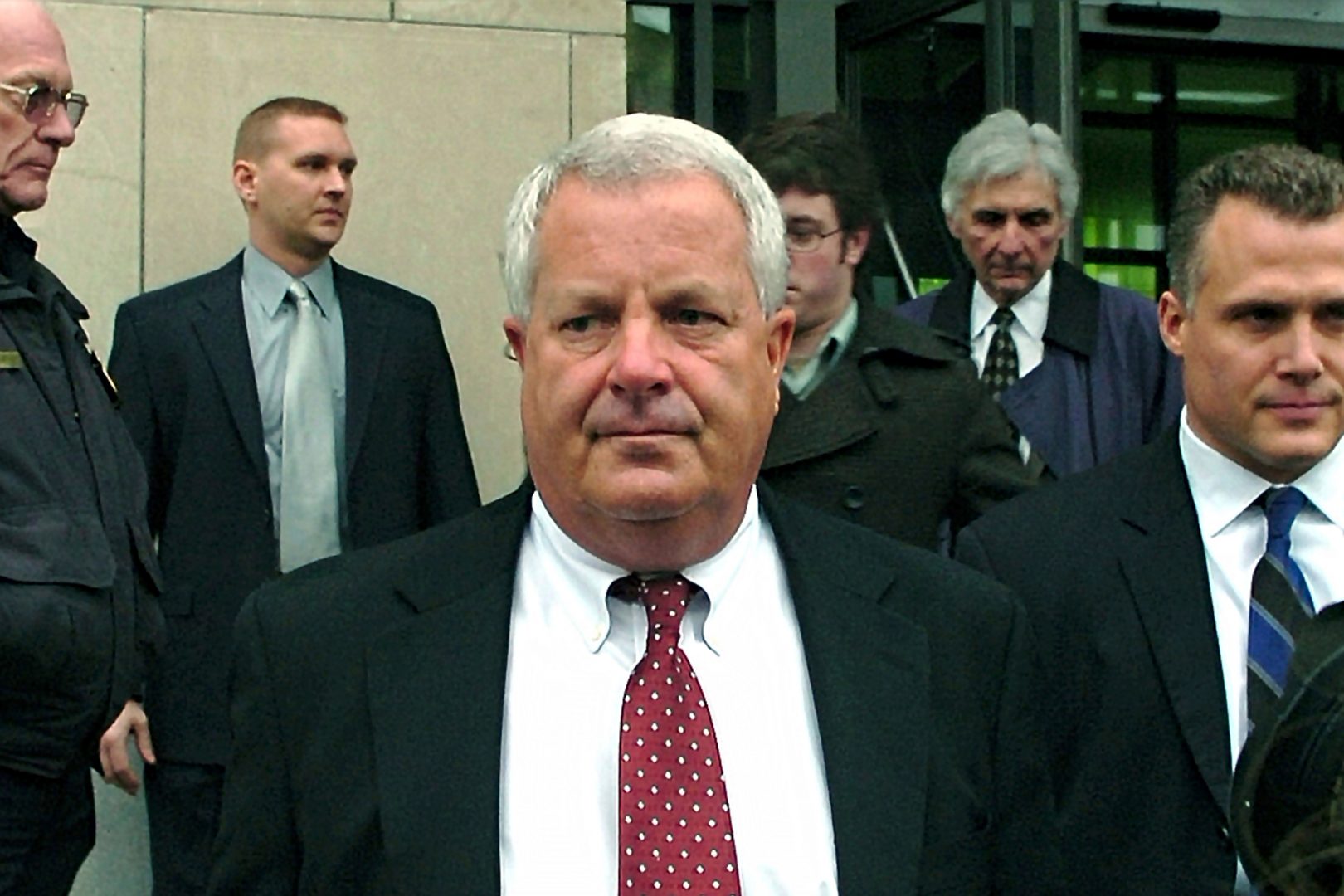




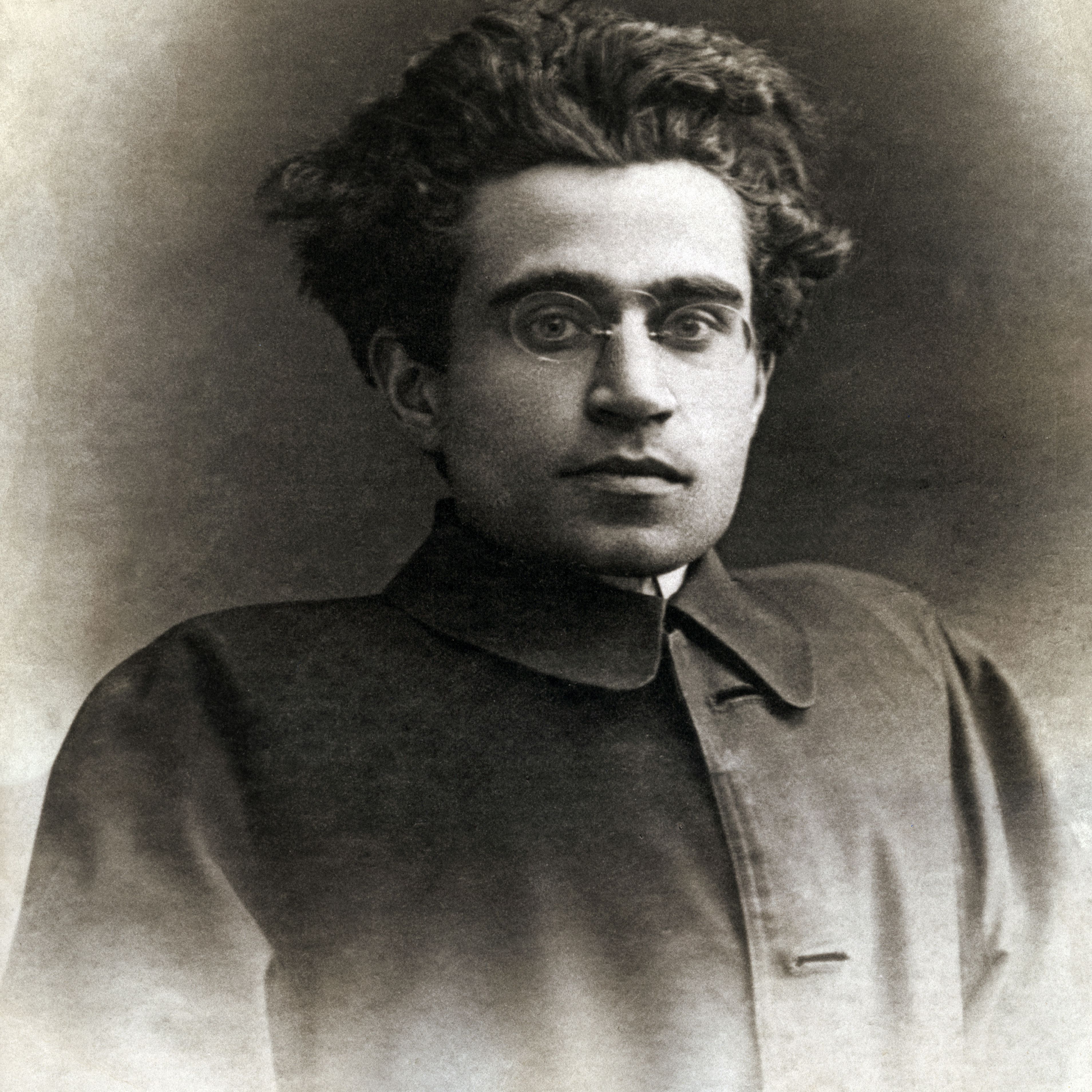




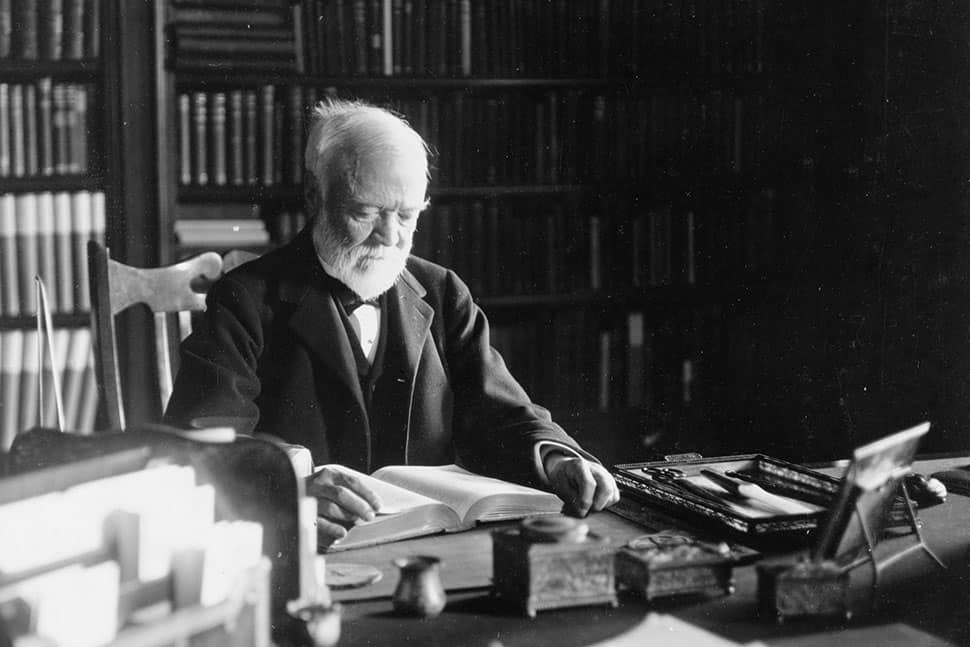



 freedom and reason