Kansas City Chiefs CEO Clark Hunt’s wife, Tavia, and eldest daughter, Gracie, are talking publicly about Harrison Butker’s commencement speech at Benedictine College. Tavia has been married to Clark for more than three decades. She’s a homemaker. Both Tavia and Gracie has good things to say about Butker.
Tavia and Gracie Hunt
“I’ve always encouraged my daughters to be highly educated and chase their dreams,” she wrote on Instagram. “I want them to know that they can do whatever they want (that honors God). But I also want them to know that I believe finding a spouse who loves and honors you as or before himself and raising a family together is one of the greatest blessings this world has to offer.”
“Affirming motherhood and praising your wife, as well as highlighting the sacrifice and dedication it takes to be a mother, is not bigoted,” she continued. “It is empowering to acknowledge that a woman’s hard work in raising children is not in vain. Countless highly educated women devote their lives to nurturing and guiding their children. Someone disagreeing with you doesn’t make them hateful; it simply means they have a different opinion.”
She then encouraged people to “celebrate families, motherhood and fatherhood.” “Our society desperately needs dedicated men and women to raise up and train the next generation in the way they should go,” she wrote. “We need more dialogue (and VALUES, IMO) in this country and less hate.”
Her daughter Gracie shared her thoughts on Fox and Friends. “I’ve had the most incredible mom who had the ability to stay home and be with us as kids growing up.” She continued: “I understand that there are many women out there who can’t make that decision. But for me and my life, I know it was really formative and in shaping me and my siblings into who we are.”
Asked if she understood what Harrison was talking about in his speech (slightly condescending), Gracie responded, “For sure, and I really respect Harrison and his Christian faith and what he’s accomplished on and off the field.”
So Harrison Butker is probably not going to lose his gig—and not just because of his talent on the field. He reflects company values.
Hillary Clinton making her “basket full of deplorables” remark
What we’re seeing in the progressive reaction to Butker’s speech is the same sentiment expressed by Hillary Clinton when she described Americans in the heartland as “a basket of deplorables.” Remember that? That was about two months out from getting beaten in the 2016 presidential election which was supposed to be her coronation.
“You know, to just be grossly generalistic, you could put half of Trump’s supporters [tens of millions of Americans] into what I call the basket of deplorables. (Laughter/applause) Right? (Laughter/applause) They’re racist, sexist, homophobic, xenophobic, Islamophobic—you name it.” She added, “Now, some of those folks—they are irredeemable, but thankfully, they are not America.”
Actually, Hillary, they are America.
Nancy Pelosi at the Oxford Union
The same sentiment was expressed just recently by former House Speaker Nancy Pelosi who called those who may see themselves as part of the populist movement just “poor souls who are looking for some answers.” “We’ve given answers to them, but they’re blocked by some of their views on guns.” Oh, so you given people the answers. Then she lifted a line from Obama: “They have the three Gs: guns, gays, God.”
Democrats are sailing towards disasters this November 5 and running down ordinary Americans is only hardening popular opinion against the party. The controversy over Butker’s speech is amplifying the elitist attitude widespread among Democrats. They can’t help themselves, though, even when it’s politically stupid to keep jerking knees.
* * *
Biden at Morehouse College
On May 19, Joe Biden gave the keynote address at the Morehouse College commencement, a historically-black all-male college in Atlanta. Biden vowed “to call out the poison of white supremacy,” and “to root out systemic racism.” That’s the bit that stood out to me. Biden elaborated: “You started college just as George Floyd was murdered and there was a reckoning on race. It’s natural to wonder if democracy you hear about actually works for you. What is democracy if black men are being killed in the street? What is democracy if a trail of broken promises still leave black—black communities behind? What is democracy if you have to be 10 times better than anyone else to get a fair shot? And most of all, what does it mean, as we’ve heard before, to be a black man who loves his country even if it doesn’t love him back in equal measure?” And Bukter’s speech was polarizing?
Here are these words again with annotations containing corrections and clarifications: “You started college just as [career criminal] George Floyd [overdosed] and there was a reckoning on race [arson, assault, intimidation, looting, murder]. It’s natural to wonder if democracy you hear about actually works for you [given that the Democratic Party represents the interests of corporate elite with open borders and all the rest of it]. What is democracy if black men are being killed in the street [by other black men in progressive-run cities]? What is democracy if a trail of broken promises [by Democrats] still leave black communities behind? What is democracy if you have to be ten times better than anyone else to get a fair shot [if we have to discriminate against whites and other races and ethnicities attempting parity]? And most of all, what does it mean, as we’ve heard before, to be a black man who loves his country even if it [the Democratic Party] doesn’t love him back in equal measure?”
I remarked recently on my Facebook feed, “Not a fan of Mitch McConnell, but mad props for keeping Merrick Garland off the Supreme Court. The man is utterly without principle.” This was before he was found in contempt of Congress by the House Oversight and Judiciary Committees (see AG Garland Found in Contempt and MTG’s Hypothesis Confirmed). Somebody responded that he was a lot better than the Republican appointees on the Court. So I added that Garland was an authoritarian, as well. I was then asked for an example. I gave several. This essay is based on my response.
Merrick Garland, US Attorney General
Merrick Garland’s authoritarianism and lack of principle are well documented. More than any attorney general in recent memory, Garland has not merely politicized the Department of Justice but weaponized it against the political opponents of the Democratic Party and the corporate state establishment. The evidence for this is extensive.
Garland has initiated legal actions to block the implementation of state laws, effectively pitting the federal government against elected state bodies aligned with their constituents’ preferences. These actions undermine the principle of federalism that lies at the heart of our republican system of governance. He has, moreover, pursued in a highly selective manner matters where the DOJ might have cause to act, a pattern indicative of political bias. For example, Garland has sued red states over redistricting yet left alone blue states to gerrymander. Eschewing strict adherence to evidence-based pursuit of justice for crimes falling beyond state jurisdiction, Garland’s pursuit of criminal prosecutions is typically framed in such a way as to capture mass media attention. He uses his position as propagandist for the administrative state and the Democratic Party.
Garland has employed federal investigatory powers in a coercive manner even when cases haven’t reached the courtroom. For those that have reached the courtroom, Garland’s actions have been disproportionate. Taking up the second first, his pursuit of January 6 protestors has been relentless even though only a handful of protestors were involved in violent confrontation with police officers. The vast majority of those present in and around the Capitol at best committed misdemeanors (trespassing and obstruction of official proceedings, for the most part, the latter elevated to felony obstruction), yet hundreds were kept in pretrial detention for months and some for years. When tried, prosecutors recommended prison terms of excessive length. Nearly 1300 individuals have been arrested and charged so, most of them convicted, and nearly 500 thrown into prison.
The DOJ’s creation of a task force used to intimidate parents challenging school boards over masks and vaccine mandates, school closures, the distribution of pornographic materials, the employment of SEL, as well as gender and race indoctrination in public schools is an example of his abuse of federal power. Garland claims those persons were targeted for violent action or making threats of violence. But most incidents involved neither violence nor threats of violence. When hauled before Congress to explain this, Garland perjured himself over the memo in question and misled Congress about why he wasn’t dismantling the task force. Even senior FBI veterans sounded the alarm over Garland’s misuse of anti-terrorism tools to intimidate concerned parents. Undeterred, Garland enlarged the program to include the intimidation of citizens with FBI’s “knock and talk” tactics.
Garland has issued policy directives that circumvent congressional legislation, positioning the Justice Department not just as an enforcer but a determiner of law. Indeed, Garland’s selective application of federal statutes is notorious. No charges were brought against individuals protesting and threatening violence against individuals outside a Supreme Court justice’s home, which is against federal law, yet Garland pursued charges again Mark Houck, a Pennsylvania anti-abortion demonstrator who peacefully protested outside an abortion clinic. Thankfully, Houck was acquitted, but he and his family had to suffer the terrifying experience of a federal SWAT raid on his house. Douglass Mackey was not so lucky. The DOJ went after Douglass Mackey for satirical voting ads on Twitter and secured a prison sentence.
In the raid of Trump’s Mar-a-Logo to retrieve documents implicating the Obama Administration in an unlawful counterintelligence operation (Crossfire Hurricane) against Hillary Clinton’s political opponent, Donald Trump, Garland allowed the leak of classified information by the DOJ (remember that Edward Bernays-style frameup?) classified information manipulated by FBI agents. This is why the documents trial has been indefinitely suspended. In the resurrected zombie case in Manhattan, Garland deployed a top prosecutor in his Washington officer, Matthew Colangelo, to handle the case because Alvin Bragg wasn’t up to prosecuting a case for which there is no underlying felony. The DOJ is playing a central role in the lawfare campaign being waged against the front runner for the President of the United States.
Having a man like this on the Supreme Court knowing that he might have an opportunity to rule on matters of the First, Second, and Fourth Amendments, etc., was so terrifying of a prospect that the Republican Party took the extraordinary step of not even allowing his nomination to proceed to a congressional vote. Thank God. Imagine had Garland not been stopped and Clinton had won the 2016 election. Given their illiberal governing philosophy, with two of three more Supreme Court justices, these authoritarians would have control over the court for a generation—a truly terrifying possibility. We dodged a huge bullet in 2016 with the election of Trump. After the 2020 steal, it only made sense that Garland would be the Attorney General of the United States. You can add to his unprincipled and authoritarian character a desire to hit back at the party that kept him off the Supreme Court.
My response is based on numerous sources. Most helpful were articles and op-eds published in the National Review over the last couple of years.
Did you miss it? Or did you see the coverage that put the “newsworthy” exchanges in the wrong order? The House Oversight Committee Congress (as did House Judiciary) found US Attorney General Merrick Garland in contempt of Congress for withholding an audio recording bearing on the question of whether Joe Biden is fit to be president and therefore should be criminally prosecuted for stealing top secret documents when he was vice-president or whether, on the other hand, he is unfit to be president and therefore incompetent to stand trial for his actions which put the nation’s security at risk. The Biden regime exerted executive privilege at the last minute because the audio of him disclosing to a ghostwriter state secrets he illegally obtained while vice-president has him on the horns of a dilemma.
We all know about the corrupt and compromised man in the White House. Today, I want to sort out for you the chaos occurring during debate and deliberation that overshadowed the vote itself. Like ozone in the atmosphere, you could feel the storm coming. Georgia Rep. Marjorie Taylor Greene (R)) was sensing that Texas Rep. Jasmine Crockett (D) and New York Rep. Alexandria Ocasio-Cortez (D) were seething. One giveaway was Crockett’s response to Greene query to the committee whether any Democrat present had employed the services of party operative Loren Merchan, the daughter of Juan Merchan, the judge overseeing the zombie case against Trump in Manhattan.
Jasmine Crockett and Marjorie Taylor Greene, members of the House of Representatives
Greene’s query, while rhetorical, was not unsolicited. Maryland Rep. Jamie Raskin (D) wanted to ensure that members of his party were not taking any actions on the Oversight Committee in order to solicit campaign contributions. This was in response to the usual clown show by Florida Rep. Jared Moskowitz (D), who insulted the chair, Kentucky Rep. James Comer (R) without objection. Greene wanted to make it transparent that at least once member of the party on the committee, New York Rep. Daniel Goldman (D), had in fact retained the services of the judge’s daughter. Greene also knew Crockett and Ocasio-Cortez are easily triggered and, when drawn into a cat fight, resort to embarrassing themselves by trash talking. Both Crockett and Ocasio-Cortez are well spoken, but when triggered channel (or revert to) the argot of the street. So Greene tested her hypothesis by casually commenting on Crockett’s false eyelashes.
Greene (recognized by the chair for five minutes): “I’d like to know if any of the Democrats on this committee are employing Judge Merchan’s daughter.”
Crockett: “Please tell me what that has to do with Merrick Garland.”
Raskin: “Is she a porn star?”
Greene: “Oh, Goldman that’s right.”
Crockett: “Do you know what you are here for?”
Greene: “I don’t think you know what you’re here for. I think your fake eyelashes are messing up what you’re reading.”
Crockett: “Ain’t nuthin—”
And the cat fight was on. Hypothesis confirmed. After Massachusetts Rep. Stephen Lynch (D) called into question Comer’s ethics. Ocasio-Cortez made a point of order to take down Greene’s words. “That is absolutely unacceptable! How dare you attack the physical appearance of another person.”
Greene: “Aww, are your feelings hurt?”
Ocasio-Cortez: “Oh girl, baby girl—”
Green: “Oh really?
Ocasio-Cortez: “Don’t even play.”
Greene: “Baby girl? I don’t think so.”
The motion to strike Greene’s words was seconded, and Greene sat triumphally while the parliamentarians got busy trying to sort it all out. Ocasio-Cortez persisted in waxing indignant, continually repeating “Not today,” while rapping her fingernails on her desk (the woke progressive version of Nikita Khrushchev’s shoe on the table). At one point, Ocasio-Cortez said to those seated around her, “She’s not used to people talking back to her. She don’t want to say sorry to nobody for nothing. She’s going to learn.” When the committee reconvened, Greene agreed to strike her words. This wasn’t enough for Ocasio-Cortez, who demanded an apology, as well. Greene refused to apologize and then challenged Ocasio-Cortez to a debate.
Greene: “Yeah, you don’t have enough intelligence.”
More chaos ensued, with Democrats moving to strike those words, too. Channeling her inner Frank Zappa, Greene responded sardonically, “Oh, they cannot take the words.”
What followed was a discussion of parliamentary rules about ad hominem attacks and a demand by Raskin to repeat Greene’s words that she agreed to strike. Raskin attempted to repeat the words himself, something about Crockett taking off her fake eyelashes, to which Comer looked at him and said, “Really? I mean….” (Translation: You have got to be kidding me. That’s what triggered all this?”) Comer then asked the clerk to report the words. They suspended while the clerk reviewed the audio to determine the words. During the pause, Greene quipped, “Release the audio.” (There was also a call to have the media leave the well of the chamber until somebody pointed out that nobody called for the removal of the Netflix crew who accompanied Hunter Biden during his brief appearance in that chamber.
Eventually Comer got around to ruling that, while indecorous, the words did not rise to the level of ad hominem. Comer asked everybody to agree to treat each other with comity, including in his list Moskowitz (he had not forgotten Moskowitz’s snide remark). Raskin appealed the ruling. There was a motion by Republicans to table the appeal. The appeal was tabled. Comer recognized Greene to speak (you will recall that it had been her turn to speak since the beginning of the chaos).
At that point, rather than moving on, Crocket raised a point of order with a sideways insult aimed at Greene. “I’m just curious, just to better understand your ruling, if someone on this committee then starts talking about somebody’s bleach-blonde, bad-built, butch body, that would not be engaging in personalities, correct?”
“A what now?” Comer replied. “I have no idea what you just said.”
Amid the crosstalk and calls for Crockett to calm down, Crockett could be heard to say, “’Cause this is what y’all do. Don’t tell me to calm down ’cause y’all talk noise and then you can’t take it. If I come and talk shit about her, y’all gonna have a problem.”
Ocasio-Cortez made a second motion to take down Greene’s words about Ocasio-Cortez’s intelligence and after debate over the rules and a brief recess, the committee finally got back to business and Rep. Green was allowed to complete her opening statement. Her speech was important. She condemned the lawfare against Trump and his associates and called on the committee to find Garland in contempt. But perhaps more important than her speech was her successful goading of the opposition into exposing its performative attempt at political discourse.
Big corporate power and progressives in government legalized private-sector unions, incorporated them (corporatism), and then crushed them with out-sourcing, off-shoring, and mass immigration. They did this while pressing a cosmopolitan worldview onto the proletariat, smearing cultural and national integrity as backwards and bigoted. Unions shifted to cover the public-sector bureaucrats, the very corporate functionaries pushing multiculturalism and transnationalism, adapting its organization to become the mouthpiece for the credential professional-managerial class. We now live in an administrative state living administered lives with unionized bureaucrats administering them.
These are the same big corporations—enabled by the same administrative state, with its regulatory apparatus and technocratic corp—that pump forever chemicals into the earth and atmosphere and mine the human population for forever patients. This is the same ruling elite who push climate apocalypticism and use mass hysteria to rationalize globalization and restrictions on efficient food and energy production. It’s the same ruling elite that demand we agree to overthrowing the most basic truths of the world, such as the gender binary and its immutability.
The Democratic Party is the party of the elite. See what you see. Academic institutions, the culture industry, the mainstream media—these unelected de facto governing bodies push the party line. They are in cahoots, and folks on that side should admit it and lean into their post-truth world. But the folx deny it, and even more than this, tell you that they are the real voice of the common man. They think you’re too dumb to see it for what it is. Maybe some of you have been asleep. I confess, I was drowsy for a spell. But we’re not dumb. And we’re waking up.
The plane of organic solidarity
Who are the true defenders or free labor and conservationism? I grew up with them. I have come home to them. They’re the rural conservative individualist who uses the earth for survival but does so in a way that preserves the environment he knows he and his wife—and their children and their children—have to conserve to pass down to the next generation of virtuous republican citizens—not an inheritance of grievances, but an inheritance of republic virtue and good stewardship of the earth. They’re the small entrepreneurs who build their business to benefit the members of their community—the organic solidarity of the people, built on the traditional family system, ensuring their loyalty to their customers and employees, thus conserving the social ecology. Today, men and women with this spirit are rising and they’re making the Republican Party their means to return America to its populist roots.
If you ask little kids what they want to be when they grow up, many of the boys will tell you that they want to be police officers and firefighters, sometimes soldiers. Who are these men they want to grow up to be? They are the men who protect the community from danger and help people in need. The corruption of the medical profession aside, helping people is what doctors and nurses do, too, so one finds children wanting to be these things, as well. Yet, by the time they finish their education, the curriculum and pedagogical technique, now fully captured by progressives administrators, staff, and teachers, dispossess many of them of their natural instincts to defend country, protect community, and help the needy—replacing those instincts with a massive state bureaucracy that is not merely remote to their local concerns and needs but antagonistic towards the people and the culture naturally inclined to address those concerns and needs. Progressives seek to dethrone family and community and put big government in their stead. To be sure, policing and the military still find men who lean into their vocation, and there are many men around with broad shoulders who make a path to self-actualization; rural and small town America still exist; but that America is under assault, and the fact pattern attests to it.
Our children are groomed and recruited to be functionaries for the antagonistic force assaulting the republican ideal. Social and emotional learning (SEL) teaches them to focus inward, to dwell on their anxieties, insecurities, and vulnerabilities, while diversity, equity, and inclusion (DEI) selects the personnel that hones and implements the strategy of cultivating faux esteem and self-loathing. SEL conditions children to think not of how through service to others they may build courage and resiliency, but rather how the world has done them dirty, their ancestors either oppressed or oppressor, manufacturing the trauma of the victim (increasingly a sought status, with people inventing and stepping into novel categories of the oppressed), while at the same time instilling the shame of the oppressor, demoralizing the majority, teaching them to hate the very communities they are naturally inclined to defend and perpetuate—teaching them to hate themselves.
This is what explains the spectacle of campus unrest—and the summer of 2020 and so on. This is the pathological expression of hateful retribution for fictional and impossible harms and deep-seated self loathing learned from socialization in the inverted totalitarian arrangements of managed democracy with an agenda of managed decline. The modern nation-state, and its inherent principles of freedom and reason, are being dismantled by a power elite who seek the establishment of a global neofeudalism rooted in corporate statism where the proletariat of the earth will serve as serfs on high-tech estate. We can see the New Dark Ages approaching. Your comrades are the men and women who are bringing the light.
“Over the years, upside-down flags have been displayed by both the right and the left as an outcry over a range of issues, including the Vietnam War, gun violence, the Supreme Court’s overturning of the constitutional right to abortion and, in particular, election results. In 2012, Tea Party followers inverted flags at their homes to signal disgust at the re-election of President Barack Obama. Four years later, some liberals advised doing the same after Mr. Trump was elected.” —Jodi Kantor, The New York Times
A photo obtained by The New York Times shows an inverted flag at the Alito residence on January 17, 2021, three days before the Biden inauguration
Supreme Court Justice Samuel A. Alito, Jr. had an upside-down US flag waving over his house following the 2020 election. The flag in this position signals distress. It has been rebranded by The New York Times as a “Stop the Steal” symbol. Alito said that it was his wife, not him, who raised the distress symbol. “I had no involvement whatsoever in the flying of the flag,” Alito said in an emailed statement to the NYTimes. “It was briefly placed by Mrs. Alito in response to a neighbor’s use of objectionable and personally insulting language on yard signs.”
Progressives are countering that even if Alito didn’t raise it, he kept it flying. “It might be his spouse or someone else living in his home, but he shouldn’t have it in his yard as his message to the world,” said Amanda Frost, a law professor at the University of Virginia (to get a sense of her politics, here’s Frost’s profile page at the university). This is “the equivalent of putting a ‘Stop the Steal’ sign in your yard,” she said, “which is a problem if you’re deciding election-related cases.”
So are progressives really saying that Alito—a man sworn to defend the Constitution—should censor his wife’s speech? Are these the same progressives who lost their minds over Harrison Butker’s graduation address at Benedictine, a private catholic college in Atchison, Kansas? This is a serious question: are feminists now good with husbands censoring the speech of their wives? Speaking as a feminist myself, I’m not good with that at all. Mrs. Alito has a right to fly any flag she wishes over her house.
* * *
Speaking of Harrison Butker, the Kansas City Chiefs kicker, I listened to his speech yesterday. I got curious because the speech was being described as demeaning towards women and the LGBTQ+ community and inappropriate for a graduation. Inappropriate at a Catholic university? A petition for Butker’s dismissal from the Chiefs has nearly reached its goal of 150,000 signatures. Here is a video of his speech if you’re interested in listening to it:
After listening to the whole thing, I am at a loss to understand what is so objectionable? I don’t agree with some of his opinions, but none are outrageous. They are consistent with his religious teachings—which he has a right to—and mild compared to the preachments of Islamic clerics. There are things he said that I do agree with. The things he said about the rile of fathers, for example (Kansas City residents should take those sentiments to heart). He impressed me; he is an accomplished public speaker and, what is more, I learned a lot about a worldview that is different from mine, namely the Latin Mass. I appreciate men rising and expressing their opinions in an honest and direct way.
It did not surprise anyone, I think, when the NFL condemned the speech. “Harrison Butker gave a speech in his personal capacity. His views are not those of the NFL as an organization,” said Senior Vice President Jonathan Beane, the league’s chief diversity and inclusion officer. (Nice, they assigned their DEI man to articulate the criticism.) “The NFL is steadfast in our commitment to inclusion, which only makes our league stronger.” Why does the NFL articulate positions on such matters? The NFL is an impersonal corporation. Shouldn’t it be an apolitical organization?
However, it did surprise many when Whoopi Goldberg came to his defense. Speaking on her show, The View, she said, “I like when people say what they need to say—he’s at a Catholic College, he’s a staunch Catholic, these are his beliefs, and he’s welcome to them. I don’t have to believe them, right? I don’t have to accept them. The ladies that were sitting in that audience do not have to accept them.” (Apparently the ladies in the audience liked them just fine, if the enthusiastic applause throughout the speech was any indication.) “I have the right to say what I say, he has the right to say what he says.” Goldberg continued. “When you say to somebody, ‘I don’t like what you said and I’m going to get your job taken away because you disagree with me,’ for me, that is an issue.” Of course, she had to twist the thing into a rant about how Trump is all about taking away the rights of everybody and we don’t want to be that way. Of course we don’t. Neither does Trump.
She ran into another issue when she compared the situation to Colin Kaepernick, the San Francisco 49er who sat during the national anthem to protest what he described as oppression against black people. Goldberg said “The same way we want respect when Colin Kaepernick takes a knee, we want to give respect to people whose ideas are different from ours.” Kaepernick was on the job when he did this. Butker was giving a speech at a private university. While I think free speech rights should be upheld everywhere, the current interpretation of the First Amendment permits private corporations to censor speech and discipline those who speech the corporation finds objectionable. But that’s beside the point, some will argue. Kaepernick was let go not because of his protests but because he was no longer a competitive player in the NFL.
“Dr. Charnock had only one observation to make on Mr. Harris’s paper. The latter made a distinction between plants and the genus homo, that in the former both sexes are sometimes found in the same plant. Now, it had never been proved that the human spermatozoon was any gender, and the gender of the ovum depended upon the time fecundation; i. e., upon chance. Dr. Charnock spoke on the authority of Pouchet, Hofaeker, Lucas, Huber, and others.” —J. McGrigor Allan,“On the Real Differences in the Minds of Men and Women,” Journal of the Anthropological Society of London (1869)
In an essay I published earlier this week (Gender and the English Language), I documented the use of the word “gender” to denote reproductive anatomy in the natural science literature over the course of several centuries. As the reader can see in the above quote, anthropologists used “gender” in the same way. Indeed, in the passage, the subject is reproductive anatomy. The same is true for sociology. The concept of “gender role” appears later on, but as a concept it was available long before its appearance; the concept of the “sex role” appears in the anthropological and sociological literature well before John Money’s alleged coining of the term “gender role.” Since I have established that gender and sex are synonyms, either construction is appropriate for denoting the societal roles organized around gender and the expectations and values that attach to those roles.
By way of example, in a 1942 issue of the American Sociological Review, “The Adjustment of the Individual to his Age and Sex Roles,” Leonard Correll, Jr. writes, “By way of further clarification it is necessary to call attention to the distinction between the use of the term role to refer to a modal system of responses which constitutes the culturally expected behavior and the particular system of responses with which a specific individual operates. Thus, when we speak of the individual’s ability to perform in his sex role, we refer to the relation which his behavior, in situations in which sex classification is relevant, bears to some modal pattern expected in a given cultural or subcultural group.” The concept of role is as basic to sociology as the concept of status.
Sociologist Talcott Parsons advanced a functionalist theory of gender roles in the 1930s
The sociologist most famously associated with the concept of “sex roles” is Talcott Parsons. In his work, particularly in the mid-twentieth century, Parsons discussed the division of labor based on gender within the family and society. Parsons introduces his concept of “sex roles” in his book The Structure of Social Action, published in 1937. Parsons argued that in traditional societies, there is a clear division of labor between men (instrumental roles) and women (expressive roles), and this division is functional to the stability of the family and the reproduction of society as a whole. His ideas were highly influential in shaping discussions around gender roles and social expectations.
The historical materialists understood this long before Parsons. Friedrich Engels, building on Lewis Henry Morgan’s work in Systems of Consanguinity and Affinity of the Human Family (1871) and Ancient Society, or Researches in the Lines of Human Progress from Savagery through Barbarism to Civilization (1877), as well as his collaboration with Karl Marx, argued in The Origin of the Family, Private Property and the State (1884), that in primitive societies, there existed a form of social organization he and Marx called “primitive communism,” what today’s anthropologists call “hunter-gatherer,” characterized by communal ownership of property, egalitarian social relations, and a natural gendered division of labor. Engels theorizes the transition from primitive communism to class-based societies, particularly focusing on the emergence of private property and the patriarchal family structure.
Friedrich Engels theorizes the history of gender roles in the nineteenth century
Engels posits that, in early human history, societies were organized around maternal kinship and inheritance, with descent traced through the mother’s line (matrilineage). He argues that the development of agriculture led to the accumulation of surplus resources and the rise of private property, which, in turn, gave rise to class divisions and the oppression of one group by another. With the development of private property, men sought to ensure the paternity of their offspring to pass down property and thus instituted patriarchal family structures. This shift, according to Engels, involved the overthrow or subjugation of matriarchal systems by patriarchal ones, leading to the rise of male dominance in family and societal affairs. Thus we see the existence of gender roles in primitive societies and the transformation of those roles over time. Gender is not a social construct but an objective matter of natural history around which humans have always organized social roles.
Engels writes in the preface to the first edition of The Origin of the Family, Private Property and the State: “According to the materialistic conception, the determining factor in history is, in the final instance, the production and reproduction of the immediate essentials of life. This, again, is of a twofold character. On the one side, the production of the means of existence, of articles of food and clothing, dwellings, and of the tools necessary for that production; on the other side, the production of human beings themselves, the propagation of the species. The social organization under which the people of a particular historical epoch and a particular country live is determined by both kinds of production: by the stage of development of labor on the one hand and of the family on the other.”
He continues: “The lower the development of labor and the more limited the amount of its products, and consequently, the more limited also the wealth of the society, the more the social order is found to be dominated by kinship groups. However, within this structure of society based on kinship groups the productivity of labor increasingly develops, and with it private property and exchange, differences of wealth, the possibility of utilizing the labor power of others, and hence the basis of class antagonisms: new social elements, which in the course of generations strive to adapt the old social order to the new conditions, until at last their incompatibility brings about a complete upheaval. In the collision of the newly-developed social classes, the old society founded on kinship groups is broken up; in its place appears a new society, with its control centered in the state, the subordinate units of which are no longer kinship associations, but local associations; a society in which the system of the family is completely dominated by the system of property, and in which there now freely develop those class antagonisms and class struggles that have hitherto formed the content of all written history.”
The Internet will tell you that Money introduced the term in 1955 as if the history of the concept begins there. In reality, Money, a psychiatrist by training, lifted the concept from anthropology and sociology, substituted for “sex” the synonym “gender,” and passed himself off as the originator of an insight that already basic to social science. Another trick played is the reification of Robert Stoller’s invention of “gender identity,” which the psychiatrist used to denote an individual’s internal and individual experience of gender. In Stoller’s formulation, “gender identity” is a subjective thing to the person who “experiences” it—a sense of being a man, a woman, both, neither, or anywhere along the spectrum said to comprise gender (in fact, gender is binary and you can be neither both nor neither)—that others are told they must treat as if it is real. That’s a trick in itself; however, between 1968 and today, the words “role” and “identity” were dropped, and the word “gender” elevated to a socially constructed and subjective category of being.
Knowing these linguistic tricks allows the rational among us to expose the agenda at work here. There is nothing complex about any of this; it only requires we use the English language accurately and precisely. When somebody tells you that sex refers to reproductive anatomy and gender refers to cultural values and societal norms, they are simply saying that there are social roles associated with gender. It has always been true that gender in our species, and in many others species, as well, has been socially organized. Another way of saying this is that there is sex (reproductive anatomy) and sex roles (the cultural values and societal norms). It is important in conversation that you make that clear for everyone participating. Don’t accept the propaganda purpose of these terms; instead, insist on the important of using scientific terms to convey reality not ideology.
As for the identity piece of this, it is enough to observe that the gender of the organism, whether it is female or male, is the identity of the organism. Identity is the fact of being who or what a person or thing is—not who or what a person says he is. In the preface to his 1859 A Contribution to the Critique of Political Economy, Karl Marx writes, “Just as one does not judge an individual by what he thinks about himself, so one cannot judge such a period of transformation by its consciousness, but, on the contrary, this consciousness must be explained from the contradictions of material life, from the conflict existing between the social forces of production and the relations of production.” I use this quote to emphasize the importance of grounding knowledge in scientific materialism and realism. We don’t judge an individual by what he thinks about himself because what he thinks of himself may be the product of delusion or indoctrination. We judge the individual on the basis of what he is—that is, his identity—in the same way we judge historical epochs in terms of themselves, not by the distorted ways in which those epochs are represented by ideology (religion, etc.).
If an individual genuinely believes that his gender is what it isn’t, then he is either delusional or indoctrinated (he is possessed of an illusion, as Sigmund Freud put it). Those who affirm his subjectivity are either themselves delusional or indoctrinated, or they are exploiting the man. If he is mentally ill, which is possible, then the treatment for his delusion is to be found in psychotherapy. But this is not the approach of gender affirming care. Delusional individuals or those possessed of an illusion are referred to the gender clinic. Without mystifying gender, feminism sought to escape the constraints of the social roles and stereotypes that attach to gender in a given cultural space and historical period. By untethering gender from gender role, trans activists and the medical industry mystify gender to suppose individuals can escape the constraints of biology, which in turn justifies the use of chemicals and surgeries to produce simulated gender identities—and compel others to act in bad faith by affirming the validity of all this.
The constructs “gender identity” and “gender dysphoria” play vital roles in this, as well. With gender identity, shorthanded to simply “gender,” the mystification is totalized; gender is now not a cultural or social thing, i.e., an observable thing conceptualized by social science rooted in natural science, but an essential thing without any empirical indicators—that is, something like a soul or thetan. Gender dysphoria, which indicates a psychiatric disorder where a man or a woman is confused about his or her identity, again, a thing that is objectively determinable, is then reduced to the distress felt by a person when their subjective experience is at odds with reality, albeit the same thing but with different treatment options, options that generates large and sustainable profits for corporate firms and their stockholders.
In my blog on gender and the English language, I cited an article by David Haig who reviewed more than thirty million academic articles from the years 1945-2001 to determine the occurrences of the words “sex” and “gender.” Haig found that, at the beginning of the period, the usages of the word “sex” were more frequent than usages of the word “gender,” but flipped with the emergence of feminism. This shift is reflected in my discipline of sociology, which is to say that the sociology of today is quite different fro the sociology of yesteryear.
Testifying to the sorry state of contemporary sociology is this op-ed by Finn Mackay in a January 2024 issue of The Guardian. Mackay is senior lecturer in sociology at the University of the West of England in Bristol. “Gender ideology is real,” she writes, “but it wasn’t invented by trans men or trans women, and it doesn’t just apply to trans or transgender people. The real gender ideology is the binary sex and gender system that requires all of us to be either male-masculine-heterosexual or female-feminine-heterosexual; and which attaches harsh penalties to those who deviate from this script. Almost all of us will have been socialised on to pink or blue paths from birth, if not by our immediate family, then by the books, TV, toys, clothes and adverts that surrounded us in wider society. This socially prescribed gender informs our gender identity.”
“Trans people didn’t create ‘gender ideology’,” she writes, “and should not be blamed for somehow making gender visible. Rather than pathologising a stigmatised minority, we need to focus instead on the gendered majority. Gender criticism should start at home.”
Make it make sense, the reader may be asking at this point. I can do that. Gender ideology does not rest on the fact of the gender binary; quite the contrary. What is strictly true is not ideological (although ideology may conceal or obscure truths nonetheless embedded in it). The gender system, by which Mackay means gender roles, at least not in enlightened Western society, carries no harsh penalties for deviation from stereotypes associated with those roles. For the most part and without consequence, girls and women wear pants and eschew makeup, and many of them cut short their hair. It is not true that almost all of us were put on paths of blue and pink (ironically the colors that comprise the trans flag). Boys have appetites for things that trans ideologues identify as blue (an arbitrary designation) because it is the nature of boys to have such appetites. The gender role is rooted in gender, which is the result of natural history. Whatever the concrete expressions of masculinity over space and time, and whatever the variable frequency of masculine and feminine traits in the overlaying distributions of the gender binary, boys and girls today are more like the boys and girls that came before them than they are different, and this will be true in the future presuming that the project to confuse children about gender fails in its totalitarian desire.
As we see, she doesn’t quite pull it off, but Mackay is performing the postmodernist trick of treating the eternal one of many possible narratives, this one prevailing because of the power arrayed against the trans identifying individual. The natural is recast as a form of social oppression, liberation from which requires consciousness raising that comes about by turning schools into indoctrination centers where children are gaslighted over gender and their gender-detection modules disrupted. Mackay writes that “in its guidance, the Department for Education states that gender identity is a contested belief, and that many people don’t consider themselves to have one at all. They define gender identity as a person’s sense of their own gender, which may or may not be linked to their biological sex. In the document’s explanation of pupils’ ‘social transition,’ this is described as using different names, pronouns, clothing or facilities from those provided for their biological sex.” This is indeed the queer project formula.
However, Mackay sabotages her own magic trick by finding in this “the bizarre claim that things like this have a biological sex in the first place. How can names, the fabric of clothes, or the porcelain of toilets possibly have a biological sex?” By her own lights, she regards these matters as gender not sex. Much of the essay is disjointed in this way. However, this immediately follows: “The fact is that all children should be ‘gender questioning’ and this is the natural state of children—it is something to be encouraged. If only adults could unlearn the lessons of gender ourselves, rather than subjecting our children to it.” Here is the agenda. This is grooming.
For Mackay, the queer project is not just another narrative, but the true view of the world, a world in which gender is learned along blue and pink paths constructed by the gender tyrants. It is not queer theory that’s ideological. The ideology is found in the practice of gender roles. The natural state of children, she supposes, is to question their gender. In this view, conservative ideas of gender roles suppress the natural proclivities of children. But for gender role socialization, children could have no predictable response that would align with gender as it is now constructed by the patriarchal heteronormative, cisgendered oppressors. This is John Money’s argument. The boy Money used to prove his case committed suicide. He is not the only won in the meantime. (See Fear and Loathing in the Village of Chamounix: Monstrosity and the Deceits of Trans Joy.)
* * *
In looking up a fact about Money, I ran across a story concerning Janet Frame, an author who attended some of Money’s classes at the University of Otago. Money was, like a lot of psychopaths, a charming man, and Frame found herself drawn to him and was eager to please him. In October 1945, following an essay in which Frame mentioned her thoughts of suicide, Money persuaded her to admit herself to the psychiatric ward at Dunedin Public Hospital, where she was misdiagnosed as a schizophrenic. She spend eight years in psychiatric institutions, undergoing electroshock and insulin shock therapy. She narrowly escaped a lobotomy. See An Angel at My Table. The man was a monster.
“Because of the size of the room and because our relatives sometimes do not know how to act, the fire department is now here to shut us down,” Dr. Gina S. Brown, dean of the College of Nursing and Allied Health Sciences, said to boos.
Booing is a symptom of the pathology. Brown is right. There’s a cultural problem here. To be sure, as Brown assumes in formulating her statement, not everybody associated with a particular cultural variation acts like this—but when, in culturally relative terms, a significant proportion of individuals do, it’s time to take an honest look at the norms and values of that culture.
The collective irrational disruption of public events (and I emphasize irrational), the internecine tribal warfare associated with gangland conditions, the smash and grab robbery tactics forcing stores to close and businesses to leave—all these result from a dysfunctional culture.
We have been told that to speak about this is racist because of differential demographic profiles across cultural varieties. It’s a double standard. White culture is said to have the criticisms directed at it coming; black culture, on the other hand, is sacrosanct. But to observe that cultures differ from one another, and that some cultures are, at least in certain of their norms and values, superior, is not a racist observation but a rational one.
To say that the culture associated with a race is inferior is not to say that the race is inferior. Race is not culture. Race is an observation of the existence of constellations of phenotypic characteristics. Culture has a historical development. Indeed, to root culture in race is the original meaning of racism.
Listen to Dom Lucre:
I have written a lot about how progressive policy affects the life chances of black Americans (see, e.g., America’s Crime Problem and Why Progressives are to Blame). Lucre is not wrong. Do you know who did this to the black community? Progressives. When I say there is no systemic racism, I mean that it is not those who are blamed for the situation of blacks who perpetuate that situation. White conservatives don’t run blue cities. Democrats do. Joblessness, fatherlessness, poverty, demoralization, nihilism, crime, despair—these are miseries the Democratic Party brings. What they’ve done to black people, they will do to the rest of the working class. The Democratic Party is the party of the managed decline of the American Republic and everything dear to Western Civilization.
Hi. I’m back to make sure you don’t get caught up in the pandemic hysteria again.
Have you heard? Globally, from January 2003 to March 2024, 888 cases of human infection with avian influenza A(H5N1) virus were reported from twenty-three countries. Of those 888 cases, 463 were fatal. That is a case fatality rate, or CFR, of 52 percent.
Influenza A subtype H5N1
Scary sounding, I know. But, first, note the time frame. Worldwide, out of billions of people, only 463 individuals died from H5N1 in a span of more than two decades. That is a very, very small number.
Second, and this is going to sound a lot like my debunking of the COVID19 hysteria, but note that the figure given is the CFR not the infection fatality rate (IFR). If H5N1 is more widespread than the World Health Organization (WHO) would like you to believe, then it is less lethal than they tell you it is.
The WHO only reports cases that include individuals with symptoms severe enough to necessitate hospitalization and laboratory testing. In fact, to appear in the WHO statistics, a person must have an acute illness and fever within a week and test positive for exposure to the H5 protein that gives the virus part of its name.
To say that reporting on a handful of individuals already at higher risk of death is misleading is an understatement. It is propaganda in the service of a political goal (look into the global pandemic treaty).
There could be—and almost certainly this is true—a significantly greater number of individuals who have contracted the virus but remain asymptomatic or experience mild symptoms insufficient to prompt medical attention, which in turn leads to an underestimation of the virus’ prevalence and an exaggerated perception of its lethality.
Suppose the number of infections is just one hundred times the number indicated by the CFR, but the same number of deaths. Based on the numbers given at the outset, that would be 88,800 infections, which is not a very large number given the vastness of the planet’s population. The IFR would be 0.000052027, or 0.0052% percent, roughly one death in almost 20,000 infections. Based on patterns already in evidence, these would overwhelmingly be people of advanced age or with comorbidities, such as cardiovascular disease, chronic respiratory diseases, diabetes, hypertension, and obesity.
“Political language—and with variations this is true of all political parties, from Conservatives to Anarchists—is designed to make lies sound truthful and murder respectable, and to give an appearance of solidity to pure wind.” —George Orwell, “Politics and the English Language” (1946)
Words have meanings—the underlying sense or significance—and usages—how they are employed in language. When people say that meanings and usages change over time, they’re making a trivial observation. The relevant and substantive questions are how fast is the language shifting and why? Normally, language evolves slowly. Here there may be some sort of natural-history-like logic at work. However, when a language changes rapidly, a project to alter the meaning system to some end—be it commercial, ideological, political—is indicated.
George Orwell (AI generated)
For centuries, the words “gender” and “sex” existed in the English-speaking word as synonyms. The concept of gender was used by scientists in studies of animals and plants to refer to reproductive biology. It wasn’t until later, much later, only recently, in fact, and not everywhere, that the project to alter mass understanding of men and women by changing the meaning and usage of “sex” and “gender” appeared. At its back, the project enjoyed the power of the academy (eventually even 4k-12), culture industry, mass media, and the medical-industrial complex. Dictionaries dutifully revised definitions. Everything changed in a unified way. That sort of thing doesn’t happen by accident.
Yesterday, I recounted on Freedom and Reason an X (Twitter) exchange with users, unwittingly perhaps, committed to obscuring the meanings of sex and gender (see “The phantoms of their brains have got out of their hands”). I was told, as if I didn’t know, that not all of the world’s languages past and present are gendered. That fact does not erase gender, of course. “How could propagation of the species in those cultures occur if there were no gender?” I asked. After all, plants have gender, I noted (I’m fond of noting this, as regular readers know), and plants have no culture or language. The flower contains a stamen (male organ) or pistil (female organ). It’s rather straightforward.
When I say that “sex” and “gender” are synonyms, I mean they are interchangeable. However, the term sex is used in a few different but related ways. Sex, like gender, may refer to the female and male of a species of plant or animal. Sex is also an action, i.e., how organisms reproduce. When an X user said he had never heard of anybody wanting “to have gender” with another person, I mocked him, but he was onto something. Apart from its use as a grammatical subclass (not entirely, of course), gender refers to reproductive anatomy, but can also be a verb in the sentence: “He gendered her correctly.” As I noted in yesterday’s blog, sex can also be a verb, as in “The farmer sexed his chickens,” i.e., he determined (not assigned) their gender. Like plants, chickens have genders. The male chicken we call a “rooster.” Although he could never list them on his social media profiles, the rooster has “he/him” pronouns. The female chicken is a “hen.” She has “she/her” pronouns. The hen is the one who lay the eggs.
It is a relatively easy matter to show that gender is a term in natural history, used by scientists to describe the reproductive anatomy of plants and animals. However, none of those who push the queer propaganda line will make any effort to enlighten themselves about it. They may run across the evidence supporting my argument, but they would never produce it themselves, opting instead to repeat the assertion that “while sex refers to this, gender refers to that,” or treating gender as if it were a category appropriated from grammar and that’s just fine as long as it furthers the political-ideological agenda of decoupling of sex from gender. Appropriating the category to use as a synonym for sex is entirely inappropriate for precisely the same reason.
In her article “Gender in Plants,” published in 1998 in Resonance, ecologist Renee Borges writes, “Recent studies have shown … that many hermaphrodite plants do not contribute genes equally through male and female function to the next generation. Individual plants range from being relatively more or less male to relatively more or less female. This finding coupled with the modular and indeterminate nature of plant growth and reproduction led to the important perspective that sex expression in plants is a quantitative phenomenon, i.e. it depends on the relative proportion of reproductive units of both sexes within an individual plant.” Did I note the name of the article? Yes, “Gender in Plants.”
“From this point of view,” Borges continues (the bold lettering appears in her text), “the term plant sex denotes the various mating systems of plants such as monoecy or androdioecy [i.e., sex as action] while the term plant gender refers to the relative representation of male and female function in the entire plant [i.e., reproductive anatomy and gamete size]. The phenotypic gender of a plant then signifies the relative proportions of male and female reproductive units in terms of flowers, pollen or ovules at any given time on the plant (see Box 1). The functional gender of a plant is its relative contribution to the next generation via the male and female functions in terms of how many offspring it has sired or how many seeds it has matured.” This lines up well with the history of these two terms, with “sex” denoting action or activity and “gender” noting kind or type.
I am including Box 1 from Borges’ article so readers can see the mathematical precision with which gender can be determined. Note that the equations are adapted from a text published in 1984 by Lloyd and Bawa. This would be David Graham Lloyd, a fellow of the Royal Society in London who made landmark contributions to the field of plant reproduction, especially his work studying plant gender. Gender is a precision term used in natural science—a fact trans activists refuse to accept or admit.
Source: Borges, “Gender in Plants”
As readers can see for themselves, gender is not a social construction in the sense that it is culturally or historically variable or exists as an internal subjective sense of one’s gender that may be at odds with one’s gender. Gender is an objective matter, a term denoting the reproductive anatomy and gamete size of plants and animals. This is universally true, and this truth is not changed by postmodernist deconstructionist jargon or the commercial language of so-called gender medicine.
In 2018 article in Plant Biology, Pannell and Arroyo write (and here I will bold the letters for readers), “The extent to which individuals in a hermaphroditic population deviate from the expected gender of 0.5 can be appreciated in terms of their ‘phenotypic’ quantitative gender, or in terms of their ‘functional’ gender (Lloyd 1980). A plant’s phenotypic gender describes its allocation of resources to one sexual function relative to the other, while its functional gender reflects not so much its investment strategy, but its actual success as a male versus female parent.”
“Thus,” they continue, “plants that transmit more of their genes to progeny via their pollen than their ovules will have a male‐biased functional gender (i.e., a gender < 0.5). This bias may reflect a male‐biased phenotypic gender or sex allocation, but it may also simply be the outcome of who mates with whom, i.e., because the individual happens to be a better than average sire. Similarly, a hermaphrodite may be functionally more female than male not through an adapted sex allocation strategy but simply because its seed production is less strongly pollen‐limited. Hermaphrodite individuals that vary in their floral morphology, such as those in distylous populations, may also vary in this way in their phenotypic and/or functional gender.” Note that the authors remind the reader that when they’re talking about gender they’re using it synonymously with sex in the case of phenotypic gender.
Before readers remark upon the gender fluidity of plants, a phenomenon anomalous in mammals, they should first admit that they cannot talk about hermaphroditic individuals without first acknowledging the gender binary. An individual cannot be both genders without two genders existing a priori. Moreover, before objecting to my well-known counter that the clown fish, which can change genders, is not relevant to the question of whether humans can, my point here is that gender is a scientific term native to natural history. I would no more argue that sapiens are plants than I would that they are clownfish, even though all three categories are gendered organisms.
In 2007, Thomas Meagher, in the pages of the Annals of Botany writes (here, too, I will bold some text), “Evolutionary models of gender evolution have, of necessity, posited genetic effects that are relatively simple in their impacts. Emerging insights from developmental genetics have demonstrated that the underlying reality is a more complex matrix of interacting factors. The study of gender variation in plants is poised for significant advance through the integration of these two perspectives. Bringing genomic tools to bear on population-level processes, we may finally develop a comprehensive perspective on the evolution of floral gender.”
Meagher recognizes that the use of gender in this way is an old one. “The general theme of the present review is evolutionary transitions among different gender states. One reason that the evolution of gender polymorphism has attracted so much attention is that the diversity of gender states found in flowering plants represents many independent evolutionary events. Moreover, gender variation in plants has a long history of scientific investigation.Darwin (1877) was among the first to focus attention on gender variation and its evolution in plants.”
But it’s even older than Darwin. The word “gender” entered the English language from Old French in the late fourteenth century. Originally, it was used to refer to “kind,” “sort,” or “type,” and was derived from the Latin word “genus,” meaning the same. Our species sapiens is the only extant species of the genus Homo. Our species, like all animal species, in turn contains two genotypes, female and male, which almost always present as corresponding phenotypes (derived from the Greek phaino, which means “appearance”). You may have noticed that the word genotype bears some resemblance to “gender” and “genus”—and “gene,” as well Indeed, genos is Greek for offspring or race, which indicates “kind,” “sort,” or “type.”
Thus when asking, “What gender is this animal?”, you are asking what kind, sort, or type of animal this is. Is it a dog or a cat? It’s can’t be both. (You don’t have to be a biologist to know that.) If there is a language that lumps house pets such that there is no separate word for different kinds, it doesn’t mean they are the same kind of animal. It just means that the language is constrained in such a way as to make it more difficult to differentiate between two things that look alike in some ways, or have a similar relationship to human, but aren’t alike in other ways. We expect that the answer given to this question in a culture with a language permitting accuracy and precision would be appropriate to the species or breed in question. “This is a dog.” “What kind of dog?” “A sheep dog.” “Is it a boy or a girl?” “How would I know? It can’t tell me.” “Does it have a dick?”
As I have noted in past essays, the use of “gender” in botanical contexts can be traced back to at least the seventeenth century, and possibly even earlier. As used in plant biology today, yesterday’s botanists used it in the same way: to differentiate between male and female reproductive organs or structures in plants. Its synonym “sex” entered the English language from Old French in the fourteenth century, as well. It’s derived from the Latin word sexus, which refers to the state of being either female or male. So we are back to kinds, sorts, and types. Thus, in its earliest usage in English, “sex,” like “gender,” denoted biological differences between female and male types of animals, particularly in terms of reproductive anatomy and functions. This usage remains prevalent today, particularly in scientific and medical discourse.
Let’s return to the common objection made by those ignorant of biology and history that gender is a noun subclass. I have had individuals insist that gender as currently used by queer theorists and the medical industry was derived from there and never referred to reproductive autonomy. They never bothered to ask themselves the obvious question, What does gender as a noun subclass do in language? It is really entirely arbitrary? Why do the words “feminine” and “masculine” appear when discussing gender as a grammatical category? Do they look like they might be related to these words: “female” and “male”? Indeed. The Latin femina means “woman” The Latin masculus means “male.”
But, to make sure, let’s consult a blog called Gender World, subtitled Musings of a woman who happens to be transgender, which I take to mean that a man wrote the entry (although elsewhere the individual claims to be “gender non-conforming,” a construct that once again requires the a priori existence of the gender binary, but could go either way gender-wise). In the entry “What is Gender?” (written in 2018 or early 2019) the blogger does the typical amateur move of uncritically turning to Merriam-Webster, reporting that gender as “a subclass within a grammatical class (such as noun, pronoun, adjective, or verb) of a language that is partly arbitrary but also partly based on distinguishable characteristics (such as shape, social rank, manner of existence, or sex) and that determines agreement with and selection of other words or grammatical forms.”
Did you catch the word “sex” in there? The blogger also shares definition 2a, the synonym “sex” defined as “the feminine gender,” b clarifying gender in this usage as denoting “the behavioral, cultural, or psychological traits typically associated with one sex” (clarifying later on that “trait” is defined as an inherited characteristic). With what sex would “the feminine gender” be associated? That’s a question that’s only difficult for those who cannot define what a woman is. There is a part c to the 2 definition, one I am not sure would have been included then, namely the term “gender identity,” inserted without definition (because it’s not an actual thing). That the blogger didn’t share this part despite its political centrality in gender ideology strongly suggest that Merriam-Webster added the term after the blog was posted.
The blogger goes on cite an article by David Haig who, in a study published by Archives of Sexual Behavior in 2004, reviewed academic articles (over 30 million!) from the years 1945-2001 to determine the occurrences of the words “sex” and “gender.” Haig found that at the beginning of the period, the usages of the word “sex” were more frequent than usages of the word “gender.” This is because in the ebb and flow of synonyms, sex had become preferred. By the end of the period, however, uses of “gender” outnumbered uses of “sex,” especially in—wait for it—the arts, humanities, and social sciences.
Haig traces the shift to the introduction of the concept of “gender role” in 1955 by the notorious John Money. But it was not until feminists took up the term to distinguish the cultural and social aspects of differences between men and women from biological differences, he insists, that “gender” returned to prominence. Interestingly, he found that, “[s]ince then, the use of gender has tended to expand to encompass the biological, and a sex/gender distinction is now only fitfully observed.” As we all know, that would change with the ubiquitousness of queer theory and the appearance of gender affirming care.
In this first chart, tracking data drawn from the Science Citation Index (SCI), Haig found that, from the late 1970s, gender began a steady increase in frequency of use, partly at the expense of sex. He notes that this increase in frequency of the use prompted the FDA to adjust their guidelines in 1993 to require studies of “gender differences” in all new drug applications. Obviously, then, gender differences here would refer to genotypic and phenotypic differences between females and males; in the scientific literature, gender was understood as a synonym for sex and guidelines adjusted to include the word as used in this sense because of its growing popularity. This is an important fact to grasp, as the appearance of gender in the medical literature, when not a marketing term for gender affirming care, is often wrenched from context or assumed to mean “gender identity” all along (more on this concept in a moment).
Proportion of titles in the Science Citation Index containing the word “sex” and proportion containing the word “gender” (source: Haig)
The next two charts track data Haig gathered from the Social Science Citation Index (SSCI) and the Arts and Humanities Citation Index (AHCI). As you might expect, preference for the term gender rose rapidly, and it is in these disciplines that gender takes on its propagandistic meaning. This corresponds to the emergence of feminist, postmodernism, and queer politics that sought to differentiate the gender (or sex) roles that have existed in the gender binary since time immemorial (not just in human animals, but in animals across the kingdom), by reducing the roles to cultural and historical variability (which anthropologists an sociologists had never done), disconnecting them from reproductive anatomy and gamete size, and claiming that gender is purely a social construct and therefore arbitrary or mystified. It was from here that the medical-industrial complex, through the mechanisms of psychiatry and sexology, powerfully enabled by Robert Stoller’s invention of “gender identity,” picked up the ball and ran with it, substituting for scientific materialism and safeguarding vulnerable populations the pecuniary interests of the corporate state. (See Fear and Loathing in the Village of Chamounix: Monstrosity and the Deceits of Trans Joy.)
Proportion of titles in the Social Science Citation Index containing the word “sex” and proportion containing the word “gender” (source: Haig)Proportion of titles in the Arts and Humanities Citation Index containing the word “sex” and proportion containing the word “gender” (source: Haig)
On the basis of this article, Gender World concludes that, “prior to 1955, the word ‘gender’ referred to grammatical categories used in some languages to form an agreement between a noun and other aspects of language, like adjectives, articles, pronouns, etc.” But this conclusion is plainly wrong (so is Haig’s assumption, dictated by his periodization) and, moreover, misses what Haig’s content analyses reveals.
First, as I have shown in this and other essays, the conclusion is false; gender was being used to refer to reproductive anatomy and gamete size centuries before Merriam-Webster revised the definition of gender. Even hints of this fact escape the blogger. “Old English made use of grammatical gender, but mostly stopped with Middle English,” he writes. “We still have a few references to gender in Modern English, such as pronouns (he and she), and nouns associated with some animals (man/woman, stallion/mare, ram/ewe, etc).” Why would there be distinctions among animals as “man/women,” “stallion/mare,” “ram/ewe,” etc.? I already showed why in an essay dedicated to this topic, Sex and Gender are Interchangeable Terms, where I explain that the names for males of different species vary (man, stallion, ram, dog, tom, hog, etc.). I also note that the pronoun for males are the same regardless of the species. They are “he/him.” If you refer to a hog as a “she,” the farmer will correct you.
Second, Haig’s content analyses reveal a project across the arts and sciences to sharply increase the frequency of the word “gender” to represent both a political-ideological and medical science term, initially expanding the word to include the social and cultural aspects identified by anthropologists and sociologists decades earlier in the concept of the “gender role” (still useful and valid concepts), while gaslighting the public by claiming that “gender” was originally a system of grammatical classifications ironically used to refer to the gender (today, strictly the sex) of animals and things (as kinds and types). In other words, only very recently was “gender” repurposed by queer theorists and medical corporations to manufacture an ideological construct and commercial term for political and marketing purposes. But I am repeating myself.
This is not the only time a project has materialized to rapidly alter mass perception by manufacturing words and meanings. In a detailed content analysis of major media sources published in Tablet in 2020, “How the Media Led the Great Racial Awakening,” Zach Goldberg tells us that, “[y]ears before Trump’s election the media dramatically increased coverage of racism and embraced new theories of racial consciousness that set the stage for the latest unrest.” Not just unrest. As I have shown, like queer theory, the jargon of critical race theory colonized the medical science space (see, e.g., my October 2020 essay The Problem of Critical Race Theory in Epidemiology: An Illustration.)
You can find Goldberg’s article here, and I strongly encourage you to read the whole thing, but I want to pull a few charts from the piece to make the point immediate for you. In the first two charts, the reader will see the drastic increase of reference to “racists” and “racism” occurring around 2010 and a corresponding rise in the percentage of the population who reported that racism in the United States is a problem—this after a long decline. If you ever needed to see the evidence of how the corporate media constructs and drives mass perception of social problems, Goldberg delivers it in spade (but then so did Haig).
Source: Zach Goldberg, Tablet, 2020
Indicated by the next several charts, the use of terms like “racists” and “racism” were buttressed by a slew of novel or academic terms developed by progressive social scientists and historians and pushed out by the corporate media and culture industry: “systemic racism,” “structural racism,” and “institutional racism”; “racial privilege” and “white privilege”; “racial hierarchies,” “whiteness,” and “white supremacy”; “racial disparities,” “racial inequalities,” and “racial inequities.” In this way, the alleged effects of “whiteness,” “systemic racism,” etc., were identified as causing racial disparities and inequities without any demonstration of the validity of the alleged independent variables or their explanatory power. No matter, the terms comprised the assumption in force. Reinforced by race hustlers like Ibram X Kendi and Robin DiAngelo, and through constant repetition, the abstract facts of racial disparity became their own cause, especially since even suggesting they were explicable by reference to causes outside of the antiracist narrative risked being labeled a racist.
Source: Zach Goldberg, Tablet, 2020
“But if thought corrupts language, language can also corrupt thought. A bad usage can spread by tradition and imitation even among people who should and do know better. ” —George Orwell, “Politics and the English Language” (1946)
I write in my essay Manipulating Reality by Manipulating Words: “By reducing definitions to power projection, to the manipulation of reality, proponents of [the postmodernist] view … mean to delegitimize the primary purpose of words, which is to describe and convey reality with accuracy, integrity, and precision (language’s evolutionary function), and repurpose words for exclusive use as tools for fabricating reality. When words cease to be regarded as a reliable means of describing and conveying truth, those who control the means of idea production can more readily rationalize their aims and desires by blurring the distinction between fiction and non-fiction.”
I continue, “Any of you who have more recently attended college and taken any humanities and social sciences courses, which is often required by the regime of ‘general education,’ will have learned that what is and its nature (the ontological) is determined by how we think about such things (the epistemological). It is very likely that you will have been told that the former is the result of the latter and, further, that we must not allow the masses to get their hairy little paws on the machinery of meaning production.” This is hegemonic across worlds of academic and corporate science: life in the woke progressive bubble is technocratic reflex. Ideology has replaced truth.
In the German Ideology, Karl Marx and Frederich Engels describe perfectly queer theory and the postmodernist attitude:
“Hitherto men have constantly made up for themselves false conceptions about themselves, about what they are and what they ought to be. … The phantoms of their brains have got out of their hands. They, the creators, have bowed down before their creations. Let us liberate them from the chimeras, the ideas, dogmas, imaginary beings under the yoke of which they are pining away.
“Once upon a time a valiant fellow had the idea that men were drowned in water only because they were possessed with the idea of gravity. If they were to knock this notion out of their heads, say by stating it to be a superstition, a religious concept, they would be sublimely proof against any danger from water. His whole life long he fought against the illusion of gravity, of whose harmful results all statistics brought him new and manifold evidence. This valiant fellow was the type of the new revolutionary philosophers in Germany.”
Karl Marx and Friedrich Engel
This type of revolutionary philosopher has not disappeared from the West. Indeed, his presence is today ubiquitous—at least in the academy where I spend too much time. This type of revolutionary—and his devotees—believe that reality is reducible to words and that by denying the words or changing their meanings, he can deny and change reality.
But truth has its own integrity. The man and his followers are fools.
I was reminded today on X that there are languages that are not gendered. Of course, this is true. But that fact does not erase gender. How could propagation of the species in those cultures occur if there were no gender? Even plants have gender, I explained, and plants have no language. The flower contains a stamen (male organ) or pistil (female organ). It is as if people have literally never before heard about the birds and the bees.
One X user said he never heard anybody say they wanted to have gender with another person, as if the dual meaning of sex as description and action negates the fact that gender and sex are synonyms. If fact, if sex were only used to describe an action, then gender should become the exclusive term referring to gamete size.
Sex as action is, of course, shorthand for sexual intercourse. Since sex organs are what is engaged in this type of intercourse, it makes sense. Also, sex can be a verb, as in the farmer will sex his chickens, i.e., determine their genders. Yes, chickens have genders. The male chicken is a rooster. The female chicken is a hen. Hens lay eggs.

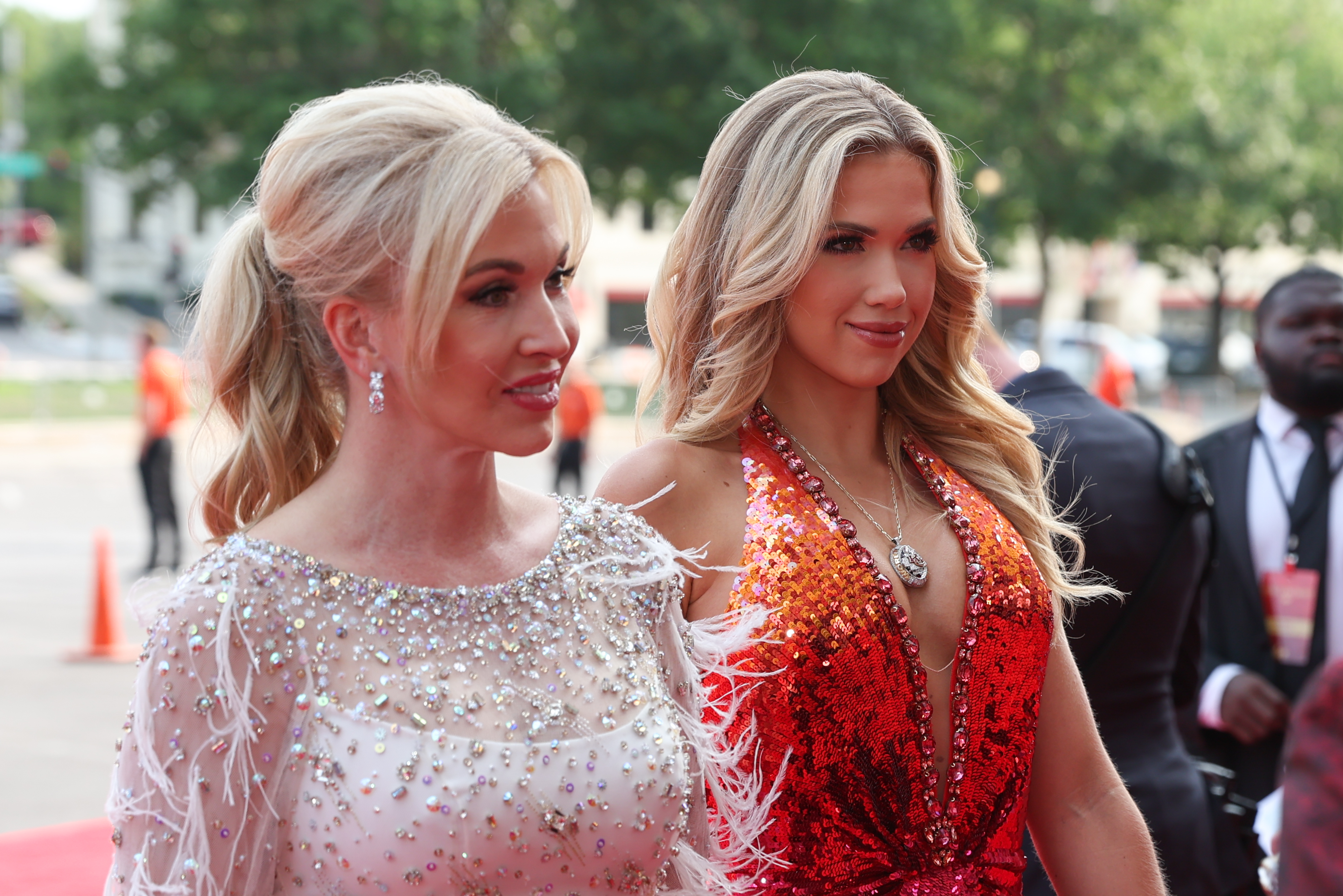


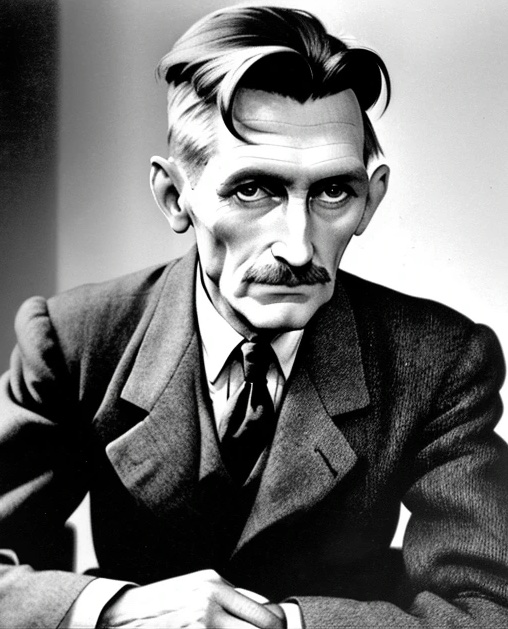

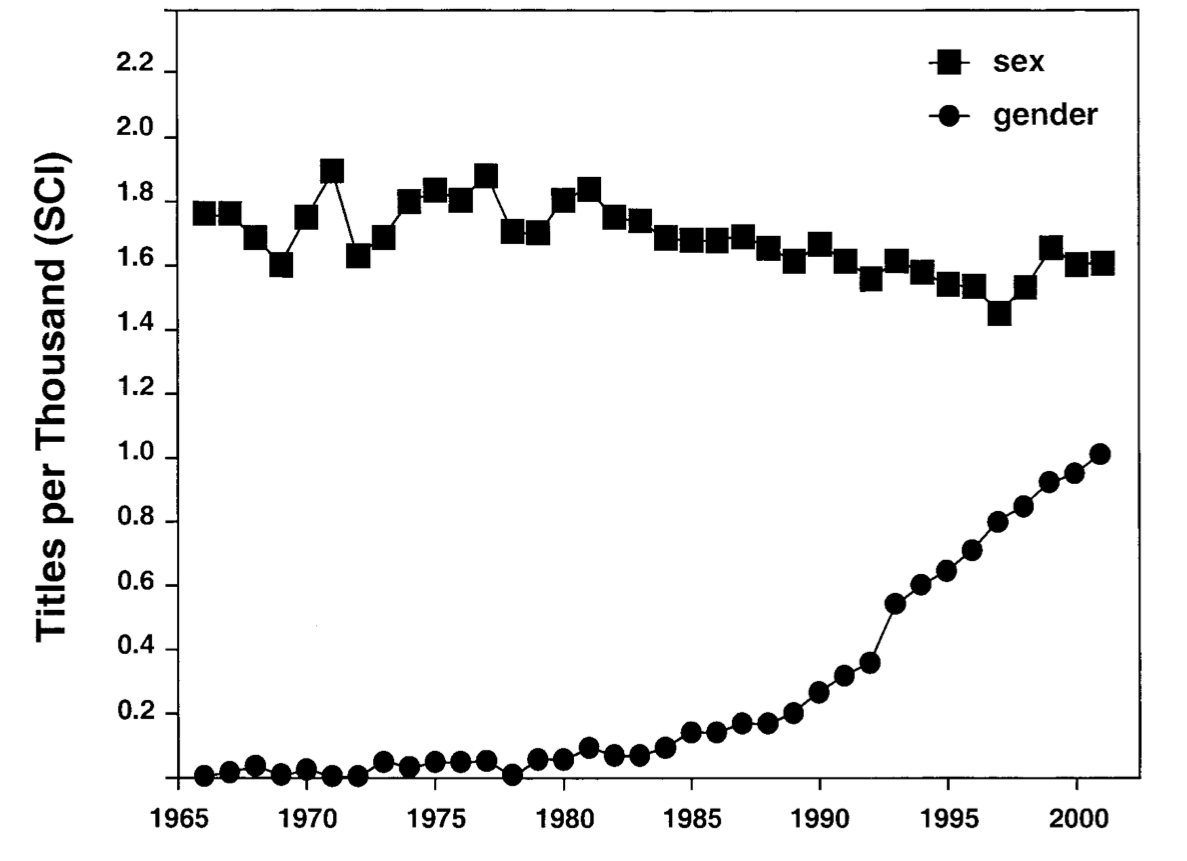

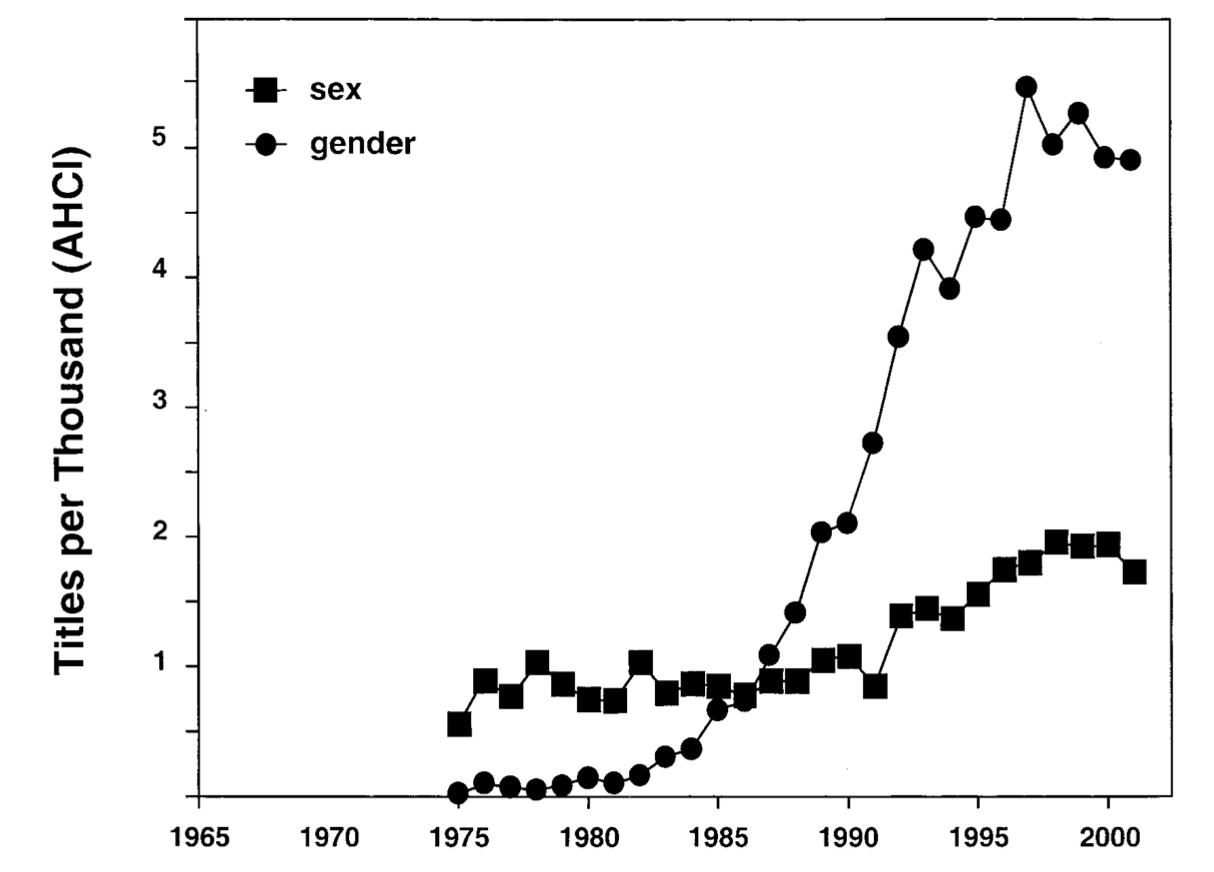
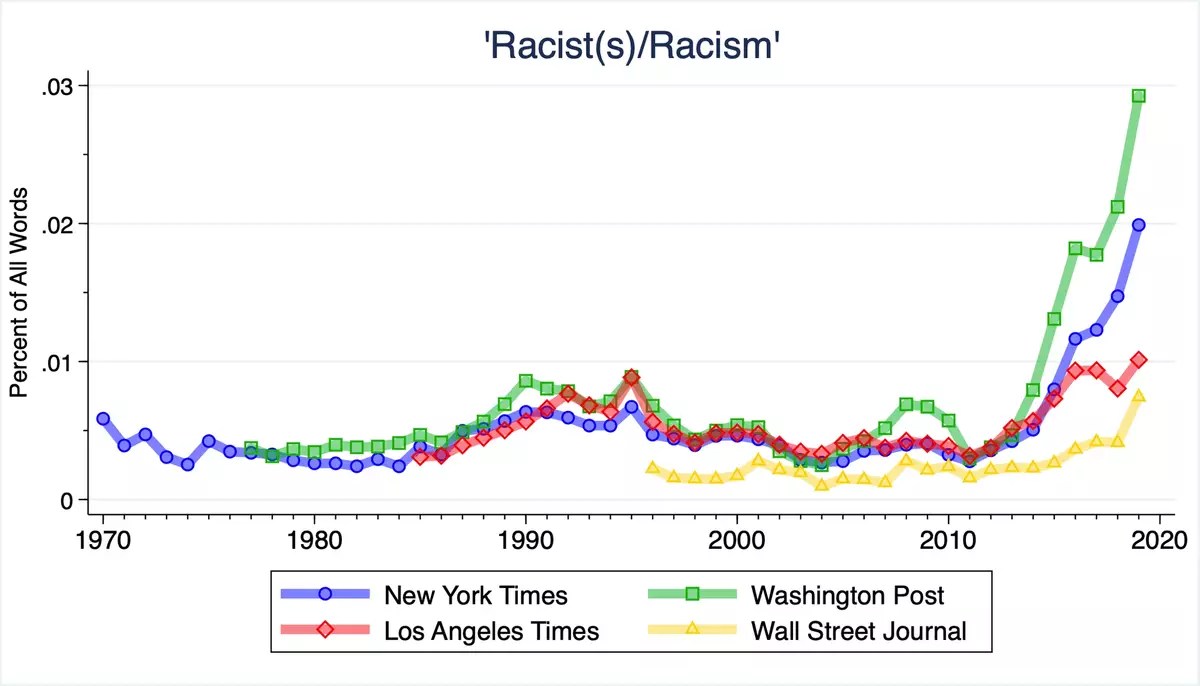

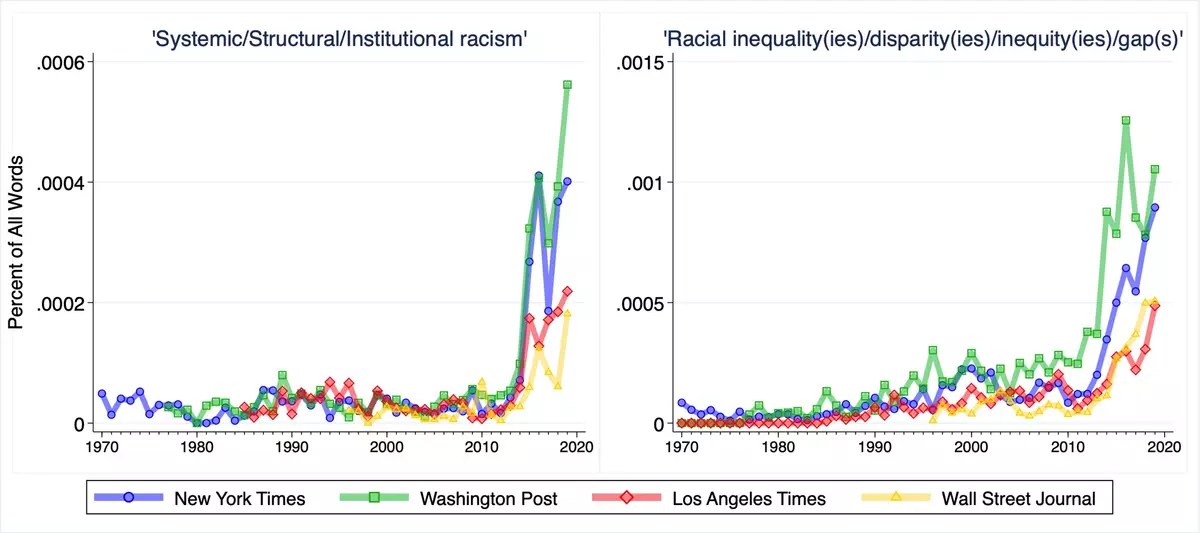


 freedom and reason