
Conservative activists and podcaster Charlie Kirk has been on the Internet today misrepresenting Georg Hegel’s views on the state. Yes, Hegel said, “The state is the march of God on earth.” However, Hegel did not mean by this that the state is a divine entity or that it should be worshipped as God. (Hegel’s views on religion are complicated, so I will leave them to one side for now.) Instead, Hegel is saying that the state is a historical manifestation of the rational will, a collective entity, which he believes plays a vital role in the development of human freedom and self-realization.
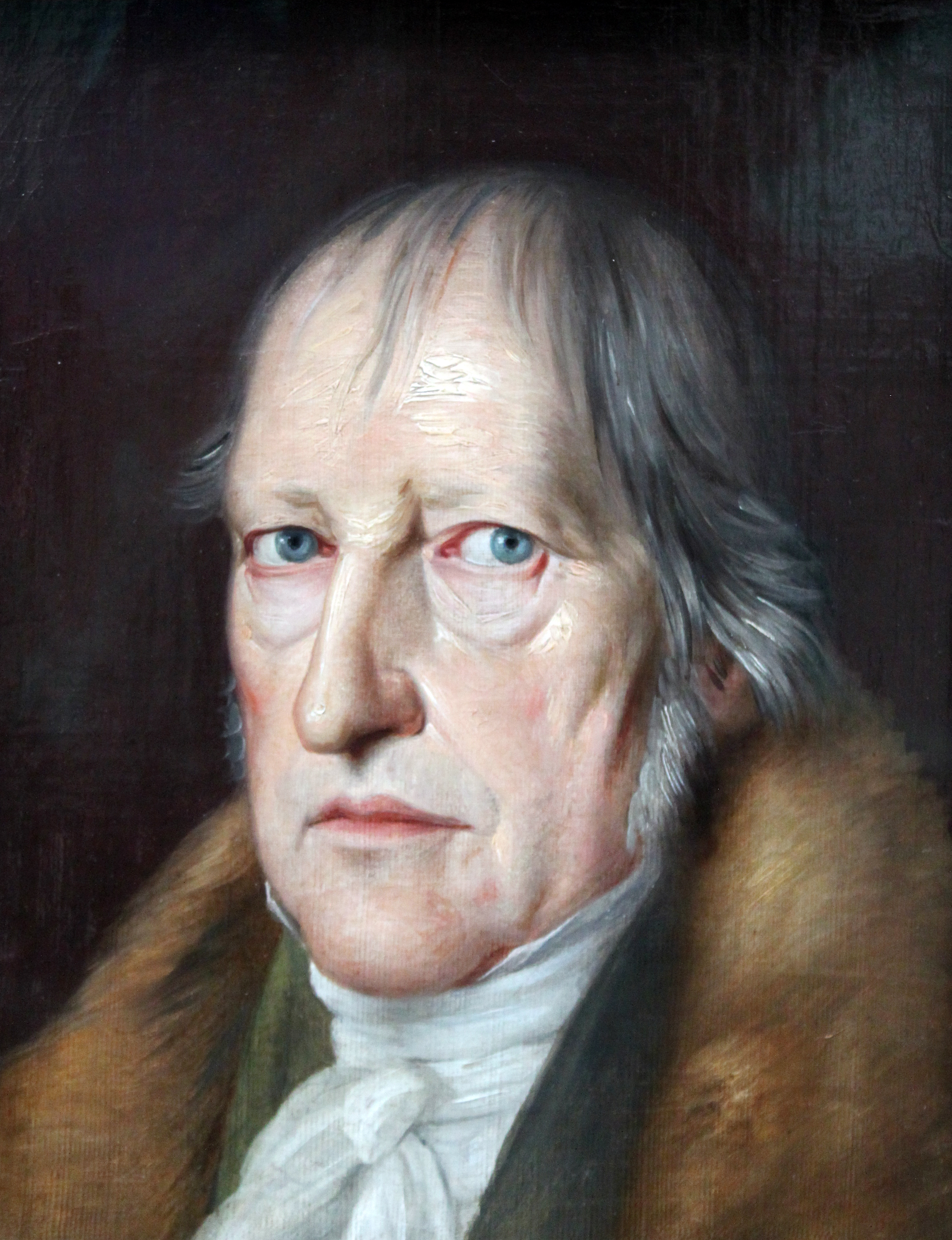
What Kirk and his fellow right-wingers don’t understand is that, in Hegel’s philosophy, the state represents the highest form of social organization, in which individual freedom and collective unity are reconciled via the dialectical process establishing a democratic process of working out oppositional desires. It’s through the state that individuals realize their full human potential by participating in a just and rational political system. Indeed, the state has a duty to protect the liberties and rights of citizens and to promote their well-being. This is the purpose of the modern nation-state.
So, while Hegel does attribute a significant role to the state in his philosophical system, and considers it a crucial aspect of human development, he does not equate the state with God or the closet thing to God on earth. Instead, he views it as a historical and rational institution that—if just and virtuous—contributes to human progress and the realization of individual and collective freedom. It is odd in light of Kirk’s rhetoric to make this accusation since his own side believes that the United States history is profoundly providential. Hegel’s argument is no different.
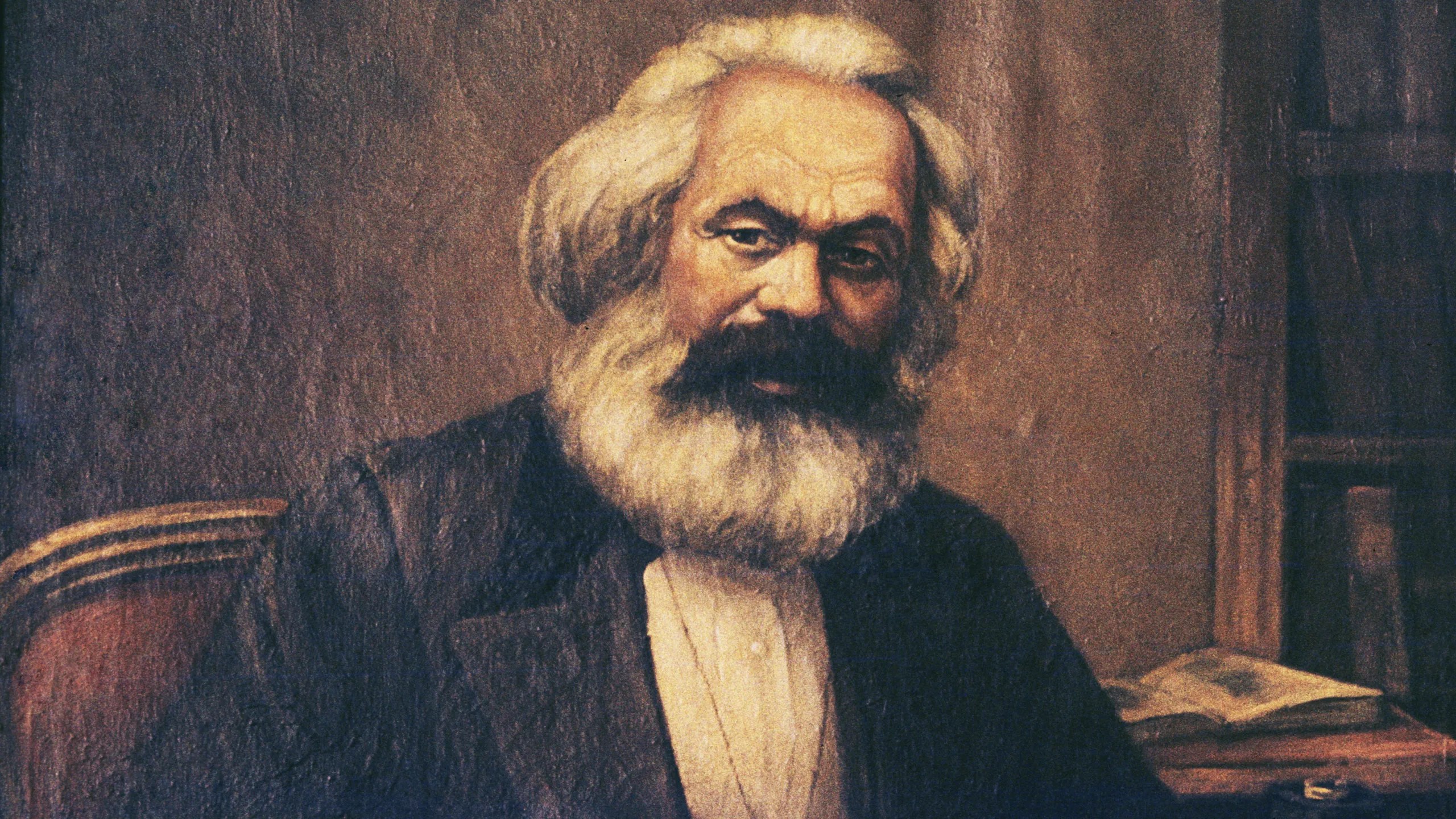
Right-wingers also misrepresent Karl Marx’s arguments concerning morality and the state. Marx is not seeking to clear out morality from politics. He does not argue that morality is a social construct in the way postmodernists do. He is rather asking us to consider the character of morality in politics. Is the prevailing morality that of the species-being or good for it—that morality of which we are alienated because of the oppressive and exploitative structures of modern society? Or is the prevailing morality that of the bourgeoisie—a morality used to justify those oppressive and exploitative structures.
Marx posits that economic structures and material conditions are the primary drivers of historical and social change and that these underpin the political-legal superstructure, a superstructure from which emerge ideology and consciousness. In this view, the prevailing morality is a reflection of the prevailing economic and social relations—that is, of those who control society. Marx argues that those who control the means of material production also control the means of ideological production. Thus, Marxists argue that moral values and norms are shaped by the interests and needs of the ruling class, and they evolve to maintain the status quo.
This conclusion (which seems to be be the correct one) doesn’t mean that Marx’s didn’t have moral commitments. Marx advances an elaborate critique of alienation, where individuals under capitalism are estranged from the products of their labor, from the production process, and even from their own humanity. This is a moral criticism of capitalism, an indictment of a system that devalues human labor and damages the human psyche. Marx’s moral concerns are therefore tied to his critique of class exploitation. He believes that capitalism inherently leads to the exploitation of the proletariat by the bourgeoisie. From a moral standpoint, exploitation is condemned as unjust and unethical.
Marx is critical of the private ownership of the means of production and advocated for collective ownership and control. He argues that private property is a source of inequality and that the moral principle of “from each according to their ability, to each according to their need” should guide society. This principle sounds astonishingly similar to Acts 2:44-45 of the Christian testament: “All the believers were together and had everything in common. They sold property and possessions to give to anyone who had need.” Likewise, the ultimate goal of Marx’s political and economic vision was the establishment of a classless, communist society. He desired that the state and class divisions wither away. Individuals would then be guided by the principle of common ownership and cooperation.
From a moral standpoint, communism was a more just and equitable system. This was central ambition of Marx’s politics. The claim that Marx thought morality was mere epiphenomenon could not be further from the truth of the arguments the great man made.

 freedom and reason