
I’m straight. My sexual orientation is part of who I am. It’s not political. Even if I thought it was—and some people do—and I raised a Straight Pride flag at my house, I would still oppose the government painting Straight Pride colors on a public crosswalk. (I recognize that a version of the Straight Pride flag looks like a neutral crosswalk on an asphalt road. But that is a coincidence.) The government should not endorse my politics, even if the majority wanted it to. Not everyone shares my politics. Why would anyone who believes in the First Amendment want the government to impose their politics on everyone else by painting a crosswalk in Straight Pride colors?
What flag I fly at my house, what symbol I wear on a hat or T-shirt, or what patch I sew onto my backpack—that’s my business. That’s my right as a citizen of a country that protects free expression. If I want to stick an “In this house, we believe…” sign in my yard, I can. (I wouldn’t, but I could.) And if the government tried to stop me, I’d tell them to back off. That’s my First Amendment right.
I can paint a Confederate flag on my car. I can wear a Christian cross around my neck. I can even tattoo a swastika on my forehead. But the government can’t raise a Confederate, Christian, or Nazi flag over the courthouse. It can only fly flags that represent all of us—the US flag and the state flag. Those are inclusive symbols. They belong to everyone: straight and gay, black and white, young and old.
That’s why flying a Straight Pride flag at my house is fundamentally different from the government flying one. I’d object to a Straight Pride crosswalk not because there’s anything wrong with being straight (though, let’s be honest, Straight Pride is a little weird) but because exclusive flags are political. And the government should not endorse political movements—whether they’re gay, straight, white power, black power, or anything else. For the same reason, the Black Lives Matter slogan should never have been painted on public streets—even if most people agreed with the sentiment. (And they don’t.)
I don’t have to be politically neutral. In fact, I’m very political—just not about Straight Pride. But the government is not a citizen. It doesn’t have a right to free speech. Its role is to represent everyone, not to endorse particular political ideologies.
Think of the government like my classroom. My students and I can express our political opinions freely, without fear of punishment (unfortunately, not all professors run their classrooms this way). But I would never plaster my classroom with symbols of my personal politics—not if I respect the First Amendment. That’s why I’m baffled that we’ve normalized public school classrooms being decorated with political movement symbols. That should trouble anyone who values neutrality in public spaces.
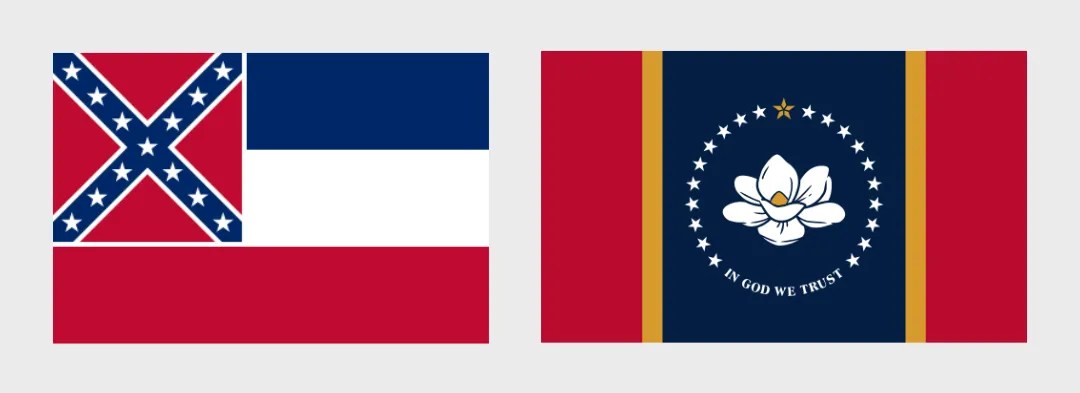
I’m honestly astonished that this point isn’t obvious—or welcomed. My argument protects everyone’s right not to stand on public property that’s been co-opted to express a political view they don’t share (or even if they do). Yet, just for saying this on X, people are calling me anti-gay. Nonsense. I’ve supported the gay rights movement since I first became politically aware. That’s not the point. People ask if I complained when Confederate flags flew on public buildings. Hell yes, I did. Anyone who knows me knows I’ve always wanted state governments to change those flags—to design symbols that represent everyone.
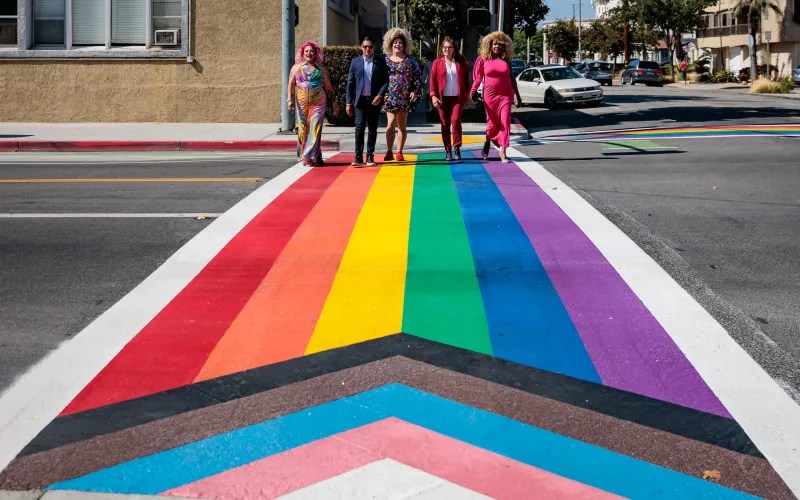
Some object that being gay is not an ideology or a politics. But queer is. There’s a crucial difference between being gay—a sexual orientation, a way of being, a matter of who you love—and being queer. Anyone can express queer politics on their own property or person, and that’s their right. But the government should never endorse queer politics. Whether I personally agree with it or not is irrelevant. It’s not the government’s role.
As I said on my platform Saturday, those who insist on commandeering public spaces by having the government endorse their politics are standing on ground that is antithetical to liberty. They reveal an authoritarian mentality—an unwillingness to allow others the freedom to move in politically neutral spaces. Wear a Pride Progress flag T-shirt crossing a public street? Fine. I’ll tolerate your expression. But I shouldn’t have to walk across a street painted in Pride Progress colors. That street belongs to me, too.
This same authoritarian impulse drives demands that public employees adopt the language and doctrines of queer politics—using preferred pronouns, affirming certain identities—under threat of punishment. When the government compels me to affirm a particular ideology, I am no longer free. That is compelled speech. And when my tax dollars are used to paint a crosswalk in the colors of a political movement, I am being forced to fund a political message I may not agree with—one I may have no choice but to walk across.
It is not anti-gay to demand political neutrality in public spaces. But it is discriminatory to use government resources to push one political message over others. People say, “But Andy, how bad is it to walk over those colors? You’re overreacting.” No. I take the First Amendment seriously—and everyone else should, too. Just think about your own freedom. If the political winds shift and a movement you abhor paints its colors on our crosswalks, you won’t have room to object since, before the shift, you insisted on your colors in that space. No movement colors in those spaces ever, and you will command the higher ground.

 freedom and reason