
In 1976, the United States celebrated its Bicentennial with a wide range of events and ceremonies commemorating two hundred years since the signing of the Declaration of Independence. I was 14 years old and remember the excitement vividly. Just a decade earlier, Jim Crow segregation had been abolished, and the Voting Rights Act passed. Only seven years before, America landed a man on the moon. After several more missions, we established a continuous presence in space with Skylab, which hosted three crewed missions. A year before the big celebration, the Vietnam War had come to an end.
The Bicentennial was a nationwide celebration filled with patriotism and cultural reflection. Cities across the country hosted historical reenactments, fireworks displays, parades, and special concerts. The most prominent national event was Operation Sail in New York Harbor, where tall ships from around the world joined a massive naval review attended by President Gerald Ford. Yes, a massive naval review attended by President Gerald Ford.
Congress authorized the minting of special Bicentennial quarters, half dollars, and dollar coins, all featuring unique reverse designs and the dual date “1776–1976.” Philadelphia, where the Declaration was signed, was a focal point for celebrations, including the restoration of Independence Hall. The American Freedom Train—a traveling museum on rails—toured all 48 contiguous states, bringing historical artifacts and exhibitions to millions. Television networks aired patriotic specials, and new monuments and public projects were dedicated.
It was a big to-do—and for good reason. The Bicentennial was a unifying moment in a decade marked by economic and political turmoil: protests, riots, the war, the Church Committee hearings, Watergate. It gave Americans a chance to reflect on their shared history and national identity.
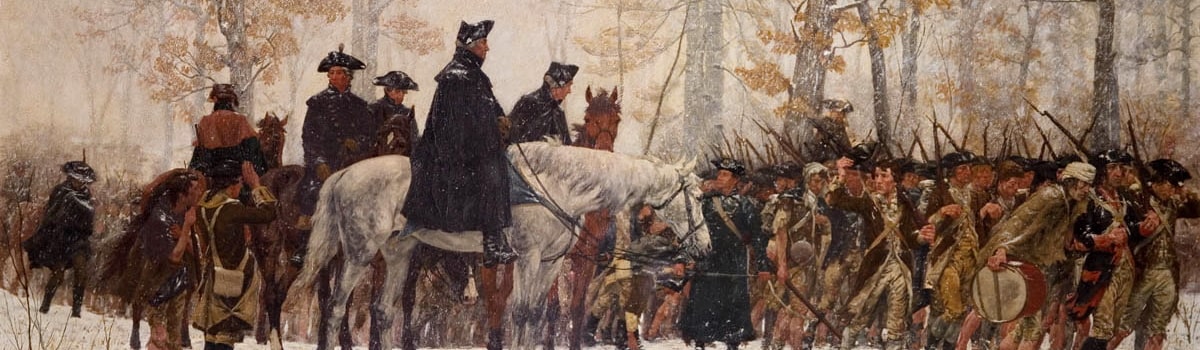
Now, we’ve arrived at another big moment: the 250th anniversary of the US Army. This milestone celebrates a quarter of a millennium of the Army’s history—from its founding during the Revolutionary War through its roles in every major conflict and peacekeeping mission since. Next year will mark the 250th anniversary of the Declaration of Independence. It’s significant that the Army was created in 1775, a year before the Declaration that launched the war for independence, where we threw off a king and established a democratic republic.
The first person to hold the title of General of the Army in the United States was George Washington. He was appointed Commander-in-Chief of the Continental Army by the Second Continental Congress in 1775 and later given the rank of General. After leading the Continental Army to victory, Washington went on to become the first President of the United States. Unanimously elected, he served two terms from 1789 to 1797. His leadership—both on the battlefield and as president—helped lay the foundation for the new nation’s government and democratic traditions.
We could not have won the War of Independence—and thus established our country—without the Army. What we’re celebrating is an institution that predates our Constitution—an institution that made our Constitution possible. And that institution has sustained our nation through all these centuries: through civil war, two world wars, and now stands ready to defend and preserve this nation in the next global conflict. It’s the perfect moment to honor the tens of millions of men and women who have put their lives on the line to defend the American Republic.

 freedom and reason