Thanksgiving 2021 I wrote (Awokening to the Meaning of Thanksgiving):
“Thanksgiving is about the living. It’s not about corpses—except for the dearly departed we remember together. Thanksgiving is about joining with family and friends and observing the value of those associations and relations that live in our lives. Those who want everybody to dwell in a narrative of collective guilt have way too much influence in today’s world. We need to be more forceful in our insistence that they sit the fuck down.”
The essay expresses a theme running through my criticism of critical race theory and identitarian politics and woke progressivism generally. The phrase of “stolen land” begs questions. Stolen from who? Was it their’s to begin with? Who’d they steal it from? Whatever answers one finds to these questions, the problem remains: Somebody owns the land now and it belongs to them. It is almost certain that they didn’t steal it. They bought it or inherited it.
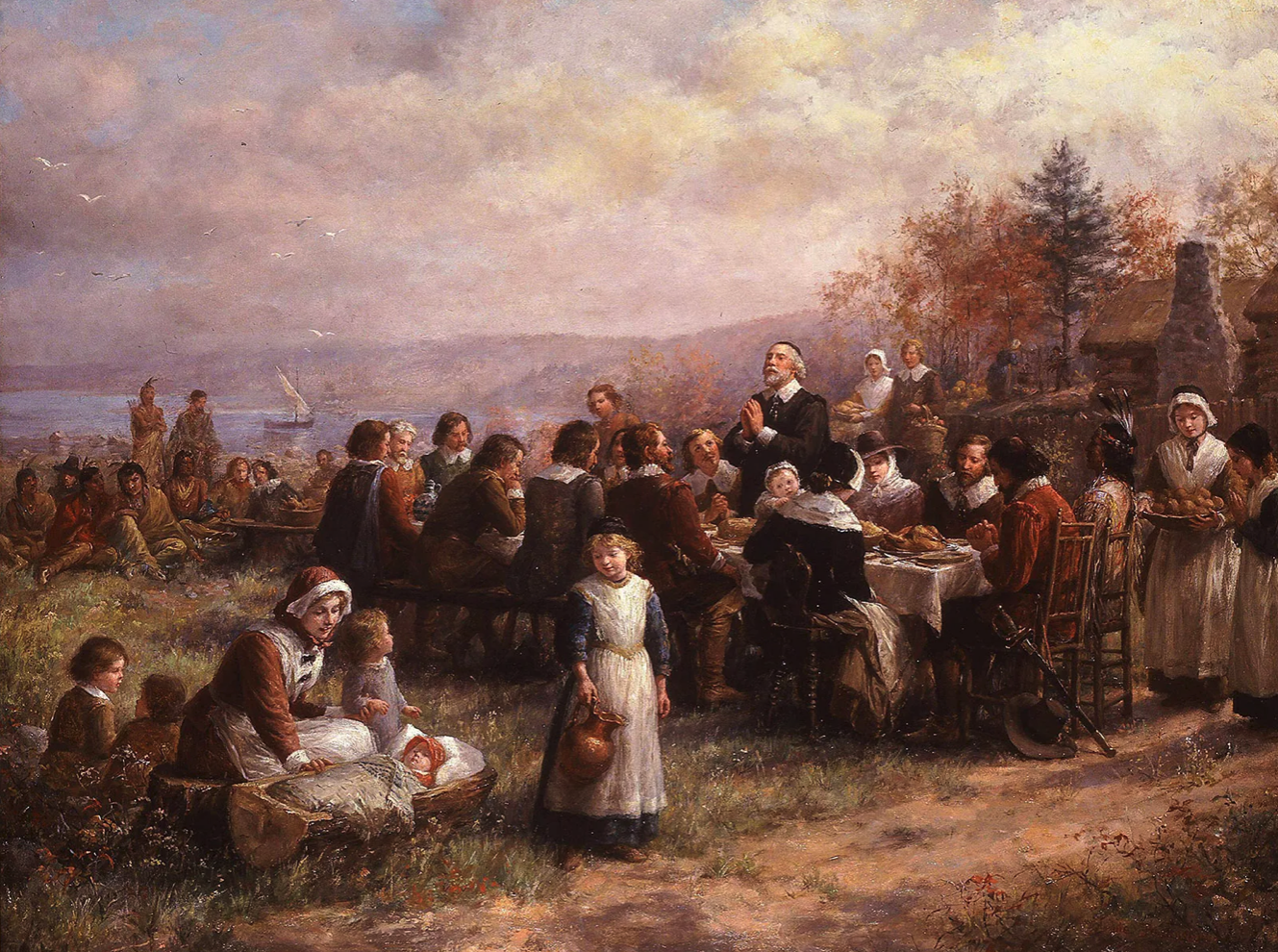
Thanksgiving 2023 I wrote (Giving Thanks Amid Uncertainty and Hopeful Developments):
“I hope I never have a day in my life when I won’t or can’t be thankful for living in the greatest republic that ever existed—the United States of America. Although I am not responsible for the actions of those now dead and gone, I can be thankful for my ancestors who founded and built and defended this great nation. I worry about the future, though, not only because of the threats abroad, but the rot inside. The enemies of America are in charge of the machinery of the republic. I’m not religious, but I know many of you are and will pray for America. I’m thankful for that, too. We need more than prayers, though. We need action.”
And action we got. I had noted in that essay the populist-nationalism gaining momentum across the West. In Argentina, libertarian Javier Milei had just emerged as the nation’s new president. Corporate media framed it as a gamble by voters on an outsider with unorthodox views to confront a dire economic crisis marked by triple-digit inflation, looming recession, and escalating poverty. Capitalizing on widespread frustration with the political establishment, Milei secured a decisive victory, earning roughly 56 percent of the vote. Geert Wilders, of the Netherlands, ran a campaign centered on controlling immigration, an issue he pledged to prioritize. Wilders’ victory signaled a challenge to mainstream political parties across Europe, as voter concerns over immigration, rising living costs, and climate policies threaten to unseat them. Sweden’s right-wing coalition government provided a clear example, exploring legislation to impose stricter requirements on migrants. Proposed measures include making residency conditional on adhering to an “honorable lifestyle” and respecting Sweden’s “fundamental values,” with deportation as a consequence for those who fail to comply.
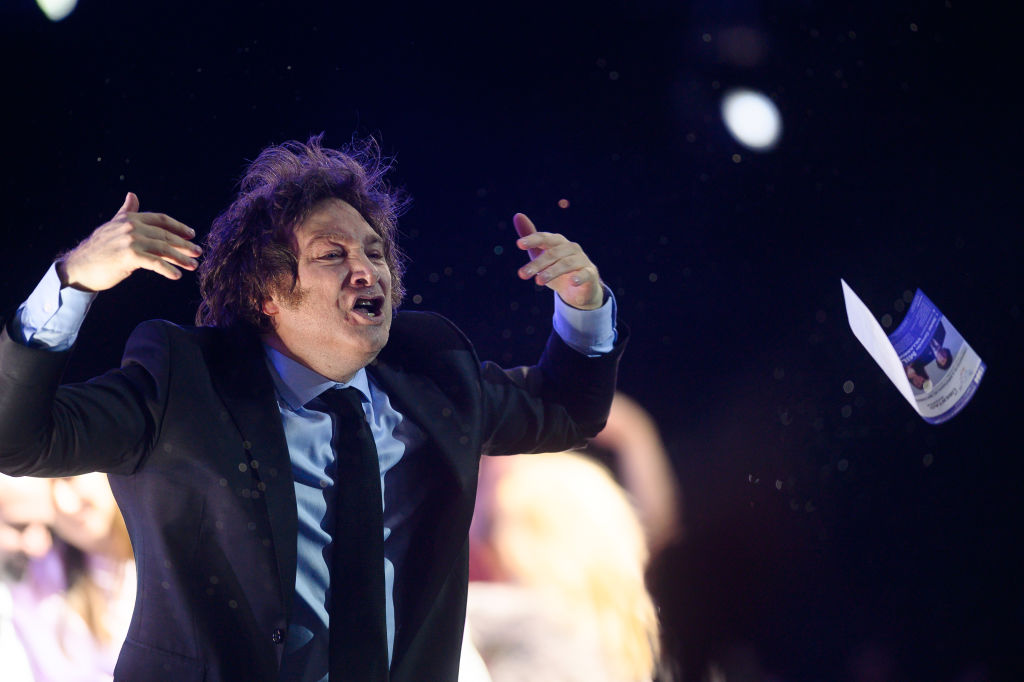
Over the past year, Milei’s presidency has been marked by bold economic reforms as he seeks to stabilize Argentina’s crisis-ridden finances, including deep cuts to government spending and efforts to dollarize the economy. In the Netherlands, Wilders’ government has enacted strict immigration controls, sparking debates across Europe about the balance between national sovereignty and human rights (as if there is a human right to colonize the Netherlands). Meanwhile, Sweden’s tightened migration laws have influenced similar moves in neighboring countries, as populist rhetoric on national identity and economic security continues to reshape European politics. These developments underscore a growing backlash against globalist policies and a demand for leaders who champion the interests of ordinary citizens over the agendas of political and corporate elites.
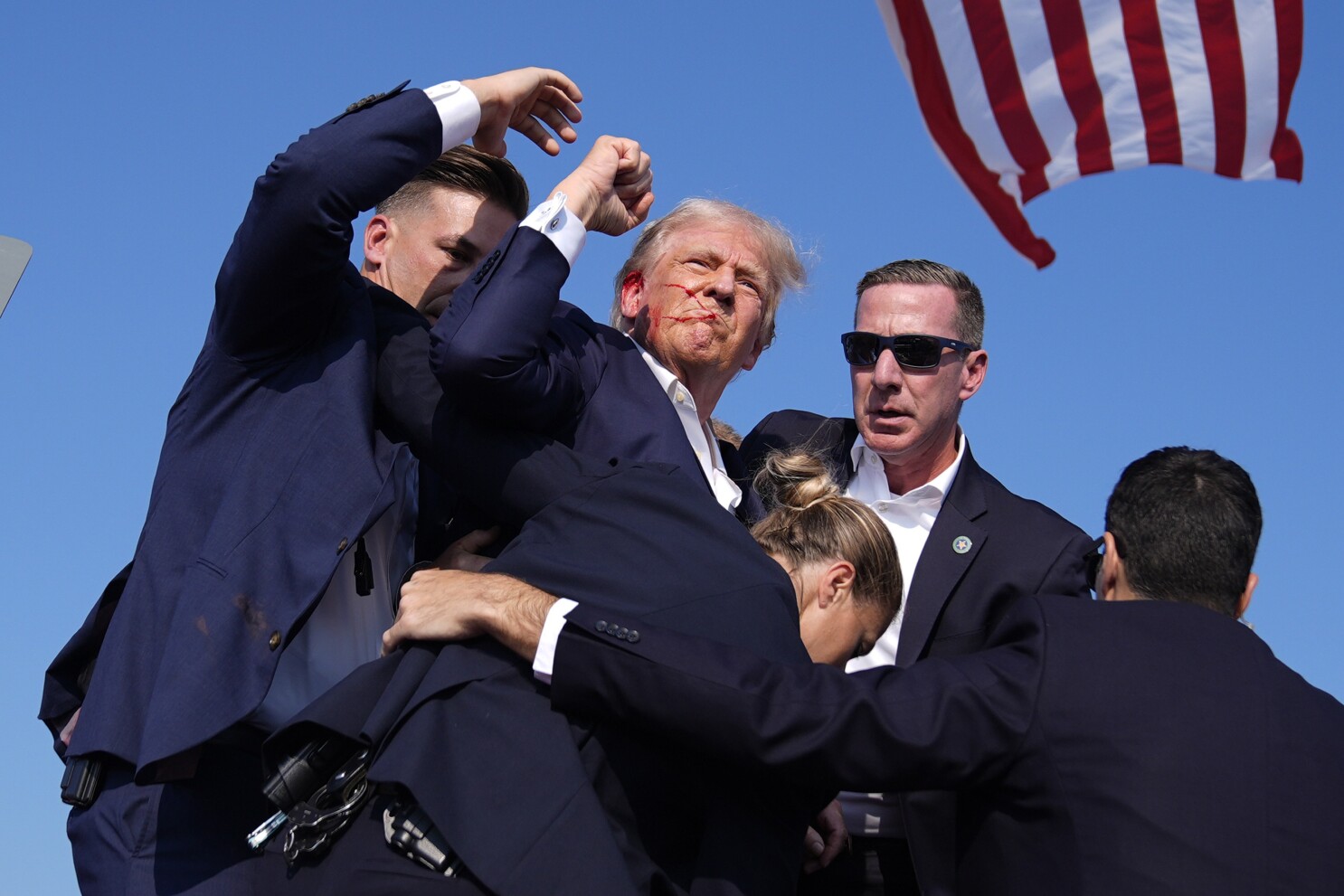
In the United States, Donald Trump’s 2024 victory cemented the momentum of populist-nationalism on a global scale. Running on a platform of “America First” policies, Trump’s campaign reignited his base with promises to disentangle the US from foreign entanglements, revive domestic manufacturing, and bolster national integrity. His decisive win reflected widespread disillusionment with progressive policies and renewed energy among voters eager to reclaim what they view as a diminished national identity. As president-elect, Trump has doubled down on his advocacy of tariffs and sweeping immigration restrictions, including mass deportation of criminal aliens. His victory, coupled with parallel trends abroad, signals an enduring populist realignment, as citizens around the world demand leaders who challenge globalist orthodoxy and prioritize sovereignty, economic stability, and cultural preservation.
That’s something to be thankful for.

 freedom and reason