
“DEI is just another word for racism. Shame on anyone who uses it.” —Elon Musk
Axios worries that “Trump’s Justice Department would push to eliminate or upend programs in government and corporate America that are designed to counter racism that has favored whites.” (See Exclusive: Trump allies plot anti-racism protections—for white people.) Translation: “Trump’s Justice Department would push to eliminate or upend programs in government and corporate America that discriminate against whites on the basis of their race.” The magazine says that this is “anti-racist protections for white people.” Seems so. And that’s bad why?
What is the racism that favors whites? If it’s the fact that blacks-as-a-group trail whites-as-a-group in nearly every significant category of economic and social life, this confuses results with causes. Racial disparities is not evidence of racism. That 36-38 percent of prisoners are black men, whereas black men only comprise 6 percent of the population, does not indicate racism. It could be that black men are drastically overrepresented in serious crime that lands individuals in prison. Indeed, this is the case. Authorities aren’t locking up black men without cause, after all.
There is a fundamental epistemic responsibility here: the party making an assertion or a claim has the obligation to provide evidence or justification for that claim. This principle is fundamental in debate, law, logic, philosophy and science. If the claim is that racism is the cause of racial disparities, or that there is a law or policy in place that systematically benefits or disadvantages individuals on the basis of race, then this must be shown. First, let’s see the evidence—evidence independent of the result—or evidence of a law or policy that does or would likely produce that result. Second, show that evidence to a court of law and convince a judge or jury that a concrete person was the victim of it.
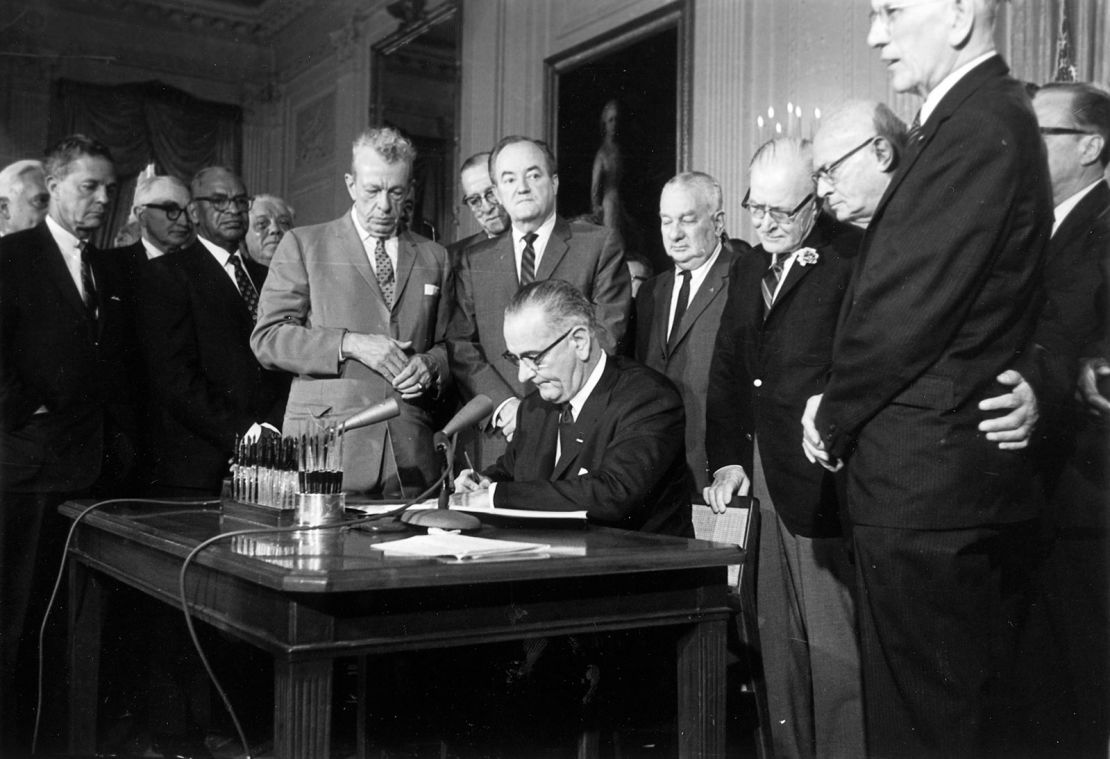
The 1964 Civil Rights Act banned racial discrimination against blacks in public accommodations. However, soon after passage of that law, affirmative action programs were implemented that disadvantaged whites on the basis of race—and you were a racist if you complained about it. In June of last year, the Supreme Court effectively ended race-conscious admissions practices in higher education. In a 6-3 ruling, the majority appealed to the equal protection clause of the Fourteenth Amendment—created to rectify the inequality faced by black Americans—to end the practice of race-conscious admissions. Now Diversity, equity and inclusion (DEI) programming disadvantages whites. The work to end racial preferences continues.
I can hear readers object with the fallacy of white privilege. The homeless white people in San Fransisco, Los Angeles, and elsewhere? Those whites? The white people working at Walmart? We don’t need to dwell on the fact that most poor and disadvantaged citizens in America are white. It’s enough to note that it is racism to discriminate against individuals on the basis of their group membership. Why? Because it treats individuals as personifications of abstract demographic groups. Whites aren’t privileged because their group averages are better on most measures. Averages aren’t people. They’re statistics. America is a colorblind society rooted in individualism. We are to judge individuals without regard to the color of their skin—not on the basis of tribal stigma.
The Trump campaign’s Steven Cheung said, “President Trump is committed to weeding out discriminatory programs and racist ideology across the federal government.” Axios thinks this “plot” is a bad thing. Actually, it’s a good reason to vote for the man.

 freedom and reason