The far-right populist Sweden Democrats gained in the September elections. They can now claim nearly 18 percent of an electorate that actually goes to the polls. The Social Democrats’ vote, on the other hand, fell to just over 28 percent, its lowest level in more than a century. This tells us that the Swedish situation is serious. But we knew this already. Gang violence is rising. Neighborhoods are marked by unrest. School administrator are reporting as commonplace threats of violence and weapons, weapons such as hand grenades and Kalashnikovs. Women are being harassed and assaulted by groups of young men. Immigrants and their offspring – Iraqis, Syrians, Somalis – are largely the perpetrators of the violence (they comprise more than three-quarters of gang membership). As we see throughout the western world, crime and violence continue to decline beyond the immigrant enclaves and the surrounding areas affected by them. The contrast between native-born and foreign-born is striking.
Why is this happening? It’s not about race. It’s about culture and economics and public policy. Across the decades, social democracy in Sweden has provided an extraordinarily high standard of living and extensive social support for people living there. For nearly a century, Sweden has stood as a model of social democratic capitalism. However, neoliberal restructuring of Swedish society is undermining these historic and progressive arrangements, and the progressive inertia they put in place is winding down. Today, mass immigration, sought by capitalists for its cheap labor, and ill-conceived humanitarianism, are conspiring to stress an already weakening system with predictable results.
The situation is marked by three developments: (1) influx and segregation of low-skilled immigrants devoted to a regressive ideology incompatible with western values of equality, liberty, secularism, and civil and human rights; (2) multiculturalist policies that undermine the assimilation process that has historically liberated immigrants from backwards cultural modes of thought and practice and allowed for integration into a better life-way; (3) insufficient investment in resources that could facilitate the integration of foreign populations into Swedish society, the result of decades of neoliberal restructuring of the public sphere. By privileging identity over integration and fracturing worker solidarity by essentializing and fetishizing group identity at the expense of individual needs (both native and foreign persons), immigrant enclaves extend and entrench, and the social problems associated with them follow suit.
Sweden is experiencing the political fallout from decades of straying from the path that works best for people under capitalism: social democratic welfarism. This has set in motion a terrible dynamic. The appearance of extremism and violence spreads fear across the population. Other-culture rejection of western values by a minority confident of its culture, and a corresponding loss of cultural self-confidence by Swedes is giving rise to frustration across the country. Swedes are a people who have benefitted tremendously from Enlightenment trends, particularly the marginalization of religious thought and practice. Now they’re seeing those accomplishments eroded as religious fanaticism returns. With these developments the right has been emboldened. Fear and frustration, especially in the face of a loss of commitment to social democracy by the left, feed popular support for conservative and traditionalist politics, forms of thought and practice that emphasize authoritarian control over social support.
As a consequence of decades of neoliberalism and multiculturalism, Swedes are finding themselves caught between two irrationalisms: Islam and ethnonationalism.
This analogy is half correct: A black man is a product of racial thinking just as the sinner is a product of religious thinking. Neither “black” nor “sin” exist without the respective systems that construct them. This is why I criticize religion with the same enthusiasm I criticize racism with: both are systems of oppression—just as the black man carries a stigma that subjects him to prejudice and discrimination, so the sinner carries a stigma that subjects her to prejudice and discrimination. Stigma is the basis of persecution, and stigma is a social construction, its meaning relative to a belief system.
We have in the West made great inroads in marginalizing religion as an organizing principle of society. A big reason for this is religious pluralism, which recognizes that there is no overarching religious system under which we are all defined. This includes the possibility that we are not defined in religious terms at all. But race remains an overarching organizing principle of social and cultural life. Of course, for those still trapped in religious systems, the experience can be just as punishing as racism. But in the West the situation is supposed to be different. We’re liberal and secular here.
Yet western society is massively hypocritical when it comes to feelings about racism and religion. One is condemned. The other celebrated, often even deemed necessary. As a consequence, I’m often regarded by as a bigot because I am consistent.
At the same time, there are differences between the cases. Racism constructs race from material found in reality, from the identification and organization of immutable, albeit superficial, phenotypic characteristics, empirical things like skin color, hair texture, eye shape, etc. Moreover, especially where ambiguous, race is rooted in ancestry, lineages of heritable traits. A racialized man cannot easily escape his ascribed status because his physical appearance and genealogy fate him to that status.
Religion, on the other hand, references immaterial things: gods, devils, demons, angels, the divine—things that are, as objective matter, impossible. At best, they are simulacra of social facts, projections of the profane into the sacred realm of imagination. A religious identity is not immutable in the way race is. I was born in a Christian family, to a minister, in a Christian community in the Bible Belt. Yet I have never been a Christian. And if I had been, I would not be now, proof that religion is abandonable. But I am white regardless of what I believe.
Here’s another difference between the cases: Whereas religious belief comes with specific cognitive and emotional content (I have a good idea what a Christian or Muslim believes when I know he is a Christian or a Muslim), race comes with no cognitive or emotional content at all. You can tell nothing about my belief simply on the basis of my race—or gender, for that matter. It won’t help you at all to know my politics or even my religion to know I am a white male. As a white male I could believe anything, listen to any kind of music, believe in any god or no god at all. But if a person is a Muslim, that comes with a suite of attitudes, assumptions, beliefs. Sure, it’s not monolithic. But it has ideological parameters. If you believe you are a Muslim by virtue of your birth, you are confused about what religion is. It’s not like being Arab for example. After all, Arabs can be Christians. Or atheists.
The reality is that I cannot choose my race, but I can choose my beliefs. I cannot shed my skin, but I can remove a hat or a garment. One may find it difficult to give up religion, just as it is for some hard to quit racism, but people do it all the time.
It is a historical accident—our ancestors were still immature in their judgment when they established the rules of civil rights—that religion was put in the lineup of categories requiring special protection. They treated this species of ideology apart from all the other species with which it shares a family connection, giving special protective status to a prejudicial and discriminatory belief system, thereby creating the false assumption that religion was different from its cousins racism and sexism. They committed a category error and flipped the oppressor-oppressed dynamic.
As for free thought and expression of opinion, we already protect that! You can believe and say whatever you want. And you are free to be criticized and ridiculed for that belief. Not special protection is necessary. Want to believe in a god, gods, or no gods? You don’t need my permission.
The differences help us determine how we move forward. Ending racial categories does not begin with pretending people do not share phenotypic traits but by dismantling the system that organizes us on this basis. On the other hand, ending religious categories does depends on personally rejecting religious belief. Religion is a system that each of us can shed because it is upon each of us to give up religious ideology, just as it upon each of us to criticize and ridicule harmful and absurd ideas. Those who don’t want to give up those beliefs shouldn’t get a pass any more than committed racists do on this account. They enable all of the terrible effects of a thought-system that appeals to the transcendent.
The charge of “Islamophobia” is an attempt to delegitimize the critic by suggesting that his criticism is an act of race hatred – as an attack upon a nonwhite people who cannot choose their identity. Of course, criticism of Islam cannot be racist because Islam is not a race. Islam is an ideology, like fascism; just as it would be absurd to suggest the term “fascophobia” as a species of racism, so it is absurd to offer the term Islamophobia as such. “Christophobia” does appear as a term from time to time, yet the public neither recognizes nor accepts it as a form of racism, if not because they don’t confuse ideology (a chosen or abandonable set of ideas) with race (an imposed and rarely escapable designation), but for the obvious fact that Christianity enjoys adherents spanning the racial spectrum. Indeed, most Muslims in the United States and Great Britain, and in North America and Europe generally, are racially white albeit ethnically Western or Central Asian.
However, there is a form of racism associated with the construct Islamophobia, namely the suppression of the human right of individuals to be free from oppressive culture and ideology that manifests as the illiberal practice of shutting down criticism of Islam with accusations of racism. The racist impulse that underpins this practice is the assumption that individuals in Muslim-majority countries and communities, because they are perceived to be members of racialized minority groups, are on-board with the homophobic, patriarchal, and repressive character of fundamentalist Islam and, furthermore, that it is morally acceptable and even culturally appropriate for them to adhere to such an ideology on account of their racial identity. To put this another way: while it is no good for Europeans to be saddled with Christian fundamentalism or to be told that is it bigotry to criticize the Judeo-Christian tradition, it is not only okay for black and brown peoples to be so saddled, but that it is racist to speak out against their suffering and in favor of their liberation!
Maajid Nawaz, of the counter-extremist think tank Quilliam, a Muslim who supports gay, women’s and free speech rights, has pointed out that those on the left who fetishize Islamic attitudes, dress, and practices – non-Muslims who participate in World Hijab Day or protest against any restriction on extreme Islamic practices or call for incorporation of elements of sharia in western jurisprudence (my examples) – reduce individuals to a stereotype of what it means to be a Muslim, while at the same time fail to recognize or acknowledge the coercive and cultural forces that compel individuals to appear certain ways, and, in so doing, fail the reformers across the Muslim world. By privileging group rights over individual rights (the latter being the proper subject of rights), and identifying as the “authentic Muslim” the religious conservative in the Muslim community, the “regressive left,” as Nawaz calls it, lends tacit support to the Islamic fundamentalist movement, the force of Islamization, what many refer to as “Islamism” – that is, Muslims who resist assimilation with western values and seek instead the imposition of sharia and Muslim culture on the West. (Christopher Hitchens made a similar observation years earlier). Fundamentalist Islam is an oppressive force, and if being a liberal or a leftist means anything it means opposition to oppressive ideology and practice. This is what distinguishes us from those on the right.
Imagine struggling under the yoke of fundamentalist Christianity and those outside that community accepting as representative of the individuals in that culture the claims made for them by the likes of Pat Robertson and other fundamentalist Christian leaders. Imagine hearing that one who criticizes the homophobic, patriarchal, and anti-science values advanced by such fundamentalist leaders as Mike Pence is guilty of anti-Christian bigotry. It’s not hard to imagine the sinking feeling one would have as an atheist or a free thinker living in the Bible Belt to hear such arguments against his liberty. And while it can often be insulting to hear Northeastern liberals in the US mock Southerners as a bunch of backwards religious fundamentalists, it is far better for the Christian fundamentalists among them to be so ridiculed than it is for the South to be excused from aspiring to rise to the humanistic and secular standards of the Enlightenment and the open society. As a atheist growing up on the South, indeed in a very Christian community, I was always appreciative of those voices who pointed out the absurd and criticized the oppressive elements of Southern culture. When the Supreme Court liberated gays and lesbians from the discriminatory laws that were characteristic of the Southern state, and thus softened up Southern culture for the greater acceptance of homosexuality, they did not exempt the South from having to accept the right of marriage equality. Every individual enjoyed the rights to which they are entitled regardless of culture or ideology.
The reality and truth of oppressive structures do not depend on whether those who are oppressed see or struggle against their oppressors. Oppression is an objective matter. It exists when individuals do not enjoy equal rights, when they are not treated as persons or equally before the law, when their bodies and labors are exploited by others. When we hear that we cannot speak for oppressed people, and on this account fall into silence, we betray the oppressed. To do this on the basis of racial designation is to act in a racist fashion, using the perceived race of individuals against them. In this way, identity politics is a thought-stopping practice, designed (or at least functioning) to deny the individual her human rights and selectively muzzle criticism of oppressive culture and ideology.
There are two principles central to liberalism that we would all do well to follow. First, all beliefs are subject to criticism. It follows that a free society permits the criticism, and even ridicule, of religion. Second, a free society cannot practice or allow discrimination of individuals based on their beliefs. Governments are only allowed to control behavior. So, a man who merely believes in gods should not be subjected to discrimination based on this belief. However, his belief is subject to criticism and ridicule. This is why the term “Islamophobia” to describe prejudice and discrimination against Muslims is so troubling. Islamophobia is a species of ideophobia, i.e. distrust, fear, or loathing of ideas. Obviously confusing criticism, distrust, fear, and loathing of Islam (permitted in a free society) with discrimination against Muslims (illegal in a free society) is an error in free thinking. But this conflation is not solely the product of error. It is also the product of a desire to stifle criticism of Islam by equating it with racism, which implies both prejudice (permitted) and discrimination (illegal).
The left-libertarian spirit flows from the Enlightenment tradition expressed in the work of Karl Marx, the father of modern class politics. To be sure, Marx was critical of the type of liberty that finds a right in individual control over capital, but he believed that censorship did more to further that type of liberty than undermine it. Marx is critical of the property right because of the class interests underpinning it; free speech, when protected, provides access to persuasion for those who do not command the machinery of prevailing ideology. Indeed, for Marx, the liberal notion of rights does not emanate from the property right but rather the property right is the contradictory element in the system of rights liberalism identifies. It is the property right that allows speech to be captured and controlled for the securing and perpetuation of exclusive interests oppressive to labor. Yet many on the left see free speech per se as an oppressive instrument of capitalism (and of racism, sexism, etc.). Those who call for censorship have the substance of their demand precisely backwards: rather than limiting the power of property to interfere with the free exchange of opinion and expression, they support subordinating speech to the property right.
Money is a chief source of stress in a marriage. Divorce is often the result of economic hardship and arguments over finances. To the extent that people see divorce as a social problem (it is harmful to children; even if most adjust over time, the fact that adjustment is needed tells us it’s a problem), it is in part a consequence of an economic system that cannot provide stability for working families. To be sure, there are other reasons people divorce. But if you want to reduce the prevalence of divorce, then you have to raise the level of social support for working people. I’m not saying that marriage is always the ideal arrangement. The point is about keeping families together. Brutal capitalism breaks families down and tears them apart.
The problem of working class ethnonationalism is this: whites who are uneducated and poor—i.e. low-skill labor—in a society that divides its population into white and black and expects minorities to operate on racial identity, tend to see their exploitation and oppression in racial terms. This is the predictable result of American history, a situation that represents the abject failure of the left to organize workers along class lines. The left today—the left that asks us to vote for one of the two bourgeois parties—peddles token diversity and neoliberal identity politics, things that don’t help the working class irrespective of race, but actually deepen capitalist hegemony among the predominantly white middle class, who are educated and affluent, and look down on the white working class while virtue signaling their concern for racialized minorities. It starts with an acknowledgment of “working class racism” among whites. Soon, the problem of racism is the working class.
Poor whites see this and resent it. They see that those privileged by the history and the needs of economic system, and by birth in well-off families, see them as bigots, racists and ignoramuses, while identifying low-skilled blacks and other minorities as vulnerable, as victims. Poor whites are used car trailer park white trash. They have no legitimate grievance because they are instinctively white nationalist in orientation. They must be imagining their disadvantage, after all, they have “white privilege.” The affluent whites do, too, they admit, but they are “self-consciousness” and “allies”—while still benefiting from the privilege those they look down on don’t actually have.
Meanwhile, the capitalists whom the white middle class supports by voting for the political party representing establishment interests (there’s some false consciousness for you), ships low-skilled jobs overseas where it can, replaces low-skilled labor with machines where it can, and pulls cheap low-skilled labor across the border to compete for the jobs of domestic workers—all to drive down the wage floor for everybody forced into that class by private control over capital. Since the left isn’t giving low-skilled labor a voice—white or black—some poor whites express their grievances through the distortion of ethnonationalism, while seeking a painkiller in evangelical Christianity, alienations kept alive by a society shot through with elite-shaped race politics. All for the sake of elite control of the masses. And the unwashed masses are to blame for all of this. “Why do they vote against their interests?” the smug liberal asks.
“Behold,” Newsweek declares, “the real enemy: the poor, uneducated white who can’t even hold his marriage together, who blames others for his problem [because, in fact, others are the cause of his problems]. The white nationalists is the greatest threat to humanity.” Translation: Don’t look at the environmental devastation poor whites have no power to cause (but do keep buying stuff we tell you to with money you don’t have). Don’t look at all the wars poor whites have no power to start (but do keep providing taxes and lives so corporate state can wage them). Don’t look at the establishment poor whites play no role in (it knows better than you what’s good for you). All must fear those who rolled the dice on a man they believed would disrupt what the establishment wishes could be a seamless system of capitalist hegemony, what the news media tells us is “mainstream” and “acceptable” politics—the new media that pines for a “return to normalcy.” What’s normal? Duh, globalism, imperialism, and war. What’s abnormal? A spray-tan combover meeting with the leader of a country armed to the teeth with planet-ending weaponry in order to ratchet down tensions. Show us you’re normal, Donny. Antagonize Russia. More sanctions? Nice. Good dog.
Weren’t the “deplorables” supposed to be too stupid to see this? Why weren’t the “irredeemables” scared of the Orange Man? What happened? The left has moved so far away from class politics that somebody like Steve Bannon can provide a better explanation for what’s happening to them than the left can (and it is a good explanation). It’s happening in Europe, too. The right is listening to the people the left is supposed to represent but is too busy belittling. The left abandons class for identity, or at least reduces class to one identity among many. The ultimate cause of the problem is capitalism. But the proximate cause is the establishment left, the Democratic Party, the Labor Party, the Social Democrats. They have sacrificed working people on the altar of neoliberalism.
The problem is not the poor working class. But don’t expect Newsweek to even suggest that.
As an undergraduate psychology major, I spent a summer in Sweden in 1989, mostly in Göteborg, but also traveling to Stockholm, Falkenberg, Ör (a parish in the countryside of Moheda between Växjö and Alvesta in Småland, a region in southcentral Sweden), and the mainland of Denmark. My visit was during a period of significant change in the macroeconomic situation. The prime minister, Gösta Ingvar Carlsson, who served from 1986 to 1991, and again from 1994 to 1996, pursued neoliberal policies, which, among other things, involved privatizing public services. Carlsson would also lead Sweden into the European Union.
In the summer 2006, after completing my first year as a tenured professor of Social Change and Development at the University of Wisconsin-Green Bay, I spent several weeks in Göteborg and a few days in Copenhagen. This was the year the Moderate Party was able to form a majority government together with the Center Party, Liberal People’s Party, and the Christian Democrats, ousting the Social Democrats after twelve years in power. The election was in September, and media coverage of the parties and campaign events dominated television and radio over the summer.
My third trop to Sweden was in the summer of 2018 to explore the possibility of (1) a long-term research project on social support and recidivism, (2) developing a travel course (in conjunction with the Social Work program at UWGB) to Sweden, and (3) establishing a relationship between the University of Wisconsin-Green Bay and the University of Göteborg, Sweden, with the promise of faculty and student exchanges and combined degree options in the fields of criminology and criminal justice.
Police escort refugees from the Hyllie train station in Malmo to the Swedish Migration Agency, November, 2015
I would discover on my third trip to Sweden that the European migrant crisis of 2015, and the longer trend of immigration that is exacerbated, had changed Sweden’s major cities, the country’s politics, and the cultural mood. The new arrivals were mostly from Muslim-majority countries in the Middle East (primarily from Syria and Iraq), Central Asia (primarily from Afghanistan), and Africa (primarily from Somalia and Eritrea), bringing norms and values that differed substantially from the egalitarian, liberal, and secular traditions of Sweden, as well as much lower education and skill levels and work commitment. Islamic attitudes about the role of religion in work and politics, the status of women in family and culture, and sexual mores contrasted sharply with Sweden’s atheistic orientation, substantial degree of gender equality, and culture of sexual permissiveness.
In response to these developments, Swedish voters helped the Sweden Democrats, a far-right anti-immigrant party with roots in fascist sensibilities, cross the 4% threshold necessary for representation in the Riksdag (Sweden’s parliament) for the first time in the 2010 general election (polling nearly 6% and taking 20 seats). The party has steadily gained support since, polling nearly 13% and taking 49 seats in 2014, becoming the third largest party in Sweden. The next election is in September, and many expect the Sweden Democrats to gain more seats. Currently, the party is polling just four points behind the Social Democrats and only two points behind the Moderate Party, the first and second largest parties respectively.
The Social Democrats have lost a quarter of their voters since the last election cycle. A lot of their members are switching to the Sweden Democrats. The Moderate Party has said it would be willing to work with the anti-immigrant Sweden Democrats into a cross-party agreement on immigration. However, the Social Democrat leader, prime minister Stefan Löfven, ruled out negotiations with Sweden Democrats.
* * *
In this essay, I want to spend some time discussing the political and immigration situation, because it bears on the future of the social welfare state. I will be aided in this by several sources, but one I wish to highlight now is Dr. Tino Sanandaji, a Kurdish-Swedish economist and author. Sanandaji arrived in Sweden from Iran the same year I first traveled to Sweden in 1989. He is a researcher at the Institute for Economic and Business History Research at the Stockholm School of Economics. His views–which are corroborated by other experts in Sweden, as well as the experiences of many ordinary citizens with whom I spoke, and my own observations traveling around the three largest cities in Sweden and Norway–are at odds with what I could glean from official government documents and websites before traveling to Sweden this third time. You get a very different story one-on-one with the experts than what is reported by the government in its official capacity.
There have been reports of problems with immigration and crime, even Swedish media, but Swedish authorities have steadfastly denied this problem. The official Swedish take on this matter appears to be, at least in part, a bit of public relations work, but the reasons for denial go beyond protecting Sweden’s image on the world stage, which I explore in this section. In addition to Sanandaji’s work, I have found useful Douglas Murray’s The Strange Death of Europe: Immigration, Identity, and Islam(2017), Christopher Caldwell’s Reflections on the Revolution in Europe: Immigration, Islam and the West (2010), Bruce Bawer’s While Europe Slept: How Radical Islam is Destroying the West (2007) and Surrender: Appeasing Islam, Sacrificing Freedom (2009), as well as social scientific and historical scholarship, primarily the work of Peter Skerry, professor of political science at Boston College.
Contrary to popular belief, Sweden is not a socialist country. It is a capitalist country with a free market, but with high levels of taxation (a combination of income and sales taxes in excess of 50% for workers and 70% for high income earners) that fund its extensive welfare state. Relatively low levels of military, police, and correctional spending allow greater investments in education and social welfare. To illustrate per capita social welfare spending, a single mother who does not work in Sweden receives around 2000 dollars a month, along with free healthcare, free college, free daycare, and free transportation.
Paul Krugman, an economics professor at the Graduate Center of the City University of New York, characterizes the Swedish model as “the exemplar of what used to be called the ‘middle way,’ a market economy with the rough edges smoothed by generous government programs.” Social welfare is a cultural value in Sweden; there is strong popular support for the social safety net. During the latter part of the twentieth century, the government established the practice of providing benefits to refugees that paralleled those its citizens enjoyed. This made Sweden an attractive destination for immigrants looking to increase their standard of living. This phenomenon is what immigration specialists call a “pull factor.”
Although Sweden continues to have one of the most comprehensive and generous welfare states among developed nations, it has seen a reduction of spending over the last several decades. This is to some extent the result of structural changes in the economy, driven by globalization and neoliberal reforms, a trend that has affects western capitalist democracies generally. But it is also the result of immigration.
Before WWII, one percent of Swedish residents were immigrants, mostly western Europeans. While Sweden was neutral during the second world war, they accepted Europeans fleeing Nazi Germany. Much of the rest of western Europe experienced greater levels of immigration due to a shortage of labor caused by the devastation of WWII. In the 1980s, the country took in refugees from Iran, Somalia, and Eritrea, and ethnic groups, such as the Kurds (this is how Sanandaji came to be in Sweden, traveling with his mother and brother from Iran). Still, as late as 1989, only 3% of Swedish residents were non-western European. Immigration began increasing at a faster pace in the 1990s. Former Yugoslavs, fleeing the violent breakup of their country into ethnic states, were a major source of immigrants during this period.
Migrations continued increasing through the first decade of the 2000s, followed by the migrant crisis, which began in 2015. Today, 23% of Swedish residents are of foreign origin, around 10% of these western European, the rest eastern European and non-European, mostly from Arab countries. Social spending in Sweden at the summer 1980 levels (that’s the Sweden Paul Krugman touts as his utopia) was not sustainable given changes in the size and composition of the population.
Because it is a capitalist society, Sweden’s economic growth depends on the success of commercial activity and participation in labor markets. Changes in these factors affect welfare spending. According to Sanandaji, there are significant differences in industriousness of native-born when compared with foreign-born workers. The evidence bears this out. The system enjoys financial stability when 85% of working age residents are employed, a figure that represents strong labor force participation, a level of participation that continues among native-born workers to this day. However, foreign-born populations have a much lower level of labor force attachment (around 50%), and those who do work, because they tend to be low-skilled labor, earn lower wages (around 20% less).
A split labor market, with newer arrivals working primarily at service sector jobs, is obvious when traveling around Göteborg, Stockholm, and Oslo. This problem could be addressed in part, according to Sanandaji, if immigration policy were more selective, choosing foreign workers with higher skill levels, distributing immigrants throughout the occupational structure. The group differences in academic success are substantial, as well. Around 40% of non-European residents don’t graduate high school, twice the percentage of native residents. Much of this failure is explained by culture and residential segregation.
Skill level, educational attainment, and occupational diversity have implications for integration (or assimilation) in a society. Highly skilled immigrants integrate more readily than low-skilled immigrants. European countries are skill-intensive, most low-skilled manufacturing jobs having left the country with the emergence of mechanization, automation, and off-shoring (and they aren’t coming back). What is left that is low skill is service sector work. As a result, Arabs are overrepresented in transportation, custodial, and food services. This problem intersects with gender participation in the economy. Native Swedish women work. By the 1980s achieving a participation rate equal to the overall native participation rate.Half of women immigrating to Sweden never worked in their home country and there is no change in that pattern in Sweden. (See Siv Gustafsson and Roger Jacobsson, “Trends in Female Labor Force Participation in Sweden,” Journal of Labor EconomicsVol. 3, No. 1 (January 1985), pp. S256-S274.)
Sanandaji’s contends that if immigration policy picked highly skilled immigrants, then immigrants would be integrated, and many countries have been tightening their immigration laws, shifting to a skills-based immigration system. But these policies are very new, and the crise du momentconcerns those who have already arrived and settled. Somalis, for example, come from a country with very little formal education. They have very few skills. They also have very low levels of cultural and social capital. As a consequence, Somalis do not integrate well in western societies. A skills-based immigration system would largely exclude Somalis in future immigration flows (except those with legitimate asylum claims).
According to Sanandaji, policy experts in Sweden foresaw these developments. They knew the welfare state was sustainable as long as Sweden held at eight million people and that adding two million people who moved between joblessness and low-wage work would change the situation drastically. However, a movement emerged on the left that undermined a pragmatic and sustainable immigration policy.
The “cultural left,” as Sanandaji calls them, successfully spread the idea that opposition to immigration was driven by racism and xenophobia, not by a desire to sustain the Swedish social welfare model or maintain its traditional culture (which helps make that model possible). Wanting to avoid being perceived as racist, opposition to immigration on the left and center-right was tamed; those opposed to immigration found expression on the far right, and with growing numbers of Swedes (and Europeans generally) are turning against immigration, this means the far right is gaining in popularity.
Conservative attitudes are not conducive to support for social welfare, so this right turn is unwelcomed from the standpoint of those who wish to see the Swedish model continue. In 2014, reflecting the extent to which pro-immigrant sentiments had captured the political mainstream, Prime Minister Fredrik Reinfeldt of the center-right Moderate Party urged Swedes to “open their hearts” to refugees. He admitted that it was going to be difficult, and that programs benefitting native Swedes would be tightened or cut. A year later, Sweden was taking in relative to population more immigrants than any other European nation–this despite the fact that there was neither housing nor good-paying jobs available for multitude pouring across the border, the majority of whom were young Muslim and (to a lesser extent) Orthodox Christian males from the Middle East and eastern Europe.
Sanandaji articulates a version of the “cultural Marxist” narrative of the development of this movement. Despite its exaggerations of its influence (for example, by such figures as Jordan Peterson), there is considerable validity to the argument (I am currently writing an essay on the cultural Marxist thesis, so I will not elaborate it here). This is the piece behind denial that moves beyond the desire to protect Sweden’s image on the world stage. There is in Swedish culture, in its impulse for kindness, a motive to virtue signal commitment to humanitarian values that paradoxically derails political attitudes protective of social welfarism. In other words, as Sanandaji puts it, a sort of soft bullying occurs—at least a strong social expectation—in which a politically correct line on immigration is pushed at the expense of the interests of the ordinary Swedes. (Virtue signaling / moral outrage as guilt alleviation is a unique problem of left-wing identitarianism. See Rothschild and Keefer, “A cleansing fire: Moral outrage alleviates guilt and buffers threats to one’s moral identity,” Motivation and Emotion, April 2017, Volume 41, Issue 2, pp 209–229, for a study of this problem generally.)
One sees this throughout western Europe, and a version of this can be seen in the current debate over immigration in the United States, which I watched with interest from Sweden, wherein left-wing progressives conflate routine enforcement of immigration law, and even the existence of immigration law itself, with the condemnable practice of family separation, and then characterize any support for immigration control as xenophobic and racist. The emergence of cultural leftism in the post-war period has played a big role in this, in Sweden mixing with a unique culture of egalitarianism. Douglas Murray locates this attitude in a larger problem, namely the loss of confidence among European in their own culture.
In a 2017 essay, “Opposing immigration wasn’t always racist” (Boston Globe), Skerry reflects on the American situation: “While liberals and progressives have stopped short of endorsing open borders, they’ve come to treat opposition to illegal immigration and constraints on illegal immigration as unacceptable, even racist.” Part of this is because of guilt over “America’s shameful neglect of Jewish refugees from Nazi Europe.” Moreover, the rise of multiculturalism has reframed the historical evidence, reengineering the motives behind WWI policies that curtailed immigration and imposed national-origin quotas. This is historical revisionism.
Historically, the labor movement advocated limits on immigration because of competition over jobs and downward wage pressure this caused and the disruption to labor organizing; immigrants were used by industrialists to undermine living standards and unions. Prior to 1914, the West was a place of open immigration, but this began to change with the First World War, the impact of mass migration becoming clear to a majority of Americans. However, ethnic and racial antipathy had little to do with this. Skerry cites the work of Timothy Hatton and Jeffery Williamson (authors of The Age of Mass Migration) who find that “the low and declining quality of the immigrants” arriving between 1890 and 1930 provoked restrictions, concluding that “racism and xenophobia do not seem to have been at work in driving the evolution of policy toward potential European immigrants.”
To be sure, one can find examples of nativists using ethnic and racial arguments in an attempt to influence trade unionists, but, according to the British scholar A. T. Lane (Solidarity or Survival? American Labor and European Immigrants, 1830-1924), “careful examination of the columns of many labor journals has produced few examples of racist thinking applied to immigration.” Opposition to and restriction on (1951) and eventual elimination (1964) of the Bracero Program, instituted during WWII to bring agricultural workers to the United States from Mexico and Central America, was not primarily driven by anti-Hispanic sentiment. But the power of labor waned after the 1970s and, today, “multiculturalism has become a more powerful force within the Democratic Party—and American society—than labor solidarity.” With this, “restraint on immigration tradition has disappeared,” Skerry writes.
Europe has experienced a similar change with respect to open borders multiculturalism. However, this wasn’t intentional. InReflections on the Revolution in Europe: Immigration, Islam and the West(2010), Christopher Caldwell writes, “Western Europe became a multi-ethnic society in a fit of absence of mind.” It was not their intent to change their societies. European policymakers opened borders to economic migrants to make up for job shortages in the post-war environment. However, after those jobs were full, immigrants continued to enter Europe. For example, in Germany, the number of foreign residents grew from 3 million in 1971 to 7.5 million in 2000.
During the same period, the number of foreigners in the workforce remained the same. The effect was an increase in poverty and welfare dependency. Caldwell notes that before the migrant crisisimmigrants accounted for about ten percent of the population of western Europe. In Europe largest cities, the numbers were as high as 30 percent. The counterargument to this was that, in time, foreigners would assimilate, and the economy would expand to absorb them. But history has proven these assumptions wrong. Many immigrants have not adopted the mores of their host societies.
Caldwell attributes this resistance to assimilation the religion of Islam. Mid-twentieth century, there were almost no Muslims in Europe (during this time, in Central and Western Asia, the latest wave of Islamization was still in its infancy). At the time Caldwell was researching his book, there were 15-17 million Muslims (half of all new arrivals) in Europe and Islamization had taken hold in many European countries. At first, some Muslims entering Europe were escaping Islamic fundamentalism (from Iran, for example). But, over time, immigrants were themselves fundamentalist Muslims.
Caldwell writes: “For the most part European countries have bent over backwards to accommodate the sensibilities of the newcomers.” He gives examples: “A French law court has allowed a Muslim man to annul his marriage on the ground that his wife was not a virgin on their wedding night.” “The British pensions department has a policy of recognizing (and giving some benefits to) ‘additional spouses’” (these quotes are from the review). In reaction to these changes, Europeans have seen a drastic change in their attitudes towards immigration—and in an opposite direction to Americans. Only 19 percent of Europeans think immigration is a good thing. Fifty-seven persons think there are “too many foreigners.”
Not only are many countries tightening their immigration laws, shifting to a skills-based immigration system, and setting citizenship tests for would-be immigrants, but they are moving to reassert their countries values. “The French have banned girls from wearing veils in schools. British politicians, such as Tony Blair and Jack Straw, have denounced the veil as a symbol of separation.”
Caldwell believes it’s too late. “Europe’s indigenous population is aging fast, with a quarter of it over 60. Immigrants have large families. Moreover, Europe is no match for Islamic self-confidence” (these quotes are from the review). Caldwell: “When an insecure, malleable, relativistic culture meets a culture that is anchored, confident and strengthened by common doctrines, it is generally the former that changes to suit the latter.” An early warning about this problem comes from Bruce Bawer, powerfully described and analyzed in two books: While Europe Slept: How Radical Islam is Destroying the West (2007) and Surrender: Appeasing Islam, Sacrificing Freedom (2009).
According to Sanandaji, Sweden was not looking to change its culture through immigration. Swedes were, in a way, victims of their own culture of kindness. Historically, the desire for equality has been a strong cultural force in Sweden. Sweden, having never had serfdom or slavery, and enjoying a remarkable degree of cultural integrity, produced a degree of equality and democracy most other capitalist countries could not. And this development is the central reason why Sweden developed into one of the least religious countries in the world.
Despite a majority of Swedes belonging to the Church of Sweden (Lutheran), an artifact of history, according to a 2016 poll, less than one-quarter of Swedes expressed belief in Protestantism, with 45 percent claiming to have no religious or spiritual belief, with 33 percent of the population professing atheism. This value of equality supported a strong labor movement in Sweden, which, in turn, translated the cultural tradition of egalitarianism into economic reality.
Sweden became a modern state through consensus, not with revolution. It incorporated into the modern capitalist system a common law system that emphasized individual liberty, local autonomy, and mutual respect. The social democratic movement emerged in this context. This movement was not Marxist in orientation but rooted in social liberalism. The emergent welfare-state model became a source of pride, as well as a principle cause of a high standard of living and a safe and nurturing environment for children. This pride reinforced an openness to those in need. Putting this another way, how one behaves is a manifestation of one’s values and thus signals participation in the social order and solidarity with the cultural consensus.
Enter the left-wing cultural elites, who, tending to see the average working person as ignorant and bigoted, even reactionary, took up the cultural Marxist / poststructuralist / postmodernist notions of the late-1960s. Galvanized by the Vietnam War, and the excesses of US foreign policy generally, left-wing cultural elites turned against liberal and egalitarian values, eschewing the worker struggle (for substantive equality) for the struggle of identity, i.e. gender, race, post-colonial struggles, cultural pluralism/multiculturalism, etc. Ironically, Sweden did not have a significant colonial/imperialist history (although they had a warmongering king or two, for example Karl XII and his Great Northern War) or a history of racial diversity; Swedish intellectuals plugged into the trans-Atlantic discourse, led by France and the United States, and imported these ideas.
Additionally, Sanandaji believes Swedes suffer from guilt over their affluence (a phenomenon found in western Europe generally), and, in the face of suffering around the world, they feel a calling to help, reflected, for example, in the large contributions they make to transnational governmental and nongovernmental organizations. The willingness to take in refugees is, in part, a reflection of this guilt. Sweden spends double the amount on refugees the United Nations does. Left-wing cultural elites thus prayed on the guilt and generosity of the Swedish people in opening up immigration policy.
To make the source of this project concrete, we need to look again at parliamentary politics. The government in power during the migrant crisis was comprised of the Social Democrats and the Green Party, who had formed a minority government after defeating the Alliance for Sweden coalition (comprised of the Moderate Party, Liberal People’s Party, Centre Party, and Christian Democrats) in 2014. However, it was the Alliance for Sweden that triggered the flood of immigrants into the country. It was just a month prior to losing the 2014 election that PM Reinfeldt told Swedes to “open their hearts” to mass immigration. Although left out of the minority government, the Left Party (formerly the Communist Party), remained an influential voice in the Riksdag and on the cultural front. Moreover, the Left Party had in earlier years participated in the influential Red-Green coalition. It was the voices among the Red and Green contingents that pushed the left cultural line concerning immigration. Left -wing cultural ideas had had a deep impact on the thinking of intellectuals in the Red-Green coalition. But these ideas, much in the same way that cultural leftism has a disproportionate influence on US politics despite the left having no actual control over government, influenced the thinking of the Social Democrats and the Moderate Party.
In my working paper on the cultural Marxist thesis, I discuss at length the way in which neoliberalism uses cultural left ideas to advance capitalist hegemony. These politics leverage multiculturalism to push the ideas of diversity and equity over those of substantive equality and fairness. Underpinning these politics, is the formation of the European Union, which played a crucial role in enabling mass migration to Sweden. Under the Geneva Convention, a person who sets foot on the territory of another country can apply for asylum.
Before the European Union, few people could cross the many borders necessary to get to Sweden. But with the establishment of the European Union and the Schengen Area (26 European states that effectively eliminated borders internal to member states), and with Greece and Turkey allowing people into the EU, a land route was established to Sweden. This parallels a transformation in transportation that challenged the United States during its period of mass migration. Skerry writes, “A stream of illiterate migrants from Southern and Eastern Europe was facilitated by the advent of steamship travel, rendering the trans-Atlantic voyage safer, faster, and cheaper.” The effect this had on U.S. society and culture moved the United States to restrict immigration, just as the EU’s open borders moved its countries to restrict immigration.
During the their crisis, Sweden reached historic rates of immigration, surpassing the US record of net immigration as a share of the population (set in the 1880s). According to Sanandaji, between 1980-2010, there were about 25,000 asylum seekers a year (it is more than this given family reunification, but patterns of reunification are highly variable). In 2014, the number of asylum seekers reached 80,000. It doubled in 2015, to 160,000. Sanandaji emphasizes that the 2015 numbers occurred in the last few months of the year, and that if this trend had continued it would have set a trajectory of 500,000 per year. In comparative terms, this would be equivalent to the US taking 16 million immigrants annually. As it was, Sweden was taking proportionately more immigrants than every other European country.
By 2016, the government had effectively closed the border, which resulted in a more than a 90% reduction in immigration. A teary Deputy Prime Minister Asa Romson (Social Democrats) announced the stricter rules governing the entry of refugees and asylum-seekers in November 2015. The restrictive policies still allowed for economic migrants, although they effectively eliminated family reunification.
The flow has returned to 25,000, which is sustainable, according to Sanandaji, but at the cost of a reduced social provision for natives. In an interview with US News and World Report, in July 2017, Demetrios G. Papademetriou, senior fellow and president emeritus at the Washington, D.C.-based Migration Policy Institute, observed, “Sweden has had to come to terms with the limits of its policies.” Sweden will now have to come to terms with a very different political landscape. As the foregoing attests to, the migrant crisis has profoundly affected social attitudes in Sweden (and Europe generally). In the midst of the policy shift, The Economistreported a dramatic increase in popular talk of “Swedish values.” In other words, the political discourse had moved explicitly to the question of Swedish cultural integrity. While some see this right turn as a negative thing, in one respect, it has, by reducing the flow of immigrants, lessened the pressure that feeds the far right.
Swedes have found that their cities are changed, their children’s schools are changed, their norms and values pressed by demands for accommodations for religious uniforms, dietary rules, etc. They are suffering a conservative illiberal culture insinuating itself into an open and democratic society. Cultural separation means that Swedes rarely socialize with non-European immigrants. Immigrants feel this distance as hostility to their presence. They thought the willingness of Swedes to accept immigrants represented a desire on the part of Swedes to embrace their way of life. Moreover, Swedes are as a people reserved, shy, inward-leaning, traits that can be perceived as aloofness. You can see this on trams and busses, and in parks: Swedes are reading books or on their iPhones texting, while non-European are socializing or having iPhone conversations. Cultural separation is reinforced by physical separation. Stockholm has ethnic Swedish enclaves that are relatively crime free, while other enclaves experience high levels of crime. The high crime areas tend to be areas with a large number of immigrants. Ethnic concentration can be rather extreme. For example, 90% of Rinkeby, a borough of Stockholm, is comprised of first or second-generation immigrants. Immigrants are often heard to say that, in Rinkeby, one can feel like they are home in Baghdad.
Throughout Europe, immigrants have disrupted communities, swelled the underclass, and, out of economic deprivation, resentment, and cultural attitudes incompatible with modernity committed crimes. Moreover, among the refugees were Islamists and jihadists. This was a period of significant terrorist attacks after a decade relatively free of terrorism. The terrorist organization al-Qaeda perpetrated a massive attack on commuter trains in Madrid in March of 2004, killing more than two hundred people and injuring some fifteen hundred. In July 2005, suicide bombers killed more than fifty commuters and injured several hundred on subway trains and a bus in London. These attacks coincided with the early phase of the Afghanistan and Iraq Wars. Coinciding with the migrant crisis, attacks on European targets began anew and with greater frequency. In January 2015, in Paris, terrorists killed seventeen and injured twenty-two. Paris was hit again in November; Islamic State terrorists killed 137 and injured 368. In March 2016, bombings in Brussels killed 35 and injured 340. In July 2014, in Nice, a terrorist driving a truck killed 87 and injured 434. In December of that year, during Christmas celebrations, a Berlin market was attacked, killing twelve and injuring fifty-six. In May 2017, Manchester Arena was bombed killing 23 and injuring 250. Great Britain was struck again in June, on London Bridge, when 11 were killed and 48 injured. In August of 2017 24 were killed and 152 injured in an attack in Barcelona. Sweden was not immune from terrorist violence. On April 7, 2017, in Stockholm, a rejected refugee from Uzbekistan, who had pledged allegiance to the Islamic State, hijacked a truck and drove it into a crowd, killing five and seriously injuring fourteen others.
Many in Europe have come to the realization that multiculturalism does not work. The Washington Post, which praised Angela Merkel for her refugee policy (Time Magazinenamed her person of the year), reported that, in a December 2015 speech, Merkel said, “Multiculturalism leads to parallel societies and therefore remains a sham.” This “therefore remains” indicates that this wasn’t the first time she had said something negative about multiculturalism. Indeed, in 2010, she declared that multiculturalism has failed utterly. “We kidded ourselves for a while that they wouldn’t stay, but that’s not the reality,” she said (in reference to the influx of guest workers who helped fuel the country’s postwar economic boom, but overstayed their welcome); “Of course, the tendency had been to say, ‘let’s adopt the multicultural concept and live happily side by side and be happy to be living with each other.’ But this concept has failed and failed utterly.” The problem became a national debate with the publication of Deutschland schafft sich ab(“Germany Does Itself In”) by Thilo Sarrazin, a board member of Germany’s central bank, the Bundesbank. By 2015, Merkel was saying, “We want, and we will reduce the number of refugees noticeably.” In 2011, David Cameron, of Great Britain, in his first speech as prime minister, on the subjects of radicalization and terrorism, sharply criticized “state multiculturalism.” “Frankly, we need a lot less of the passive tolerance of recent years and much more active, muscular liberalism,” he said. He wondered of Muslim organizations: “Do they believe in universal human rights – including for women and people of other faiths? Do they believe in equality of all before the law? Do they believe in democracy and the right of people to elect their own government? Do they encourage integration or separatism?” That the leading representatives of the Christian Democrat and Conservative Parties were the ones speaking in defense of national cultures supportive of rule of law and secular authority and human rights carries real implications for left-wing politics in Europe.
For some, the facts that countries like Sweden are full, in that they do not have adequate housing (to prevent overcrowding), jobs, and social services for immigrants is overshadowed by the moral obligation to help asylum seekers. However, Sanandaji argues that most of those seeking asylum are not really in danger; they exploit the process to take advantage of Sweden’s higher quality of life and robust social welfare system. Moreover, most immigrants are economic migrants, sought business and government for their cheap labor. The generosity of countries incentivizes migration, which not only stresses social welfare systems and public services but endangers migrants. Crossing the Mediterranean is risky; thousands die every year. And there are many other risks to migration. This is the Migration Policy Institute (MPI) commenting on the situation in 2015:
The EU refugee protection system is under strain. Despite years of investment and legal norms and institutions that equip Member States to respond to those fleeing persecution, today’s reality is that significant numbers of people in need of protection are unable safely and legally to access the EU asylum system. Alongside other migrants, refugees resort to the services of smugglers and undertake dangerous journeys that may lead to harm or death. At least 3,500 people were reported drowned while attempting to cross the Mediterranean in 2014—a figure likely to be a significant underestimate; nearly 400 have perished on the same route in the first two months of 2015.
The Fundamental Rights Agency (FRA) and United Nations High Commissioner for Refugees (UNHCR) have recommended extraterritorial processing of asylum claims to identify those in need of protection before they reach Europe’s borders (MPI). It was announced in June 2018, while I was in Sweden, that Brussels is planning to set up migrant processing centers in Africa. Plans sketched in a European Council paper for “disembarkation platforms” in north Africa leaked to the media. Well aware of the impact of the migrant crisis, with populists in Rome (who has vowed to not let Italy become “Europe’s refugee camp”) and Angela Merkel’s government shaken, the European Union has not only moved collectively to stem the flow (The Times UK), but to develop a system to prevent such a thing from happening again. This is, in my view, a very important development.
The foregoing has noted the charges of racism and xenophobia leveled at those who seek to restrict immigration. I want to say a few things about this. One of Sanandaji arguments is that, while there is racism in Sweden, it is not as widespread as people say, and, in any case, it is not the driver of support for immigration control. The vast non-racist majority supports strict immigration controls. They do so because of their experience, not because of any ideology. The magnitude of the flow overwhelmed the capacity of the welfare state to pay for and manage social services. Moreover, there was a desire to preserve Swedish culture, its values and norms. This attitude is sometimes characterized as racist, but characterizing defense of culture and traditions as racist is a problem of conceptual inflation.
Racism is an ideology that divides populations into subpopulations, supposes that individuals of these subpopulations vary as groups and in biology/character in aptitude, disposition, intelligence, integrity, promiscuity, etc., then arranges these subpopulations in a hierarchy of superior and inferior types, which generates racist action and policy. A racist system is one in which, whether consciously organized along the lines described above, outcomes fit this logic.
However, if the explanation for cultural variability is not explained by racial categories, then one can judge cultures to be superior and inferior without being a racist. Opposition to culture shaped by religious ideology is a good example of this. The problem of Islam is not a racial problem. It’s an ideological problem. Islam is patriarchal, misogynistic, and intolerant. It is, even in its moderate forms, incompatible with liberal secular values. Muslims are demanding western societies accommodate its religion and then using this accommodation to Islamize the culture and society around them. As Christopher Hitchens put it in a warning to the public, “Resist it while you can.” Already, as he warned, they are removing the right of Europeans to complain about it.
For this reason, Skerry, contends that the contemporary immigration debate in the United States wrongly attempts to apply the model of black struggle against Jim Crow segregation in the Civil Rights era to the problem of immigration at the southern US border. They are not the same things. One concerns overcoming racial oppression. The other concerns enforcing immigration law. A similar phenomenon can be identified in Sweden where the cultural left accusing immigrants who are critical of Islam and immigration policy of being “house niggers” and “Uncle Toms” in English thus importing language from the US experience into Swedish discourse.
I have found the arguments of British writer Douglas Murray, founder of the Centre for Social Cohesion and is the associate director of the Henry Jackson Society, to be compelling, which suggest this question: why are non-European societies lauded for their desire to maintain their culture, law, and language, indeed, offered protection for the preservation of their culture, but Europeans condemned for expressing the same desire? If culture matters, then why doesn’t European culture matter? It will not do to say, as a Swedish politician has, that Sweden has no culture. In fact, Sweden does, and it is a culture far superior to most of the world’s cultures. Like Sanandaji, Murray believes that Europeans who support mass migration and multiculturalism do so out of a misplaced sense of guilt, guilt for their affluence, guilt for the belief that their affluence rests on the historic and continued exploitation and oppression of non-European peoples. Douglas wonders how long Europeans are expected to pay for the past–and why the past of non-Europeans is never at issue.
It troubles me to hear the sorts of arguments that suggest, for example in a recent Washington Post op-ed, that because extreme-right and neo-Nazis say things about immigration and culture that a liberal like Douglas Murray also says about immigration and culture that Murray is motivated by the same things or exists in the same political universe. Murray is deliberate and explicit in saying that he is not proud of his skin pigmentation and that racial exclusivity is wrong, and he urges people to not go down the road of white identity politics.
The sociology of race and ethnic relations is one of my areas of expertise. I don’t accept the “new racism” argument that criticism—even fear and loathing—of culture and subculture automatically represent racism. I don’t accept the idea that Islam is an indicator of race. Racism may motivate the desire for restrictive immigration policy, but to say that this desire is ipso facto racism is propaganda. It assumes what requires evidence. The push for immigration restrictions, coming from all quarters except the elitist cultural left, which is not really concerned with working class interests, is not intrinsically racist.
According to the Bureau of Labor Statistics, the average worker currently holds ten different jobs before age forty, and this number is projected to grow. Other sources range from twelve to fifteen jobs over the life course and five to seven careers in a lifetime. It is therefore a great disservice to train a young person for a particular vocation. Not only will that vocation likely not be the job they will wind up with, but, for some, the job they’re training for now may not even be there by the time they graduate.
It is a moral imperative for public universities to require the breath of knowledge that general education provides and the depth and complexity of thinking that comes with a problem-focused and domain-based education. Rich people send their kids to universities with these characteristics because they know this is the type of education that suits a free and self-actualizing person. Why would any of us who believe in these values want anything less for the kids of working families? Why would any educated and aware person fail to see that the purpose (or function, if you like) of undermining the liberal arts component of the public university is to reproduce the class structure that guarantees wealth and privilege for the few families who run the economy?
The business class does not care about enhancing the value of our youth for the sake of enlightened and engaged citizenship. From their standpoint, such values are dangerously socialized in a population meant from their standpoint to serve industry. The business class cares about enhancing the value they extract through the labor process – and then chucking the worker when her job has been automated or off-shored. Vocationalizing public higher education is a scheme to externalize the cost of job training by making the individual pay for it himself and for his children, often by accumulating suffocating levels of debt.
The public university must be more than an organ that serves the narrow class interests of economic elites. It should serve the cause of enlightenment and social progress. It should teach people not merely to adapt to changing circumstances, but to change the circumstances to fit their needs and desires. It’s the role of the professoriate to defend these values by fighting for the liberal arts and social sciences.
While students and allies march and rally for stricter gun control in the wake of the Marjory Stoneman Douglass High School massacre in Parkland, Florida, police departments around the country have joined with school districts to push for more armed officers in schools.
Cops in schools have become an article of faith for law enforcement. Their efforts are being assisted by the National Association of School Resources Officers, which lobbies for more school resource officers (SROs) and touts the occupation as “the fastest-growing area of law enforcement,” as well as the National Rifle Association, which represents the firearm and security companies who stand to profit from increased spending on school safety measures.
A SRO is a sworn law enforcement agent who is empowered to make arrests. SROs are usually armed with handcuffs, a loaded gun, an electroshock device, a tearing agent and an inventory of coercive physical techniques to achieve pain compliance. In many communities. SROs are given a disciplinary function; public schools are outsourcing the moral upbringing of our children to the police department.
Armed officers are not cheap and, in this era of declining resources in public education, SROs and other armed personnel come at the expense of other investments: smaller classes sizes, more teachers with better pay and rewards to develop their craft, more paraprofessionals to assist teachers, expanded tutoring services for students who fall behind, greater access to qualified mentors, more guidance counselors, training in de-escalation, mediation, and crisis intervention, development and implementation of anti-bullying programming, and bridging the distance between educational institutions and their communities.
The phenomenon of the SRO is associated with the appearance of “target hardening” approaches (bars, barriers, fences, hostile planting), surveillance, metal detectors, active-shooter drills and threat assessment training for teachers and administrators.
The vision at work is that of the garrison school, an effect of what political scientist Harold Lasswell calls the “socialization of danger” in his famous 1941 American Journal of Sociology article, “The Garrison State.” By adapting this phrase, I mean to refer to those strategies and effects that pull ordinary residents into the security process by routinizing the threat of extraordinary violence.
Placing cops in schools has failed in its declared goal of protecting students and teachers. In 1975, about 1 percent of schools in the US had an armed police presence. By 1994, pushed by more than two decades of crime wave hysteria, that percentage had increased to 13 percent. The National Center for Education Statistics reports that from 2015-16, 48 percent of schools nationally had a sworn law enforcement officer present at least once a week, and in many of these buildings, police were a daily fixture.
Despite the sharp increase in armed police presence over the years, school shootings continue unabated. These trends are punctuated by high-profile illustrations of failure. Scot Peterson, who spent most of his law enforcement career as an SRO, remained outside Marjory Stoneman Douglass High School in Parkland, Fla., while a teenager armed with an AR-15 killed 14 students and 3 teachers. Three months later, a student at Santa Fe High School in southeast Texas, a building with armed officers present, killed eight students and two teachers before surrendering to police. Almost two decades earlier, Columbine High School in Colorado, which saw the killing of 13, had an armed SRO and a security guard at the school. The shooting at Virginia Tech that followed a few years later, in which 32 people were killed, occurred on a campus with six police officers. In these and many other cases, the presence of police officers did not serve as a deterrent, nor did it save lives.
Although police presence in schools does not protect people from mass shooters, its effect is not neutral. The garrisoning of schools is disruptive to learning and community. Minority students are routinely victims of discriminatory over-policing. Although typically subconscious and implicit, racial bias among police officers remains a problem in law enforcement. Once embedded in schools, the police gaze is turned on the children, bringing biases from the outside inside the building. The logic of crime fighting shapes classrooms, hallways, and playgrounds. This is not a safe space for children and young adults.
There are two compounding types of over-policing: Police are more likely to target marginalized students for control and these students are more likely to attend schools with a significant police presence. Crucially, schools primarily made up of students of color are more likely to have police in them irrespective of whether their community is a high crime area. Law enforcement officers, with implicit racial and class biases in tow, bring their prejudices inside the school building.
Cops also bring something else. As Jerome Skolnick found in preparing his 1966 landmark Justice Without Trial, the working personality of the police officer tends toward the authoritarian: defensive, judgmental and suspicious. This character embodies the logic of crime control (over and against justice) and shapes human interactions in the classroom, hallway and playground.
Although public school shootings are statistically rare in the US, the presence of armed officers, as well as target hardening and surveillance, make the school feel like a dangerous place, manufacturing this perception unjustly engenders and deepens feelings of personal insecurity.Active-shooter drills condition fear in students, compromising what should be a relatively stress-free learning environment. Fear finds kids ruminating over how they will survive the unlikely. Additionally, highly realistic active-shooter drills can provoke the same physiological response in children as real emergencies. Kids have trouble learning new skills when anxious, but their bodies learn danger with ease. Further, teachers are pulled into the practice of threat assessment, shifting attention from students as learners to students as threats to personal safety. Meanwhile, those with bad intentions can simply plan around all this.
Instead of controlling guns like every other rational democratic country, communities are asked to model their schools after the garrison, generating profit for weapons and security firms. The majority is asked to compromise its freedom so that a well-organized minority can possess weapons designed for use on people, and the state can respond with extraordinary security measures. However, at its core, the demand for more armed officers in our schools is not merely a symptom of government failure to stand up to the gun lobby; it is the result of a convergence of powerful interests.
Cops in schools neither makes schools safe nor facilitates education. The socialization of danger fosters a sense of insecurity and hopelessness, a mood on which authoritarianism thrives.
Culture provides concepts and methods for interpreting the world and for sharing those interpretations with others in order that others may benefit from interpretations, to develop a shared meaning about things in the world and relationships, and organize projects to improve the human conditions.
There are plainly different cultures, each providing different concepts and methods and interactional rituals. Some cultures allow for free play in developing explanations and understandings of the world. They allow for, and may even privilege, science, for example. Other cultures are rigid, tightly controlling the parameters of knowledge production and transmission. They may put irrational modes of knowing, like religion, in charge of explaining and understanding the world.
A woman removes a Niqab she was wearing in her village after Syria Democratic Forces (SDF) took control of it, on the outskirts of Manbij city, Aleppo province, Syria June 9, 2016. (Reuters)
Some say that all cultures are equal, that there is no way of determining which are superior and which are inferior. But if we use science to evaluate the efficacy of a culture in terms of the state of health and wellbeing for persons existing under its control, we will see that this is a false claim. If people are poor and unfree, and this is not solely because of external forces, then the culture may not be adequate to human needs and may therefore be fairly judge inferior to other cultures. For example, if a culture teaches people that disease is caused by witches, then those living in this culture will be disadvantaged compared to people whose culture understands that witches are not among factors causing disease.
There is a discourse that holds that identifying superior and inferior culture is a form of racism. Why is it racist to say that a culture is inferior for hampering the development and freedom of people, a conclusion that can be reached using a range of facts, scientific and humanist? For example, we reject patriarchal culture in our own societies in the west on the grounds that it limits the development and freedom of women. How could this become racist applied to other societies? Isn’t the oppression of women wrong everywhere? Is feminism conditional, reigned in by cultural considerations?
Racism is discriminating against people on the basis of their race, a false belief that imagines biological or constitutional differences between groups of people categorized by shared but superficial phenotypic characteristic and ancestry. Ironically, the claim that culture comes from race and that cultures are different because people are biologically different is a hallmark of racist ideology. Culture is not a projection of race. Race doesn’t exist.
Criticism of culture as a social force does not fit the definition of racism. Expanding the definition of racism to encompass cultural differences is the work of conceptual inflation. It is also a political ideology that functions to stifle cultural criticism and arguments concerning the adequacy of cultural forms to human thriving. Unfortunately the demand that cultures (and moral systems) must be taken on their own terms lest one be accused of racism is quite common in the universities and in corporate media.
Sociobiology and evolutionary psychology are correct to presume we are animals. But they have little to say about who we are as persons. As persons, we operate on basis of meaning and interpretation. This ability is not found in our animal nature, but in our social history and in our cultural development.
The brain may be like a computer in that it processes data; it is a natural machine that organizes inputs from the environment and carries out action (if it has a body). But the computer doesn’t interpret the empirical world. It doesn’t have a mind. Nor are its actions as a robot intentional.
The mind is a real and emergent phenomenon that depends (so far) on brains, but is not reducible to brains any more than the meaning of a video playing on a computer is reducible to the CPU. We don’t know how to make a computer from which a mind will emerge. We don’t know if such a computer is possible. We are not even sure we could know whether we had actually built such a computer.
The application of evolutionary theory to the level of reality that encompasses interpretation and meaning commits a fallacy, a domain level error, by falsely applying a logic induced from observations of the natural domain to a domain that operates on a different logic, the logic that forms the basis of sociology and anthropology, disciplines both dependent upon natural history in an ultimate sense (though not needing to always take account of it), that nonetheless operate according to emergent logic as different from biology as biology is from physics.
We recognize that the emergent level of reality we call the biological domain cannot be reduced to physics. An ecosystem, despite having a physical dimension, is not a physical system. The relations are not governed by the same forces.
Ideas in physics can be used metaphorically to describe observations in biology, but they are always metaphors. And the process by which metaphors are generated and used remain explicable only in terms of the mental lives of persons, which, without a social environment where language is present, are not even possible.



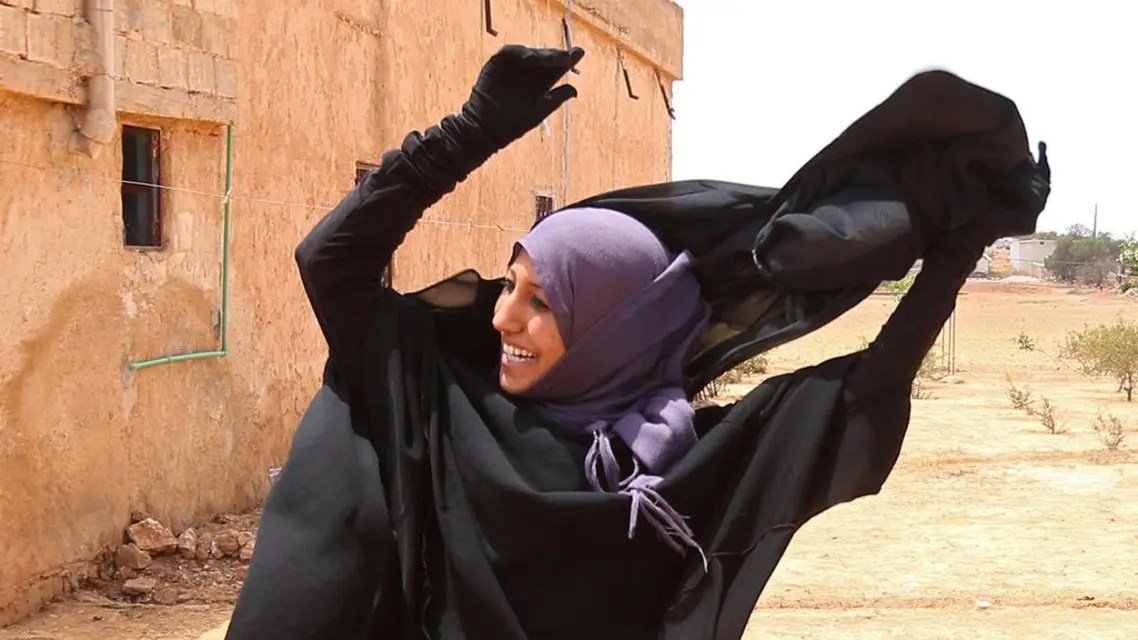

 freedom and reason