
Some have been wondering why Dylann Roof was charged with hate crimes instead of terrorism for his action in a black church in South Carolina. While he was motivated by a hateful ideology, he had not pledged allegiance to any terrorist group nor did any terrorist group claim responsibility for his actions (several hate groups did publicly agree with his motive while denouncing his actions). Rather than going to court with a problematic terrorism charge, prosecutors pursued hate crime charges. They went with the slam dunk case.
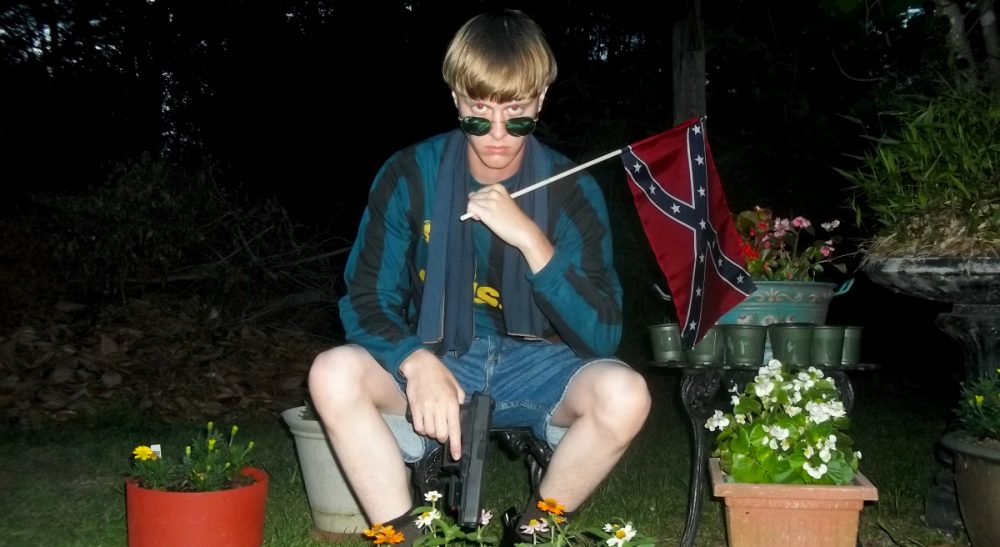
The Roof case could have gone either way. As a criminologist, I would probably classify it as a case of lone wolf terrorism. In the Anders Breivik case in Norway, with similarities to the Roof case that are missing in the Mateen case, the prosecution settled on terrorism charges (after considering crimes against humanity and treason). Breivik is considered exemplary of lone wolf terrorism. However, many other mass murders by young white men are missing the elements found in the Roof and Breivik cases and are not cases of terrorism and only some of them are hate crimes.
Throwing up pictures of young white men, some with obvious mental health issues, most unaffiliated with terrorist organizations and instead motivated by idiosyncratic reasons, and then claiming there is a double standard in how the media and law enforcement treat Islamic terrorism over against other forms of mass murder, will not do as an argument against the practice of properly identifying Islamic terrorism. Both Roof and Breivik’s crimes were motivated by a hateful and divisive ideology. Any attempt to reduce the likelihood of future crimes based on these ideologies that do not confront the ideologies themselves are not part of a comprehensive program to responsibly deal with the threat. This is how we must think about Islamic terrorism.
Governments generally define terrorism as the use of violence and intimidation in the pursuit of political aims by subnational groups (some criminologists include states in that definition). The massacre in Orlando was an act of terrorism because Mateen pledged allegiance to ISIS and ISIS claimed responsibility for Mateen’s action.
Some have been wondering why Dylann Roof was charged with hate crimes instead of terrorism for his action in a black church in South Carolina. While he was motivated by a hateful ideology, he had not pledged allegiance to any terrorist group nor did any terrorist group claim responsibility for his actions (several hate groups did publicly agree with his motive while denouncing his method). Roof pledged allegiance to an idea not an organization. Rather than going to court with a problematic terrorism charge, prosecutors pursued hate crime charges. They went with the slam dunk case. Now the question is whether Roof will spend his life in prison or be executed.
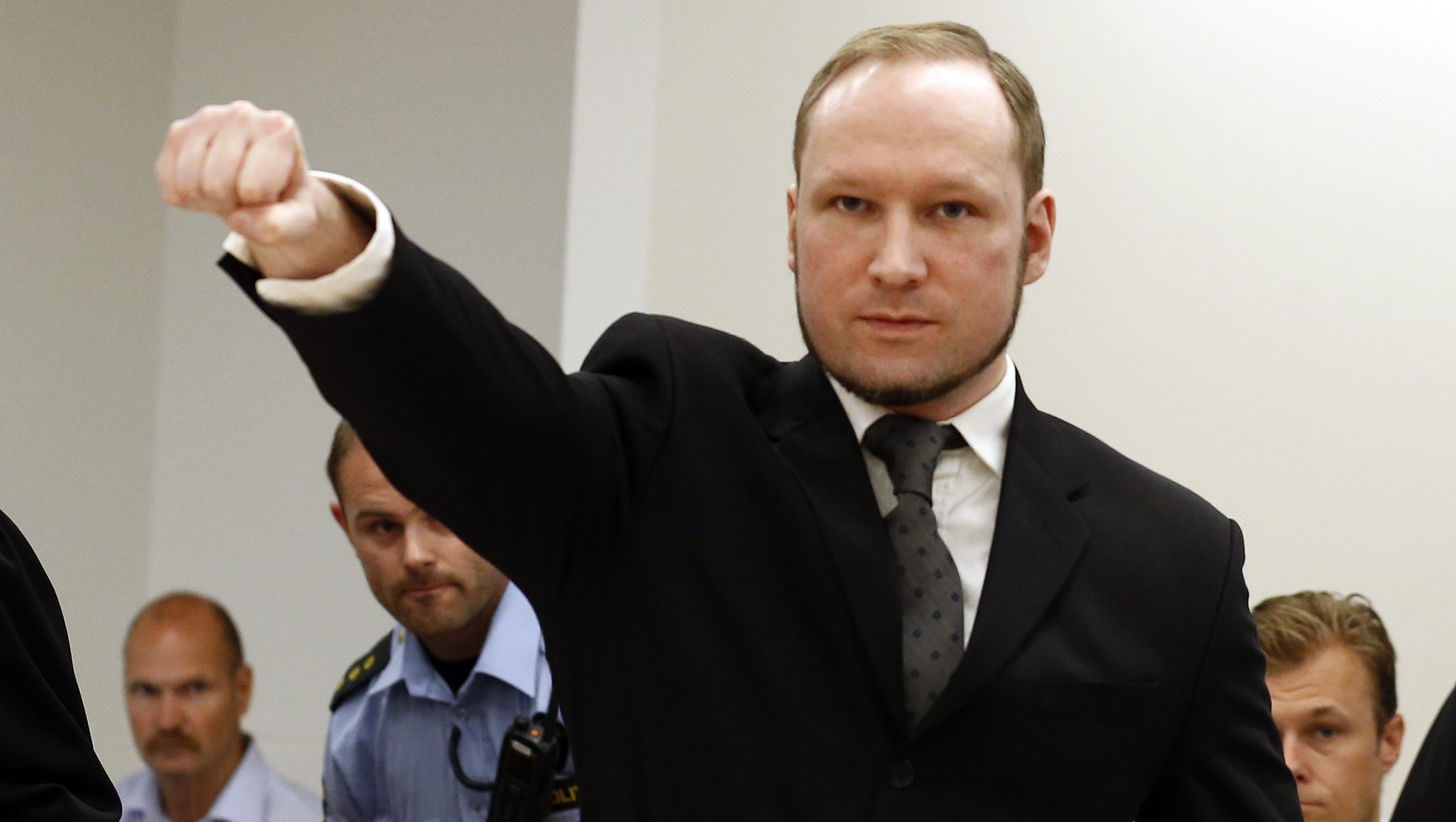
The Roof case could have gone either way. As a criminologist, I would probably classify it as a case of lone wolf terrorism. In the Anders Breivik case in Norway, with similarities to the Roof case that are missing in the Mateen case, the prosecution settled on terrorism charges (after considering crimes against humanity and treason). Breivik is considered exemplary of lone wolf terrorism. However, many other mass murders by young white men are missing the elements found in the Roof and Breivik cases and are not cases of terrorism and only some of them are hate crimes.
Throwing up pictures of young white men, some with obvious mental health issues, most unaffiliated with terrorist organizations and instead motivated by idiosyncratic reasons, and then claiming there is a double standard in how the media and law enforcement treat Islamic terrorism over against other forms of mass murder, will not do as an argument against the practice of properly identifying Islamic terrorism. Both Roof and Breivik’s crimes were motivated by a hateful and divisive ideology. Any attempt to reduce the likelihood of future crimes based on these ideologies that do not confront the ideologies themselves are not part of a comprehensive program to responsibly deal with the threat. This is how we must think about Islamic terrorism.

 freedom and reason