
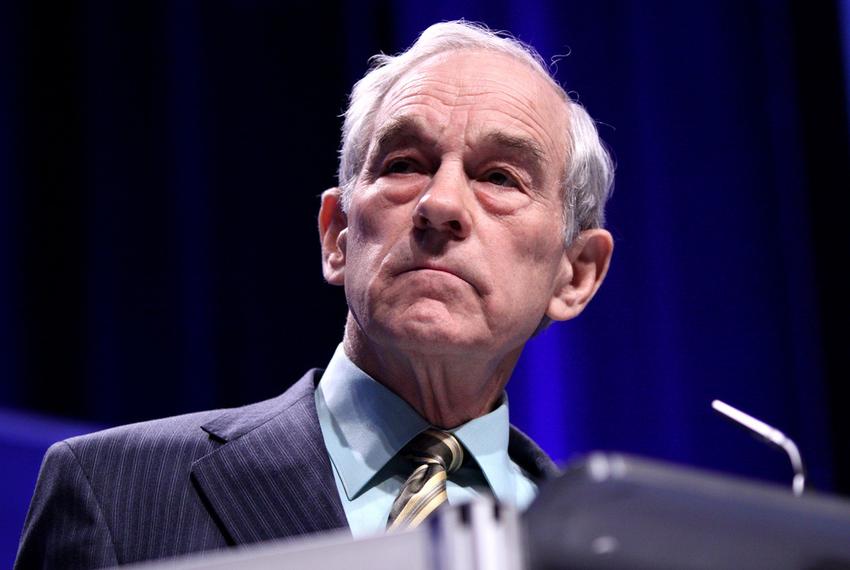
A business is a special class of private property, yet Ron Paul and other self-styled “libertarians” speak of private property as if it were one all-inclusive class of things operating under the same set of rules. In a contentious appearance on the Larry O’Donnell show, Paul claims that forcing a white-only restaurant to serve black customers, which is authorized under Title II of the 1964 Civil Rights Acts, hyperbolically characterized as the government “taking over private property,” is like “taking over the bedroom.”
The analogy is absurd. I don’t need a business or any other license or permit to sell my car to the teenager down the block. I just need a title. I can sell that car to anybody I choose. If I want to sell my car to a white person I will. If I don’t want to let black people into my home, I don’t have to. However, if I run a business, I fall under a different set of rules because it’s a different type of property. It’s capital. I must obtain local, state, and, sometimes, even federal and professional licenses and permits. Additionally, I must obtain a state tax license, labor department registration, employer identification number, etc.
If my home is not a public accommodation, then I decide whether blacks can sleep in it. If my home becomes a public accommodation, then I don’t have that choice. This is because it has become a business.
Here’s the essential difference: A person or group of persons who want to go into business must seek the state’s blessing. The state grants a license—a privilege—to a business thereby legitimizing its operation and retaining the express power to regulate that business. (Businesses that decide to operate without the state privilege become part of the black market. Yet when I sell my car, I do not become part of the illegal market.)
When the term “right” is appealed to in the context of the business-state relation, the term is assumed to be a condition legally conferred, not an inherent or natural right. This is because only individuals have inherent rights—and the right to operate a business that harms persons’ civil liberties is not among them. To be sure, businesses have protections in the law, but none of these are allowed in principle to exclude and harm without reason (i.e. rational secular justification). I say in principle because this often doesn’t always work in practice due to the power of capital in influencing government action or inaction (see, for example, mountain top removal). However, just because the state doesn’t act consistently on principle doesn’t mean the principle isn’t well established.
The state has always had the authority to compel establishments serving the public to open their services to everybody. The Civil Rights Act of 1964 confirmed this by providing the machinery to force state governments to recognize the unalienable rights of US citizens—life, liberty, and the pursuit happiness, which are self-evidently compromised by the racist “separate but equal” doctrine—by banning laws permitting or requiring segregation.
Paul and his ilk make two errors. First, they fallaciously separate private and public sectors, as if a public accommodation can refuse to serve black people without that refusal enjoying or suffering either positive or negative sanction by the state. There is no neutral state position relative to business in the concrete—this is to say, any state that permits racial discrimination in public accommodations acts in a racially discriminatory fashion. It is basic to common legal understanding that laws that either require or permit establishments to discriminate against certain group members are themselves discriminatory and must be struck down in order to restore the inherent right. Therefore, discrimination in labor and consumer markets had to fall along with policies and acts of state discrimination; there is no disentangling the spheres; they rise or fall together.
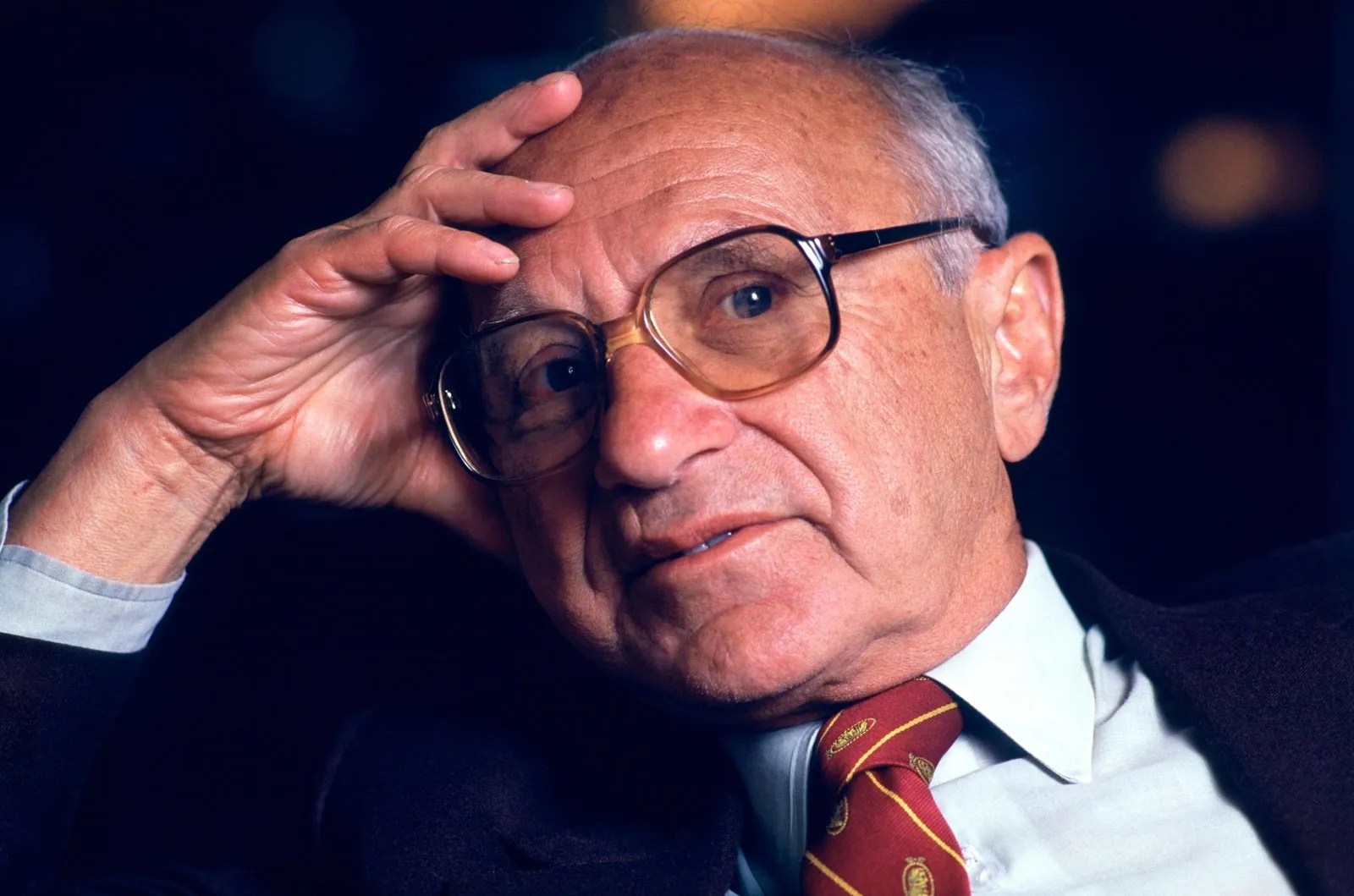
Neoclassical liberal thought is shot through with this error of reification. See the works of Milton Friedman or Friedrich Hayek. So busy building ships in bottles were they that it’s comical to watch how confused they could become when trying to talk about the concrete character of actual political economic systems. Friedman looked particularly foolish on a regular basis, since he was keen on getting in front of audiences and challenging college students to match wits with him.
Libertarians (I am talking about true libertarians now), on the other hand, don’t commit the fallacy of misplaced concreteness because they consistently operate on the principle of personal sovereignty. That’s what makes it an intrinsically left-wing philosophy and practice: the aim to dismantle all illegitimate hierarchy. Not so with so called “libertarians” like Ron Paul. Paul desires to keep the capitalist hierarchy firmly in place and more: entrench the hierarchy even further by weakening the democratic machinery (the positive freedom side) of the republic.
Second (and this isn’t so much error as it is propaganda), neoclassical liberals want to flip the universe by making the alleged right of business unalienable while characterizing the rights of individuals as apparent privileges. In doing so, they explicitly put property before people; they are essentially arguing that having capital gives one person the right to oppress other persons, and if that person is white, then he is free to oppress black persons. In other words, they use the rhetoric of private property to justify apartheid. I do wish they would finally admit that the inevitable conclusion of their argument is that de jure race segregation is a legitimate outcome of capitalist property relations.
Finally, concerning Paul’s mantra of federalism and strict constructionism, given that the federal government is, according to the Constitution, the supreme law of the land (readers are familiar with the supremacy clause, no?), and the obvious fact that states do not have rights but powers (only individual persons have rights), Ron Paul supporters don’t have a leg to stand on. The bottom line: Paul’s rhetoric is subterfuge in defense of white nationalism. Maybe some Ron Paul supporters don’t recognize that. But it is what it is.

 freedom and reason